
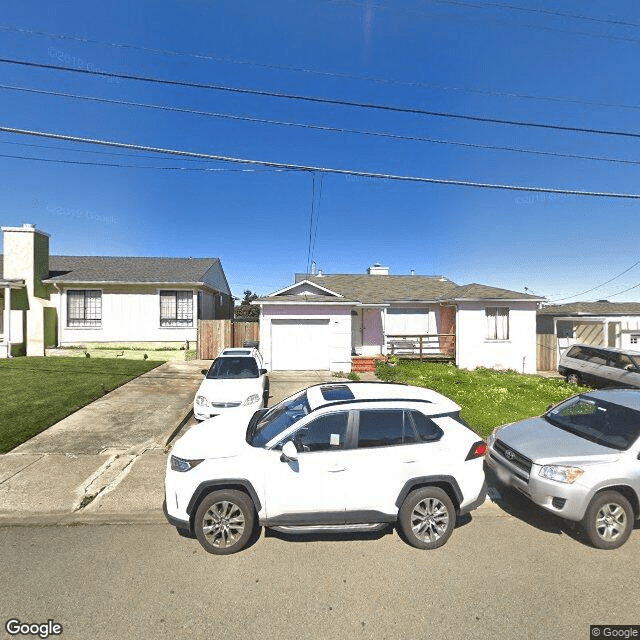
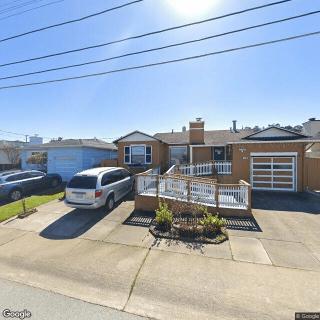
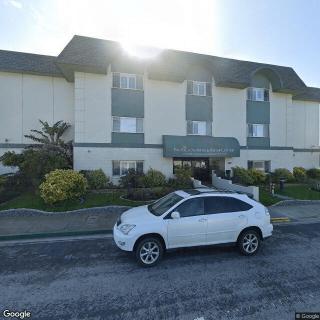
620 Midway Ave, Daly City, CA 94015
To contact a resident: (415) 823-3882
For more information about senior living options: (866) 208-4318
Holly Family Home Costs & Pricing
Holly Family Home offers competitive pricing for its accommodations compared to the broader market. For a semi-private room, residents can expect to pay $2,000 per month, significantly lower than the average costs of $3,830 in San Mateo County and $3,333 across California. In addition, the private room option at Holly Family Home is priced at $2,500 per month, which again represents a more affordable alternative when juxtaposed with the county's average of $4,281 and California's general rate of $3,939. This positioning not only reflects Holly Family Home's commitment to providing quality care at accessible prices but also highlights its role as a valuable resource for families seeking supportive living environments.
| Floor plans | Holly Family Home | San Mateo County | California |
|---|---|---|---|
| Semi-Private | $2,000 | $3,830 | $3,333 |
| Private | $2,500 | $4,281 | $3,939 |
Memory care communities with a similar price nearby
-
from -$225 / mo
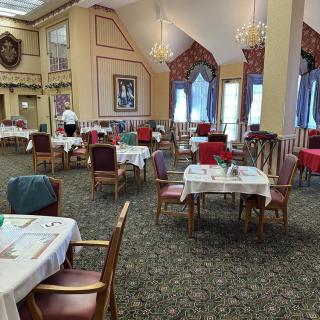
El Cerrito Royale
$1,775 to $3,775 / month18.2 miles away -
About the same
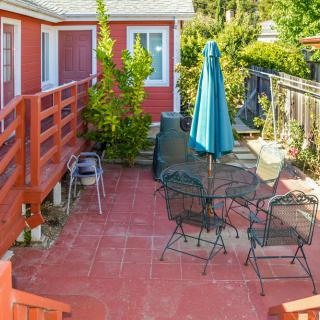
Heritage Hills
$2,000 to $3,800 / month7.1 miles away -
About the same
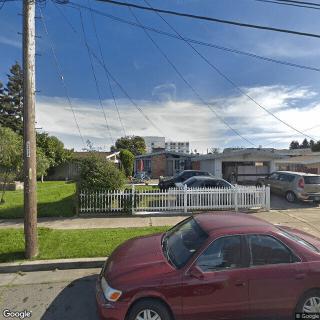
St. Lourdes Home
$2,000 to $3,000 / month21.9 miles away -
from +$200 / mo
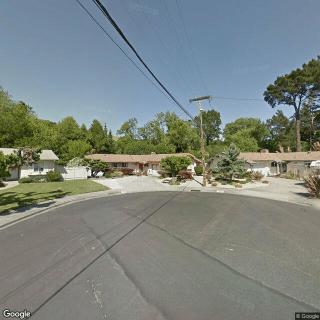
Granada Care Home No 1
$2,200 to $3,500 / month23.1 miles away -
from +$200 / mo
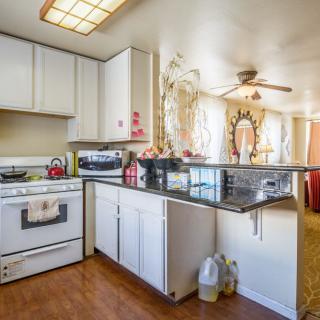
Heart and Soul Communities
$2,200 to $3,200 / month16.7 miles away
Overall Review of Holly Family Home
Pros
 The school is really nice, with spacious classrooms and a great yard.
- Francisco is a very nice person.
- Holy Family is lucky to have him.
- The staff are wonderful, supportive, kind, compassionate, and sincere.
- The institution is amazing and has a history of over 100 years.
- It is described as a hidden rare gem, with a safe and secure environment for children.
- People highly recommend HFDH and encourage others to tour.
- Former attendees have fond memories and credit Holy Family with a positive impact on their lives.
- The school is a private institution that is worth every penny.
Cons
 The service was horrible, informal and unprofessional; the child began using bad words after being dropped off, and the reviewer would never return.
- The new director and assistant director were described as shady and terrible, caring more about money and publicity than the children.
- There was cross-contamination by administration and no regard for regulations or procedures, with bugs and grime everywhere.
- The administration allegedly lied about a COVID-19 outbreak in the kitchen and misled parents and staff about it.
- The directors are said to have cut many corners with little care for the health or safety of the children.
- Three licensing violations since January were noted, and staff were intimidated into silence.
- Despite a long history, the school was described as having gone downhill drastically, suggesting families should avoid it.
- The reviewer would not recommend family or friends for a tour there.
- It was felt to be too business-like and not welcoming, treating children as monetary value.
- The institution, though Catholic in name, was claimed to have nothing to do with Catholicism.
Review
Holly Family Home in Daly City is best suited for families seeking a storied, faith-aligned private early-education option with a long-standing track record. This community appeals to parents who prize a tradition-rich environment where teachers and administrators are expected to build lasting relationships and where safety and continuity feel baked into the experience. It suits families looking for a preschool-to-early-childhood path under one roof and who value a reputation that spans generations in the local scene. The willingness to endure a waitlist signals strong demand and perceived quality, so the decision may hinge on the family's readiness to engage in a tour-and-wait process and to assess fit through conversations with staff and current families.
Conversely, families who demand consistently transparent, professionally polished operations may want to explore alternatives. Several reviews flag concerns about leadership changes, a perceived emphasis on revenue or publicity, and uneven experiences from one family to the next. For those who require meticulous cleanliness, documented safety practices, and unambiguous accountability, the reported maintenance and governance questions will weigh heavily. The Catholic-private-school identity can be a draw for some, but others may prefer secular environments with less emphasis on tradition or on dynamic leadership, where administrative predictability is paramount from the outset.
From a decision-making standpoint, the strongest positives, the long-standing reputation, gated security, and the warmth of staff and alumni relationships, offer tangible benefits for households prioritizing a relationship-driven start to schooling. The continuity of care and the sense that a child’s history is known by the adults who guide them translate into practical advantages, especially over the early years when trust between families and caregivers matters most. Yet the cons are real and recurring in disparate reviews: leadership changes perceived as opportunistic, regulatory concerns, and reports of inconsistent professionalism. When reliability and ongoing compliance become non-negotiable, these red flags can overshadow the positives unless there is clear evidence of decisive improvements.
The environment’s safety and the narrative of a nurturing, family-centric culture appear repeatedly as core strengths, with many describing the place as a rare, gem-like option that feels securely bordered and well-structured. For families who want a tangible sense of history and a setting that many alumni remember fondly, these attributes are hard to beat. On the downside, the discord around governance and the cited sanitation and operational concerns cannot be dismissed, and they create a tension that requires careful due diligence. Prospective entrants should press for current licensing documentation, observe daily routines during a visit, and speak with multiple staff members to gauge whether the day-to-day reality aligns with the idealized memories or the concerning reports.
When deciding, families should align priorities clearly: if the aim is a proven, affection-filled community with deep-rooted ties and a traditional pathway through early education, this setting remains compelling and often worth the wait. If, however, steady oversight, transparent communication, and consistent professional leadership are must-haves, it is prudent to compare with alternatives that demonstrate steadier governance and clearer accountability. The Catholic/private-school frame can enrich the experience for some families while feeling misaligned for others. Given the mixed sentiment in reviews, a structured evaluation, multiple tours, candid questions about licensing history, staffing stability, and future leadership plans, will reveal where the fit truly lies.
 Board and Care Home
 Memory Care
 Private
 San Francisco International (8 miles away)
 Ambulatory care
 Understanding Medicaid Coverage for Assisted Living: A Comprehensive Guide
 How and When Medicaid May Cover Assisted Living Costs
 A Detailed Exploration of Assisted Living Medicaid Waivers Across the United States