
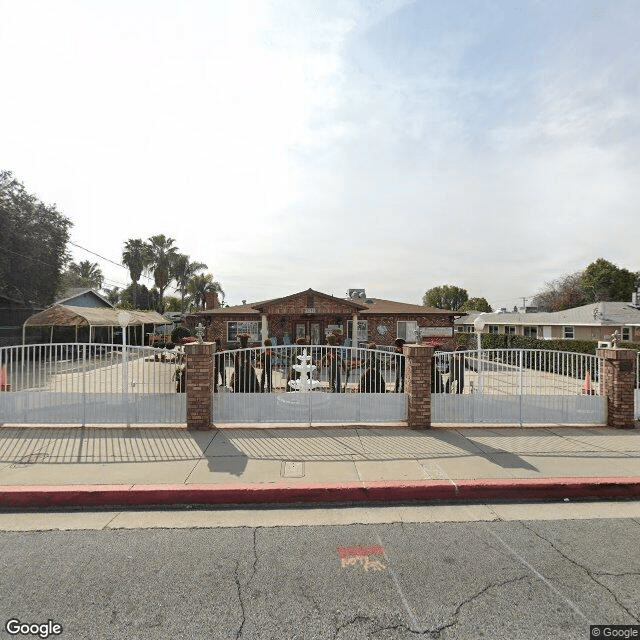
21020 E. Cienega Ave., Covina, CA 91724
To contact a resident: (626) 967-2868
For more information about senior living options: (866) 208-4318
El Descanso Costs & Pricing
El Descanso offers competitive rates in comparison to both Los Angeles County and the broader state of California. For semi-private rooms, El Descanso charges $2,500 per month, significantly lower than the county average of $3,349 and even more so compared to the state average of $3,333. The private room pricing is also attractive at $3,000, undercutting both Los Angeles County's rate of $4,197 and California's statewide average of $3,939. Additionally, their studio apartments are priced at $4,000 per month, which is slightly above the county's average of $4,172 but remains just ahead of the state average of $4,145. Overall, El Descanso provides a compelling option for those seeking quality living arrangements without incurring the higher costs typically associated with care facilities in this region.
| Floor plans | El Descanso | Los Angeles County | California |
|---|---|---|---|
| Semi-Private | $2,500 | $3,349 | $3,333 |
| Private | $3,000 | $4,197 | $3,939 |
| Studio | $4,000 | $4,172 | $4,145 |
Memory care communities with a similar price nearby
-
from -$200 / mo
Bronwyn Residential Care
$2,300 to $3,500 / month20.9 miles away -
About the same
Madison Home Care 2
$2,500 to $2,800 / month22.6 miles away -
from +$200 / mo
The Golden Years Guest Home
$2,700 to $3,500 / month24.5 miles away -
from +$300 / mo
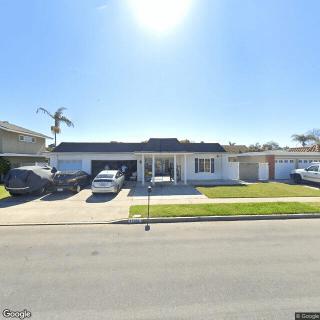
Columns Care Home
$2,800 to $3,800 / month23.4 miles away -
from +$300 / mo
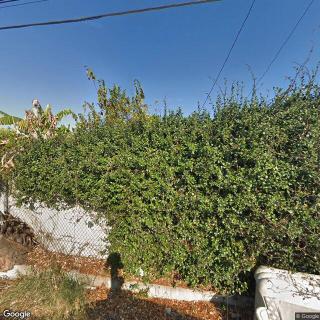
Golden Heart Manor
$2,800 to $9,000 / month21.8 miles away
Overall Review of El Descanso
Pros
 The home is wonderful and family-style.
- It is welcoming, and the staff are friendly and competent.
- They really care about their clients and staff.
- The place is always clean and smells of home cooking.
- The family is happy to have found this place for their dad.
Review
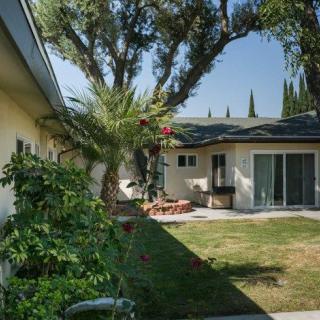
El Descanso in Covina, California is best suited for seniors who prize a warm, home-like atmosphere over a clinical, campus-scale experience. The community reads as a former family home kept up with care: intimate, welcoming, and driven by genuine relationships between residents and caregivers. It works especially well for those who are largely independent but need daily help with routines, reminders, and light medical oversight, all delivered with personal attention. Families seeking a low-stress transition where staff know residents’ histories and preferences will find the environment reassuring. Those who demand high-acuity medical care, comprehensive memory-unit programming, or a large array of on-site therapies should consider alternatives that offer more extensive clinical resources and specialized staffing.
The strongest advantages center on atmosphere and relationships. A family-style setting reduces the sense of institutional distance, helping residents settle in quickly and feel “at home.” Staff are described as friendly and competent, and the care philosophy conveys true concern for both clients and the people who support them. Cleanliness and orderly routines reinforce safety and dignity, while the aromas and cadence of home cooking contribute to comfort and appetite. In practice, this combination fosters a calm, predictable daily life that supports independence while minimizing stress for newcomers and their families.
That intimate scale translates into a level of personalized attention that larger facilities struggle to match. With fewer residents, staff can respond more promptly to requests and tailor routines to individual preferences. Families often report that feedback and adjustments to meals, activities, and daily schedules feel feasible and welcome, not burdensome. This translates into a practical, visible sense of continuity, residents are greeted by familiar faces, and daily rhythms align more closely with what they are used to at home. For seniors who dread the rigidity of big facilities, that flexibility is a meaningful offset to potential downsides.
If consideration turns toward alternatives, the primary red flags are clear: residents needing heavy medical nursing, advanced memory care, or a broad spectrum of on-site therapies may require a model with more robust clinical resources. Larger assisted living communities or dedicated memory-care campuses typically offer 24/7 nursing coverage, on-site physicians, and structured activity calendars that keep seniors engaged through a wider range of programs. For families evaluating long-term needs that may drift into higher care levels, interviewing options with memory units, rehab services, and more extensive transportation programs will be essential to avoid a later transition.
Despite the potential limitations, the pros at El Descanso offset most drawbacks for a broad slice of seniors and families. The home-like warmth, reliable cleanliness, and attentive staff create a sense of safety and belonging that is hard to reproduce in a more impersonal setting. When care plans are explained clearly and executed with consistency, anxiety about the transition diminishes, making it easier for residents to participate in meals and activities and maintain a sense of identity. The tradeoff, less medical infrastructure and fewer formal specialty units, loses its sting when comfort, dignity, and straightforward communication remain the guiding priorities.
For families actively evaluating options, a practical path is to schedule a visit with a checklist focused on human factors: observe how staff interact with residents across the day, ask about after-hours availability, review medication management procedures, and confirm opportunities for family involvement in meals and planning. Inquire about meal flexibility, daily schedules, and whether memory-support activities exist should memory decline emerge. Clarify emergency protocols and local healthcare partnerships to gauge how well El Descanso would integrate with a resident’s broader care network. If these elements align with what a loved one needs, comfort, personalized attention, and a smooth, respectful daily routine, El Descanso stands out as a compelling choice in the Covina area.
 Board and Care Home
 Memory Care
 Cats allowed
 Dogs allowed
 Private
 Ontario International (14 miles away)


 A Holistic Dementia Care Guide: Effective Strategies for Memory Support
 Memory Care Pathways: A Holistic Guide to Dementia Support
 Comprehending Evening Confusion in Dementia: Causes, Manifestations, and Support