
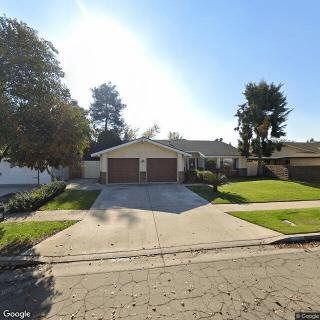
149 Oak Ave., Clovis, CA 93611
To contact a resident: (559) 325-3004
For more information about senior living options: (866) 208-4318
Mrs. Scott's Retirement Home Costs & Pricing
Mrs. Scott's Retirement Home offers competitive pricing for its residents, particularly when compared to the broader costs associated with similar facilities in Fresno County and across California. For a semi-private room, the monthly fee is set at $2,500, which is significantly lower than the county average of $2,991 and California's average of $3,333. Similarly, the cost for a private room at Mrs. Scott's is $3,000 - again more affordable than Fresno County's $3,589 and the state average of $3,939. This strategic pricing not only underscores Mrs. Scott's commitment to providing quality care but also positions her facility as an attractive option for families seeking both value and comfort in retirement living environments.
| Floor plans | Mrs. Scott's Retirement Home | Fresno County | California |
|---|---|---|---|
| Semi-Private | $2,500 | $2,991 | $3,333 |
| Private | $3,000 | $3,589 | $3,939 |
Memory care communities with a similar price nearby
-
from +$300 / mo
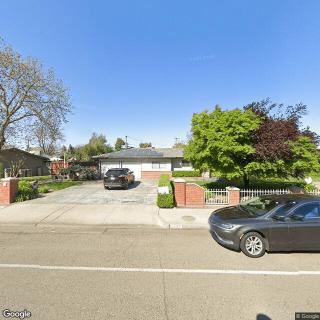
Chateau Jesadean
$2,800 / month5.3 miles away -
from +$100 / mo
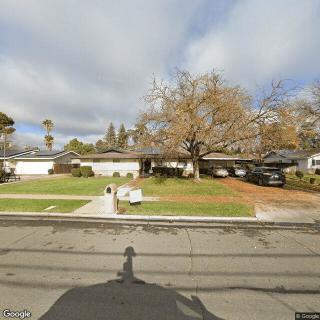
Northwest Villa
$2,600 / month5.5 miles away -
from +$300 / mo
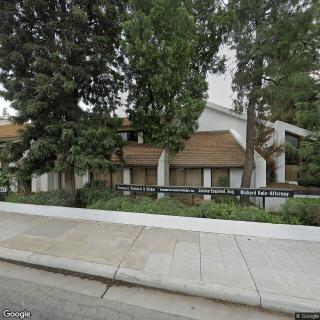
Evergreen Court
$2,800 / month6.4 miles away -
from +$300 / mo
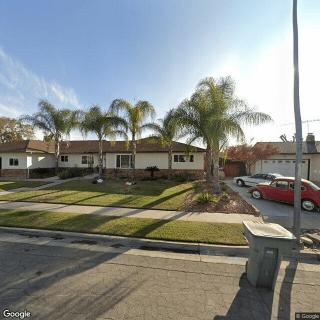
Cottage Pines Assisted Living
$2,800 to $4,259 / month3.5 miles away -
from +$300 / mo
Sunny Garden
$2,800 to $3,500 / month1.7 miles away
Overall Review of Mrs. Scott's Retirement Home
Pros
 The staff went above and beyond to provide care for my mom.
- The house was always clean and well kept.
- They even provided special items that I requested.
- The staff are as nice and attentive as could be.
- They were very kind and patient with my mom while she was there.
- The Mrs. Scott's new business owners love and care for the patients.
- Not only do they take care and make their patients comfortable and happy but the environment of the home is the perfect place for people.
- The cleanliness was really good.
Cons
 The review states it is definitely not the place to put a loved one.
- A patient was given two weeks to live, but rebounded, and the home allegedly increased rates afterward.
- The owner and administrator are described as aware of staffing issues and a lack of knowledge.
- Bed sores are attributed to a lack of turning patients.
- One staff member allegedly refused to change a patient’s diaper because she was on break.
- The home is said to have a maximum of six patients, with no excuse for the situations endured.
- The absolute worst review accuses them of being in it for the money and calls them unethical liars.
- One review notes that the staff sleep on site, leaving the patient unable to wake them for care.
Review
Mrs. Scott's Retirement Home in Clovis is best suited for families seeking a small, home-like environment where caregivers can form real relationships and tailor care to individual routines. The setting operates with a tight crew, often six residents at most, which allows staff to know preferences, adapt to requests, and keep the house clean and orderly. Several families highlight staff who go above and beyond, delivering personal touches and steady, patient attention. For those who prize warmth, respect, and everyday dignity over hospital-like amenities, this community delivers tangible value that larger facilities struggle to match.
Those considering alternatives should note that this home may not satisfy every need. Residents requiring consistent medical oversight, rapid response to emergencies, or sophisticated wound and medication management may find the arrangement insufficient. Reports of bed sores tied to turning lapses, a caregiver delaying a diaper change, and broader concerns about staffing and governance raise legitimate safety questions. Some reviews describe new ownership focusing on care but acknowledging ongoing staffing challenges, while others raise more troubling claims about ethics and abrupt rate increases. For families needing robust nursing intervention, 24/7 skilled care, or transparent governance, a larger, regulated facility may deliver greater security and predictability.
On the plus side, cleanliness, attentive staff, and a willingness to accommodate special items or preferences create a dignified daily experience. The intimate size enables caregivers to monitor subtle changes and adjust routines quickly, which matters when family presence cannot be constant. The strongest endorsements come from those who trusted the staff with intimate personal needs and who perceived genuine care and comfort for their loved ones. Yet the cons carry real weight: reported lapses in turning and early morning or on-break gaps in daily care, occasional concerns about staff oversight, and grievances about governance and pricing. The balance hinges on whether reliable staffing and consistent safety practices can be demonstrated and sustained in daily operations.
Prospective families should pursue a rigorous, proof-driven evaluation before committing. Demand an in-person meeting with most staff, a transparent look at current resident care plans, and a clear demonstration of daily routines. Confirm whether a licensed nurse is on site, how often medical professionals visit, and what escalation protocols exist for medical changes. Scrutinize turning procedures, wound care protocols, and how special-item requests are fulfilled. Request recent references from other families, verify licensing status, and check for any disciplinary history. Clarify the rate structure, expected increases, and which services are included versus billed separately to avoid later sticker shock.
Where memory care, complex dementia care, or high-acuity medical needs are present, this community may fall short. For families requiring formal oversight, comprehensive care coordination, or robust social programming, larger assisted living facilities with on-site medical staffing often prove more reliable. The “small-home” charm cannot compensate for sustained staffing gaps or governance concerns that undermine safety and trust. In short, the decision hinges on the resident’s care requirements and the family’s tolerance for risk versus warmth and personal attention.
Overall, Mrs. Scott's Retirement Home offers a compelling option for those who prize a warm, personalized environment and can tolerate the trade-offs inherent in a small-scale operation. The strongest case rests on watchful, caring staff and a clean, homelike atmosphere that can elevate daily life. The decisive caveat is reliability: staffing stability, transparent leadership, and unwavering safety practices must be verified during a visit. If those elements align, this community can be a strong fit; if not, exploring alternatives with deeper nursing oversight and formal governance merits serious consideration. An on-site evaluation is essential, with concrete questions about turning, wound care, and staff coverage guiding the final choice.
 Board and Care Home
 Memory Care
 Activities off-site
 Indoor common areas
 Outdoor common areas
 Private
 Respite or short term stays offered
 Wheelchair accessible showers
 Fresno Yosemite International (5 miles away)
 Ambulatory care
 Diabetic care
 High acuity care
 Kosher


 Comprehending Evening Confusion in Dementia: Causes, Manifestations, and Support
 Delirium and Dementia: Unraveling the Key Differences
 Are Dementia and Alzheimer's Disease Lethal? A Comprehensive Exploration