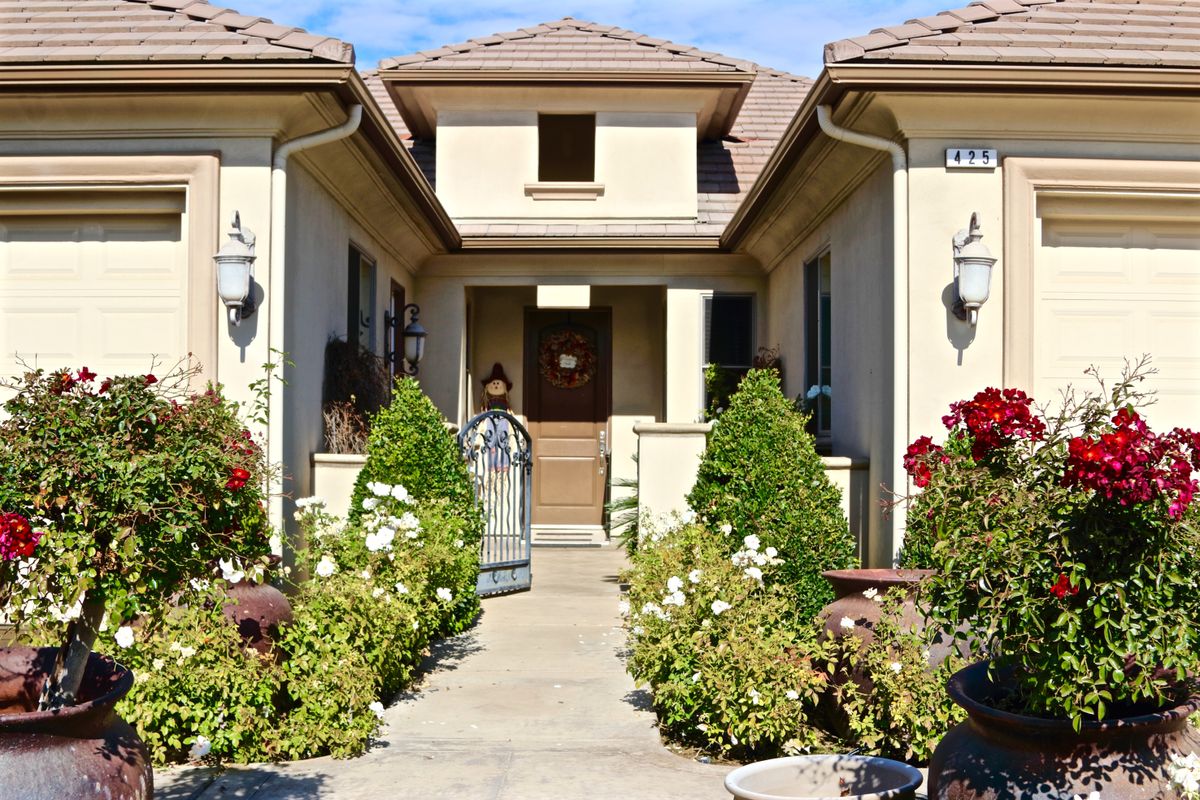
Mrs Scott's Where The Heart Is Homes-Yosemite in Clovis, CA

Save
Mrs Scott's Where The Heart Is Homes-Yosemite

Mrs Scott's Where The Heart Is Homes-Yosemite in Clovis, CA

425 West Kelly Avenue, Clovis, CA 93611

For more information about senior living options: (844) 490-3973

3.4 from 5 reviews
5 stars
3
4 stars
0
3 stars
0
2 stars
0
1 stars
2

Assisted Living Board and Care Home

Mrs Scott's Where The Heart Is Homes-Yosemite Costs & Pricing

At Mrs. Scott's Where The Heart Is Homes in Yosemite, the monthly cost for a private room is set at $4,700. This rate exceeds both the Fresno County average of $3,589 and the statewide average for California, which stands at $3,939. While this premium may reflect the unique setting and personalized care offered at Mrs. Scott's facility, it also highlights the growing demand for quality residential care options in this beautiful region. Potential residents and their families can weigh these costs against the tailored services and community atmosphere that Mrs. Scott's provides to determine if it aligns with their needs and expectations.

Floor plansMrs Scott's Where The Heart Is Homes-YosemiteFresno CountyCalifornia
Private$4,700$3,589$3,939

What level of care are you interested in?

Assisted Living

Memory Care

Independent Living

Skilled Nursing Facility

Continuing Care Retirement Community (CCRC)CCRC

Other


Request a tour at Mrs Scott's Where The Heart Is Homes-Yosemite

    Overall Review of Mrs Scott's Where The Heart Is Homes-Yosemite

    Pros

    • pro The staff went above and beyond to provide care for the mom.
    • pro The house was always clean and well kept.
    • pro Special items requested were provided.
    • pro The reviewer was very happy with the mom's care.
    • pro The staff were nice, attentive, and very kind and patient with the mom.
    • pro The new owners show love and care for the patients, making them comfortable and happy, with a home environment that is the perfect place for people.

    Cons

    • pro They say the facility is definitely not the place to put a loved one.
    • pro They claim a patient was given two weeks to live.
    • pro They report bed sores are caused by a lack of turning patients.
    • pro They note one staff member refused to change a patient's diaper because she was on break.
    • pro They say the home has a maximum of six patients and there is no excuse for the situations endured.
    • pro They accuse the staff of being in it for the money and of being unethical liars.
    • pro They claim the owner and administrator are aware of staffing issues and lack of knowledge.
    • pro They mention the home increased rates after the patient rebounded.

    Review

    This community is best suited for families that prize an intimate, home-like setting for a loved one who needs light to moderate assistance and thrives on highly personalized attention. With a small cohort, typically capped at six residents, the environment lends itself to hands-on caregiving, frequent warmth from staff, and a sense of immediate accountability. It works well when family members are able to participate in daily routines, oversee care plans closely, and expect a highly individualized touch. Those needing complex medical oversight, frequent wound care, or highly specialized monitoring should look elsewhere. This is not a fit for someone requiring constant professional medical intervention or highly structured clinical programming.

    The strongest positive revolves around the people delivering care. Multiple reviews highlight staff who are consistently kind, patient, and attentive, with an emphasis on going the extra mile to accommodate requests and make residents comfortable. The living space is described as clean, well-kept, and welcoming, reinforcing a sense of dignity for residents. Several accounts note that the current operators genuinely care and create a homelike atmosphere - an essential factor for families seeking emotional comfort and continuity of care in a setting that feels like home. The combination of a clean home environment and compassionate staff is a meaningful offset for residents who do not require advanced clinical services.

    Yet the most significant red flags arise from documented concerns about staffing reliability and care quality. Reviewers describe staffing gaps, knowledge shortfalls, and concrete safety issues such as bed sores believed to result from inconsistent turning and monitoring. There are vivid incidents cited - one caregiver allegedly refused a diaper change during a break - and frustration with perceived price increases tied to patient status rather than sustained care quality. The smaller size, while a strength for personalized attention, is also cited as a potential risk if staffing cannot be consistently maintained or if turnover disrupts continuity of care. A few remarks also raise ethical questions about the intent and transparency of the operation, coloring the overall impression with caution.

    These pros and cons must be weighed with sharp clarity: the warm, attentive care and homey atmosphere are strong comforts for residents with modest medical needs and where family involvement remains a priority. However, the credibility of care hinges on reliable staffing, consistent wound-prevention practices, and transparent pricing. When those elements are solid, the home-like setting can genuinely support comfort, dignity, and a sense of belonging. If any of the red flags - staffing gaps, turning routines, or sudden rate changes tied to clinical status - are a concern, the perceived safety net weakens and must be addressed before enrollment.

    Alternatives should be considered for residents with greater medical complexity or for families seeking more predictable oversight. Larger assisted living communities or facilities with dedicated wound-care programs, more robust 24/7 nursing presence, and clearly documented staffing ratios may be preferable for those with frequent medical needs or behavioral considerations. For residents approaching the need for skilled nursing care or memory care, options with licensed clinical teams and stronger administrative accountability become more compelling. In short, if medical acuity, consistent staffing, and transparent pricing are paramount, exploring other communities is warranted.

    Practical next steps solidify the decision. Initiate a candid visit focused on daily routines, caregiver assignments, and the turn-and-skin care protocol to verify safety practices and consistency. Request conversations with current residents' families and a tour of the kitchen, common areas, and bedrooms to assess cleanliness and warmth firsthand. Obtain a copy of the care plan for the resident, confirm staff-to-resident ratios, and review the contract for any rate escalators tied to improvements in a resident's condition. Above all, align the choice with the resident's needs: if the environment promises intimate, compassionate care and family oversight is feasible, this community can be a strong match; if not, the search should continue toward options with steadier clinical support and demonstrable reliability.

    Features

    Housing

    • 6 resident community capacity 6 resident community capacity

    Types of Care

    • Assisted Living Assisted LivingAssisted living facilities provide crucial support and care for seniors who may need help with daily tasks such as medication management, bathing, and meal preparation. These communities offer a safe and comfortable environment where seniors can maintain their independence while receiving the assistance they need to thrive in their golden years.
    • Board and Care Home Board and Care HomeBoard and care homes provide a smaller, more intimate setting for seniors who require assistance with daily tasks but do not need the level of care offered by a nursing home. They offer personalized care, meals, and social activities in a homelike environment, ensuring that seniors receive individualized attention and support in their golden years.

    Amenities

    • Cable or satellite TV Cable or satellite TVCable or satellite TV is important for seniors because it provides entertainment, news, and companionship, helping to combat loneliness and boredom. It also offers a wide range of programming options tailored to different interests and preferences.
    • Dining room Dining roomDining rooms are important for seniors as they provide a space for socialization, connection, and nutritious meals. They offer opportunities for residents to bond over shared meals, foster a sense of community, and promote healthy eating habits. Dining rooms also ensure that seniors have access to well-balanced meals tailored to their dietary needs and preferences.
    • Fully furnished Fully furnishedFully furnished senior living communities are important for seniors because they provide convenience, comfort, and a hassle-free moving experience. Seniors can easily settle into their new living space without the stress of having to buy and move furniture. This allows them to focus on enjoying their new home and community.
    • Garden GardenGardens are important for seniors as they provide a peaceful and therapeutic environment for relaxation, physical activity, and socialization. Being in nature has been shown to reduce stress, improve mood, and promote overall well-being. Gardens also offer opportunities for seniors to engage in gardening activities, which can improve mobility, flexibility, and cognitive function. Additionally, gardens create a sense of community and connection with others who share a passion for plants and outdoor spaces.
    • Housekeeping services Housekeeping servicesHousekeeping services are important for seniors because they help maintain a clean and safe living environment, promote independence, and reduce the risk of accidents or illnesses. Additionally, having assistance with household chores can alleviate physical strain and allow seniors to focus on other aspects of their well-being.
    • Move-in coordination Move-in coordinationMove-in coordination is important for seniors because it helps ease the transition into their new living environment. It ensures that all logistics, such as packing, organizing movers, and setting up utilities are taken care of, allowing seniors to focus on settling in and adjusting to their new home. Having a smooth move-in process can alleviate stress and anxiety, making the transition smoother and more enjoyable for seniors.
    • Outdoor space Outdoor spaceOutdoor spaces are important for seniors as they provide opportunities for physical activity, social interaction, exposure to natural light and fresh air, and a sense of connection to nature. Having access to outdoor spaces can improve overall well-being and quality of life for older adults living in senior communities.
    • Telephone TelephoneTelephones are important for seniors as they provide a lifeline for communication with loved ones, emergency services, and healthcare providers. They offer a sense of security and independence, enabling seniors to stay connected and access assistance when needed.
    • Wi-Fi/high-speed internet available Wi-Fi/high-speed internet availableWi-Fi/high-speed internet is important for seniors to stay connected with loved ones, access online resources, and participate in virtual activities to combat feelings of loneliness and isolation. It also allows them to easily manage healthcare needs, access entertainment, and engage in lifelong learning opportunities.

    Transportation

    • Fresno Yosemite International (5 miles away) Fresno Yosemite International (5 miles away)

    Care Services

    • 24-hour supervision 24-hour supervision24-hour supervision is important for seniors to ensure their safety, well-being, and access to immediate assistance in case of emergencies or health issues. This constant support provides peace of mind for both seniors and their loved ones, allowing them to age in place with dignity and security.
    • Activities of daily living assistance Activities of daily living assistanceActivities of daily living assistance are important for seniors because they provide essential support with tasks such as eating, bathing, dressing, and mobility. This assistance helps seniors maintain their independence, dignity, and overall quality of life as they age.
    • Assistance with bathing Assistance with bathingAssistance with bathing is crucial for seniors as it helps maintain personal hygiene, prevents infections, and ensures their overall well-being and comfort. It also provides a sense of dignity and independence for seniors who may struggle with this task on their own.
    • Assistance with dressing Assistance with dressingAssistance with dressing is important for seniors because it helps maintain their independence, promotes personal hygiene, prevents accidents and injuries, and improves overall quality of life. This service ensures that seniors can continue to dress comfortably and confidently, despite any physical limitations they may have.
    • Assistance with transfers Assistance with transfersAssistance with transfers is crucial for seniors as it helps prevent falls and injuries, maintains their independence, and ensures they can safely navigate their living environment. It also provides peace of mind for both seniors and their loved ones.
    • Coordination with health care providers Coordination with health care providersCoordination with health care providers is crucial for seniors to ensure proper medical care, medication management, and overall well-being. This collaboration helps prevent overlapping treatments, track progress more effectively, and provide comprehensive support tailored to individual needs.
    • Diabetes diet Diabetes dietA diabetes diet is crucial for seniors as it helps manage blood sugar levels, reduce risks of complications, and improve overall health and well-being. By following a balanced and nutritious diet tailored to their specific needs, seniors can better control their diabetes and enhance their quality of life.
    • Meal preparation and service Meal preparation and serviceMeal preparation and service are crucial for seniors as they may have limited mobility or energy to cook nutritious meals. Having access to healthy and convenient food options can ensure they are getting the proper nutrition needed to maintain their overall health and well-being.
    • Medication management Medication managementMedication management is crucial for seniors to ensure they are taking the right medications at the correct dosages and times. This helps prevent adverse drug interactions, reduces the risk of medication errors, and promotes overall health and well-being. Proactive management also allows for adjustments as needed based on changing health conditions or new prescriptions.
    • Special dietary restrictions Special dietary restrictionsSpecial dietary restrictions are important for seniors because age-related changes in metabolism and health conditions can make it difficult for their bodies to process certain foods. By following a diet tailored to their specific needs, seniors can maintain their overall health and well-being, manage chronic conditions, and reduce the risk of complications such as malnutrition or food interactions with medications.
    • Transportation arrangement (medical) Transportation arrangement (medical)Transportation arrangements for medical purposes are essential for seniors as they may have difficulty driving themselves to appointments or accessing public transportation. Having reliable and safe transportation options ensures that seniors can receive timely medical care and maintain their health and well-being.
    • Transportation to doctors appointments Transportation to doctors appointmentsTransportation to doctors' appointments is crucial for seniors as it ensures they have access to necessary medical care and support for their health needs. Without reliable transportation, seniors may struggle to attend important appointments, leading to potential delays in treatment and health complications. Providing transportation services helps seniors maintain their overall well-being and quality of life.
    Dining

    • Diabetes diet Diabetes dietA diabetes diet is crucial for seniors as it helps manage blood sugar levels, reduce risks of complications, and improve overall health and well-being. By following a balanced and nutritious diet tailored to their specific needs, seniors can better control their diabetes and enhance their quality of life.
    • Special dietary restrictions Special dietary restrictionsSpecial dietary restrictions are important for seniors because age-related changes in metabolism and health conditions can make it difficult for their bodies to process certain foods. By following a diet tailored to their specific needs, seniors can maintain their overall health and well-being, manage chronic conditions, and reduce the risk of complications such as malnutrition or food interactions with medications.

    Activities

    • Community-sponsored activities Community-sponsored activitiesCommunity-sponsored activities are important for seniors as they provide opportunities for social interaction, mental stimulation, and physical activity. These activities can help improve overall well-being, combat loneliness and isolation, and promote a sense of belonging and purpose among older adults.
    • Scheduled daily activities Scheduled daily activitiesScheduled daily activities are important for seniors because they provide structure, socialization, mental stimulation, and physical activity. Engaging in regular activities can improve overall well-being and quality of life for seniors living in a community setting.

    Description

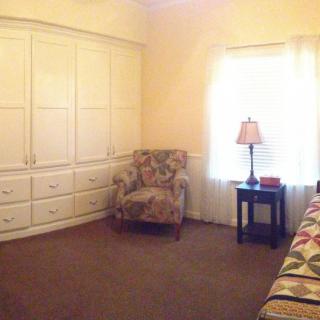
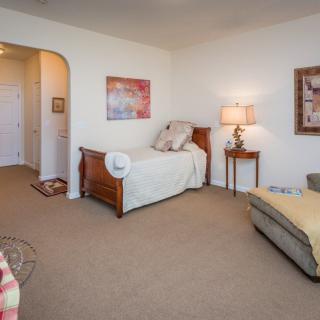
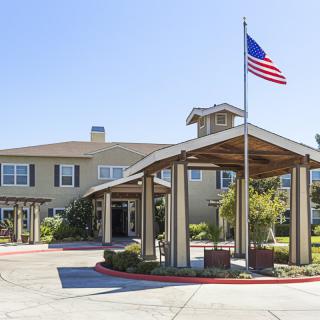
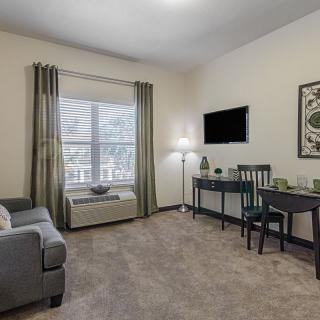
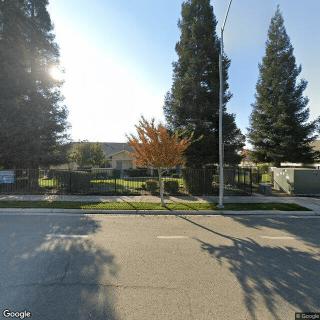
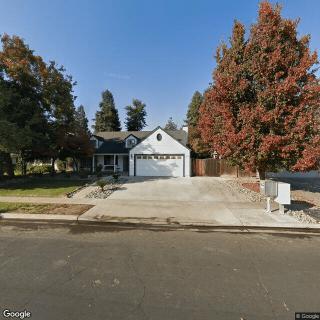
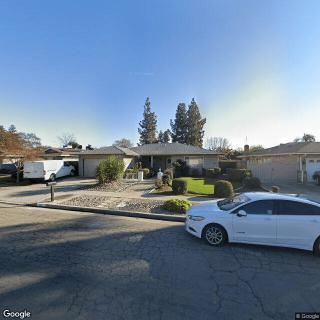
    Welcome to Mrs. Scott's Where The Heart Is Homes-Yosemite, a warm and inviting board and care home located in the charming community of Clovis, CA. Our facility is designed to provide a comfortable and nurturing environment for residents who require assistance with daily living activities while enjoying their independence.

    At Mrs. Scott's, we prioritize the well-being of our residents through personalized care services tailored to individual needs. Our dedicated staff offers support with activities of daily living, including bathing, dressing, and transfers, ensuring that each resident receives the attention they deserve. We also coordinate with healthcare providers to manage medication and dietary requirements effectively, including special diets such as diabetes care.

    Our home features a range of amenities designed to enhance the quality of life for our residents. Enjoy delicious meals prepared in our dining room or relax in our fully furnished outdoor space surrounded by beautiful gardens. Housekeeping services are provided to ensure a clean and comfortable atmosphere, while Wi-Fi/high-speed internet access keeps residents connected to family and friends.

    We take pride in offering scheduled daily activities that promote engagement, socialization, and overall well-being. Whether it's enjoying a leisurely stroll through our garden or participating in group events, there is always something happening at Mrs. Scott's.

    Conveniently located near various amenities, including cafes, parks, pharmacies, physicians' offices, restaurants, places of worship, theaters, and hospitals, all within close proximity, our community offers residents easy access to everything they need.

    Discover compassionate care and a vibrant community at Mrs. Scott's Where The Heart Is Homes-Yosemite, a place where your loved ones can truly feel at home.

    Nearby Places of Interest

    Parks

    • Railroad Park (0.2 miles)
    • Cottonwood Park & Dog Run (1 miles)
    • Woodward Park (3 miles)

    Restaurants

    • Antonio's Mex-Express (0.4 miles)
    • Farmer Boys (0.5 miles)
    • McDonald's (0.8 miles)
    • In-N-Out Burger (1.2 miles)
    • Four Seasons Chinese Restaurant (1.2 miles)
    • McDonald's (1.3 miles)
    • Denny's (1.4 miles)

    Physicians

    • Peachwood Pediatrics (0.4 miles)
    • Pathology Associates (0.7 miles)
    • Greg Copeland, DO (1 miles)
    • Fresno Dermatology Specialists (1 miles)
    • Community Medical Providers Medical Group (1 miles)
    • Peters and Kroeker, Obstetrics and Gynecology (1.1 miles)
    • California Rheumatology & Wellness (1.3 miles)

    Places of Worship

    • New Harvest Church (0.5 miles)
    • First Baptist Church Of Clovis (2.5 miles)
    • St Paul Newman Center (2.8 miles)

    Pharmacies

    • CVS Pharmacy (0.6 miles)
    • Save Mart Supermarkets (0.7 miles)
    • Pharmacy (1.4 miles)
    • CVS Pharmacy (1.7 miles)
    • Walgreens (1.9 miles)
    • Cedar Pharmacy & Medical Supplies (2 miles)
    • Immediate Care Pharmacy (2 miles)

    Hospitals

    • Sante Health Systems (0.9 miles)
    • Kaiser Permanente Health Care (2.4 miles)
    • Saint Agnes Medical Center (2.5 miles)

    Cafes

    • Kuppa Joy Coffee House (1.7 miles)
    • Dutch Bros Coffee (2.1 miles)
    • Starbucks (2.2 miles)
    • Collect Coffee Bar (2.2 miles)
    • Panera Bread (2.9 miles)
    • Dutch Bros Coffee (3.1 miles)

    Theaters

    • Maya Cinemas Fresno 16 (2.2 miles)

    Frequently Asked Questions

    How much does it cost to live at Mrs Scott's Where The Heart Is Homes-Yosemite in Clovis, CA?
    Where is Mrs Scott's Where The Heart Is Homes-Yosemite?

    Nearby Communities

    • Willow Creek Healthcare Center

      Willow Creek Healthcare Center

      Clovis, CA

      4.1 from 117 reviews
       

      pro Some dedicated, compassionate staff with potential for positive rehab progress.

    • Truewood by Merrill,  Clovis

      Truewood by Merrill, Clovis

      Clovis, CA

      4.2 from 105 reviews
      $2,600 to $4,300 / month

      pro Caring, responsive staff; clean facilities; engaging activities and proactive family communication.

    • Truewood By Merrill, Clovis

      Truewood By Merrill, Clovis

      Clovis, CA

      4 from 30 reviews
       

      pro Comprehensive care options with 24/7 safety, memory-care programming, and restaurant-style dining.

    • Apricot Mornings Residential Living II

      Apricot Mornings Residential Living II

      Clovis, CA


      pro Small 6-resident, home-like setting with comprehensive ADL support, meals, move-in coordination, and transportation to medical appointments.

    • Harmony Bay

      Harmony Bay

      Clovis, CA

      4.3 from 31 reviews
      $970 to $1,095 / month

      pro Friendly staff; safe gated community with activities.

    • Clovis Quality Care II

      Clovis Quality Care II

      Clovis, CA

      5 from 2 reviews
      $3,000 to $3,500 / month

      pro Cozy, fully furnished setting with diabetes care and meal support.

    • Fresno Guest Home VI

      Fresno Guest Home VI

      Fresno, CA

      4.6 from 19 reviews
      $2,800 / month

      pro Affordable private-room option with extensive nearby amenities.

    • Carmel Village at Clovis Senior Living

      Carmel Village at Clovis Senior Living

      Clovis, CA

      4.6 from 59 reviews
      $3,395 to $4,800 / month

      pro Caring, professional staff in a clean, safe setting with engaging activities and strong memory-care features.

    • The Terraces at San Joaquin Gardens a CCRC

      The Terraces at San Joaquin Gardens a CCRC

      Fresno, CA

      4.4 from 87 reviews
      $2,592 to $3,516 / month

      pro Caring staff and a strong continuing-care model with diverse dining and activities.

    Related Resources

    • assisted living activitiesBeyond the Bingo Hall: 50+ Enriching Activities for Seniors in Assisted Living

      Assisted living communities offer diverse activities beyond traditional games to enhance seniors' physical health, cognitive well-being, emotional enrichment, and social connections, including fitness classes, creative expression, and intergenerational interactions. These enriching programs foster community bonds and support residents' independence and happiness.

    • assisted living vs memory careUnderstanding the Distinctions: Assisted Living and Memory Care Explained

      The article differentiates between assisted living and memory care, explaining that assisted living supports seniors with daily activities while promoting independence, whereas memory care provides specialized services for individuals with dementia, focusing on secure environments and cognitive support. It also addresses staff training, safety considerations, costs, family involvement, and transition strategies for families navigating these care options.

    • elderly parent refuses assisted livingGuiding Elderly Parents Who Refuse Assisted Living: 6 Practical Steps

      Family caregivers face emotional, legal, and practical challenges when elderly parents refuse assisted living, often due to fears of losing autonomy. Open conversations and professional assessments can help address these concerns while exploring alternatives and ensuring safety, potentially leading to legal guardianship if necessary.


    Get Pricing Ask A Question Schedule A Tour Contact Senior Advisor