

944 North Chapel Hill, Clovis, CA 93611
For more information about senior living options: (866) 208-4318
Clovis Quality Care II Costs & Pricing
Clovis Quality Care II presents competitive pricing for its residential care services, particularly when compared to both Fresno County and the broader California market. For a semi-private room, residents incur a monthly fee of $3,000, which is slightly above the county average of $2,991 but considerably lower than the state average of $3,333. In contrast, the facility's private room rate stands at $3,500 - more affordable than the county's average of $3,589 and notably below the state's average of $3,939. This positioning reflects Clovis Quality Care II's commitment to providing quality care while offering value to its residents within the local landscape.
| Floor plans | Clovis Quality Care II | Fresno County | California |
|---|---|---|---|
| Semi-Private | $3,000 | $2,991 | $3,333 |
| Private | $3,500 | $3,589 | $3,939 |
Assisted Living communities with a similar price nearby
-
from -$400 / mo
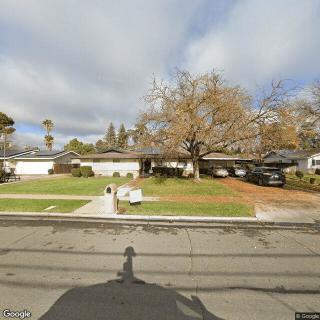
Northwest Villa
$2,600 / month4.7 miles away -
About the same
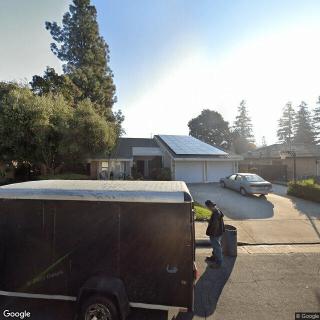
Bella Care Home
$3,000 to $5,500 / month1.6 miles away -
from +$200 / mo
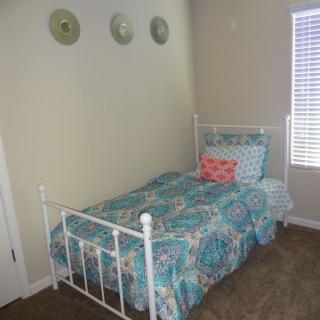
Blossom Creeks Assisted Living
$3,200 to $3,800 / month8.8 miles away -
from +$500 / mo
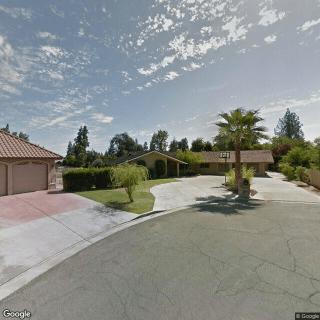
New Light Residential Care Facility for the Elderly
$3,500 to $3,800 / month5.3 miles away -
from +$300 / mo

Nazareth House
$3,300 / month6.0 miles away
Overall Review of Clovis Quality Care II
Pros
 It is a wonderful place for a loved one who can no longer be at home.
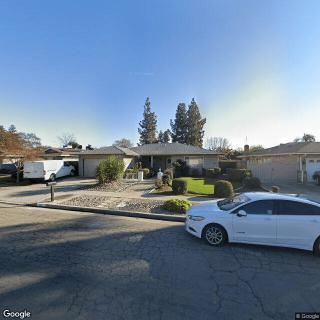
- It is a beautiful, well-kept home in a nice neighborhood.
- The owner/administrator is caring and amazing at guiding families through this difficult transition.
- She is beside her staff in scrubs, caring for the loved one.
- Clovis Quality Care is highly recommended for compassionate, round-the-clock care of a loved one.
Review
Best suited for families seeking a genuinely homelike, intimate setting for a loved one who can no longer manage living independently, Clovis Quality Care II delivers comfort through leadership that feels personal. Nestled in a quiet Clovis neighborhood, the well-kept house radiates calm and safety rather than institutional formality. The standout factor is the owner-operator: described as exceptionally caring, she walks families through the transitional moment and remains visibly engaged alongside staff, ensuring that daily care is steady, attentive, and highly hands-on.
Those who should consider alternatives are families facing higher medical needs or memory-care requirements, or those seeking a wide array of on-site services and program variety. A larger community with formal nursing hours, therapists, and a robust calendar could be more appropriate for residents who require frequent medical interventions, specialized cognitive care, or more extensive social programming. In short, the warmth of a small home comes with tradeoffs in clinical capacity and scale that may not fit every situation.
From the available feedback, the strongest positives are a beautiful, well-kept home in a nice neighborhood and a caregiving team that delivers around-the-clock, compassionate attention. The owner’s hands-on involvement, standing with the staff and guiding families through transitions, creates consistency and trust that can offset the absence of a larger, hospital-like setting. That personal leadership often translates into quicker problem resolution, a steadier routine, and easier adaptation for a loved one who feels overwhelmed by change. However, the small scale may limit access to on-site specialists, advanced therapies, or extensive activity programming. The practical result is a workable balance: genuine warmth and daily reliability can outweigh the absence of broader institutional amenities for many families.
Smart questions for visits focus on care scope and daily rhythm: who provides medications and how often? What professional oversight exists (RN on site, visiting therapist, etc.)? How are meals handled and dietary needs accommodated? What does a typical day look like in terms of activities, exercise, and social contact? How are emergencies managed after hours? While the reviews highlight “compassionate around-the-clock care,” verifying staffing patterns and the ability to meet specific needs will ground expectations and prevent mismatches between what is promised and what is delivered.
Decision framework centers on priorities. If the goal is a smooth, familial transition into assisted living with a trusted, visible owner guiding the way, Clovis Quality Care II offers a compelling match. The strength lies in reliability, warmth, and a homelike environment that can reduce the stress of moving from home. If medicine management, memory-care specifics, or highly structured programming are non-negotiables, it pays to compare options to ensure those capabilities exist and are sustainable in the setting.
Bottom line: for families prioritizing intimate, attentive care within a home atmosphere, this community delivers care that demonstrates strong satisfaction in the available reviews. The caveat is to confirm that the care level aligns with the resident’s medical needs and activity desires, since scale and scope differ from larger facilities. A thoughtful visit, direct conversations with the owner, and a clear plan for contingencies will determine whether Clovis Quality Care II is the optimal fit or if alternatives should be pursued.
 7 resident community capacity
 Assisted Living
 Board and Care Home
 Cable or satellite TV
 Dining room
 Fully furnished
 Garden
 Housekeeping services
 Move-in coordination
 Outdoor space
 Private
 Telephone
 Wi-Fi/high-speed internet available
 Fresno Yosemite International (5 miles away)
 24-hour supervision
 Activities of daily living assistance
 Assistance with bathing
 Assistance with dressing
 Assistance with transfers
 Diabetes diet
 Diabetic care
 Meal preparation and service
 Medication management
 Special dietary restrictions
 Transportation arrangement (medical)
 Transportation to doctors appointments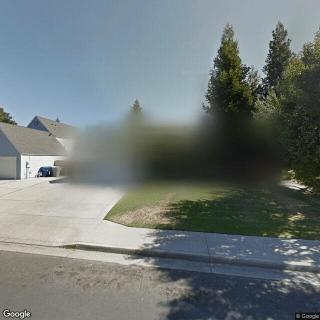



 Vibrant Senior Living: A Comprehensive Guide for Active Older Adults
 When to Transition from Assisted Living to Memory Care: Key Indicators, Steps, and Finding the Right Community
 Assisted Living and Memory Care: Understanding Their Core Differences