
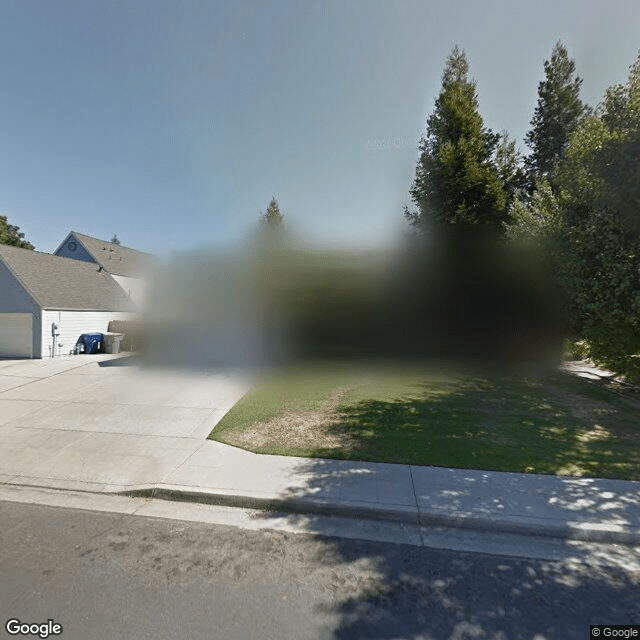
552 West El Paso Avenue, Clovis, CA 93611
To contact a resident: (559) 285-5974
For more information about senior living options: (866) 208-4318
Clovis Quality Care Costs & Pricing
Clovis Quality Care offers competitive pricing for its residents, with costs structured to provide options for different preferences. For a semi-private room, the monthly rate is set at $3,000, which is slightly above the Fresno County average of $2,991 but remains more affordable compared to the broader California state average of $3,333. In terms of private accommodations, Clovis Quality Care charges $3,500 per month; this is notably lower than the state average of $3,939 and just under the Fresno County average of $3,589. Overall, Clovis Quality Care provides a balanced approach to pricing that reflects both quality service and consideration for residents' financial needs.
| Floor plans | Clovis Quality Care | Fresno County | California |
|---|---|---|---|
| Semi-Private | $3,000 | $2,991 | $3,333 |
| Private | $3,500 | $3,589 | $3,939 |
Senior living communities with a similar price nearby
-
from -$200 / mo
Chateau Jesadean
$2,800 / month4.6 miles away -
from -$400 / mo
Northwest Villa
$2,600 / month4.8 miles away -
About the same
Bella Care Home
$3,000 to $5,500 / month1.7 miles away -
from +$200 / mo
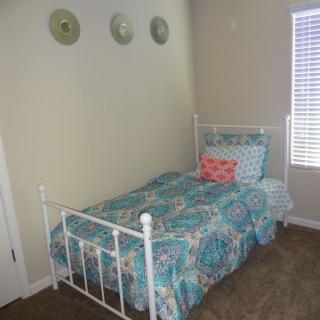
Blossom Creeks Assisted Living
$3,200 to $3,800 / month8.8 miles away -
from +$500 / mo
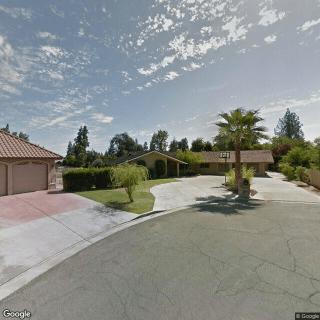
New Light Residential Care Facility for the Elderly
$3,500 to $3,800 / month5.5 miles away
Overall Review of Clovis Quality Care
Pros
 It is a wonderful place for a loved one who can no longer be at home.
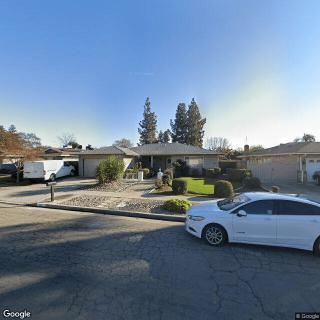
 - It is a beautiful, well-kept home in a nice neighborhood.
- The owner/administrator is caring and amazing at guiding families through this difficult transition.
- She is beside her staff with scrubs on, caring for the loved one.
- Clovis Quality Care provides compassionate round-the-clock care for loved ones.
Review
Clovis Quality Care is best suited for families seeking a warm, home-like setting for a loved one who can no longer live independently but does not require intensive medical hospital-level oversight. The community presents as a well-kept, inviting residence in a pleasant Clovis neighborhood, clearly designed around personal attention and daily reassurance. The atmosphere favors continuity, familiarity, and a caregiver team that acts with visible warmth. For seniors who value a domestic feel, regular presence from caregivers, and a hands-on administrator who stays close to the floor, this option aligns well with those priorities.
Those weighing alternatives should consider whether higher levels of medical supervision, memory-care programming, or larger-scale amenities are essential. If a loved one requires frequent on-site nursing, specialized dementia care, extensive rehabilitative services, or highly structured group activities with broad staffing, a bigger facility may offer more of those features. Families who prefer a more institutional or menu-driven care model, or who anticipate rapid escalation to advanced medical management, ought to explore other options. In short, this community excels in intimacy and attentiveness, but may not be the best fit for scenarios demanding extensive clinical capability.
The strongest advantages are the tangible, day-to-day benefits that color every interaction. The home is described as beautiful and well maintained, signaling a stable living environment where safety and comfort are evident. The standout asset is the owner/administrator, who is portrayed as deeply caring and actively involved in guiding families through the transition. Her presence beside the staff, with scrubs on and ready to support, reinforces a culture of accountability and responsiveness. This combination, hands-on leadership paired with consistently engaged caregivers, helps minimize the emotional burden of relocation and fosters trust for both residents and families.
Equally important is the staff dynamic. The reviews convey a cohesive team approach where caregivers are part of the daily fabric of the home, not hidden behind a checklist of duties. The proximity of leadership to the caregiving crew translates into smoother communication, quicker issue resolution, and a sense that needs are heard in real time. For families that place a premium on steady routines, routine checks, and a visible, approachable care team, these elements substantially offset the anxiety that accompanies assisted living transitions. In such a setting, the consistency of the caregiving presence often becomes the defining factor in overall satisfaction.
Even so, prudent decision-making demands acknowledging potential tradeoffs. A small, home-style setting typically prioritizes intimate contact, which can come at the expense of breadth in services compared with larger campuses. While round-the-clock care is emphasized, families should verify the scope of medical support, the availability of visiting specialists, and how emergencies are handled when the residentā€™s needs escalate. It is wise to confirm dining choices, activity calendars, transportation arrangements, and whether memory-care or mobility aids are readily available on-site. Understanding staffing ratios, schedule predictability, and partnerships with outside health providers helps ensure the fit remains strong as needs evolve.
Ultimately, this community rises to the challenge for families who want a neighborly, responsive atmosphere where care feels personal and continuous. Its core strengths, an inviting, well-maintained home, a dedicated owner who guides families with compassion, and a consistently engaged caregiving staff, build trust and reduce the sense of upheaval that accompanies moving into assisted living. For decision-makers prioritizing warmth, dependable oversight, and a seamless transition experience, Clovis Quality Care stands out. Those who require broader medical infrastructure or specialized memory-care programming should assess alternatives with a focus on clinical depth and program variety, ensuring the chosen setting aligns with both current needs and the trajectory of care in the months ahead.
 Board and Care Home
 Private
 Fresno Yosemite International (5 miles away)
 Diabetic care
 High acuity care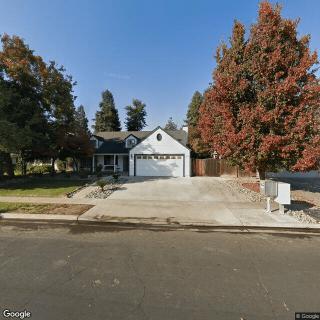

 Supportive Employee Benefits That Help Caregivers Attain Better Work-Life Harmony
 Top Cars for Senior Drivers and Essential Safety Innovations
 A Closer Look at Private Pay Home Care