
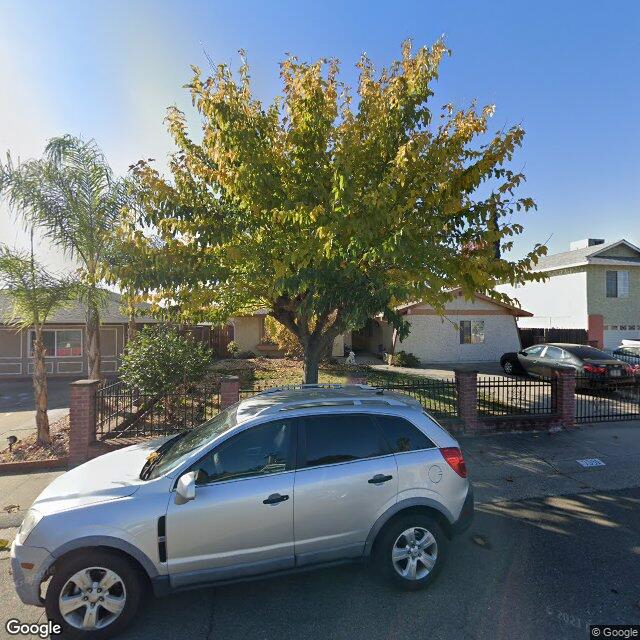
7551 Stoneridge Way, Citrus Heights, CA 95621
To contact a resident: (916) 721-7401
For more information about senior living options: (866) 208-4318
Agape Home Care I Costs & Pricing
Agape Home Care I offers competitive pricing for its private rooms, charging $1,800 per month. This cost stands in stark contrast to the average rates in Sacramento County, which are approximately $3,686, and even more so when compared to the broader California state average of $3,939. Such a significant difference not only highlights Agape Home Care I's commitment to affordability but also positions it as an attractive option for those seeking quality care without the financial strain typically associated with senior living arrangements in the region. This pricing strategy may appeal particularly to families looking for value-driven choices in long-term care solutions while ensuring that their loved ones receive the support they need.
| Floor plans | Agape Home Care I | Sacramento County | California |
|---|---|---|---|
| Private | $1,800 | $3,686 | $3,939 |
Memory care communities with a similar price nearby
-
from +$100 / mo
Bloomfield Hills Assisted Living
$1,900 to $2,400 / month1.4 miles away -
About the same
Ciric Care Home
$1,800 to $2,800 / month11.3 miles away -
from -$200 / mo
Gormley's Retirement Home
$1,600 to $2,400 / month20.2 miles away -
from +$195 / mo
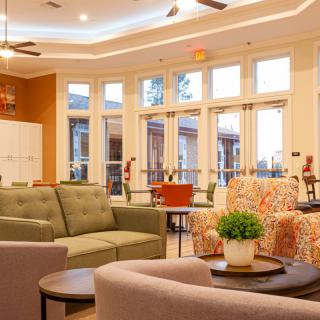
Blissful Gardens
$1,995 to $3,500 / month20.0 miles away -
from +$195 / mo
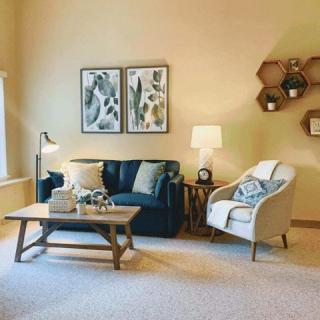
Carlton Senior Living Sacramento Enhanced Assisted Living
$1,995 to $3,695 / month9.4 miles away
Overall Review of Agape Home Care I
Pros
 Agape Care Home is regarded as the best for caring for a loved one.
- It offers a family setting with love and personalized attention on an individual basis.
- The care feels like residents become part of the home’s family.
- The staff are compassionate, loving, and kind, sharing their hearts with residents and their families.
- The home is held in high regard by families who trust the care provided.
- The care for residents with Alzheimer’s is thorough and loving, bringing happiness to families.
- Families are kept apprised of any new situations or needs, with quick responses.
- Visitors are welcome anytime, with respect for family time.
- It is highly recommended, with confidence that loved ones will receive the best possible care.
Cons
Review
Agape Home Care I in Citrus Heights is best suited for families seeking a truly home-like, intimate care experience where every resident receives highly personalized attention and becomes part of a caring inner circle. This community excels for seniors who thrive on warmth, consistent communication, and a sense that caregivers know them well and treat them with genuine kindness. It is particularly appealing for families dealing with memory-impairment transitions, where loved ones benefit from a soothing, family-centered atmosphere, regular updates, and open invitation for visits. The emotional fabric of the place, an environment that feels more like a family home than a traditional facility, creates a steady, reassuring backdrop for daily living.
That said, some families will want to consider alternatives. If a resident requires robust clinical oversight beyond what a small, intimate home can reliably provide, or if a structured daily program with a full calendar of activities is essential, larger assisted living communities or dedicated memory-care campuses may be a better fit. For those who need comprehensive on-site medical services, frequent nurse staffing, or highly formalized care plans with rapid escalation protocols, the available review material does not specify the degree of clinical depth. Prospective families should verify these elements directly and honestly against the resident’s medical needs and risk profile.
The strongest pros are centered on personalized care, family-involved operations, and responsive communication. Residents are treated with individualized attention that makes them feel seen and valued, with staff who are described as compassionate, loving, and part of the extended family. The care appears thorough and attentive, especially for a resident whose cognitive health is in decline, where the caregiver relationship can directly influence mood, comfort, and day-to-day cooperation. Crucially, family members report being kept well informed about new issues and needs, and they are encouraged, explicitly, to visit whenever possible. That level of accessibility and transparency becomes a practical counterweight to any absence of formal clinical trappings.
However, the limited public evidence on clinical infrastructure is a real consideration. The reviews do not spell out staff-to-resident ratios, the availability of licensed nursing coverage around the clock, or the scope of medical services on site. In a setting that prioritizes warmth and family time, there is a natural trade-off: the same intimate atmosphere can equate to fewer on-site resources, fewer structured activities, and less formalized medical oversight than larger facilities. For families prioritizing highly predictable clinical management, conservative safety protocols, or a calendar packed with diversified programming, these gaps could loom larger, potentially requiring supplementary outside services or more frequent transitions between settings.
To make a sound placement decision, verify several practical factors before committing. Confirm licensing status and the stability of direct caregiver staffing, including whether an on-site clinician is available for routine questions or urgent needs. Clarify care planning processes, including dementia-specific strategies, daily routines, medication handling, and a clear escalation path for health changes. Inquire about visiting policies, family involvement in care planning, and how updates are delivered (frequency, format, and who communicates). Finally, obtain a transparent price structure, including what is included, what incurs additional charges, and the terms for changes in care level or residency status.
Ultimately, Agape Home Care I serves as a compelling choice for families who prize a nurturing, family-forward environment where a resident with memory impairment can feel consistently cared for and emotionally supported. If the priority is to maximize intimate attention, be welcomed into a close-knit caregiving circle, and maintain open, continuous family communication, this community delivers with notable conviction. For those whose needs extend into robust clinical oversight, structured programming, or more extensive on-site medical services, it pays to explore alternatives and compare how much those elements are worth relative to the exceptional emotional safety offered here. In any case, a direct visit, guided by questions about staffing, medical capabilities, and day-to-day routines, will reveal whether the balance aligns with the loved one’s priorities and health requirements.
 Board and Care Home
 Memory Care
 Private
 Sacramento International (15 miles away)


 Why Do Dementia Patients Sleep So Much? Understanding Oversleeping, Stages, and Care Approaches
 8 Key Indicators That Suggest It May Be Time to Transition from Assisted Living to Skilled Nursing Care
 Nourishing the Mind: Essential Dietary Approaches for Dementia