
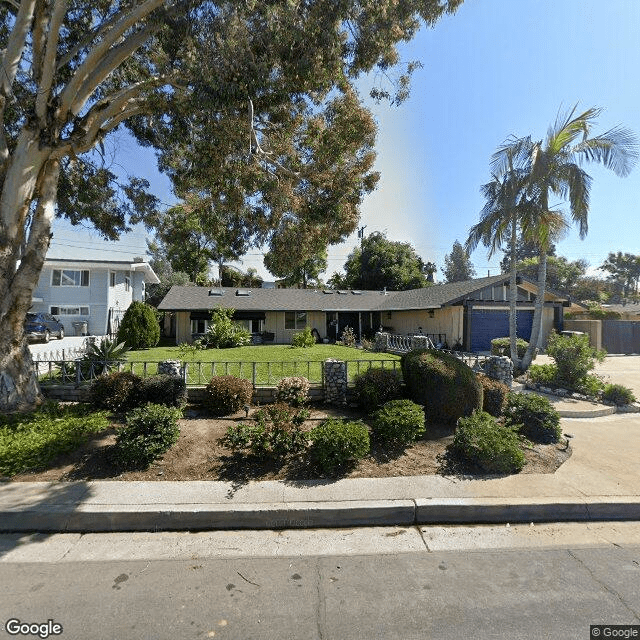
5492 Burlingame Ave, Buena Park, CA 90621
To contact a resident: (714) 523-1609
For more information about senior living options: (866) 208-4318
Koss Residential Care Costs & Pricing
Koss Residential Care offers competitive pricing for its accommodations, particularly when compared to both Orange County and the broader California market. For semi-private rooms, Koss charges $3,500 monthly, which is slightly above the average for Orange County at $3,431 and well within reach of California's average of $3,333. In terms of private rooms and one-bedroom units, Koss maintains a consistent rate of $3,800 - this is notably lower than the private room rate in Orange County at $4,104, while remaining close to the state-wide average of $3,939. Additionally, Koss's pricing for one-bedroom units at $3,800 contrasts sharply with the higher costs seen in both Orange County ($4,380) and California overall ($4,340). This positions Koss Residential Care as an appealing option for those seeking quality residential care at a reasonable price point.
| Floor plans | Koss Residential Care | Orange County | California |
|---|---|---|---|
| Semi-Private | $3,500 | $3,431 | $3,333 |
| Private | $3,800 | $4,104 | $3,939 |
| 1 Bedroom | $3,800 | $4,380 | $4,340 |
Memory care communities with a similar price nearby
-
from +$495 / mo

Cadence Brea
$3,995 to $5,500 / month6.0 miles away -
About the same
Kind Heart Home Care VI
$3,500 to $5,000 / month18.9 miles away -
About the same
Comfort Keepers Home Care
$3,500 to $6,500 / month6.2 miles away -
from -$650 / mo
Alternative Senior Care - Freshwater
$2,850 to $3,250 / month12.6 miles away -
from -$500 / mo
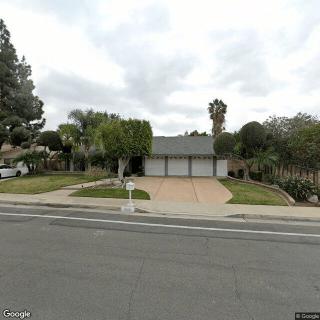
Best Elderly Care I
$3,000 to $3,500 / month10.8 miles away
Overall Review of Koss Residential Care
Pros
 The owner is very friendly and very caring.
- She communicates openly with residents and their families.
- She genuinely cares about the people entrusted to her.
- When a resident needs something, there is always someone available to attend to their needs, and the staff are very attentive.
- The facility can accommodate up to six residents, making it easy for staff to stay informed and meet residents’ needs.
- Residents receive individualized care tailored to their needs.
Review
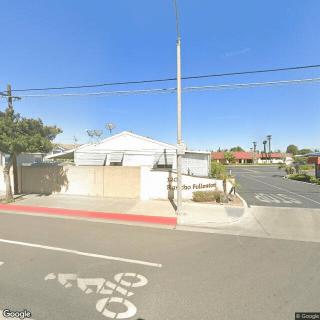
Koss Residential Care in Buena Park is best suited for a senior who wants a small, home-like setting where every resident receives highly personal attention. With a capacity capped at six, this community offers a level of familiarity and responsiveness that larger facilities struggle to match. The owner leads with genuine warmth and hands-on involvement, creating an environment where daily needs, medications, and comfort are addressed promptly. For families, the arrangement delivers reassurance: frequent, open communication and a sense that the care team truly knows the loved one’s routines, preferences, and sensitivities. This is not a place for those seeking a bustling campus; it excels when intimate, attentive care is the priority.
Those weighing alternatives should consider whether a more expansive option is necessary. If a family anticipates requiring robust medical oversight, 24/7 licensed nursing, dementia-specific programming, or a broader slate of social activities, a larger assisted living community or a specialized facility may deliver more resources and a wider continuum of care. For residents who benefit from structured programming, greater social engagement, or more formalized care plans, the small-scale model may feel limiting. In short, alternative settings tend to serve needs that outgrow what a six-resident home can sustainably provide.
The standout pros are concrete and meaningful in daily life. The owner’s friendliness and visible caring set a tone of trust and stability, while ongoing communication keeps families in the loop rather than in the dark. Staff responsiveness is highlighted by the ability to address needs almost immediately, with someone always available. The limited size ensures staff accountability and intimate knowledge of each resident’s health, preferences, and routines. The result is consistently individualized care where small, personal adjustments can be made without bureaucratic delay, producing genuine confidence for families.
Where the small scale could be perceived as a drawback, the strong operational transparency and hands-on leadership help offset concerns, and in some cases, redefine them as intentional benefits. The main caveat is potential limited availability if care demands spike or if specialized equipment or services become necessary. Yet the same intimate setting means care plans can be adjusted quickly, without layers of approval. For families, this translates into fewer “gotchas” when schedules shift or a resident’s needs evolve, since the response mechanism is tightly embedded in daily practice rather than dispersed across departments.
To determine fit, prospective residents should inquire about the staffing model and day-to-day workflow. Ask how many caregivers are on duty per shift, who coordinates care, what training is provided, and how emergencies are managed after hours. Clarify which services are included (meals, medication management, personal care, transportation) and what would trigger a transition to a higher level of care. Observing interactions between staff and residents during a visit offers critical insight: warmth without intrusion, efficiency without rushing. Also assess whether the small, intimate rhythm aligns with the loved one’s independence, routines, and need for timely attention to tasks and comfort.
Bottom line: Koss Residential Care delivers a compelling, practical option for families prioritizing intimate, attentive, home-like care delivered with clear, open communication and steady leadership. It shines where individualized attention and family involvement trump the amenities and breadth of services found in larger communities. Those seeking a broader medical footprint, more expansive programming, or a wider continuum of care should weigh alternatives carefully. For the right match, the elder who thrives in a tightly managed, personally connected setting, the positives strongly outweigh the limitations, making this community a confident recommendation when its strengths align with care goals.
 Board and Care Home
 Memory Care
 Activities on-site
 Private
 Long Beach (Daugherty) (10 miles away)
 Ambulatory care
 Diabetic care
 High acuity care
 Medication management

 Are Dementia and Alzheimer's Disease Lethal? A Comprehensive Exploration
 Exploring the Power of Reminiscence Therapy for Individuals With Dementia
 An In-Depth Look at Reminiscence Therapy in Dementia Care