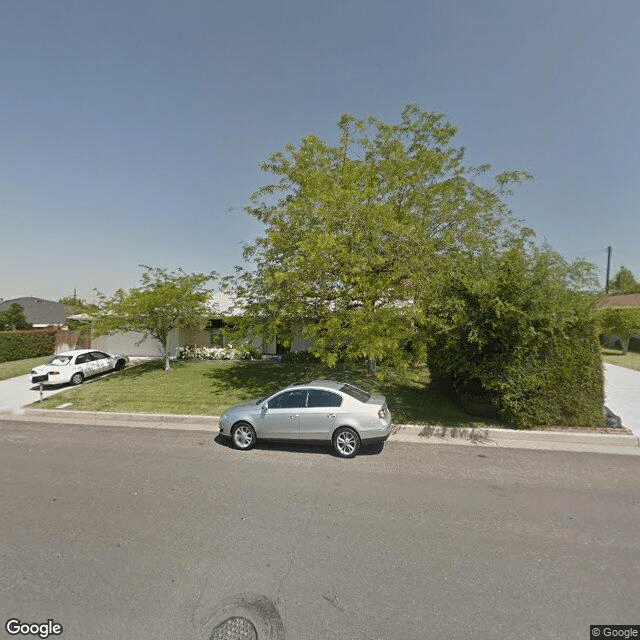
Coyote Hills Residential Care in Buena Park, CA

Save
Coyote Hills Residential Care

Coyote Hills Residential Care in Buena Park, CA

8271 Country Club Drive, Buena Park, CA 90621

For more information about senior living options: (844) 490-3973

4 from 5 reviews
5 stars
2
4 stars
1
3 stars
2
2 stars
0
1 stars
0

Assisted Living Board and Care Home Respite Care

Coyote Hills Residential Care Costs & Pricing

Coyote Hills Residential Care offers competitive pricing for its private room accommodations at $4,000 per month, which is slightly below the average cost in Orange County at $4,104. When compared to the broader landscape of California, Coyote Hills positions itself as a relatively affordable option since the statewide average is approximately $3,939. This pricing structure highlights Coyote Hills' commitment to providing quality care while remaining accessible within the regional market, making it an attractive choice for families seeking supportive living arrangements in a desirable area.

Floor plansCoyote Hills Residential CareOrange CountyCalifornia
Private$4,000$4,104$3,939

Overall Review of Coyote Hills Residential Care

Pros

  • pro The home is beautiful.
  • pro They love it here.
  • pro The place is clean and the staff is excellent.
  • pro Everyone is friendly and makes mom feel comfortable and at home.
  • pro The place is nice.

Cons

  • pro It didn't feel like the right place for her.
  • pro No cats were allowed.

Review

Coyote Hills Residential Care in Buena Park is best suited for seniors who want a warm, home-like setting and families seeking reliable, low-stress caregiving without the rigidity of a large campus. The community prioritizes comfort and personal attention, delivering a feel more like a private home than a clinical facility. It works well for residents who value predictable routines, steady staff engagement, and daily life that feels normal and welcoming. For families, the strongest selling point is peace of mind: a well-kept, resident-focused atmosphere where caregivers appear genuinely invested in making ordinary days comfortable.

However, this option may not fit every situation. For loved ones requiring 24/7 medical supervision, complex wound care, or specialized memory-care programming, a facility with broader clinical resources will be a better match. The no-cat policy could be a hurdle for households with pets, limiting who can call this home. Location can also pose a practical challenge if visits are geographically distant or if family members need proximity to work or other commitments. If independence needs are high or if a preferred care style hinges on more intensive clinical oversight, alternatives with stronger medical staffing or larger resident networks should be considered.

On the upside, the setting earns strong points for its aesthetic and cleanliness, and for a staff that comes across as friendly and responsive. Reviews repeatedly highlight a willingness to go the extra mile, such as arranging meals for late-arriving residents, signaling a culture of individualized care rather than rote routine. Families report long-term satisfaction - one resident has stayed for two years and a sense of relief comes from knowing caregivers are approachable and attentive. That combination of atmosphere and demeanor matters, translating into days that feel steady, predictable, and home-like rather than transactional.

The caveats are real, though. The beauty of the home does not automatically equate to a perfect fit for every loved one. Some residents or families may feel the environment lacks the structure or clinical intensity needed for certain conditions, and the setting's geographic footprint may be a deterrent for those with tight visit schedules. The absence of cats, while consistent with safety and allergy considerations, can be limiting for pet-loving families who associate a home with animal companionship. These factors don't negate the positives, but they do shape how well the community aligns with specific care expectations.

When the positives matter most, they effectively offset the drawbacks. A calm, well-staffed atmosphere with approachable caregivers reduces daily stress and supports stable routines, which often leads to better mood, appetite, and participation in activities. Cleanliness and a professional yet compassionate tone foster confidence in daily operations, and small, thoughtful gestures - like accommodating a resident's mealtime needs after others have eaten - signal a responsive culture. For families prioritizing reassurance, continuity, and a nurturing home base over hospital-like amenities, these elements frequently win the day.

To decide, map care needs directly to facility strengths. If peace of mind, personal attention, and a homey ambiance trump the desire for intensive medical acuity - and the resident does not require constant skilled nursing - Coyote Hills Residential Care presents a compelling option. If the priority is ongoing high-level medical oversight, memory-care specialization, a pet-inclusive environment, or a location with easier access for frequent visits, it makes sense to explore alternatives. Prospective families should verify staff-to-resident ratios, confirm meal and activity programming, and probe how care plans are tailored to individual residents. A candid tour that probes responsiveness to late arrivals, transition handling, and the detail of daily routines will reveal whether this community is the right home for a given loved one.

Features

Housing

  • 6 resident community capacity 6 resident community capacity

Types of Care

  • Assisted Living Assisted LivingAssisted living facilities provide crucial support and care for seniors who may need help with daily tasks such as medication management, bathing, and meal preparation. These communities offer a safe and comfortable environment where seniors can maintain their independence while receiving the assistance they need to thrive in their golden years.
  • Board and Care Home Board and Care HomeBoard and care homes provide a smaller, more intimate setting for seniors who require assistance with daily tasks but do not need the level of care offered by a nursing home. They offer personalized care, meals, and social activities in a homelike environment, ensuring that seniors receive individualized attention and support in their golden years.
  • Respite Care Respite CareRespite care provides temporary relief for caregivers, allowing them to recharge and attend to their own needs. It also gives seniors the opportunity to socialize, receive professional care, and experience a change of scenery, promoting overall well-being and reducing feelings of isolation.

Amenities

  • Activities on-site Activities on-siteActivities on-site are important for seniors because they provide opportunities for socialization, mental stimulation, physical activity, and overall well-being. Engaging in activities can help seniors stay active, maintain their independence, and improve their quality of life.
  • Beautician on-site Beautician on-siteHaving a beautician on-site at a senior living community is important for seniors as it allows them to easily access grooming and personal care services, boosting their self-esteem and overall well-being. It also provides convenience and helps seniors maintain their sense of independence and personal style.
  • Cable or satellite TV Cable or satellite TVCable or satellite TV is important for seniors because it provides entertainment, news, and companionship, helping to combat loneliness and boredom. It also offers a wide range of programming options tailored to different interests and preferences.
  • Devotional services off-site Devotional services off-siteDevotional services off-site are important for seniors as they provide spiritual nourishment, social engagement, and a sense of community outside of the senior living facility. This can enhance overall well-being and help combat feelings of isolation and loneliness often experienced by older adults.
  • Devotional services on-site Devotional services on-siteDevotional services on-site provide seniors with spiritual support and a sense of community, as well as an opportunity for reflection and guidance during their senior living experience. This can promote emotional well-being and connection to others, leading to a more fulfilling and enriching lifestyle in their later years.
  • Dining room Dining roomDining rooms are important for seniors as they provide a space for socialization, connection, and nutritious meals. They offer opportunities for residents to bond over shared meals, foster a sense of community, and promote healthy eating habits. Dining rooms also ensure that seniors have access to well-balanced meals tailored to their dietary needs and preferences.
  • Fully furnished Fully furnishedFully furnished senior living communities are important for seniors because they provide convenience, comfort, and a hassle-free moving experience. Seniors can easily settle into their new living space without the stress of having to buy and move furniture. This allows them to focus on enjoying their new home and community.
  • Garden GardenGardens are important for seniors as they provide a peaceful and therapeutic environment for relaxation, physical activity, and socialization. Being in nature has been shown to reduce stress, improve mood, and promote overall well-being. Gardens also offer opportunities for seniors to engage in gardening activities, which can improve mobility, flexibility, and cognitive function. Additionally, gardens create a sense of community and connection with others who share a passion for plants and outdoor spaces.
  • Housekeeping services Housekeeping servicesHousekeeping services are important for seniors because they help maintain a clean and safe living environment, promote independence, and reduce the risk of accidents or illnesses. Additionally, having assistance with household chores can alleviate physical strain and allow seniors to focus on other aspects of their well-being.
  • Indoor common areas Indoor common areasIndoor common areas are crucial for seniors as they provide a space for socialization, recreation, and community engagement, promoting overall well-being and reducing feelings of isolation and loneliness.
  • Move-in coordination Move-in coordinationMove-in coordination is important for seniors because it helps ease the transition into their new living environment. It ensures that all logistics, such as packing, organizing movers, and setting up utilities are taken care of, allowing seniors to focus on settling in and adjusting to their new home. Having a smooth move-in process can alleviate stress and anxiety, making the transition smoother and more enjoyable for seniors.
  • Outdoor common areas Outdoor common areasOutdoor common areas are important for seniors as they provide a space for socialization, physical activity, and relaxation. Being outside in nature can improve mood and overall well-being, while also encouraging movement and engagement with others. These spaces can help combat feelings of isolation and promote a sense of community among residents.
  • Outdoor space Outdoor spaceOutdoor spaces are important for seniors as they provide opportunities for physical activity, social interaction, exposure to natural light and fresh air, and a sense of connection to nature. Having access to outdoor spaces can improve overall well-being and quality of life for older adults living in senior communities.
  • Private PrivatePrivacy is important for seniors as it allows them to maintain their independence, dignity, and sense of control over their own lives. It also gives them the space and freedom to relax, reflect, and engage in activities that bring them joy and fulfillment. Creating private spaces within senior living facilities is crucial for promoting overall well-being and quality of life.
  • Private bathrooms Private bathroomsPrivate bathrooms are important for seniors in senior living communities because they provide independence, dignity, and comfort. Having a private bathroom allows seniors to maintain their personal hygiene routines without the need for assistance, promoting a sense of autonomy and privacy. Additionally, private bathrooms help prevent the spread of infections and provide a safe and clean environment for seniors to navigate safely.
  • Respite or short term stays offered Respite or short term stays offeredRespite or short term stays provide seniors with a temporary solution when their regular caregiver is unavailable, offering them the opportunity to receive additional care and support during times of need, while also giving caregivers a chance to rest and recharge.
  • Telephone TelephoneTelephones are important for seniors as they provide a lifeline for communication with loved ones, emergency services, and healthcare providers. They offer a sense of security and independence, enabling seniors to stay connected and access assistance when needed.
  • Wheelchair accessible showers Wheelchair accessible showersWheelchair accessible showers are crucial for seniors as they provide a safe and independent bathing option for those with mobility challenges. These showers help prevent falls and allow seniors to maintain their dignity and autonomy while ensuring they can bathe comfortably.
  • Wi-Fi/high-speed internet available Wi-Fi/high-speed internet availableWi-Fi/high-speed internet is important for seniors to stay connected with loved ones, access online resources, and participate in virtual activities to combat feelings of loneliness and isolation. It also allows them to easily manage healthcare needs, access entertainment, and engage in lifelong learning opportunities.

Transportation

  • Long Beach (Daugherty) (10 miles away) Long Beach (Daugherty) (10 miles away)
  • John Wayne Orange Co (16 miles away) John Wayne Orange Co (16 miles away)
  • Los Angeles International (24 miles away) Los Angeles International (24 miles away)

Care Services

  • 24-hour supervision 24-hour supervision24-hour supervision is important for seniors to ensure their safety, well-being, and access to immediate assistance in case of emergencies or health issues. This constant support provides peace of mind for both seniors and their loved ones, allowing them to age in place with dignity and security.
  • Activities of daily living assistance Activities of daily living assistanceActivities of daily living assistance are important for seniors because they provide essential support with tasks such as eating, bathing, dressing, and mobility. This assistance helps seniors maintain their independence, dignity, and overall quality of life as they age.
  • Ambulatory care Ambulatory care"Ambulatory care services provide essential medical support and treatment to seniors without requiring hospitalization, allowing them to maintain their independence and quality of life while managing chronic conditions or receiving routine medical care."
  • Assistance with bathing Assistance with bathingAssistance with bathing is crucial for seniors as it helps maintain personal hygiene, prevents infections, and ensures their overall well-being and comfort. It also provides a sense of dignity and independence for seniors who may struggle with this task on their own.
  • Assistance with dressing Assistance with dressingAssistance with dressing is important for seniors because it helps maintain their independence, promotes personal hygiene, prevents accidents and injuries, and improves overall quality of life. This service ensures that seniors can continue to dress comfortably and confidently, despite any physical limitations they may have.
  • Assistance with transfers Assistance with transfersAssistance with transfers is crucial for seniors as it helps prevent falls and injuries, maintains their independence, and ensures they can safely navigate their living environment. It also provides peace of mind for both seniors and their loved ones.
  • Coordination with health care providers Coordination with health care providersCoordination with health care providers is crucial for seniors to ensure proper medical care, medication management, and overall well-being. This collaboration helps prevent overlapping treatments, track progress more effectively, and provide comprehensive support tailored to individual needs.
  • Diabetes diet Diabetes dietA diabetes diet is crucial for seniors as it helps manage blood sugar levels, reduce risks of complications, and improve overall health and well-being. By following a balanced and nutritious diet tailored to their specific needs, seniors can better control their diabetes and enhance their quality of life.
  • Diabetic care Diabetic careDiabetic care is crucial for seniors as they are more susceptible to developing diabetes due to aging and other health conditions. Proper management of diabetes can help prevent complications such as heart disease, vision loss, and nerve damage, improving the overall quality of life for seniors in senior living communities.
  • High acuity care High acuity careHigh acuity care is important for seniors because it provides specialized medical attention and support for individuals with complex medical needs. This level of care ensures that seniors receive the appropriate treatment and assistance to maintain their health and quality of life as they age.
  • Incontinence care Incontinence careIncontinence care is essential for seniors to maintain their dignity, hygiene, and overall quality of life. By addressing incontinence issues promptly and effectively, seniors can enjoy a sense of independence and comfort in their daily activities.
  • Meal preparation and service Meal preparation and serviceMeal preparation and service are crucial for seniors as they may have limited mobility or energy to cook nutritious meals. Having access to healthy and convenient food options can ensure they are getting the proper nutrition needed to maintain their overall health and well-being.
  • Medication management Medication managementMedication management is crucial for seniors to ensure they are taking the right medications at the correct dosages and times. This helps prevent adverse drug interactions, reduces the risk of medication errors, and promotes overall health and well-being. Proactive management also allows for adjustments as needed based on changing health conditions or new prescriptions.
  • Special dietary restrictions Special dietary restrictionsSpecial dietary restrictions are important for seniors because age-related changes in metabolism and health conditions can make it difficult for their bodies to process certain foods. By following a diet tailored to their specific needs, seniors can maintain their overall health and well-being, manage chronic conditions, and reduce the risk of complications such as malnutrition or food interactions with medications.
  • Transportation arrangement (medical) Transportation arrangement (medical)Transportation arrangements for medical purposes are essential for seniors as they may have difficulty driving themselves to appointments or accessing public transportation. Having reliable and safe transportation options ensures that seniors can receive timely medical care and maintain their health and well-being.
  • Transportation to doctors appointments Transportation to doctors appointmentsTransportation to doctors' appointments is crucial for seniors as it ensures they have access to necessary medical care and support for their health needs. Without reliable transportation, seniors may struggle to attend important appointments, leading to potential delays in treatment and health complications. Providing transportation services helps seniors maintain their overall well-being and quality of life.
Dining

  • Diabetes diet Diabetes dietA diabetes diet is crucial for seniors as it helps manage blood sugar levels, reduce risks of complications, and improve overall health and well-being. By following a balanced and nutritious diet tailored to their specific needs, seniors can better control their diabetes and enhance their quality of life.
  • Meals provided Meals provided"Meals provided" are crucial for seniors in assisted living communities as it ensures they have access to nutritious, balanced meals without the stress of meal planning and preparation. This can help promote overall health and well-being for seniors who may have limited mobility or cognitive abilities.
  • Special dietary restrictions Special dietary restrictionsSpecial dietary restrictions are important for seniors because age-related changes in metabolism and health conditions can make it difficult for their bodies to process certain foods. By following a diet tailored to their specific needs, seniors can maintain their overall health and well-being, manage chronic conditions, and reduce the risk of complications such as malnutrition or food interactions with medications.
  • Vegetarian VegetarianA vegetarian diet is important for seniors because it can help lower the risk of chronic diseases, maintain a healthy weight, and provide essential nutrients needed for aging bodies. Additionally, plant-based diets are often easier on digestive systems and can contribute to overall well-being in older adults.

Activities

  • Activities on-site Activities on-siteActivities on-site are important for seniors because they provide opportunities for socialization, mental stimulation, physical activity, and overall well-being. Engaging in activities can help seniors stay active, maintain their independence, and improve their quality of life.
  • Community-sponsored activities Community-sponsored activitiesCommunity-sponsored activities are important for seniors as they provide opportunities for social interaction, mental stimulation, and physical activity. These activities can help improve overall well-being, combat loneliness and isolation, and promote a sense of belonging and purpose among older adults.
  • Devotional activities offsite Devotional activities offsiteDevotional activities offsite are important for seniors because they provide social engagement, spiritual growth, and a sense of community outside of their living environment. This can improve overall well-being, mental health, and combat feelings of isolation or loneliness.
  • Devotional activities on-site Devotional activities on-siteDevotional activities on-site provide seniors with a sense of community, spiritual fulfillment, and emotional support, promoting overall well-being and a positive sense of purpose in their lives.
  • Scheduled daily activities Scheduled daily activitiesScheduled daily activities are important for seniors because they provide structure, socialization, mental stimulation, and physical activity. Engaging in regular activities can improve overall well-being and quality of life for seniors living in a community setting.

Description

Coyote Hills Residential Care in Buena Park, CA is a board and care home that offers a range of services to meet the needs of its residents. Whether you are looking for long-term care or respite care, this facility has you covered.

The community boasts a variety of amenities to enhance the quality of life for its residents. A beautician is available on-site for those who enjoy pampering themselves, and cable or satellite TV is provided for entertainment purposes. Devotional services are offered both on-site and off-site for individuals seeking spiritual support. The dining room provides a comfortable space for residents to enjoy their meals, which are prepared and served by the staff. The entire facility is fully furnished, creating a cozy and welcoming atmosphere. Outdoor common areas and gardens allow residents to enjoy nature and fresh air.

Care services at Coyote Hills Residential Care include assistance with activities of daily living, such as bathing, dressing, and transfers. Health care providers are coordinated with to ensure continuity of care, and diabetic individuals receive specialized attention including diabetes diets and diabetic care. Incontinence care is also provided, along with medication management and meal preparation according to special dietary restrictions. Transportation arrangements to medical appointments are made for added convenience.

Residents can engage in various activities organized by the community or participate in nearby attractions. Community-sponsored activities foster social interaction among residents while devotional activities provide spiritual enrichment both on-site and off-site. With cafes, parks, restaurants, pharmacies, physicians, theaters, hospitals all conveniently located nearby, there are plenty of options for outings and exploration.

Overall, Coyote Hills Residential Care offers a comprehensive assisted living experience with a range of amenities and services designed to cater to the individual needs of its residents in a comfortable and supportive environment.

Nearby Places of Interest

This part of Buena Park, California, offers a convenient location with easy access to transportation options such as the Metro La Mirada & Alondra Bus Stop and various train stations. The area is also well-equipped with pharmacies like CVS, Walgreens, and Walmart Pharmacy for any medical needs. There are plenty of dining options nearby, including Porto's Bakery & Cafe and Chick-Fil-A, as well as parks like Central Park and La Bonita Park where seniors can enjoy outdoor activities. For medical care, there are reputable hospitals and physicians in close proximity, such as Kaiser Permanente and St Jude Medical Center. Additionally, there are cafes like Starbucks and Mother's Kitchen for socializing or relaxing. The neighborhood also provides opportunities for entertainment at theaters like AMC Norwalk 2 and Harkins Theatres Cerritos 16, as well as places of worship like Chinese Baptist Church and Cottonwood Church for spiritual support. Overall, this part of Buena Park offers a convenient and well-rounded environment with a variety of amenities for seniors looking to settle in the area.

Transportation

  • Metro La Mirada & Alondra Bus Stop (0.6 miles)
  • Drr Toontown Station (6.2 miles)
  • DLRR New Orleans Station (6.3 miles)
  • Disneyland Monorail - Downtown Disney District Station (6.3 miles)
  • Disneyland Monorail (6.4 miles)
  • Drr Tomorrowland Station (6.5 miles)

Pharmacies

  • CVS Pharmacy (1.4 miles)
  • Walgreens (2.4 miles)
  • Walmart Pharmacy (2.7 miles)
  • Walgreens (3.2 miles)
  • CVS Pharmacy (3.5 miles)
  • CVS Pharmacy (3.9 miles)
  • Rite Aid (4 miles)

Restaurants

  • Porto's Bakery & Cafe (2.3 miles)
  • Chick-Fil-A (2.6 miles)
  • Portillo's Hot Dogs (2.6 miles)
  • Olde Ship (3.7 miles)
  • McDonald's (3.7 miles)
  • In-N-Out Burger (4.1 miles)
  • Chick-Fil-A (4.1 miles)

Physicians

  • Kaiser Permanente, Euclid & Romneya (3.6 miles)
  • St Jude Medical Center (3.6 miles)
  • St Jude's Heritage Medical Center (5.8 miles)
  • Dostzada, Ghulam Dr - Los Alamitos Cardiovascular (6.4 miles)

Parks

  • Central Park / La Palma Recreation & Community Services (3.7 miles)
  • La Bonita Park (4 miles)
  • Shadow Park Hoa (4.5 miles)
  • Cerritos Regional County Park (4.7 miles)
  • Willow Park (5.1 miles)
  • Craig Regional Park (5.9 miles)
  • Michigan Park (5.9 miles)

Hospitals

  • Anaheim Regional Medical Center (4 miles)
  • Ahmc Whittier Hospital Medical Center (4.7 miles)
  • Department of State Hospitals (5.2 miles)

Cafes

  • Starbucks (4.2 miles)
  • Anaheim Packing District (5.7 miles)
  • Bopomofo Cafe (5.9 miles)
  • New Orleans Square (6.3 miles)
  • Jolly Holiday Bakery Cafe (6.4 miles)
  • Starbucks (6.5 miles)
  • Mother's Kitchen (6.5 miles)

Theaters

  • AMC DINE-IN Fullerton 2 (4.2 miles)
  • AMC Norwalk 2 (5.2 miles)
  • Harkins Theatres Cerritos 16 (6.2 miles)

Places of Worship

  • Chinese Baptist Church (5.7 miles)
  • Cottonwood Church (6.6 miles)

Frequently Asked Questions

How much does it cost to live at Coyote Hills Residential Care in Buena Park, CA?
Where is Coyote Hills Residential Care?

Nearby Communities

  • Sunny Crest Guest Home 3

    Sunny Crest Guest Home 3

    Buena Park, CA


    pro Intimate, home-like setting with 24/7 supervision and personalized care.

  • Sunny Crest

    Sunny Crest

    Buena Park, CA

    4 from 4 reviews
    $3,000 / month

    pro Well-maintained, welcoming community with caring staff.

  • Lifestream Home Care For Elderly

    Lifestream Home Care For Elderly

    Buena Park, CA


    pro Small, home-like setting with comprehensive care and convenient amenities.

  • Ridglea Home

    Ridglea Home

    Buena Park, CA

     
    $1,800 to $2,800 / month

    pro Affordable memory care with high-acuity support and private rooms.

  • Elegant Care Villa - Buena Park

    Elegant Care Villa - Buena Park

    Buena Park, CA


    pro Small 6-bed board-and-care with personalized care and comprehensive services.

  • Los Coyotes Residental Care

    Los Coyotes Residental Care

    Buena Park, CA


    pro Specialized memory care with 24-hour supervision, dedicated staff, and memory-focused programming.

  • Fullerton Villa

    Fullerton Villa

    Fullerton, CA

     
    $1,800 / month

    pro Very competitive pricing (studio/1BR) with extensive amenities.

  • Rancho Fullerton Mobile Ests

    Rancho Fullerton Mobile Ests

    Fullerton, CA


    pro Excellent access to nearby amenities (cafes, parks, pharmacies, restaurants, theater, worship) for an active lifestyle.

  • Palms Retirement Center

    Palms Retirement Center

    Fullerton, CA

    4.7 from 104 reviews
    $1,800 to $3,495 / month

    pro Friendly, attentive staff; clean facility; good communication; affordable pricing.

Related Resources

  • active senior livingVibrant Senior Living: A Comprehensive Guide for Active Older Adults

    Vibrant Senior Living emphasizes active senior living communities that promote independence and engagement through diverse amenities and activities, fostering wellness and social interaction among older adults. These communities range from independent to assisted living, with a focus on personal growth, family involvement, financial planning, and leveraging technology to enhance residents' experiences.

  • when to move from assisted living to memory careWhen to Transition from Assisted Living to Memory Care: Key Indicators, Steps, and Finding the Right Community

    Transitioning from assisted living to memory care is driven by an individual's cognitive decline and specific needs, requiring careful evaluation of indicators like increased confusion and wandering. The process involves consulting medical professionals, researching suitable communities, considering financial and legal aspects, and ensuring effective communication for personalized care plans.

  • assisted living vs memory careAssisted Living and Memory Care: Understanding Their Core Differences

    Assisted living provides moderate support for seniors seeking independence, while memory care offers specialized support for individuals with dementia or cognitive impairments through structured routines and trained staff. Key differences include care approaches, environment security measures, staff training levels, activity types, and cost considerations.