5800 Llano Road, Atascadero, CA 93422
To contact a resident: (805) 748-4308
For more information about senior living options: (866) 208-4318
A Touch Above Care, INC. Costs & Pricing
A Touch Above Care, Inc. offers competitive pricing for its care services in comparison to both San Luis Obispo County and the broader California state averages. For semi-private rooms, the cost is $4,000 per month, which is notably higher than the county's average of $3,575 and the state average of $3,333. When it comes to private rooms, prices range from $4,300 to $5,445; this reflects a premium above the county's average of $4,372 but remains above the state's average of $3,939. Lastly, one-bedroom accommodations are priced at $4,800 - again higher than both the county's average of $3,994 and California's state average of $4,340. Overall, while A Touch Above Care may position itself at a higher price point in most categories compared to local and state averages, this investment can be seen as a commitment to providing exceptional care and an enriching living environment for its residents.
| Floor plans | A Touch Above Care, INC. | San Luis Obispo County | California |
|---|---|---|---|
| Semi-Private | $4,000 | $3,575 | $3,333 |
| Private | $4,300 to $5,445 | $4,372 | $3,939 |
| 1 Bedroom | $4,800 | $3,994 | $4,340 |
Memory care communities with a similar price nearby
-
About the same

Creston Village
$4,012 to $7,025 / month9.2 miles away -
from -$200 / mo
Bella Vita Assisted Living
$3,800 to $5,000 / month3.6 miles away -
from -$700 / mo
The Residence II
$3,300 to $3,800 / month8.8 miles away -
from +$500 / mo
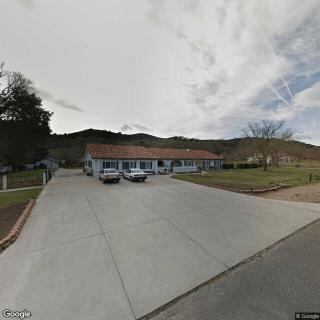
Paradise Valley Care
$4,500 to $4,900 / month0.3 miles away -
from -$705 / mo
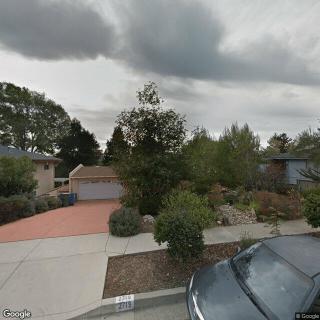
Anna's Gardens
$3,295 to $5,795 / month15.0 miles away
Overall Review of A Touch Above Care, INC.
Pros
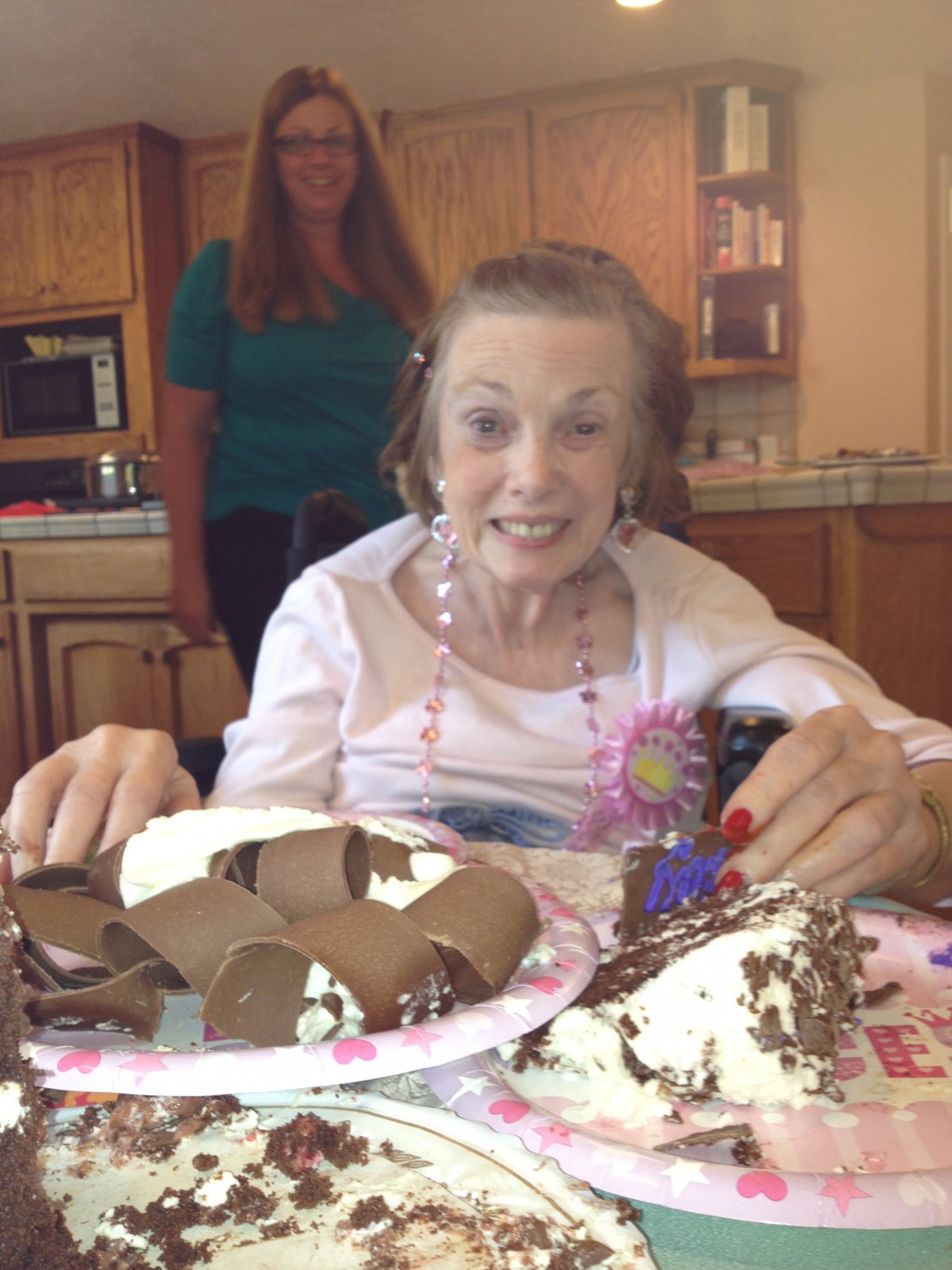
 The staff are very caring and take good care of residents.
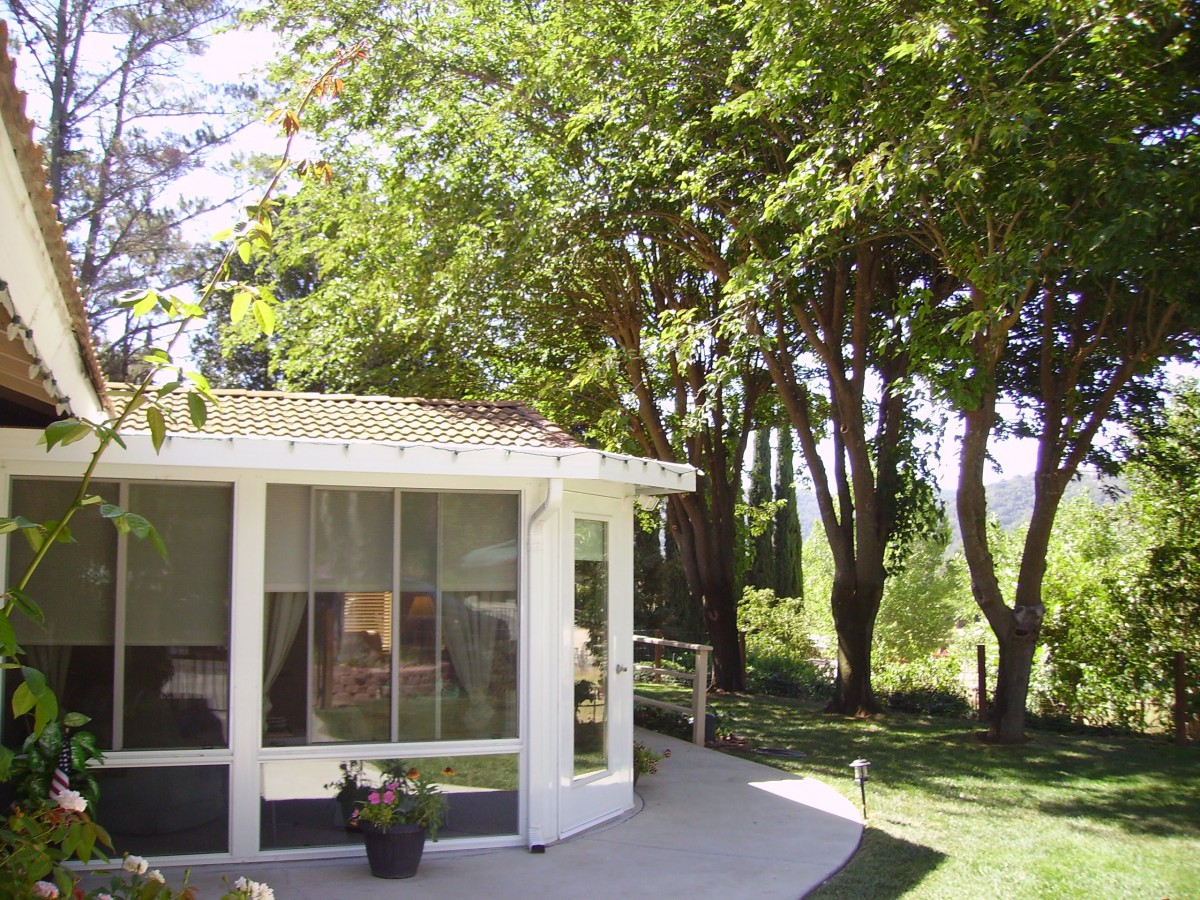
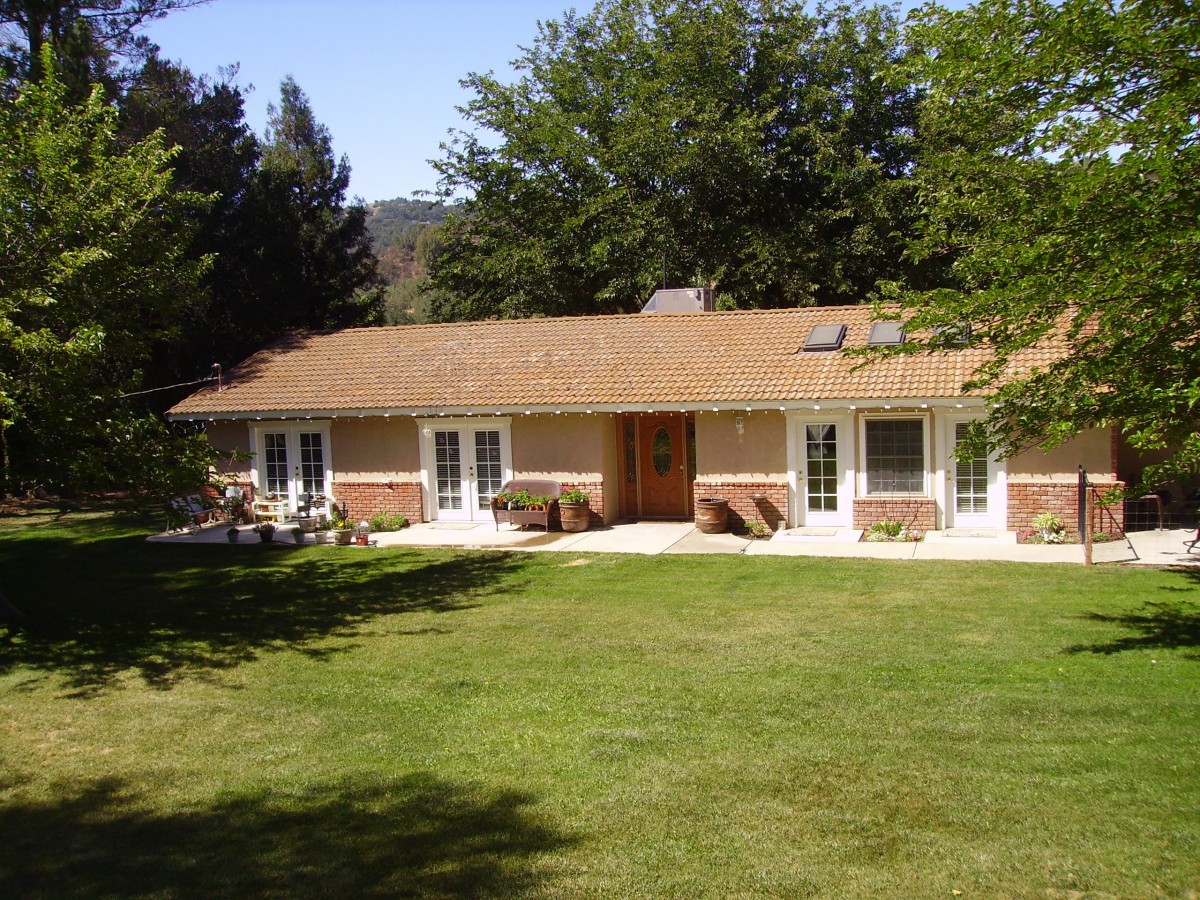
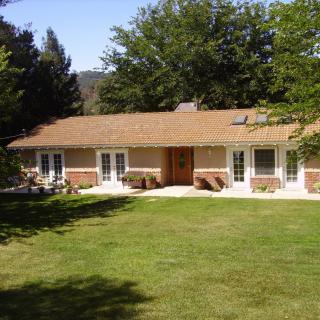
- The home is clean, beautiful, and well maintained, with a peaceful country setting.
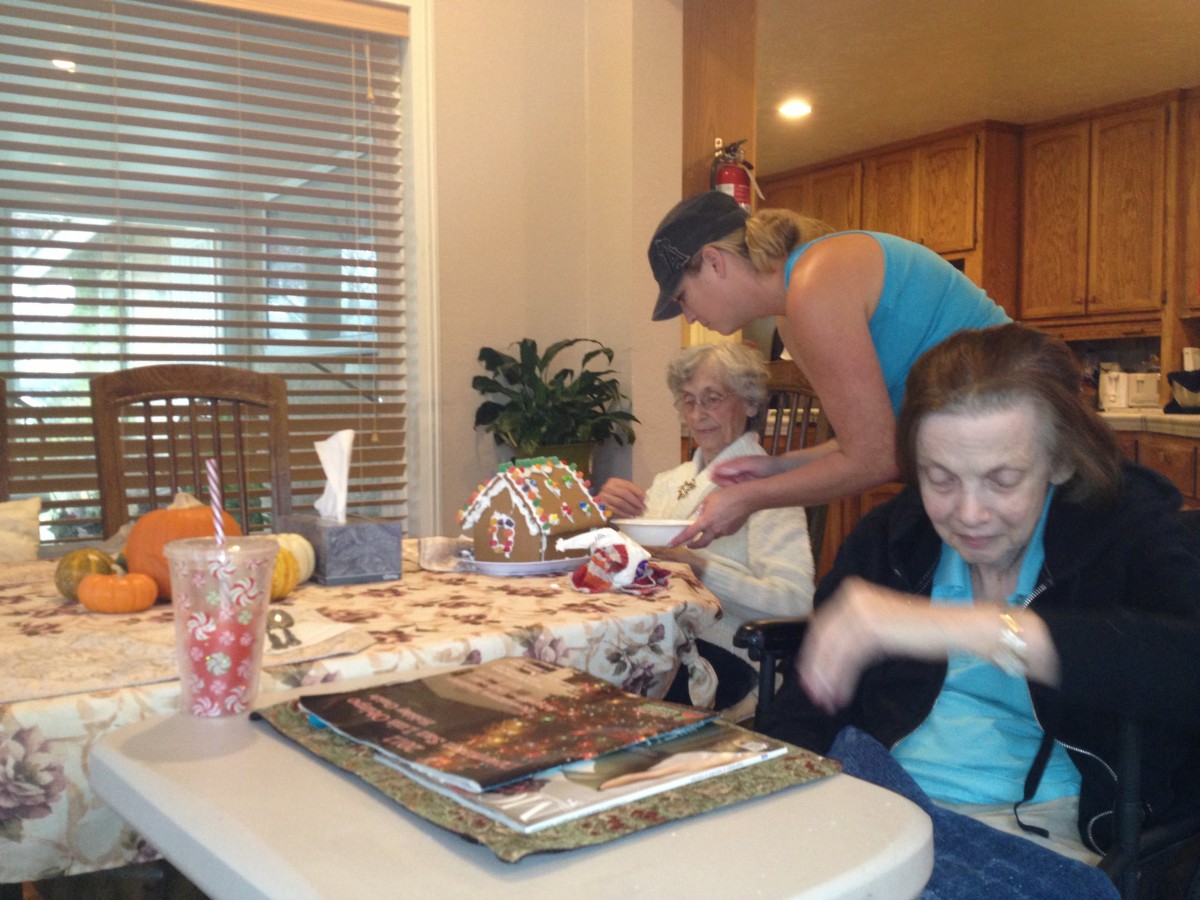
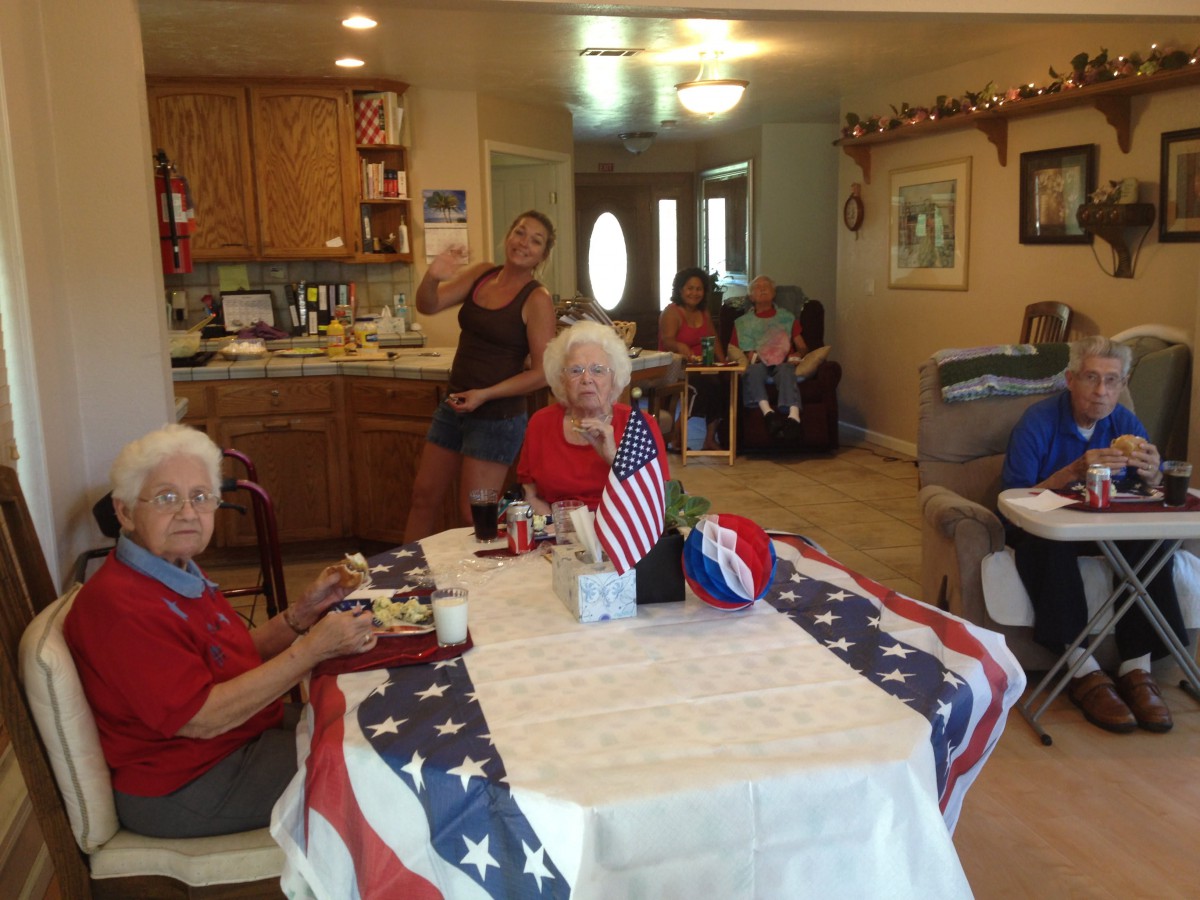
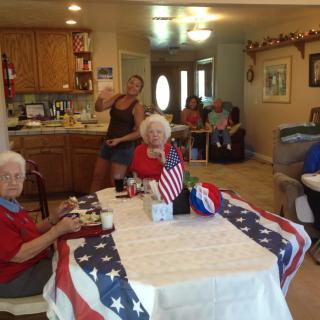
- Residents enjoy home-cooked meals and are happy with the food.
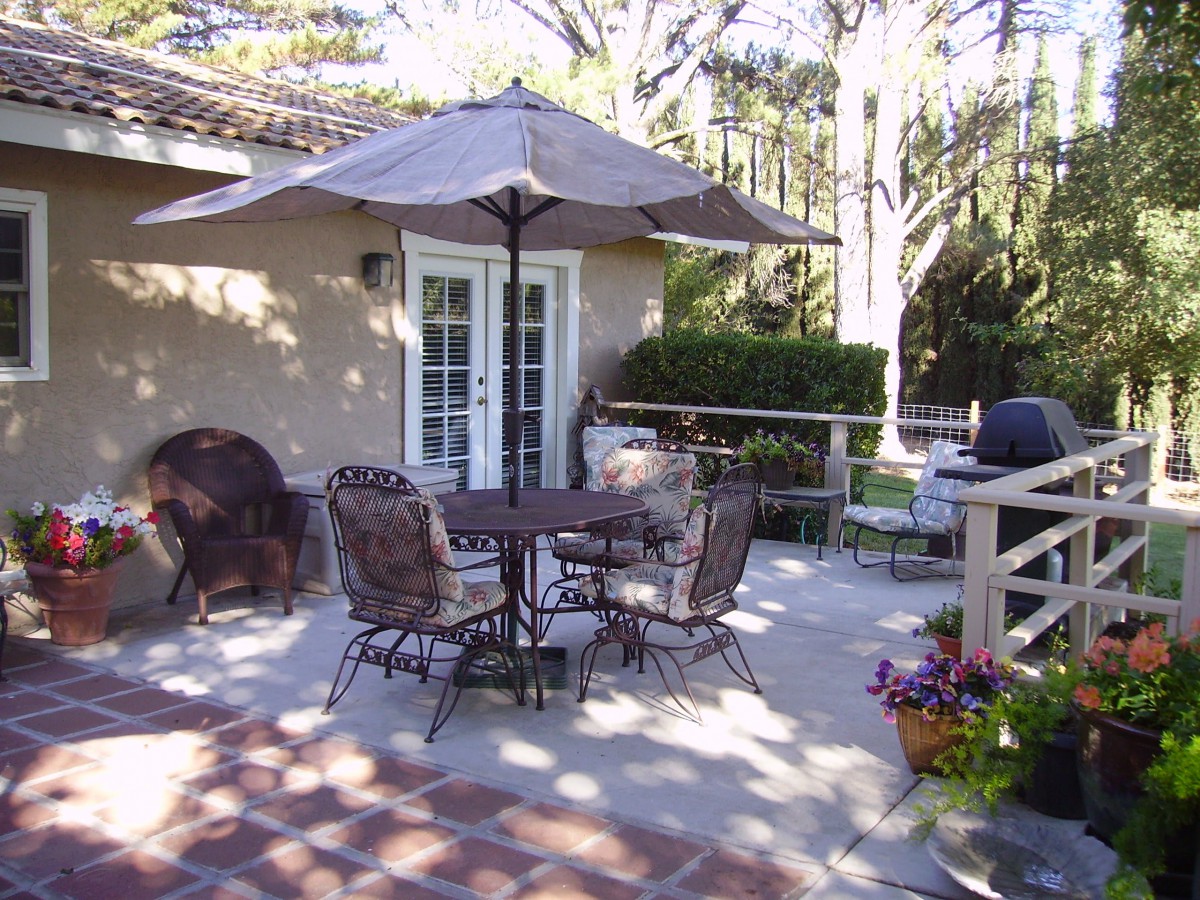
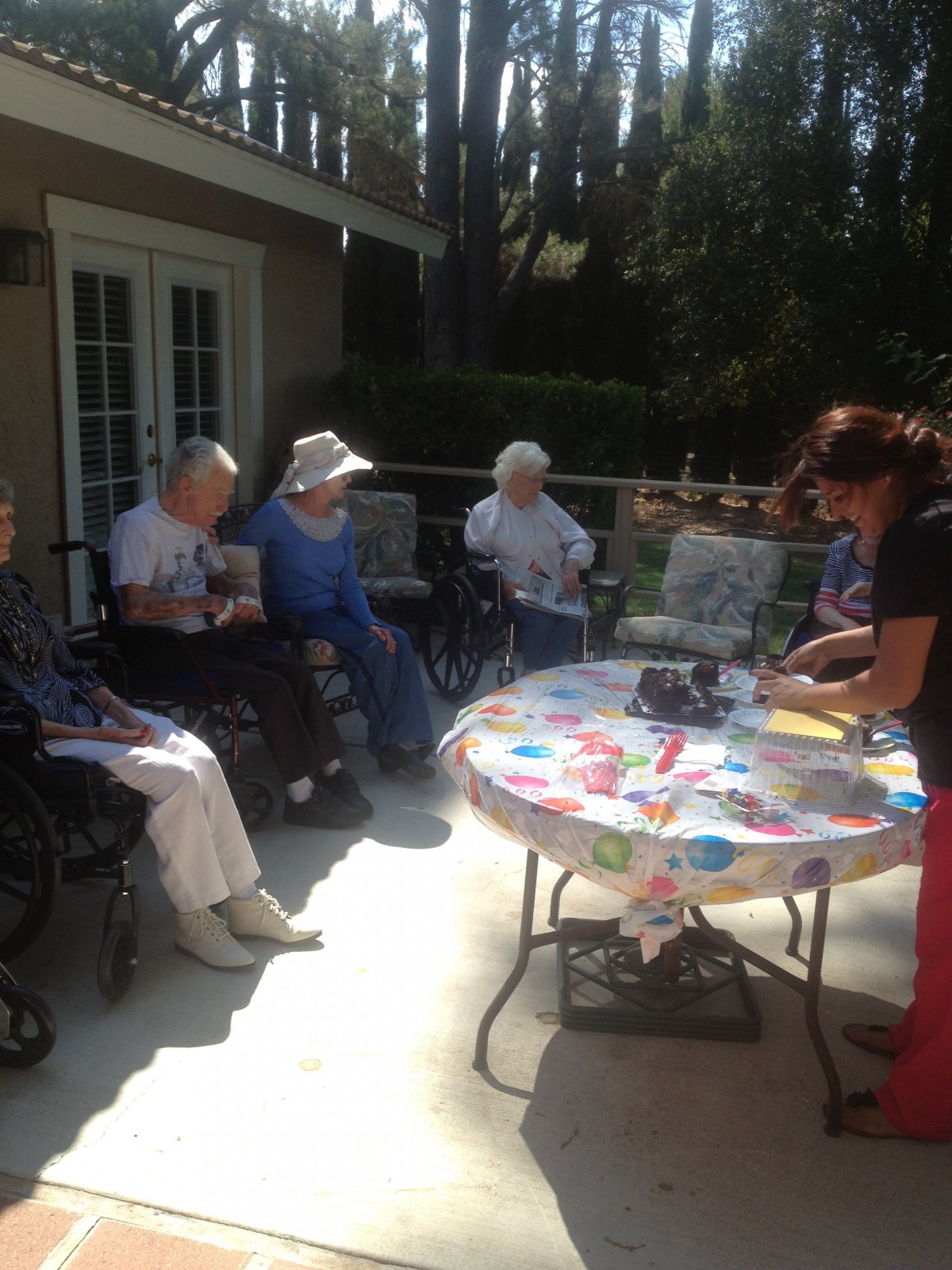
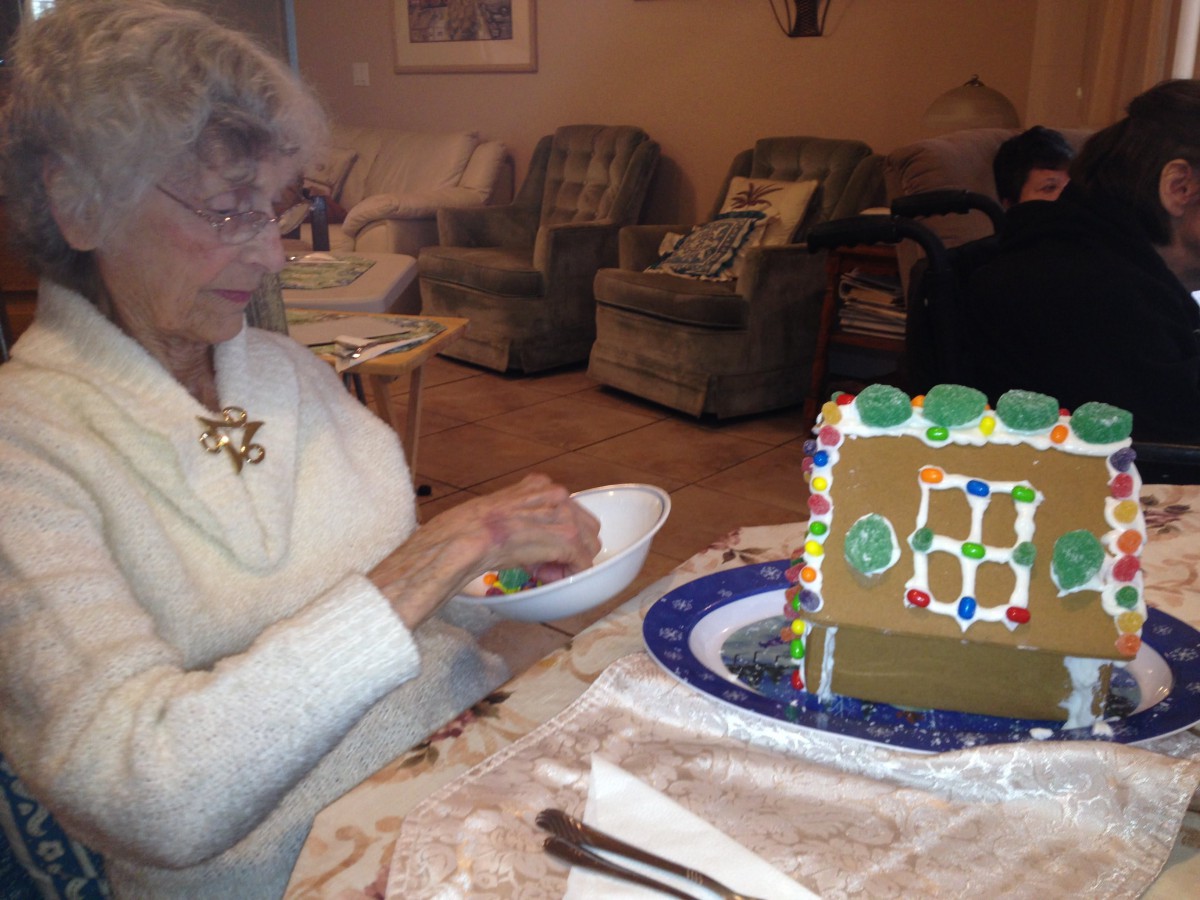
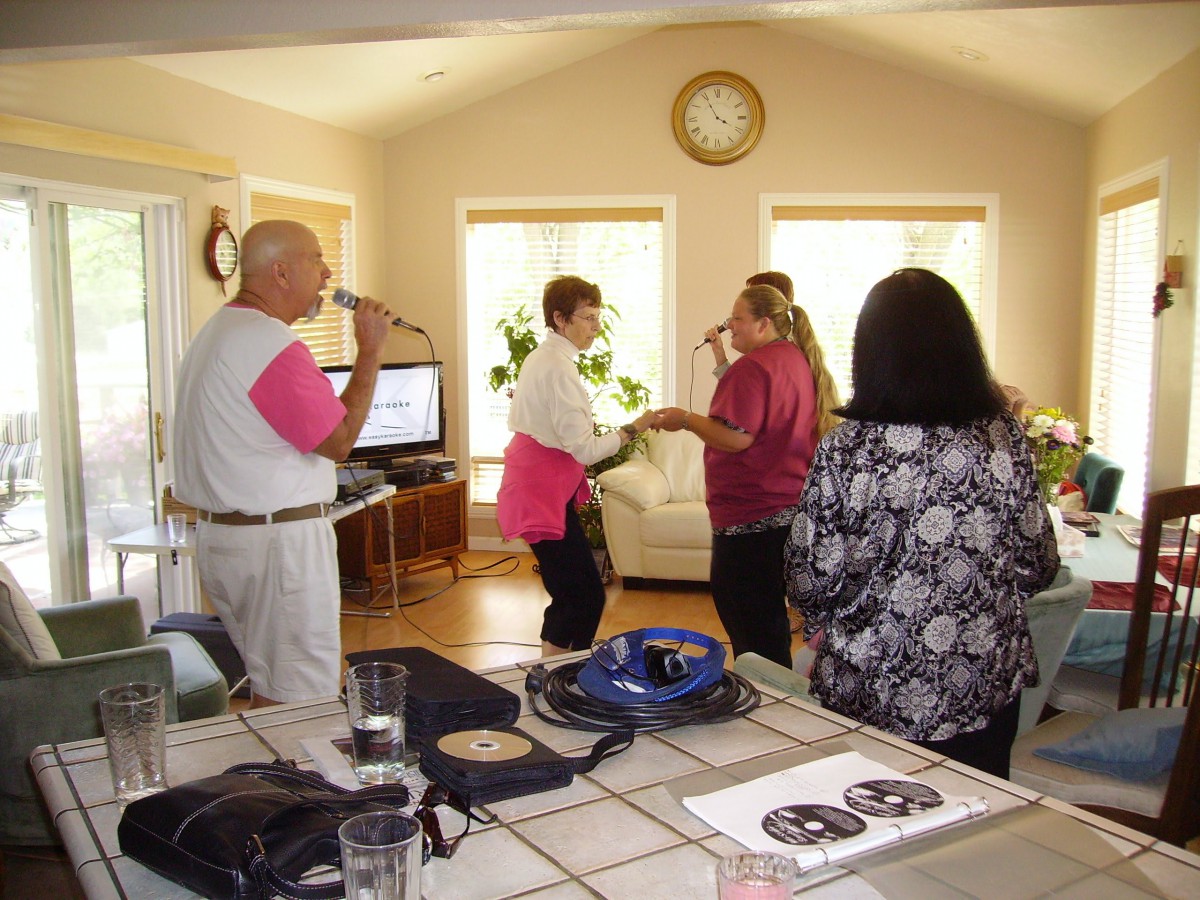
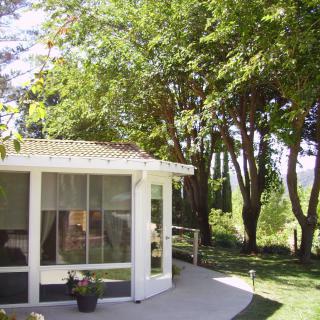
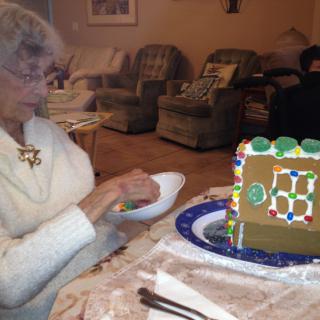
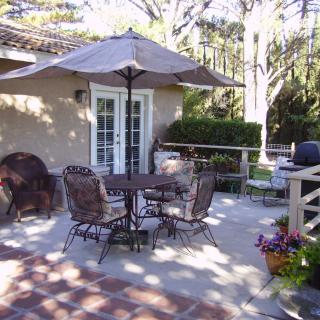
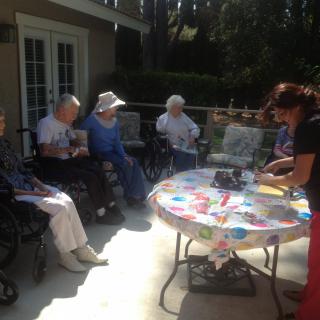
- A sun room offers activities, crafts, and puzzles, and there is a patio for outdoor time.
- The home has cats, dogs, and a parrot, creating a homelike atmosphere.
- Caregivers show compassion and frequently go beyond the call of duty.
- The staff treat residents like family and prioritize their contentment and individual needs.
Cons
 There aren’t a lot of amenities at the home.
- The tour described the home as smelly.
- There were lots of pets that aren’t potty trained.
- The reviewer could not wait to get out of there.
Review
This community is best suited for seniors who want a truly small, home-like setting with deeply personalized attention from a dedicated caregiver team, and who are comfortable in a rural, quiet environment with modest amenities. It’s an ideal fit for families seeking a warm, family-oriented atmosphere where the resident’s comfort and daily routine come first, rather than a resort-like experience. Those who thrive on predictable schedules, meaningful one-on-one interaction, and a sense of being cared for as part of a close-knit “extended family” will likely feel at home here. It is not the right choice for someone who needs a wide array of on-site activities, frequent nursing oversight, or extensive clinical support on a daily basis.
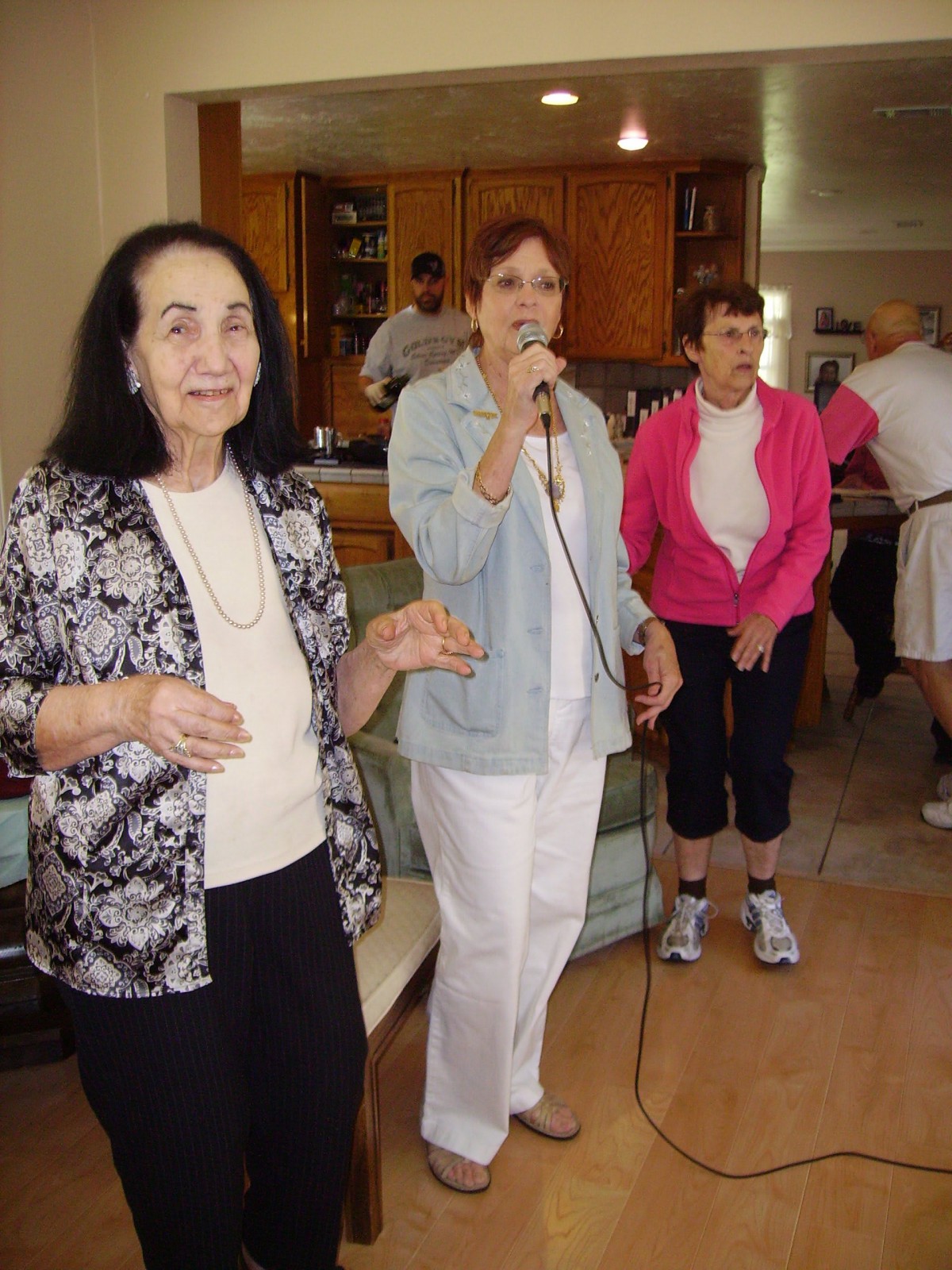
The operation is a six-resident boarding care home run by a mother-and-daughter team, which immediately signals a level of intimacy and consistency that larger facilities often struggle to deliver. The environment comes across as clean, well maintained, and visually appealing, nestled in the countryside with quiet, scenic views. Residents enjoy home-cooked meals, and the kitchen is a point of pride, with caregivers who attend to preferences and ensure nourishment is both comforting and familiar. There is a sun room for activities, crafts, and puzzles, plus a patio for outdoor time, which supports social interaction in a relaxed, low-stress setting. The presence of pets, cats, dogs, and even a parrot, adds warmth and companionship, reinforcing the sense of a living space that feels like family rather than a clinical environment.
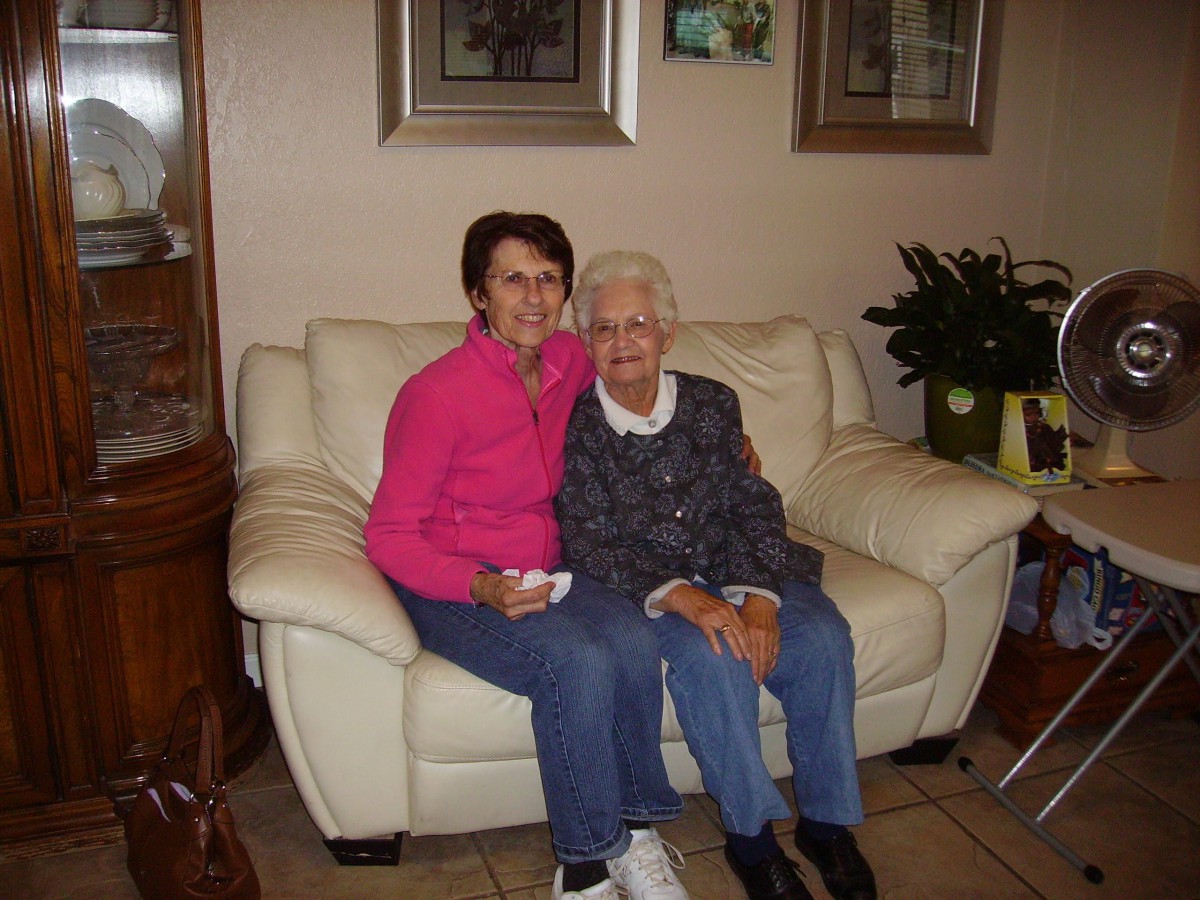
On the strength side, the standout value lies in the staff’s care and the relationships they cultivate. Multiple families describe caregivers as deeply compassionate and attentive, with one note praising care that went beyond what was expected and another highlighting the staff’s ability to connect with residents on a personal level. The emphasis on contentment as a primary goal is reinforced by consistent, individualized attention to each resident’s desires, which families repeatedly cite as a reason for feeling reassured about their loved one’s daily life. Residents often appear happy with the food and comfortable in the routines established by a team that treats each person as a priority, which in practice translates to fewer concerns about neglect or neglectful moments and more confidence in daily supervision.
Nevertheless, there are clear caveats to weigh. The most frequently cited drawback is the modest scale and limited amenities inherent in a six-resident home. While the environment is attractive and comfortable, it does not compete with larger campuses in terms of breadth of activities, formal programming, or facility-wide resources. One recent tour flagged a sensory drawback, smell, and noted untrained pets in the home, which can be a deterrent for residents with allergies or sensitivities and may raise hygiene concerns for some families. The small size also implies limited on-site medical oversight and fewer emergency-ready supports than bigger assisted living campuses, which matters for residents who require frequent skilled nursing or more intensive supervision.
The positive aspects vs. the drawbacks come down to personal priorities. For families prioritizing a stable, affectionate setting where staff relationships feel almost familial and where meals, routines, and daily life are tailored to the resident, the advantages of care quality, consistency, and emotional security can more than offset the limited amenities and modest activity options. The homey ambience, privacy, and the sense of belonging cultivated by the caregiver team can deliver peace of mind that is harder to achieve in larger facilities. For residents who need more structured activity calendars, broader social programming, or regular clinical oversight, those strengths may not fully offset the constraints of a small, rural setting.
In the end, this community is a strong choice for a specific niche: families seeking a quiet, emotionally grounded environment where a devoted team treats residents as family members, and where daily life centers on comfort, companionship, and simple pleasures. It works best for seniors who value intimate attention, home-cooked meals, and a serene country setting over resort-like amenities or intensive medical support. Those weighing alternatives should consider larger assisted living options offering more extensive programming and nursing services, or board-and-care options with staffing levels and pet policies that align more closely with their loved one’s medical needs, mobility, and sensory preferences. For the right resident, the closeness of care and the sincere, practical warmth here can be precisely what makes a difficult transition feel like coming home.
 Board and Care Home
 Memory Care
 Cats allowed
 Dogs allowed
 Bath tubs
 Indoor common areas
 Outdoor common areas
 Private
 Private bathrooms
 Respite or short term stays offered
 Swimming pool / hot tub
 Wheelchair accessible showers
 San Luis Obispo Co-McChesney (17 miles away)
 Diabetic care
 High acuity care
 Incontinence care
 Kosher


 5 Early Indicators of Dementia and What You Can Do
 8 Important Indicators That Memory Care May Be Necessary
 Delving into the Inner World of Dementia: Insights into Thoughts and Awareness