
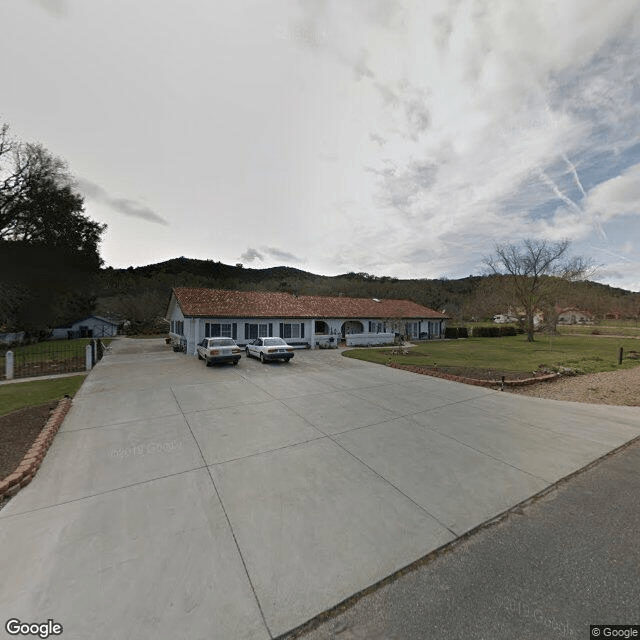
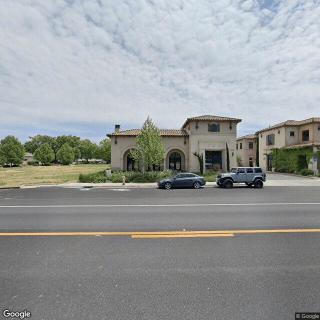
9525 Gallina Court, Atascadero, CA 93422
For more information about senior living options: (866) 208-4318
Paradise Valley Care Costs & Pricing
Paradise Valley Care presents a pricing structure that reflects its premium offerings compared to local and state averages. For a semi-private room, residents can expect to pay $4,500 per month, which is notably higher than the San Luis Obispo County average of $3,575 and California's overall average of $3,333. Private rooms at Paradise Valley Care are priced at $4,900, also above both the county rate of $4,372 and the statewide average of $3,939. Interestingly, their studio accommodations match the private room rate at $4,900 while remaining competitive against local and state figures - San Luis Obispo County averages $4,108 and California's average stands at $4,145. These costs suggest that Paradise Valley Care caters to those seeking enhanced amenities and quality care in a desirable environment.
| Floor plans | Paradise Valley Care | San Luis Obispo County | California |
|---|---|---|---|
| Semi-Private | $4,500 | $3,575 | $3,333 |
| Private | $4,900 | $4,372 | $3,939 |
| Studio | $4,900 | $4,108 | $4,145 |
Memory care communities with a similar price nearby
-
from +$300 / mo
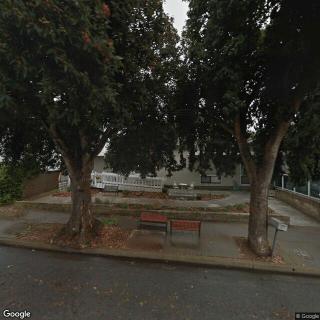
Garden House
$4,800 to $6,150 / month11.2 miles away -
from -$488 / mo
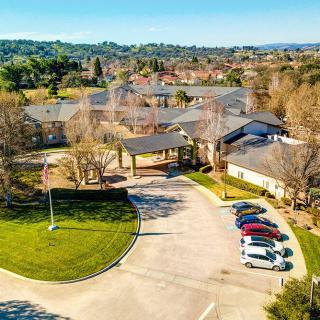
Creston Village
$4,012 to $7,025 / month9.4 miles away -
from +$500 / mo
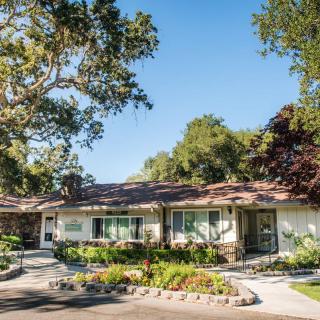
Ingleside Park Assisted Living
$5,000 to $5,500 / month2.6 miles away -
from -$700 / mo
Bella Vita Assisted Living
$3,800 to $5,000 / month3.6 miles away -
from -$500 / mo
A Touch Above Care, INC.
$4,000 to $5,445 / month0.3 miles away
Overall Review of Paradise Valley Care
Pros
 Paradise Valley Care has a welcoming atmosphere and an awesome staff.
- The caregivers are consistently helpful and compassionate.
- The med techs inform family members of any changes in Mom’s health.
- Paradise Valley is recommended for families seeking full and compassionate care for their loved ones.
Cons
 The care home was a disaster for the reviewer’s mother.
- New ownership and renovations did not improve care; the same caregivers remained and delivered poor care.
- The caregivers could not care less about the mother.
- The mother was left in soiled diapers for an extended period.
- The house had been flooded before she moved in, and although mold issues were said to be mitigated, she developed respiratory problems.
- She was hospitalized a third time for pneumonia contracted during her stay, prompting the reviewer to move her back home.
Review
Paradise Valley Care in Atascadero is best suited for families seeking a warm, home-like assisted living experience where staff build real, ongoing relationships with residents and daily routines feel personalized. This community tends to work well for seniors who mainly require help with activities of daily living, want to see familiar faces, and prize a welcoming, low-stress environment over a glossy, institutional vibe. The setting appears to reward regular engagement with caregivers who know the resident by name, and where the atmosphere can feel inclusive rather than clinical. For families that prioritize continuity and a friendly front-line team over rapid, high-intensity medical intervention, Paradise Valley can be a good match.
From the feedback, the strongest upside is the human side, consistently helpful, compassionate staff who form bonds with residents, and med techs who relay health changes clearly. The positive narratives show a resident who stayed there for years because caregivers were known, trusted, and involved enough to keep her routine intact, and visits consistently reveal residents well-dressed and clean. A welcoming mood and “awesome staff” color many days, which translates into reliable daily assistance, punctual medication support, and visible accountability at the front-line level. For families worried about neglect, these patterns offer a meaningful counterweight to fear, provided the care team remains steady and attentive.
Yet the experience is not uniformly positive. The most jarring concerns come from reports of neglect and environmental hazards: a resident allegedly left in soiled diapers, and others purportedly facing a flooded building with mold that allegedly contributed to respiratory issues. One review ties these conditions to a broader pattern that included multiple hospitalizations, casting doubt on the consistency of oversight under certain ownership or management configurations. These accounts cannot be dismissed, because they speak to fundamental safety and dignity issues that most families simply cannot afford to overlook.
How the favorable elements stack up against the risks depends on how the facility leverages its strengths. If a steady, familiar caregiving team remains in place, and if management provides transparent, proactive health updates via med techs, the positives can markedly offset the risk of decline in daily care. A history of keeping residents clean, clothed, and engaged is a powerful defense against the kind of neglect allegations raised in one review. The critical counterbalance is robust environmental maintenance, clear responsiveness to maintenance problems, and a care leadership structure that can move quickly when issues arise. In short, the care floor thrives when supervision is tight and turnover is low.
Families who should consider alternatives are those who require guaranteed, round-the-clock medical oversight or who must live in an environment with proven, consistently safe conditions. Residents with complex medical needs, high risk of infections, or cognitive issues that demand specialized memory care may be better served by communities with stronger nurse staffing ratios or dedicated medical directors. Prospective residents should demand to meet the caregiving team, ask for tour-time access to care plans, check for a stable caregiver roster, and review incident and maintenance logs. If instability in ownership or inconsistent maintenance is a red flag, approach with caution and explore other options.
Bottom line: Paradise Valley Care can be a strong choice for families who value personal attention, continuity, and a welcoming front-line team, but the decision must be tempered by vigilance around maintenance, safety, and leadership stability. The best path is a disciplined due diligence process: tour at different times, speak with caregivers and the director, request sample care plans, and verify caregiver assignment patterns. If comfort with daily interactions and visible cleanliness is high and oversight is predictable, Paradise Valley delivers a genuinely people-centered living experience. If not, alternatives that emphasize consistent medical oversight and environmental safety deserve serious consideration.
 15 resident community capacity
 Studio apartments
 Assisted Living
 Board and Care Home
 Memory Care
 Activities on-site
 Cable or satellite TV
 Dining room
 Fully furnished
 Garden
 Housekeeping services
 Indoor common areas
 Laundry
 Move-in coordination
 Outdoor common areas
 Private
 Swimming pool / hot tub
 Telephone
 Wi-Fi/high-speed internet available
 San Luis Obispo Co-McChesney (17 miles away)
 24-hour supervision
 Assistance with bathing
 Assistance with dressing
 Assistance with transfers
 Diabetes diet
 Diabetic care
 Hospice care
 Incontinence care
 Meal preparation and service
 Medication management
 Physical therapy
 Special dietary restrictions
 Transportation arrangement (medical)
 Transportation to doctors appointments
 English

 8 Important Indicators That Memory Care May Be Necessary
 Delving into the Inner World of Dementia: Insights into Thoughts and Awareness
 Five Subtle Dementia Indicators to Observe: An In-Depth Guide to Understanding “Does My Mom Have Dementia?”