Valley Crest Memory Care in Apple Valley, CA

Save

  • Interior

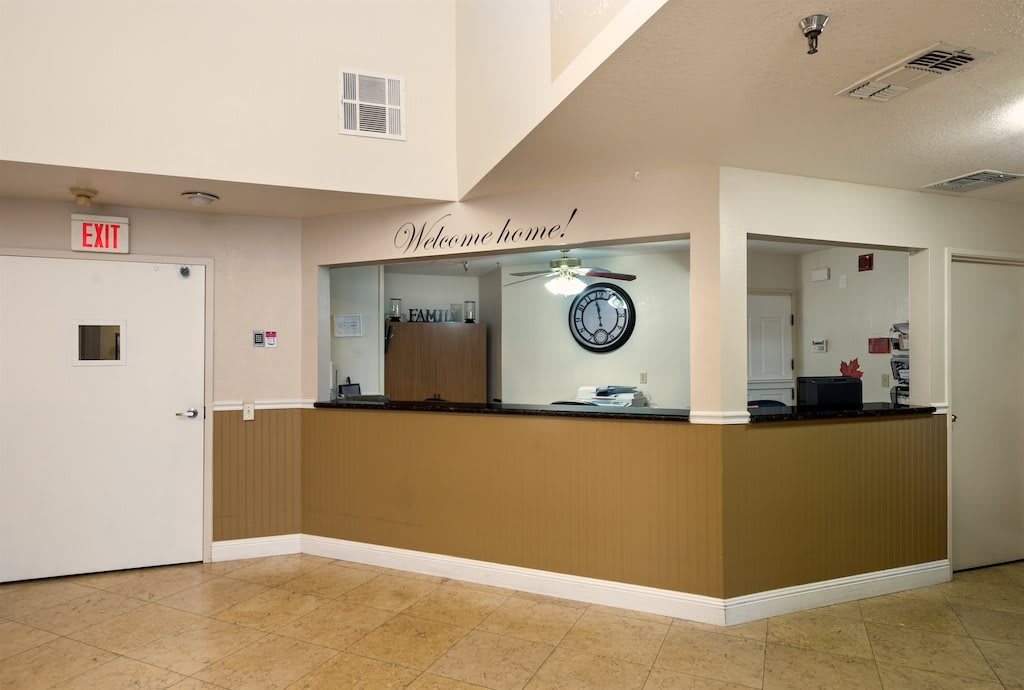
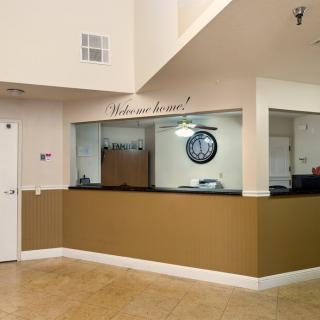
    A welcoming office reception area with a desk and a 'Welcome' sign on the wall.
  • Decor

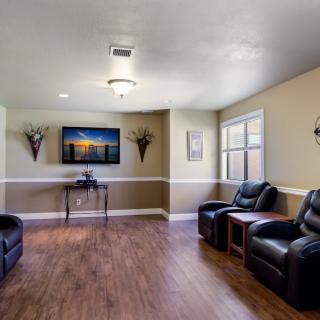
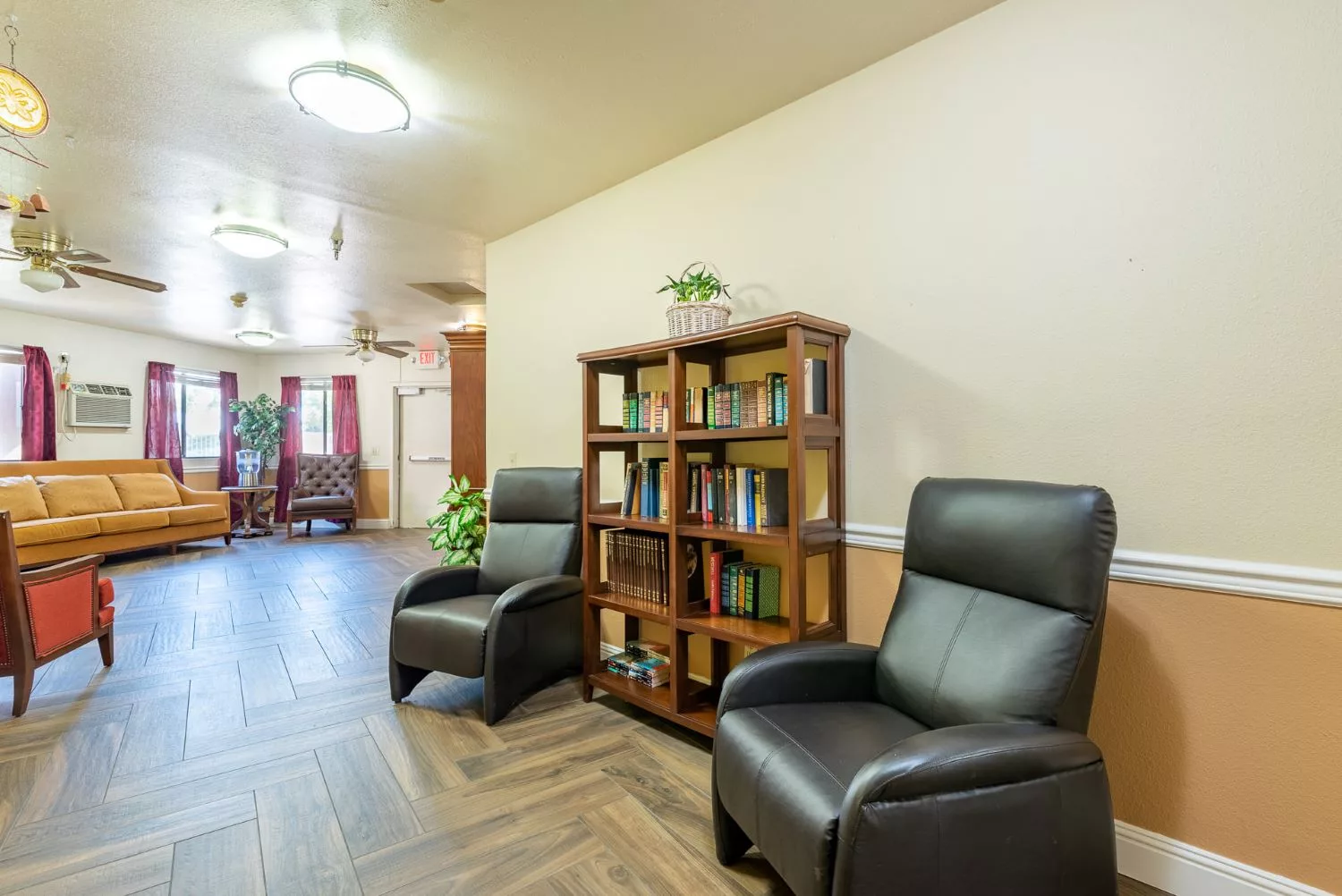
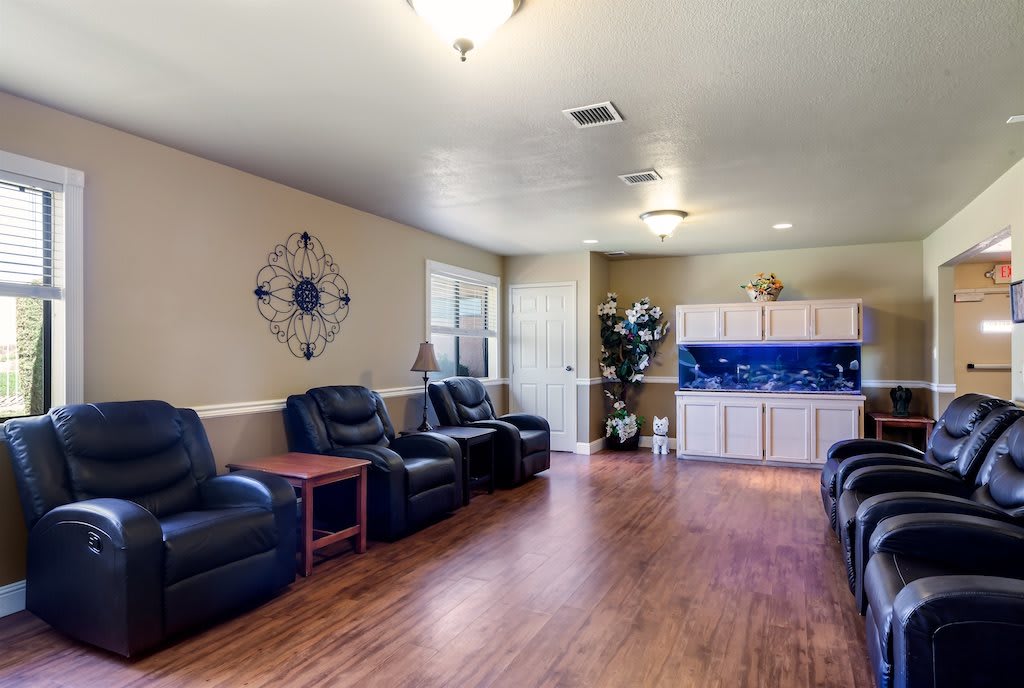
    A spacious living room with leather chairs and hardwood flooring.
  • Living Room

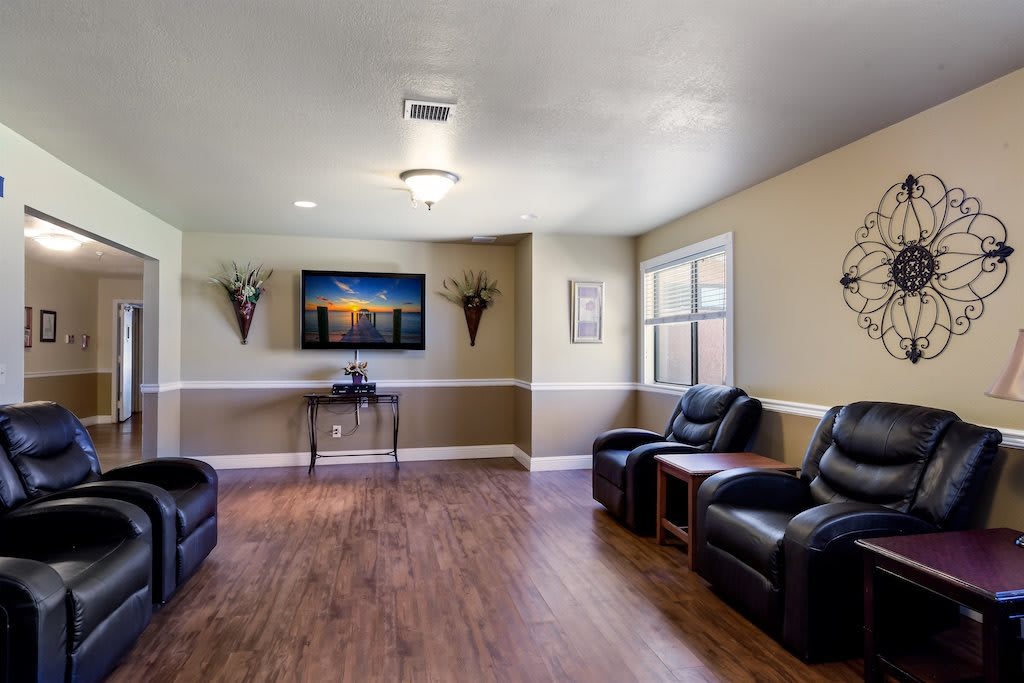
    A cozy living room with leather chairs, a television, and a hardwood floor.
  • Building

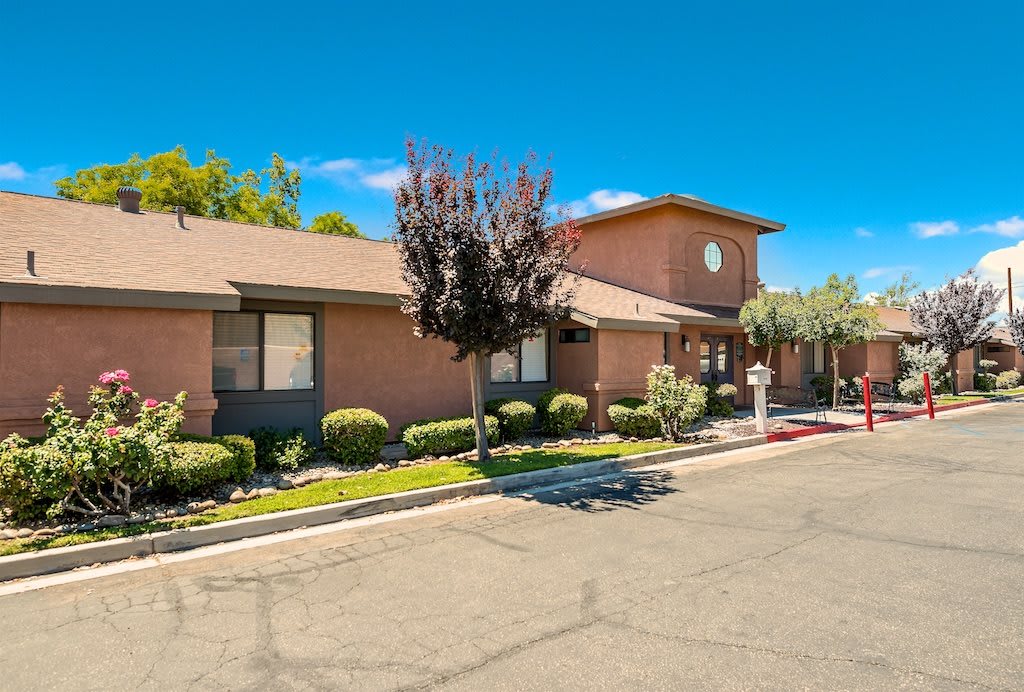
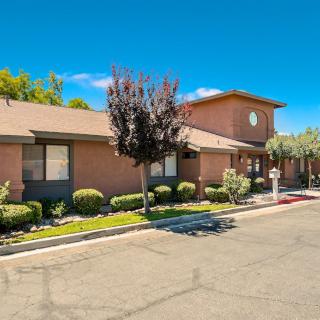
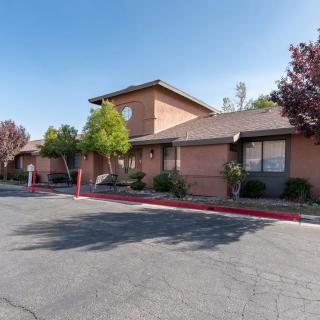
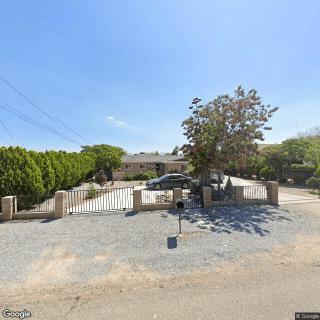
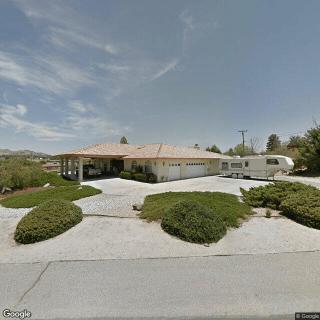
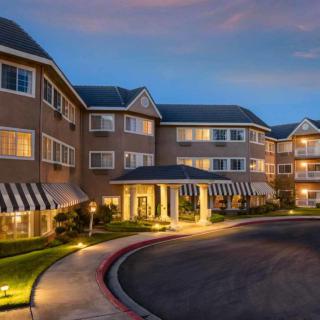
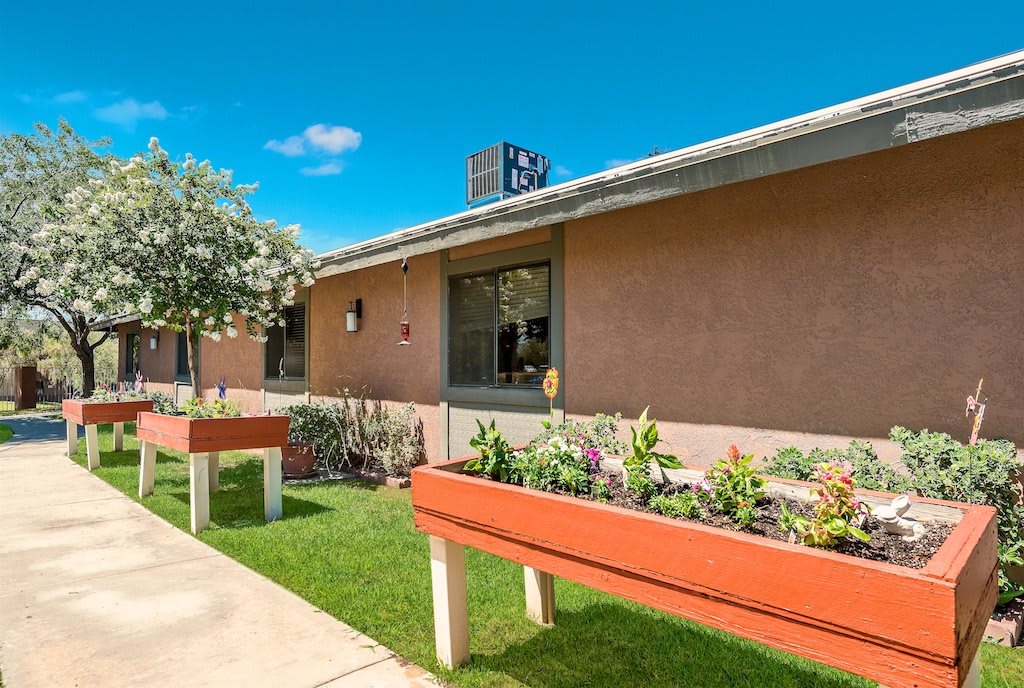
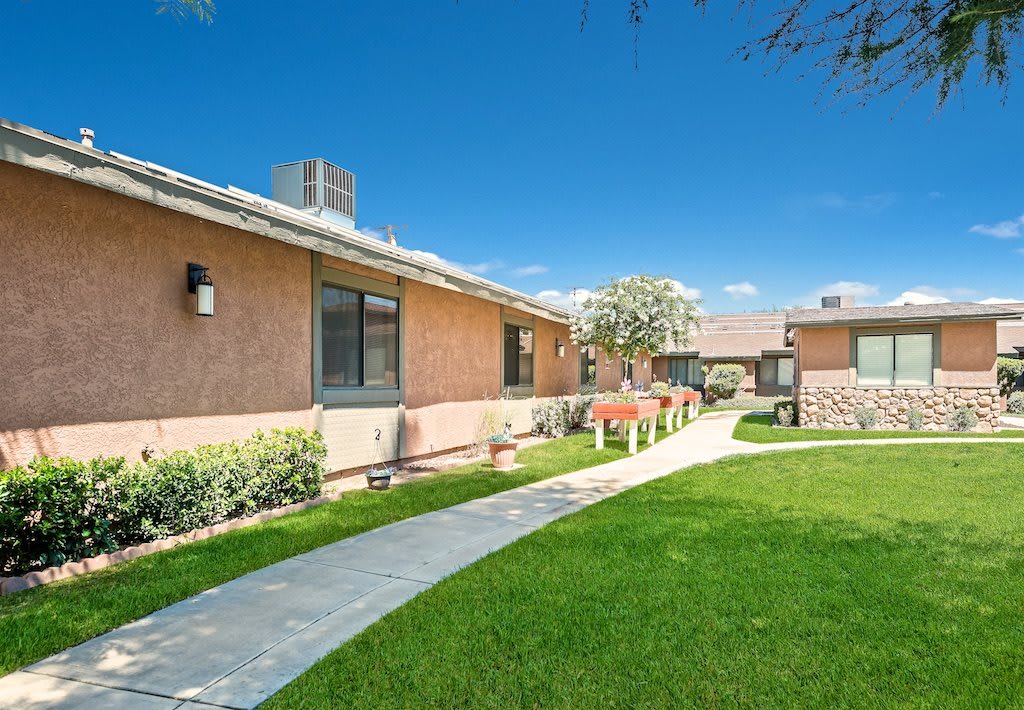
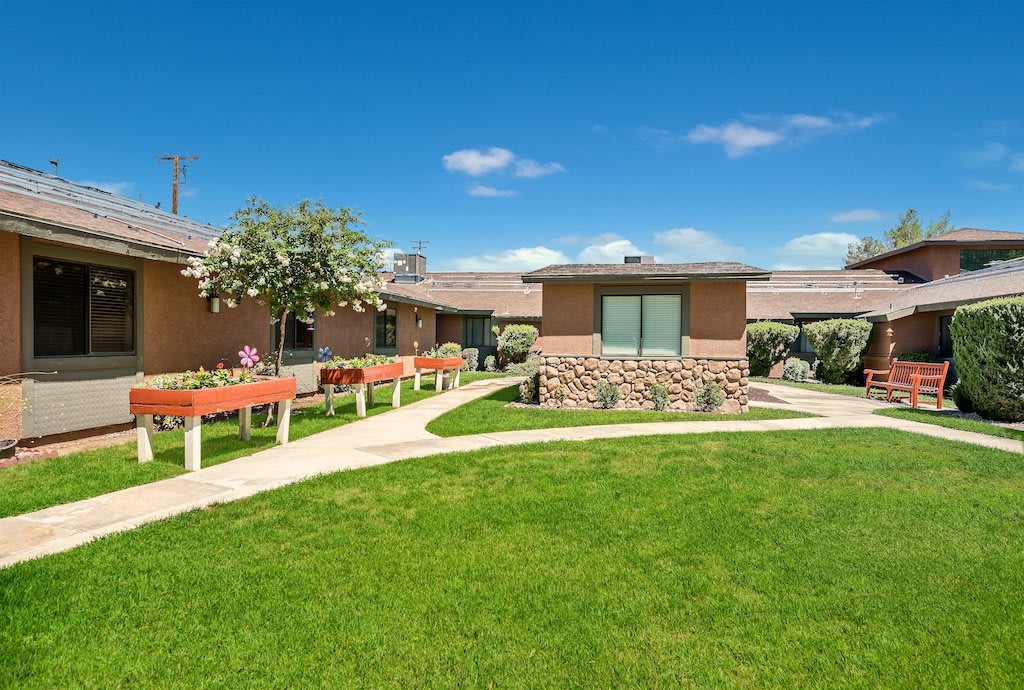
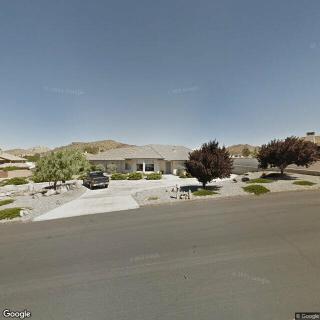
    A residential building in a suburban area with well-maintained landscaping and a clear blue sky.
  • Architecture

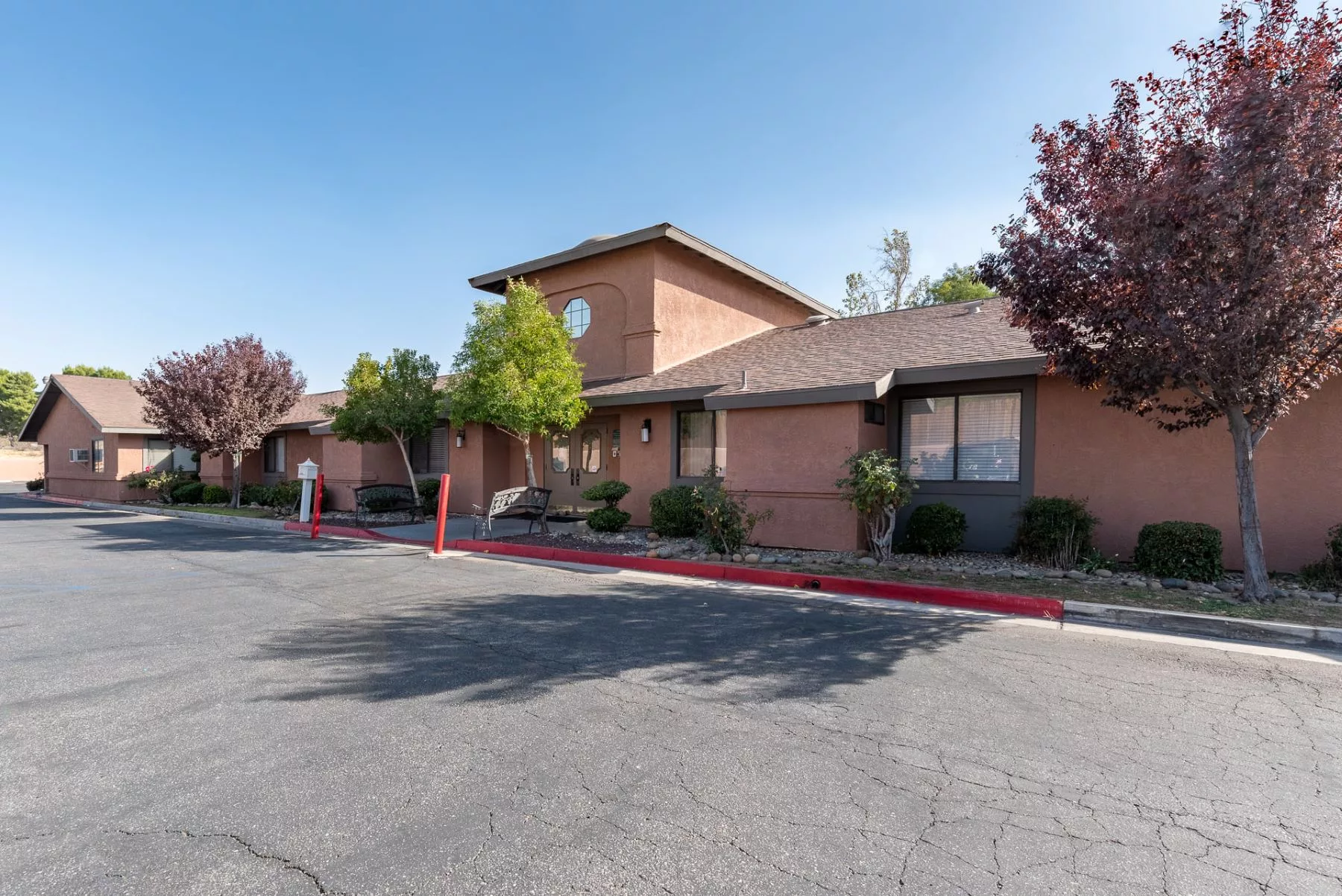
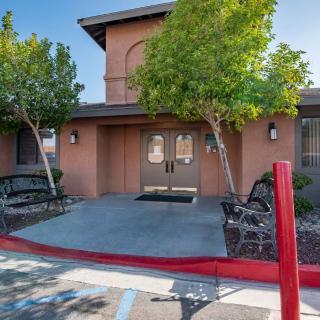
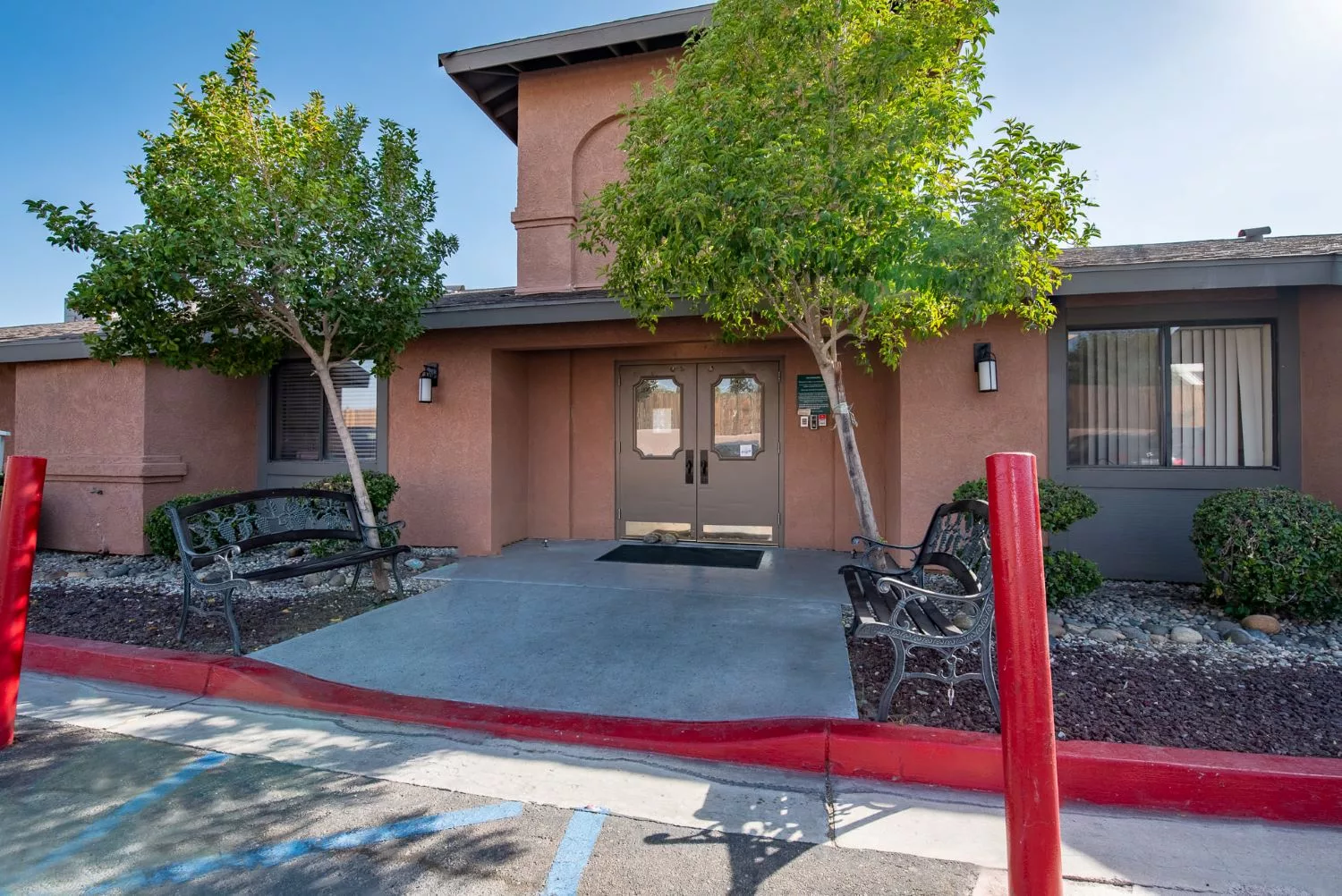
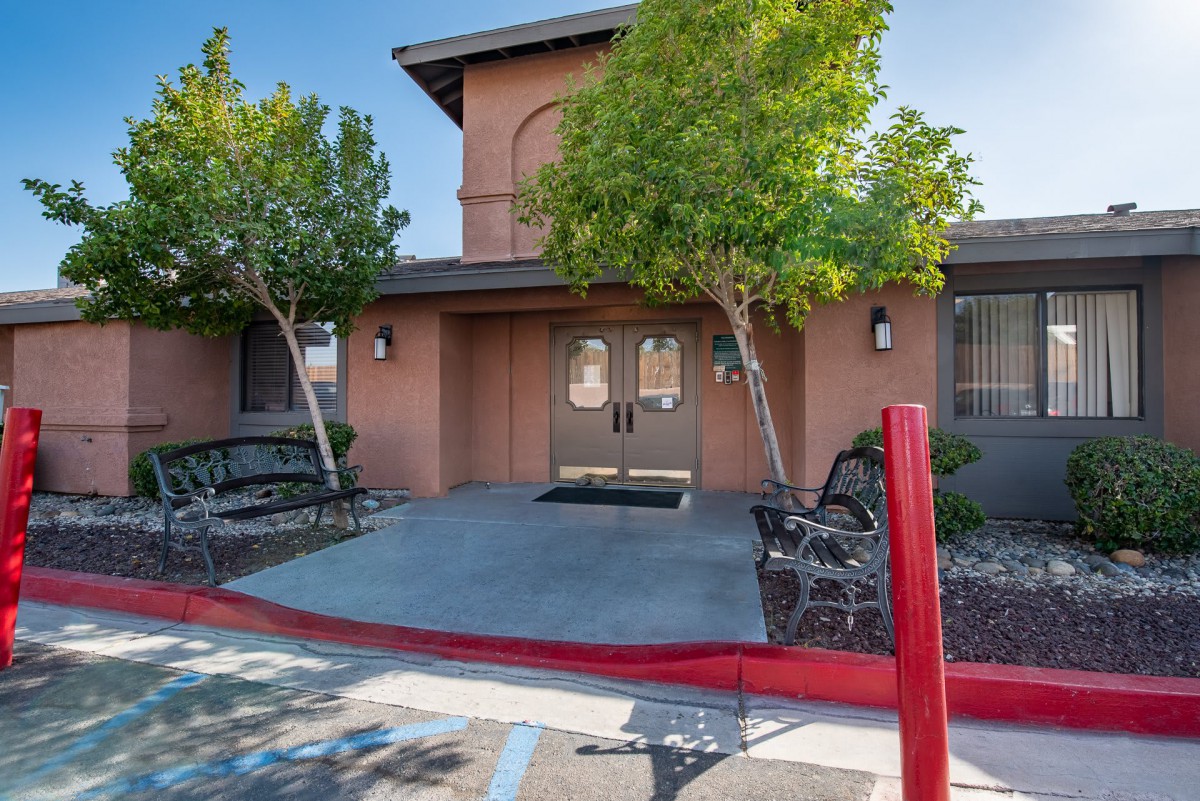
    Entrance to a brick building with benches and trees.
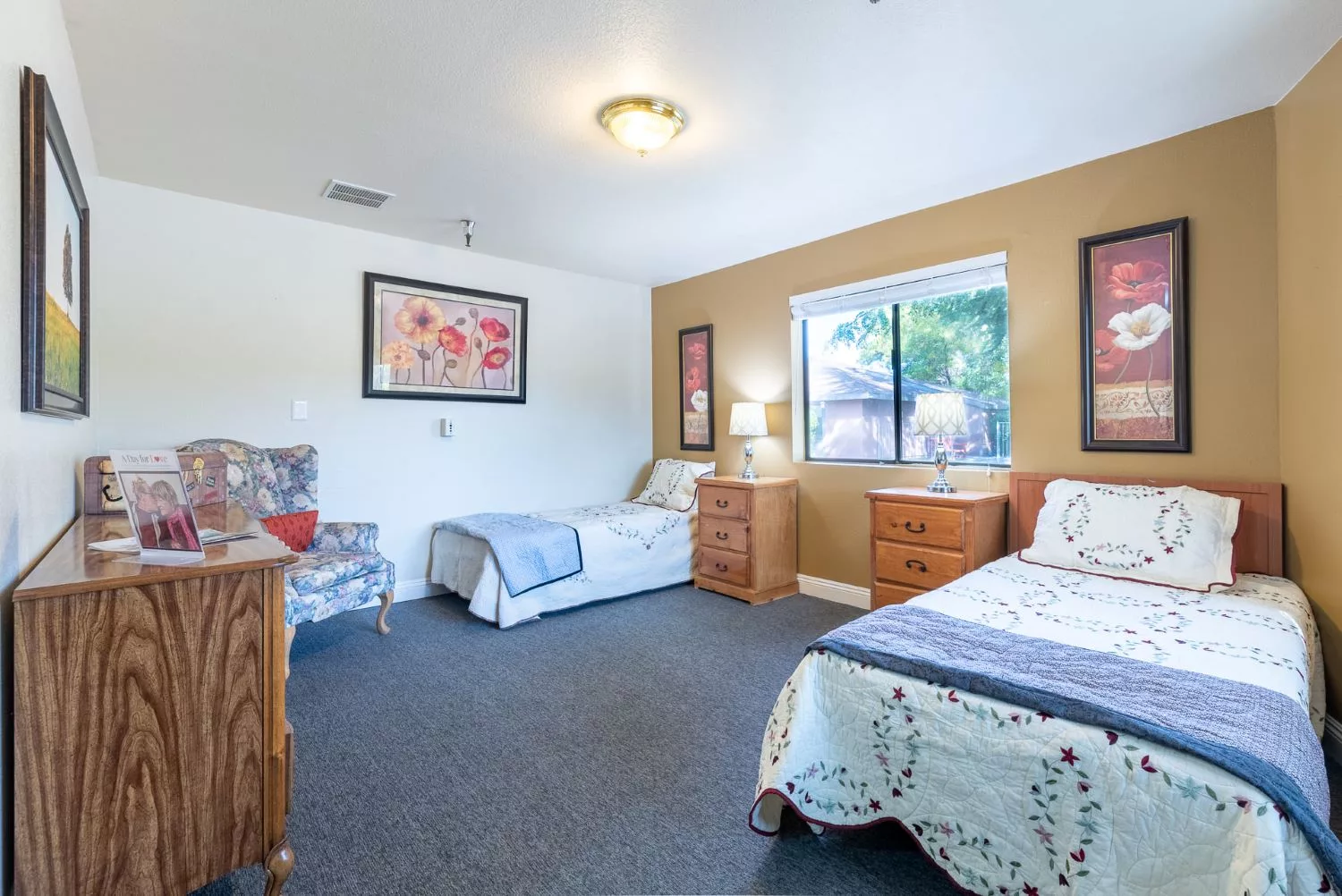
  • Bedroom

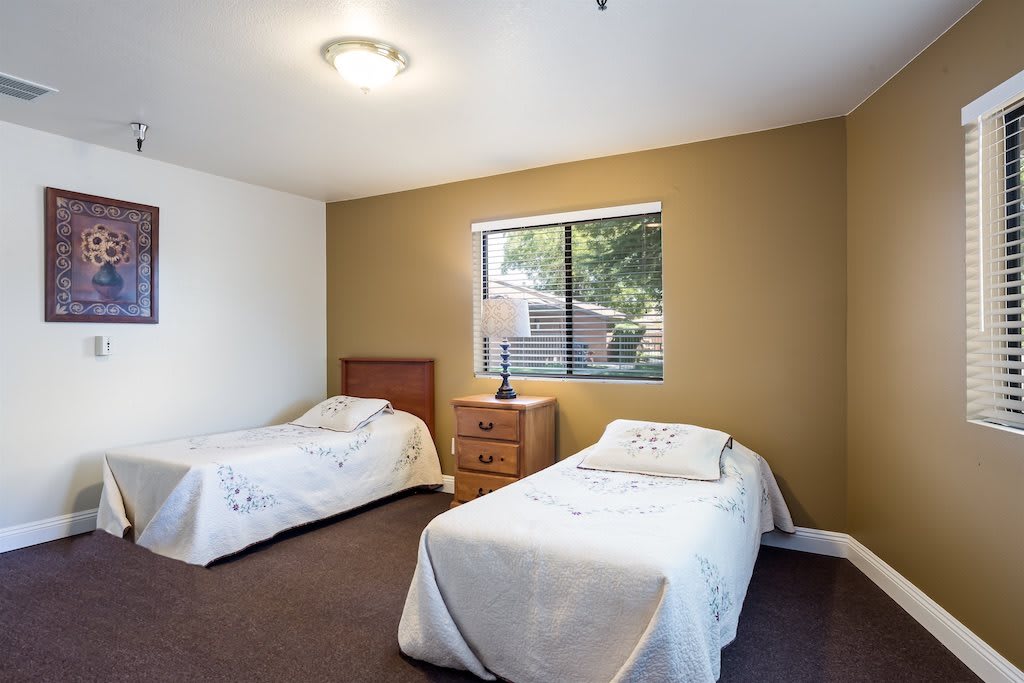
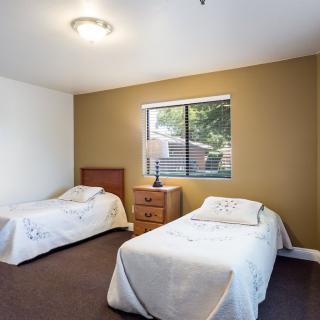
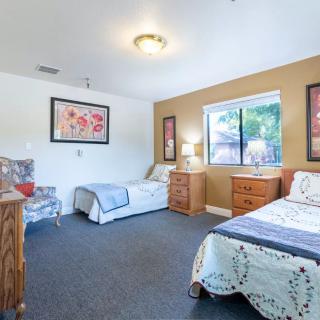
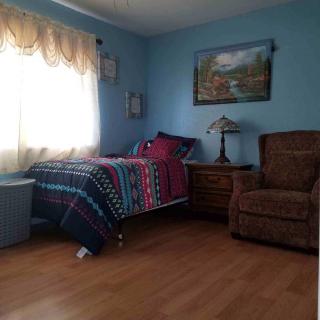
    A cozy bedroom with two single beds, a central nightstand, and a window bringing in natural light.
  • Trees

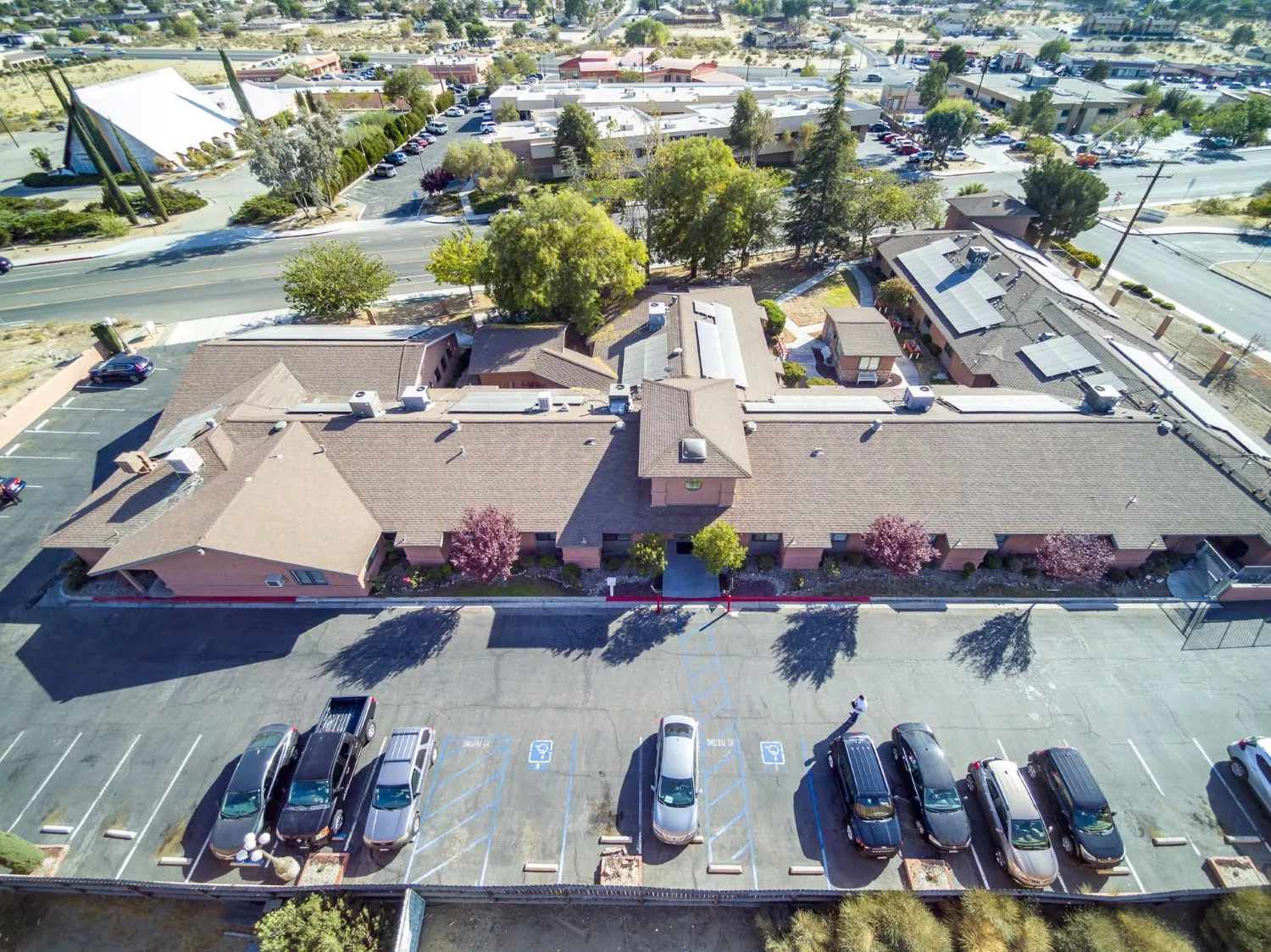
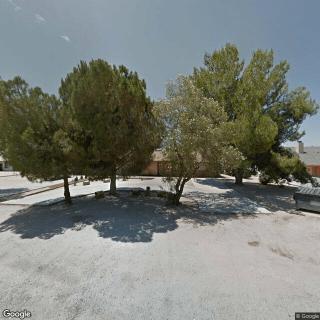
    A suburban brick building with trees and a parking lot in front.
  • Windows

    A cozy bedroom with two twin beds, featuring wooden furniture and a large window providing natural light.
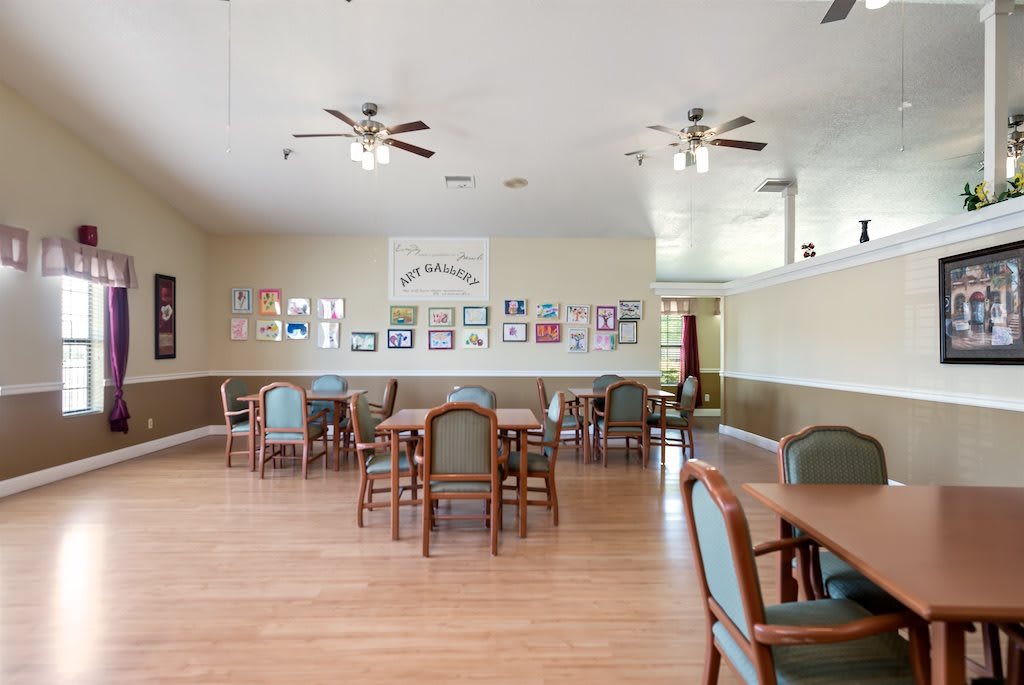
  • Dining

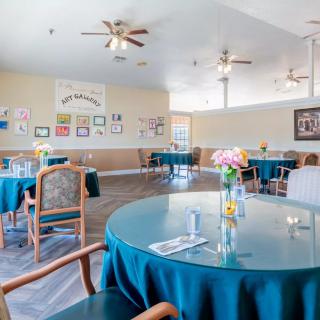
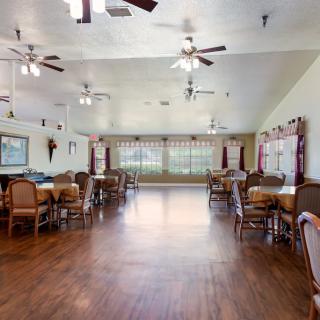
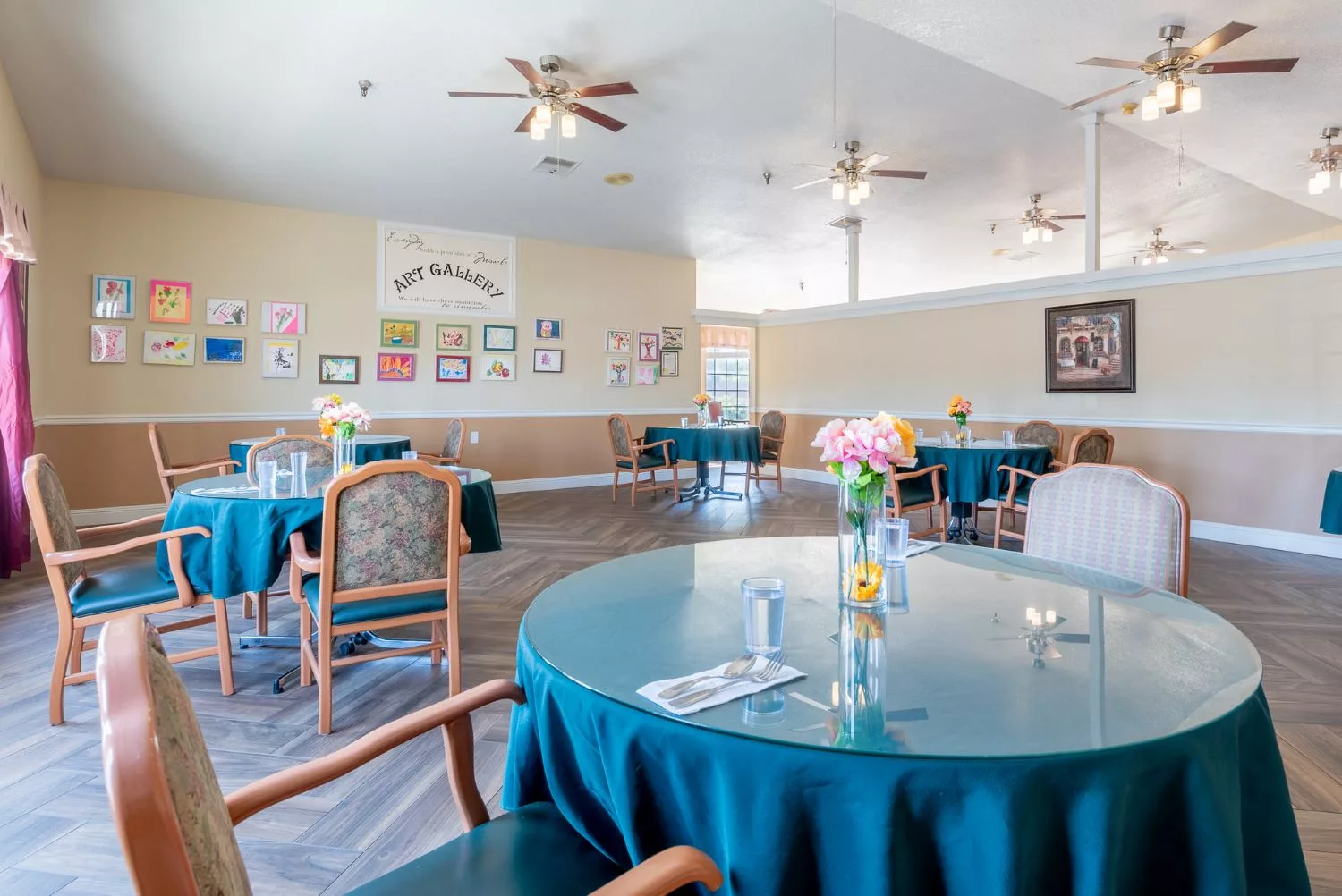
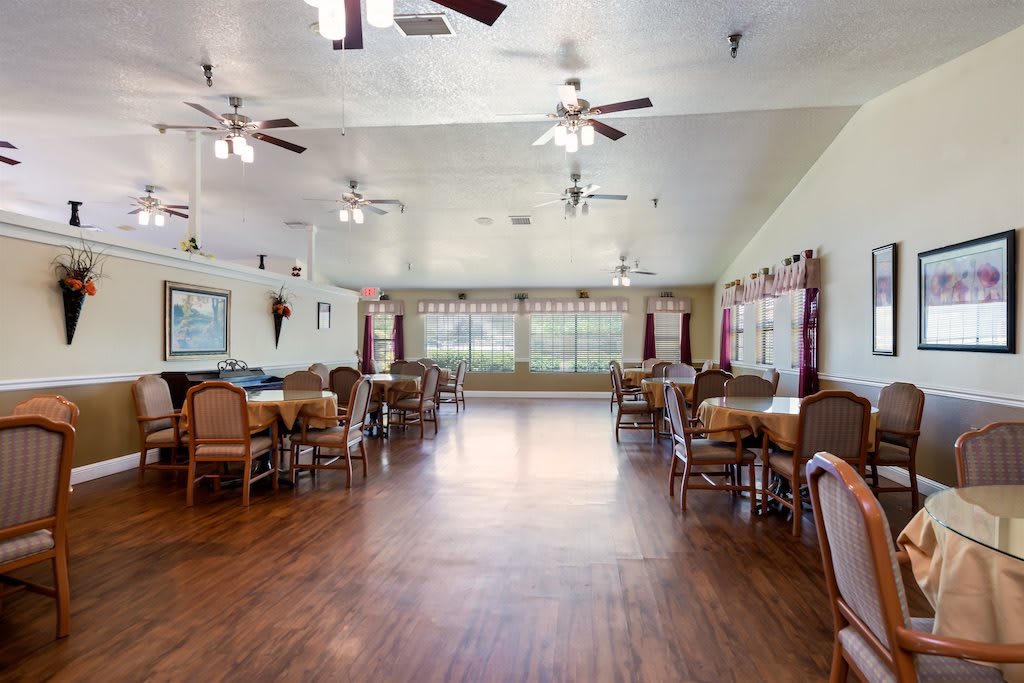
    Spacious dining room with round tables, decorated with flowers and ceiling fans overhead.
  • Landscaping

    Business sign for Valley Carpet in front of a commercial building, with flags and landscaping.
  • Garden

    A well-maintained residential area with a green lawn and a pathway.
  • Entrance

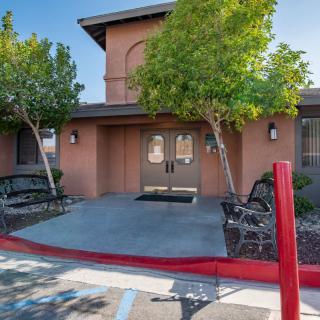
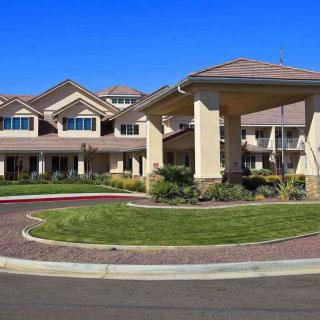
    A building entrance with two trees and benches on either side of the paved pathway.
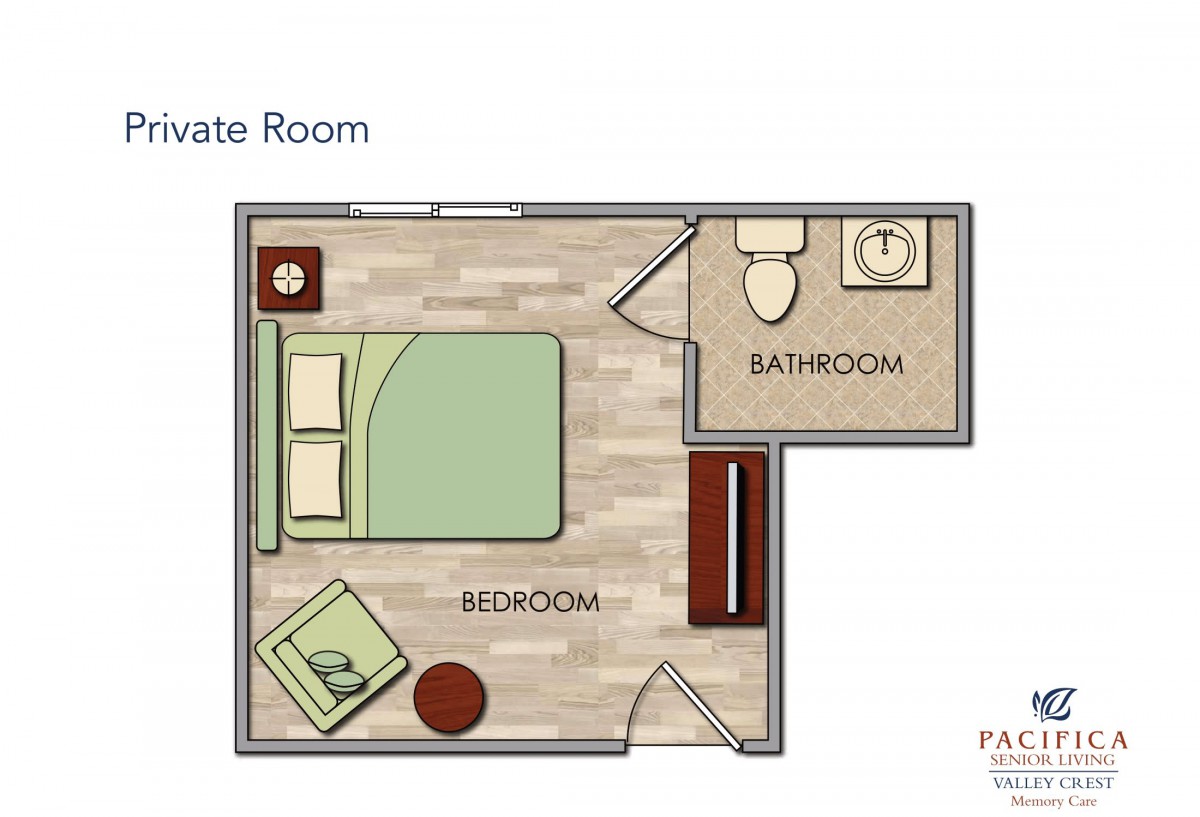
  • Floor Plan

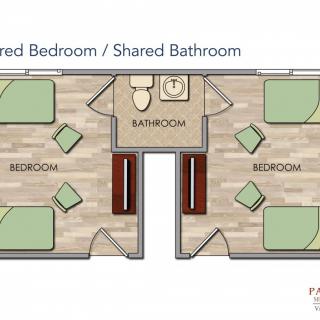
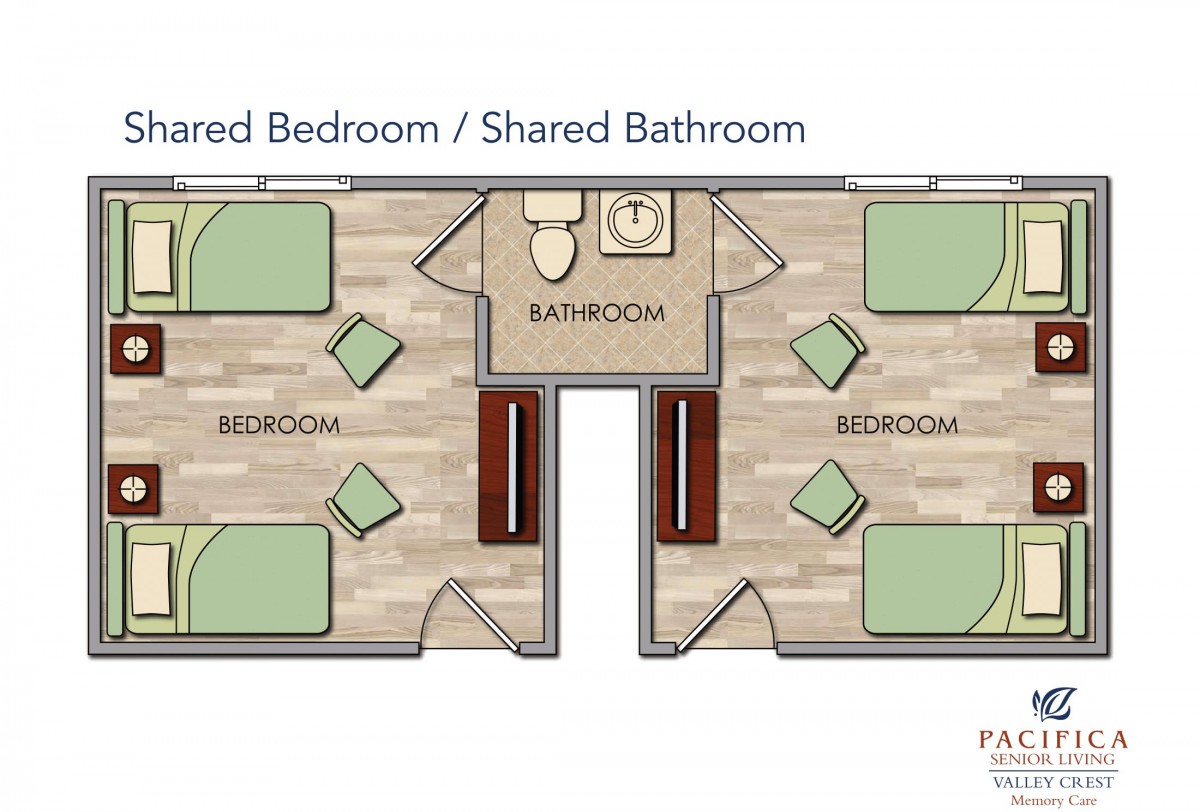
    A floor plan depicting two shared bedrooms with a central shared bathroom.
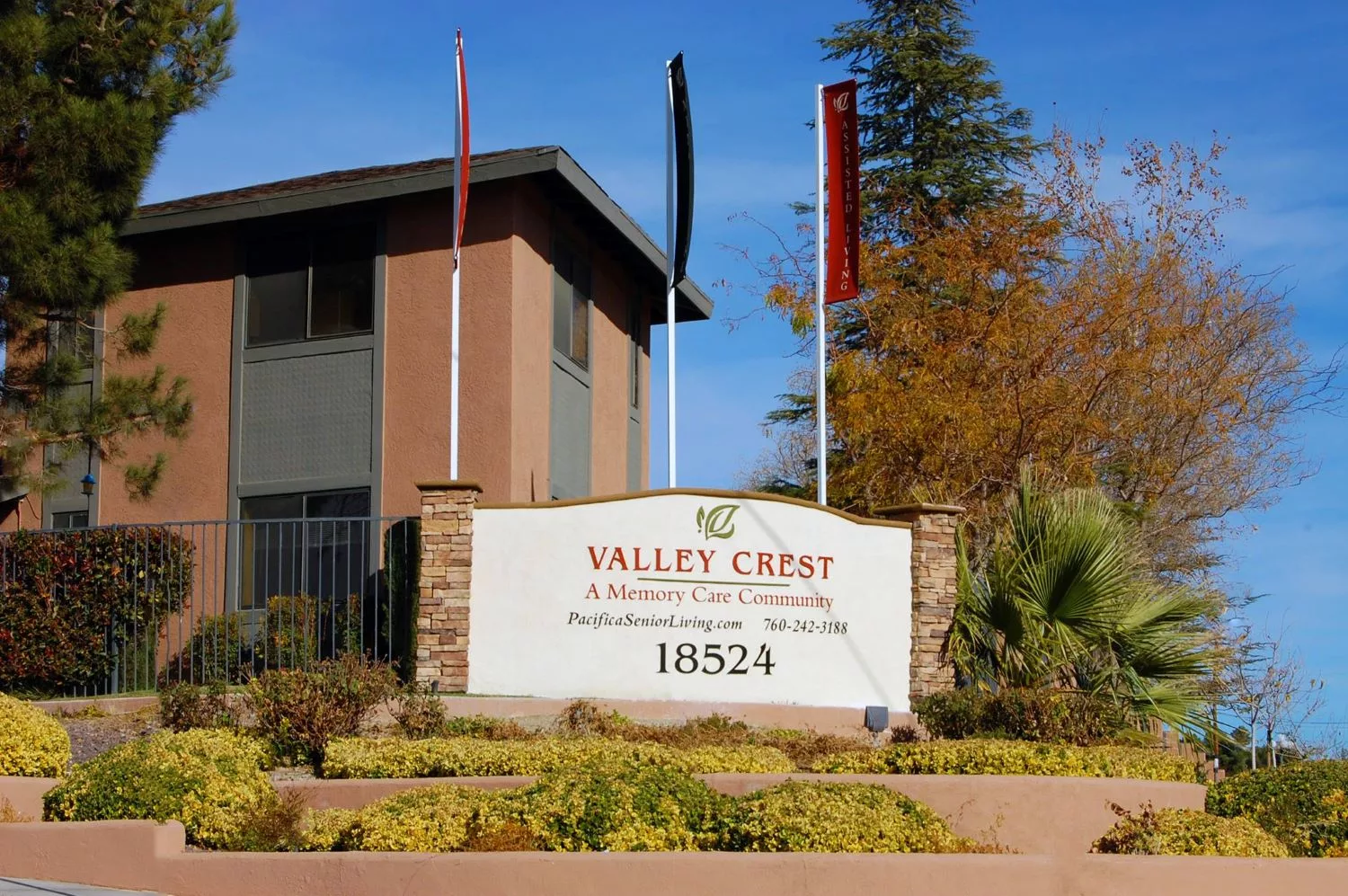
  • Outdoor

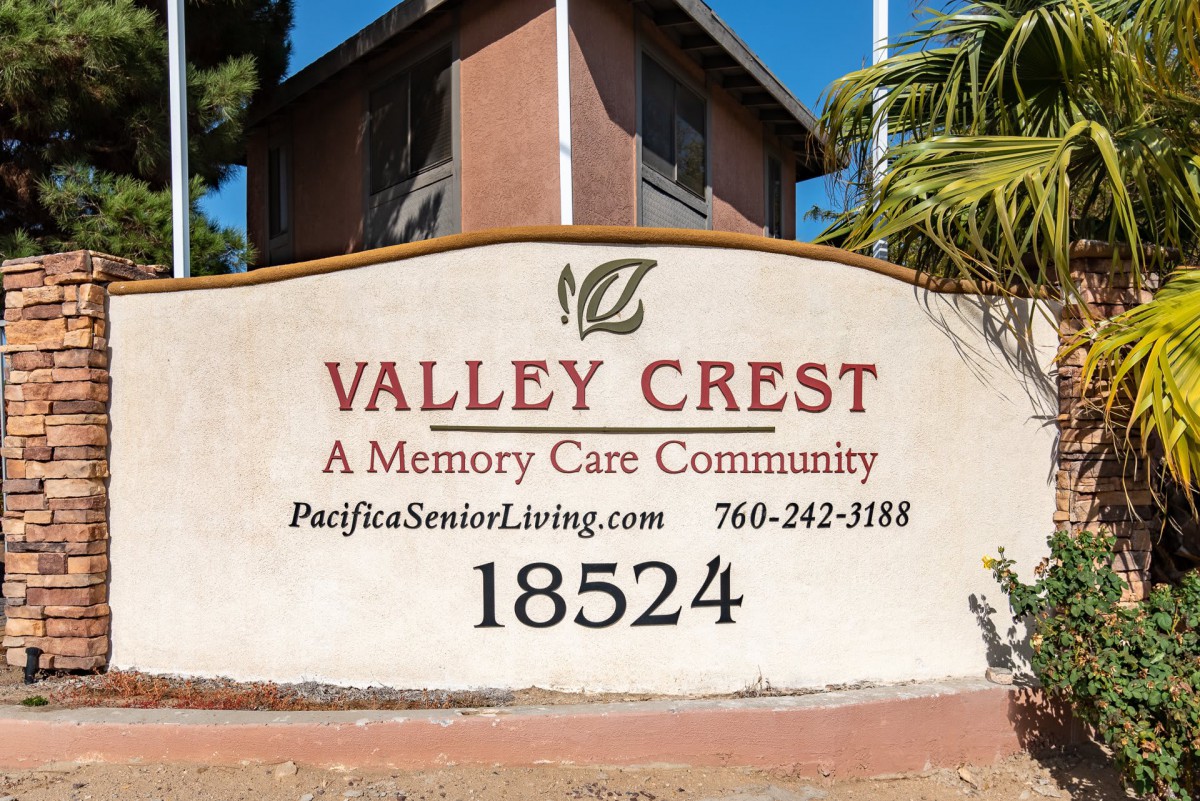
    Sign for Valley Crest, a memory care community.

Valley Crest Memory Care in Apple Valley, CA

18524 Corwin Road, Apple Valley, CA 92307

For more information about senior living options: (844) 490-3973

4.3 from 119 reviews
5 stars
73
4 stars
27
3 stars
8
2 stars
6
1 stars
5

Memory Care

Valley Crest Memory Care Costs & Pricing

Valley Crest Memory Care offers competitive pricing for its services, with monthly costs that align closely with the broader market. For a semi-private room, residents can expect to pay $3,000 per month, which is slightly above the San Bernardino County average of $2,958 but significantly lower than the California state average of $3,333. In comparison, the studio option at Valley Crest is priced at $4,095, which falls within a similar range as the state average of $4,145 while being notably higher than the county's average of $3,455. Overall, Valley Crest provides a valuable balance between quality care and affordability in an evolving financial landscape for memory care facilities.

Floor plansValley Crest Memory CareSan Bernardino CountyCalifornia
Semi-Private$3,000$2,958$3,333
Studio$4,095$3,455$4,145

Overall Review of Valley Crest Memory Care

Pros

  • pro Valley Crest listens to residents and shows genuine care, with remarkable results.
  • pro The director and staff go above and beyond to address issues and ensure high-quality care.
  • pro The team works together across staff, dining, and housekeeping to provide truly blessed care.
  • pro Valley Crest Memory Care is clean, bright, and feels like home, with friendly staff.
  • pro Residents are treated with dignity and respect and are called by name.
  • pro The activities director creates engaging programs that keep residents active and happy.
  • pro The dining program offers nutritious, well-prepared meals with attentive assistance when needed.
  • pro Families consistently describe the staff as compassionate, patient, and attentive.
  • pro The administration is professional, supportive, and communicative.
  • pro The memory-care environment is bright, secure, and well organized, with safety features and clear routines.
  • pro Staff are caring, knowledgeable, and able to comfort residents with love and concern.
  • pro Valley Crest is described by many as a godsend and a top choice for memory care.

Cons

  • pro The food looked and tasted horrible.
  • pro There were times residents wouldn't be bathed for a week or two.
  • pro The fact that siblings/relatives were left waiting with little to no check-ins was highlighted as neglectful.
  • pro The residents steal things; it's really frustrating.
  • pro Do not put your loved one here.
  • pro The lunch experience was a total disaster and very unorganized.
  • pro A nurse spoke about a patient's death multiple times in front of the family, which felt disrespectful.
  • pro Valley Crest Memory Care has much lower functioning; residents look like little alive vegetables and don't respond.
  • pro One resident groped others and became violent, raising safety concerns.
  • pro The facility is old, dreary, and lacking d?cor.
  • pro Management was criticized for poor ethics and unprofessionalism.

Review

Valley Crest Memory Care in Apple Valley is best suited for families seeking dementia-focused, relationship-driven care wrapped in a homey, community-oriented environment. It works well for residents who benefit from staff who know them by name, who respond to redirection with patience, and who thrive in a setting that emphasizes daily routines, gentle engagement, and meaningful activities. Those who may want to consider alternatives include families needing around-the-clock, high-intensity medical oversight, or those chasing luxury amenities, polished dining, or a newer facility. If cost is a concern and the goal is to maximize value while prioritizing warmth and continuity, Valley Crest often delivers; if a more clinical, upscale setting is the priority, look elsewhere.

The strongest, consistent pro is the staff culture - caring, attentive, and dementia-savvy. Multiple families recount caregivers who stay calm under pressure, advocate for residents, and treat each person as an individual. Administration is described as accessible and compassionate, with leaders who step in to coordinate hospital visits, med management, and daily routines. Residents appear to benefit from a system that emphasizes personalized care plans, familiar faces, and predictable schedules. The campus also earns praise for cleanliness, safe design, and a sense that the environment respects residents' dignity, with activity directors and therapy-like programming that keep minds engaged and spirits uplifted.

Yet the reviews do not ignore notable drawbacks. A recurring theme is inconsistency in operations: meals that sometimes fail to meet expectations, uneven dining flow, and occasional lapses in attention during mealtimes. Some families report that rooms are basic or shared, with maintenance and d?cor not always up to the image suggested by the brochure. Other critiques touch on billing confusion, staff shortages at certain shifts, and moments when communication could have been more proactive or timely - issues that can feel amplified in a memory-care setting where families crave dependable handoffs and seamless transitions. A few residents' experiences describe episodic neglect, such as insufficient bathing or delayed attention, underscoring that staffing levels and process discipline matter as dementia care intensifies.

Against those concerns, the offsetting gains are substantive. The core value lies in the human connection: residents are known, respected, and nurtured by a team that strives to meet them where they are in dementia's progression. Several families celebrate the leadership that partners with families during hospitalizations, medication changes, and even hospice transitions, with staff who coordinate care and communicate in meaningful ways. The garden, courtyard, and on-site activities - art, games, and community outings - provide outlets that support mood, memory recall, and social belonging. For many, Valley Crest becomes a place that feels like family, where staff presence and daily rituals reduce anxiety for both residents and their loved ones.

Considering the operational realities, Valley Crest is a practical choice for memory-care needs when the priority is a compassionate, personable crew and a sense of "home." It is especially appealing for families who value individualized attention, routine, and a community that treats residents as whole people, not numbers. It may be less ideal for families seeking ultra-modern interiors, highly regimented dining systems, or aggressive cost-cutting together with premium services. Those weighing options should evaluate whether current staff-to-resident ratios, dietary coordination, and room configurations align with their loved one's preferences and medical needs. A candid tour, questions about shift handoffs, and a request to observe an activity or mealtime can illuminate how valley Crest will perform on a daily basis.

In sum, Valley Crest Memory Care stands out as a solid, dependable choice for dementia care in Apple Valley when the measure of success is genuine compassion, daily warmth, and individualized attention. The staff's dedication, the sense of family, and the focus on meaningful activity can outweigh occasional dining inconsistencies, modest room setups, and episodic administrative hiccups. Families should enter with clear priorities: if connection, dignity, and a home-like rhythm trump luxury and perfect efficiency, Valley Crest is likely to deliver peace of mind and comfort for a loved one. If not, alternatives with stronger clinical oversight, newer facilities, or more formal dining protocols may be warranted, but they will require sacrificing the intimate, caregiver-centered culture Valley Crest consistently cultivates.

Features

Housing

  • 33 resident community capacity 33 resident community capacity
  • 1-bedroom apartments 1-bedroom apartments1-bedroom apartments are important for seniors because they provide a sense of independence, privacy, and autonomy while still offering the necessary space for comfortable living. These apartments allow seniors to maintain their own personal space and lifestyle preferences in a supportive community setting.

Types of Care

  • Memory Care Memory CareMemory care is crucial for seniors as it provides specialized support and services for individuals with dementia or Alzheimer's disease. These programs offer a safe and secure environment where residents receive personalized care, cognitive stimulation, and help with daily activities. Memory care helps seniors maintain their independence, quality of life, and dignity while also providing peace of mind for their families.

Amenities

  • Activities on-site Activities on-siteActivities on-site are important for seniors because they provide opportunities for socialization, mental stimulation, physical activity, and overall well-being. Engaging in activities can help seniors stay active, maintain their independence, and improve their quality of life.
  • Air-conditioning Air-conditioningAir conditioning is important for seniors as they are more vulnerable to heat-related illnesses and may have underlying health conditions that make it difficult for them to regulate their body temperature. It helps to keep them comfortable, safe, and healthy in hot weather.
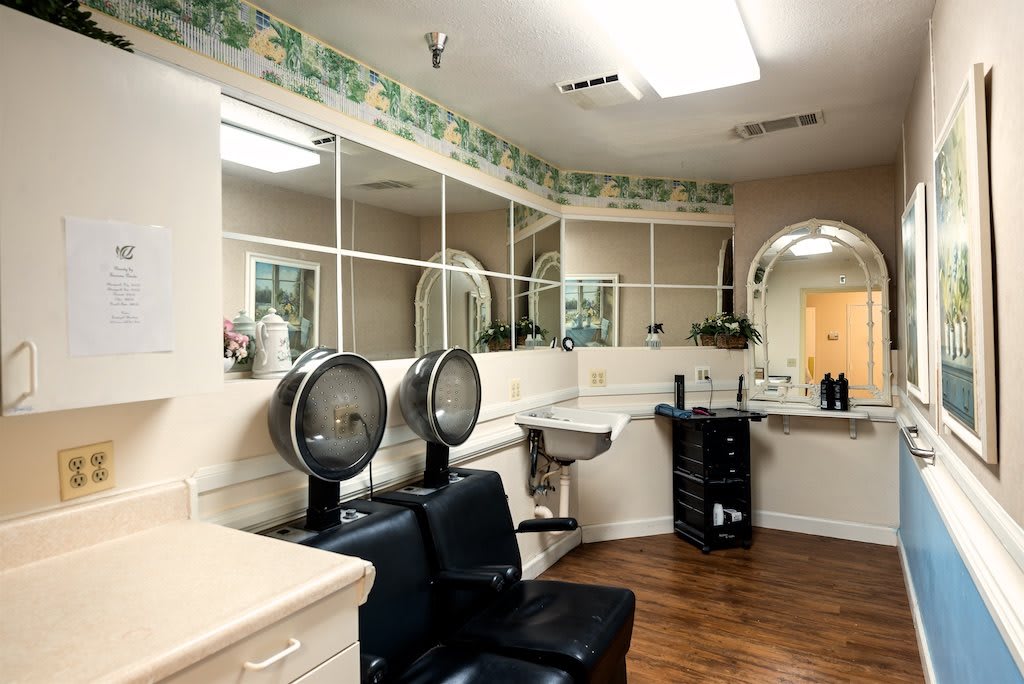
  • Beautician on-site Beautician on-siteHaving a beautician on-site at a senior living community is important for seniors as it allows them to easily access grooming and personal care services, boosting their self-esteem and overall well-being. It also provides convenience and helps seniors maintain their sense of independence and personal style.
  • Beauty salon Beauty salonBeauty salons are important for seniors because they provide a space for them to feel pampered, socialize, and maintain their personal grooming and hygiene. Regular visits to a beauty salon can help boost seniors' self-esteem and overall well-being.
  • Cable or satellite TV Cable or satellite TVCable or satellite TV is important for seniors because it provides entertainment, news, and companionship, helping to combat loneliness and boredom. It also offers a wide range of programming options tailored to different interests and preferences.
  • Computer center Computer centerA computer center is essential for seniors as it provides access to technology, communication tools, and resources that can enhance their daily lives. It allows them to stay connected with loved ones, engage in online activities, and learn new skills, ultimately promoting socialization and mental stimulation.
  • Devotional services on-site Devotional services on-siteDevotional services on-site provide seniors with spiritual support and a sense of community, as well as an opportunity for reflection and guidance during their senior living experience. This can promote emotional well-being and connection to others, leading to a more fulfilling and enriching lifestyle in their later years.
  • Dining room Dining roomDining rooms are important for seniors as they provide a space for socialization, connection, and nutritious meals. They offer opportunities for residents to bond over shared meals, foster a sense of community, and promote healthy eating habits. Dining rooms also ensure that seniors have access to well-balanced meals tailored to their dietary needs and preferences.
  • Fitness room Fitness roomHaving a fitness room in a senior living community is essential for seniors to stay active, maintain their physical health, and improve their overall well-being. Regular exercise can help prevent falls, reduce the risk of chronic diseases, and promote mental sharpness. It also provides social opportunities for residents to connect with others and enjoy a sense of community.
  • Fully furnished Fully furnishedFully furnished senior living communities are important for seniors because they provide convenience, comfort, and a hassle-free moving experience. Seniors can easily settle into their new living space without the stress of having to buy and move furniture. This allows them to focus on enjoying their new home and community.
  • Gaming room Gaming roomGaming rooms are important for seniors as they provide a fun and engaging environment for socializing, cognitive stimulation, and physical activity. Games can improve memory, problem-solving skills, and overall mental well-being while fostering friendships and reducing feelings of isolation.
  • Garden GardenGardens are important for seniors as they provide a peaceful and therapeutic environment for relaxation, physical activity, and socialization. Being in nature has been shown to reduce stress, improve mood, and promote overall well-being. Gardens also offer opportunities for seniors to engage in gardening activities, which can improve mobility, flexibility, and cognitive function. Additionally, gardens create a sense of community and connection with others who share a passion for plants and outdoor spaces.
  • Ground floor units Ground floor unitsGround floor units are important for seniors because they provide easy accessibility, reduced risk of falls and injuries, and convenience for those with mobility issues. Seniors can avoid climbing stairs or using elevators, making daily tasks and activities more manageable and enjoyable.
  • Guasts at mealtime Guasts at mealtime"Guests at mealtime" offer seniors the opportunity for social interaction, companionship, and a sense of community during meals, which can help combat feelings of loneliness and isolation commonly experienced in senior living environments. It can also enhance their overall dining experience and improve their mental and emotional well-being.
  • Guest parking Guest parkingGuest parking is important for seniors because it allows their friends and family members to visit them easily and safely. Having convenient parking options can help combat feelings of isolation and loneliness, promote regular social interaction, and improve overall mental and emotional well-being for seniors in senior living communities.
  • Housekeeping services Housekeeping servicesHousekeeping services are important for seniors because they help maintain a clean and safe living environment, promote independence, and reduce the risk of accidents or illnesses. Additionally, having assistance with household chores can alleviate physical strain and allow seniors to focus on other aspects of their well-being.
  • Indoor common areas Indoor common areasIndoor common areas are crucial for seniors as they provide a space for socialization, recreation, and community engagement, promoting overall well-being and reducing feelings of isolation and loneliness.
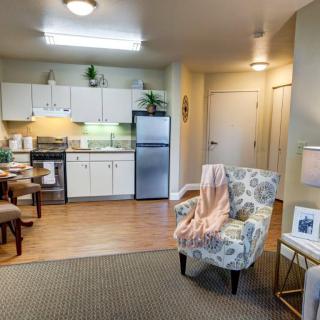
  • Kitchenette KitchenetteKitchenettes are important for seniors living in senior living communities because they provide the convenience and independence of being able to prepare simple meals and snacks in the comfort of their own living space. This can help promote a sense of autonomy and well-being for seniors, allowing them to maintain some level of control over their dietary choices and daily routines.
  • Laundry LaundryLaundry services are important for seniors as they may have difficulty with physical tasks such as bending, lifting, or carrying heavy loads. Having access to laundry services can help seniors maintain personal hygiene, cleanliness, and independence in their daily lives.
  • Move-in coordination Move-in coordinationMove-in coordination is important for seniors because it helps ease the transition into their new living environment. It ensures that all logistics, such as packing, organizing movers, and setting up utilities are taken care of, allowing seniors to focus on settling in and adjusting to their new home. Having a smooth move-in process can alleviate stress and anxiety, making the transition smoother and more enjoyable for seniors.
  • Outdoor common areas Outdoor common areasOutdoor common areas are important for seniors as they provide a space for socialization, physical activity, and relaxation. Being outside in nature can improve mood and overall well-being, while also encouraging movement and engagement with others. These spaces can help combat feelings of isolation and promote a sense of community among residents.
  • Outdoor space Outdoor spaceOutdoor spaces are important for seniors as they provide opportunities for physical activity, social interaction, exposure to natural light and fresh air, and a sense of connection to nature. Having access to outdoor spaces can improve overall well-being and quality of life for older adults living in senior communities.
  • Private bathrooms Private bathroomsPrivate bathrooms are important for seniors in senior living communities because they provide independence, dignity, and comfort. Having a private bathroom allows seniors to maintain their personal hygiene routines without the need for assistance, promoting a sense of autonomy and privacy. Additionally, private bathrooms help prevent the spread of infections and provide a safe and clean environment for seniors to navigate safely.
  • Respite or short term stays offered Respite or short term stays offeredRespite or short term stays provide seniors with a temporary solution when their regular caregiver is unavailable, offering them the opportunity to receive additional care and support during times of need, while also giving caregivers a chance to rest and recharge.
  • Restaurant-style dining Restaurant-style diningRestaurant-style dining is important for seniors because it allows them to enjoy delicious, nutritious meals in a social and upscale setting. This enhances their dining experience, promotes healthy eating habits, and fosters socialization with fellow residents, ultimately contributing to their overall well-being and quality of life.
  • Security gate Security gateSecurity gates provide an added layer of protection and peace of mind for seniors living in a community. They help prevent unauthorized entry, deter potential intruders, and create a sense of security for residents. This extra security measure can make seniors feel safe and secure in their living environment.
  • Small library Small librarySmall libraries are important for seniors as they provide access to a variety of reading materials, including books, newspapers, and magazines. This can help stimulate their minds, keep them engaged, and provide a sense of community through book clubs and other social activities. Additionally, reading has been shown to improve cognitive function and overall mental well-being in older adults.
  • TV room TV roomTV rooms are important for seniors in senior living communities because they provide a space for social interaction, entertainment, and relaxation. Watching TV can help reduce feelings of loneliness and boredom, and create a sense of community among residents. Additionally, TV rooms offer a break from daily routines and can be a source of comfort and familiarity for seniors.
  • Telephone TelephoneTelephones are important for seniors as they provide a lifeline for communication with loved ones, emergency services, and healthcare providers. They offer a sense of security and independence, enabling seniors to stay connected and access assistance when needed.
  • VA Benefits Consultation VA Benefits ConsultationVA Benefits Consultations are important for seniors because they provide valuable information on the benefits and resources available to them as veterans. These consultations can help seniors access financial assistance, healthcare services, and other support that can greatly improve their quality of life in their later years.
  • Wellness center Wellness centerWellness centers are important for seniors because they offer a variety of programs and services that promote physical, mental, and emotional well-being. These centers provide opportunities for exercise, socialization, education, and relaxation, helping seniors maintain their overall health and quality of life.
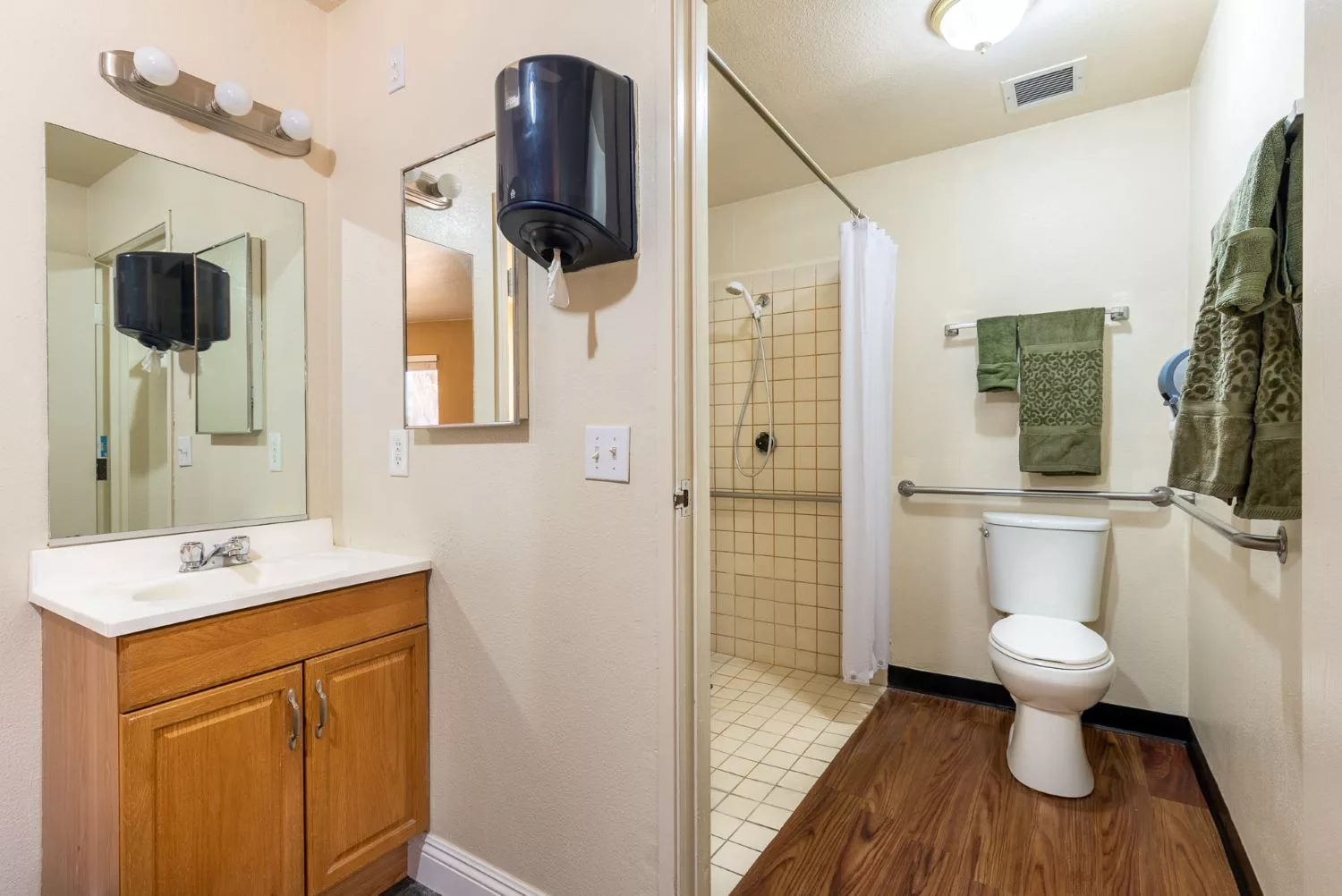
  • Wheelchair accessible showers Wheelchair accessible showersWheelchair accessible showers are crucial for seniors as they provide a safe and independent bathing option for those with mobility challenges. These showers help prevent falls and allow seniors to maintain their dignity and autonomy while ensuring they can bathe comfortably.
  • Wi-Fi/high-speed internet available Wi-Fi/high-speed internet availableWi-Fi/high-speed internet is important for seniors to stay connected with loved ones, access online resources, and participate in virtual activities to combat feelings of loneliness and isolation. It also allows them to easily manage healthcare needs, access entertainment, and engage in lifelong learning opportunities.

Transportation

  • Community operated transportation Community operated transportationCommunity operated transportation is crucial for seniors as it provides them with the means to access essential services, social activities, and medical appointments. It allows seniors to maintain their independence and quality of life by ensuring they can participate in activities outside of their homes. Additionally, community-operated transportation services offer a safe and reliable way for seniors to travel without having to rely on family or friends for assistance.
  • Transportation & parking Transportation & parkingTransportation and parking are vital for seniors as they offer access to essential services, activities, and social interactions. Reliable transportation options can help seniors maintain independence, stay connected within their community, and enjoy a higher quality of life. Additionally, convenient parking facilities ensure that seniors can easily access necessary resources and amenities without added stress or difficulty.
  • Transportation arrangement Transportation arrangementTransportation arrangements are crucial for seniors as they may face challenges with driving, mobility, or access to public transportation. Having reliable transportation services ensures that seniors can easily attend appointments, social activities, and maintain their independence and quality of life.
  • Transportation arrangement (non-medical) Transportation arrangement (non-medical)Transportation arrangements are essential for seniors as they provide access to essential services, activities, and social interactions outside the home. This service helps maintain independence, mobility, and overall well-being for seniors who may have limited transportation options.

Care Services

  • 12-16 hour nursing 12-16 hour nursing12-16 hour nursing care is crucial for seniors in order to ensure around-the-clock monitoring, timely medication administration, and prompt response to any health concerns or emergencies. This level of care helps to promote the overall well-being and safety of seniors living in senior living communities.
  • 24-hour call system 24-hour call system24-hour call systems are important for seniors because they provide peace of mind and immediate assistance in case of emergencies. This technology ensures that help is always available, promoting safety and security for elderly individuals living alone or in assisted living facilities.
  • 24-hour supervision 24-hour supervision24-hour supervision is important for seniors to ensure their safety, well-being, and access to immediate assistance in case of emergencies or health issues. This constant support provides peace of mind for both seniors and their loved ones, allowing them to age in place with dignity and security.
  • Activities of daily living assistance Activities of daily living assistanceActivities of daily living assistance are important for seniors because they provide essential support with tasks such as eating, bathing, dressing, and mobility. This assistance helps seniors maintain their independence, dignity, and overall quality of life as they age.
  • Assistance with bathing Assistance with bathingAssistance with bathing is crucial for seniors as it helps maintain personal hygiene, prevents infections, and ensures their overall well-being and comfort. It also provides a sense of dignity and independence for seniors who may struggle with this task on their own.
  • Assistance with dressing Assistance with dressingAssistance with dressing is important for seniors because it helps maintain their independence, promotes personal hygiene, prevents accidents and injuries, and improves overall quality of life. This service ensures that seniors can continue to dress comfortably and confidently, despite any physical limitations they may have.
  • Assistance with transfers Assistance with transfersAssistance with transfers is crucial for seniors as it helps prevent falls and injuries, maintains their independence, and ensures they can safely navigate their living environment. It also provides peace of mind for both seniors and their loved ones.
  • Coordination with health care providers Coordination with health care providersCoordination with health care providers is crucial for seniors to ensure proper medical care, medication management, and overall well-being. This collaboration helps prevent overlapping treatments, track progress more effectively, and provide comprehensive support tailored to individual needs.
  • Dementia waiver Dementia waiverDementia waivers are essential for seniors as they provide critical protections and accommodations for those experiencing cognitive decline. These waivers ensure individuals with dementia receive appropriate care, support, and resources to maintain their quality of life and dignity as they navigate the challenges of this progressive condition.
  • Diabetes diet Diabetes dietA diabetes diet is crucial for seniors as it helps manage blood sugar levels, reduce risks of complications, and improve overall health and well-being. By following a balanced and nutritious diet tailored to their specific needs, seniors can better control their diabetes and enhance their quality of life.
  • Diabetic care Diabetic careDiabetic care is crucial for seniors as they are more susceptible to developing diabetes due to aging and other health conditions. Proper management of diabetes can help prevent complications such as heart disease, vision loss, and nerve damage, improving the overall quality of life for seniors in senior living communities.
  • Hospice care Hospice careHospice care is important for seniors as it provides specialized end-of-life support, pain management, and emotional comfort for both the senior and their loved ones. It allows seniors to maintain dignity, receive personalized care, and spend their remaining time in a peaceful and comfortable environment.
  • Hospice waiver Hospice waiverHospice waivers are important for seniors because they allow individuals to receive specialized end-of-life care and support at home or in a hospice facility. This waiver ensures that seniors can access the necessary resources and services to maintain comfort and dignity during their final days.
  • Incontinence care Incontinence careIncontinence care is essential for seniors to maintain their dignity, hygiene, and overall quality of life. By addressing incontinence issues promptly and effectively, seniors can enjoy a sense of independence and comfort in their daily activities.
  • Meal preparation and service Meal preparation and serviceMeal preparation and service are crucial for seniors as they may have limited mobility or energy to cook nutritious meals. Having access to healthy and convenient food options can ensure they are getting the proper nutrition needed to maintain their overall health and well-being.
  • Medication management Medication managementMedication management is crucial for seniors to ensure they are taking the right medications at the correct dosages and times. This helps prevent adverse drug interactions, reduces the risk of medication errors, and promotes overall health and well-being. Proactive management also allows for adjustments as needed based on changing health conditions or new prescriptions.
  • Mental wellness program Mental wellness programMental wellness programs are essential for seniors as they promote cognitive stimulation, emotional support, and social engagement. These programs help prevent isolation, depression, and cognitive decline, ultimately enhancing the overall quality of life for older adults.
  • Mild cognitive impairment Mild cognitive impairment"Mild cognitive impairment" is important for seniors because it is an early stage of cognitive decline that can potentially progress to more severe conditions such as dementia. Recognizing and addressing mild cognitive impairment can help seniors receive appropriate care and support to maintain their quality of life and independence for as long as possible.
  • Special dietary restrictions Special dietary restrictionsSpecial dietary restrictions are important for seniors because age-related changes in metabolism and health conditions can make it difficult for their bodies to process certain foods. By following a diet tailored to their specific needs, seniors can maintain their overall health and well-being, manage chronic conditions, and reduce the risk of complications such as malnutrition or food interactions with medications.
  • Specialized memory care programming Specialized memory care programmingSpecialized memory care programming is crucial for seniors with cognitive impairments such as dementia or Alzheimer's disease. These programs provide a safe and supportive environment tailored to the unique needs of individuals with memory loss, helping them maintain their independence, dignity, and quality of life.
  • Transportation arrangement (medical) Transportation arrangement (medical)Transportation arrangements for medical purposes are essential for seniors as they may have difficulty driving themselves to appointments or accessing public transportation. Having reliable and safe transportation options ensures that seniors can receive timely medical care and maintain their health and well-being.
  • Transportation to doctors appointments Transportation to doctors appointmentsTransportation to doctors' appointments is crucial for seniors as it ensures they have access to necessary medical care and support for their health needs. Without reliable transportation, seniors may struggle to attend important appointments, leading to potential delays in treatment and health complications. Providing transportation services helps seniors maintain their overall well-being and quality of life.

Dining

  • Diabetes diet Diabetes dietA diabetes diet is crucial for seniors as it helps manage blood sugar levels, reduce risks of complications, and improve overall health and well-being. By following a balanced and nutritious diet tailored to their specific needs, seniors can better control their diabetes and enhance their quality of life.
  • Guest meals Guest mealsGuest meals are important for seniors living in senior living communities because they provide an opportunity for socialization and companionship. Sharing a meal with friends, family, or new acquaintances can help combat feelings of loneliness and isolation, promote a sense of community, and enhance overall well-being. Additionally, guest meals allow seniors to enjoy delicious food in a comfortable setting without the hassle of cooking or cleaning up, making dining a pleasurable and stress-free experience.
  • Low / no sodium Low / no sodiumLow/no sodium options are important for seniors because excessive sodium intake can lead to high blood pressure, heart disease, and other health issues commonly experienced by older adults. By choosing low/no sodium foods, seniors can better manage their health and reduce their risk of developing these conditions.
  • Meals provided Meals provided"Meals provided" are crucial for seniors in assisted living communities as it ensures they have access to nutritious, balanced meals without the stress of meal planning and preparation. This can help promote overall health and well-being for seniors who may have limited mobility or cognitive abilities.
  • No Sugar No SugarNo sugar diets are important for seniors because they can help prevent or manage chronic conditions such as diabetes, heart disease, and obesity. Sugar can also contribute to cognitive decline and inflammation in the body, so reducing sugar intake can lead to overall improved health and well-being in older adults.
  • Restaurant style dining Restaurant style diningRestaurant style dining is important for seniors as it offers them a social and enjoyable dining experience, promotes healthy eating habits, and provides personalized menu options to cater to their dietary needs and preferences. This type of dining setting can enhance their overall quality of life and create a sense of community within the senior living facility.
  • Special dietary restrictions Special dietary restrictionsSpecial dietary restrictions are important for seniors because age-related changes in metabolism and health conditions can make it difficult for their bodies to process certain foods. By following a diet tailored to their specific needs, seniors can maintain their overall health and well-being, manage chronic conditions, and reduce the risk of complications such as malnutrition or food interactions with medications.
  • Special dining programs Special dining programsSpecial dining programs are important for seniors because they provide nutritious meals tailored to their dietary needs and preferences. These programs also offer socialization opportunities, promote overall health and well-being, and can help prevent malnutrition.

Activities

  • Art classes Art classesArt classes are important for seniors because they provide a creative outlet, improve cognitive function, reduce stress and anxiety, promote socialization, and enhance overall well-being and quality of life.
  • Arts and crafts Arts and craftsEngaging in arts and crafts activities provides seniors with a creative outlet, promotes cognitive function, enhances dexterity and fine motor skills, fosters social interaction, and boosts overall well-being and mental health.
  • Brain fitness Brain fitnessBrain fitness is important for seniors as it helps to maintain cognitive function, memory, and overall mental well-being. Engaging in activities that challenge the brain can help prevent cognitive decline and promote a healthier, more fulfilling quality of life in older adults.
  • Community-sponsored activities Community-sponsored activitiesCommunity-sponsored activities are important for seniors as they provide opportunities for social interaction, mental stimulation, and physical activity. These activities can help improve overall well-being, combat loneliness and isolation, and promote a sense of belonging and purpose among older adults.
  • Concierge services Concierge servicesConcierge services are essential for seniors as they provide assistance with daily tasks and errands, enhance their quality of life by offering convenience and personalized care, and promote a sense of safety and security.
  • Cooking classes Cooking classesCooking classes are important for seniors as they provide opportunities for social interaction, enhance cognitive skills, promote healthy eating habits, and boost confidence in the kitchen.
  • Day trips and outings Day trips and outingsDay trips and outings are important for seniors as they provide opportunities for socialization, mental stimulation, physical activity, and a break from daily routines. These experiences can enhance overall well-being and quality of life for older adults living in senior communities.
  • Devotional activities on-site Devotional activities on-siteDevotional activities on-site provide seniors with a sense of community, spiritual fulfillment, and emotional support, promoting overall well-being and a positive sense of purpose in their lives.
  • Educational speakers / life long learning Educational speakers / life long learningEducational speakers and lifelong learning opportunities are crucial for seniors as they provide mental stimulation, promote social engagement, and contribute to overall well-being. Continuous learning helps seniors stay mentally sharp, build new skills, and maintain a sense of purpose and fulfillment in their lives. It also allows them to stay connected to the world around them and fosters a sense of community within senior living facilities.
  • Fitness programs Fitness programsFitness programs are crucial for seniors as they help improve strength, flexibility, balance, and overall well-being. Staying active can reduce the risk of chronic diseases, improve mental health, and enhance quality of life in older adults.
  • Games GamesGames are an essential part of senior living as they help promote cognitive function, social interaction, and overall well-being. Playing games can improve memory, concentration, and decision-making skills while also providing a fun and engaging way to connect with others. Seniors who participate in games regularly tend to experience higher levels of satisfaction and happiness in their daily lives.
  • Gardening club Gardening clubGardening clubs are important for seniors because they provide a sense of community, promote physical activity and mental well-being, and offer opportunities for socialization and connection with nature. Gardening can also improve cognitive function and overall quality of life for seniors.
  • Karaoke KaraokeKaraoke provides seniors with a fun and social activity that can boost mood, confidence, and cognitive function. It encourages social interaction, physical movement, and creative expression, making it an important form of entertainment for senior living communities.
  • Live dance or theater performances Live dance or theater performancesLive dance or theater performances are important for seniors because they provide opportunities for socialization, mental stimulation, and emotional engagement. These performances can help combat feelings of isolation and loneliness, while also offering a sense of connection to the arts and culture. Additionally, watching live performances can bring joy and create lasting memories for seniors in their later years.
  • Live musical performances Live musical performancesLive musical performances can provide seniors with a sense of joy, nostalgia, and connection. Music has the power to evoke emotions and memories, improve mood and cognitive function, and foster social interaction among seniors. It can also serve as a form of therapy and stress relief for older adults, making it an important activity to include in senior living communities.
  • Live well programs Live well programs"Live well programs are essential for seniors as they provide opportunities for physical activity, social engagement, and mental stimulation, ultimately promoting overall health and well-being in later years."
  • Planned day trips Planned day tripsPlanned day trips are important for seniors because they offer opportunities for socialization, mental stimulation, and physical activity. They provide a change of scenery and help seniors stay engaged and connected to their community, promoting overall well-being and quality of life.
  • Religious services Religious servicesReligious services provide seniors with a sense of community, support, and spiritual fulfillment, which can improve their overall well-being and mental health. It also offers them opportunities for socialization and connection with others who share their beliefs.
  • Resident-run activities Resident-run activitiesResident-run activities are important for seniors as they encourage social interaction, creativity, and a sense of autonomy. These activities empower seniors to stay engaged and active in their community while fostering meaningful connections with their peers.
  • Scheduled daily activities Scheduled daily activitiesScheduled daily activities are important for seniors because they provide structure, socialization, mental stimulation, and physical activity. Engaging in regular activities can improve overall well-being and quality of life for seniors living in a community setting.
  • Stories StoriesStories are important for seniors because they provide a sense of connection, stimulate memory and cognitive function, and offer entertainment and emotional engagement. Sharing stories can foster social interaction and create a sense of community among seniors, enhancing their overall well-being and quality of life.
  • Stretching classes Stretching classesStretching classes are important for seniors because they help improve flexibility, reduce the risk of injury, and promote overall health and well-being. Regular stretching can also help alleviate joint pain and stiffness, enhance balance and coordination, and increase range of motion.
  • Wii bowling Wii bowlingWii bowling is important for seniors as it provides a fun and engaging way to stay active, socialize, and improve hand-eye coordination. It can help prevent isolation, boost mental well-being, and promote physical fitness in a safe and accessible manner.
  • Yoga / chair yoga Yoga / chair yogaYoga and chair yoga are important for seniors as they promote flexibility, balance, strength, and overall wellbeing. These practices can help improve mobility, reduce stress, and enhance mental clarity, ultimately leading to a higher quality of life in their senior years.

Description

Valley Crest Memory Care in Apple Valley, CA is a senior living community that offers specialized care for individuals with memory impairments. Our community provides a comfortable and safe environment where residents can receive the support they need while maintaining their independence.

Our amenities are designed to enhance the quality of life for our residents. Each apartment is equipped with air conditioning and cable or satellite TV. A beautician is available on-site to provide grooming and salon services. Residents can enjoy meals in our spacious dining room, as well as participate in various dining programs that cater to specific dietary needs such as low or no sodium, no sugar, and restaurant-style dining.

We offer a range of care services to meet the unique needs of each resident. Our trained staff provides medication management and assistance with incontinence care. For those in need of hospice care, we offer compassionate support during this difficult time.

Engaging activities are an integral part of life at Valley Crest Memory Care. Residents have the opportunity to stay mentally sharp through brain fitness exercises and educational speakers. They can also unleash their creativity through arts and crafts projects or learn new cooking skills through cooking classes. Day trips, outings, live performances, and religious services are also scheduled regularly to foster social connections and spiritual well-being.

Our location in Apple Valley provides convenient access to various amenities nearby. Residents can easily explore local cafes, parks, pharmacies, restaurants, hospitals, and transportation options for their convenience.

At Valley Crest Memory Care, we prioritize the unique needs of individuals with memory impairments by providing personalized care in a supportive environment that promotes dignity and independence.

Nearby Places of Interest

This part of Apple Valley, California offers a convenient and accessible location for senior living, with a variety of amenities nearby. There are several physicians' offices, hospitals, pharmacies, and cafes within close proximity, providing easy access to medical care and everyday necessities. In terms of dining options, there are a few restaurants serving a range of cuisines to cater to different preferences. Additionally, transportation options such as the Amtrak Station and Enterprise Rent-A-Car are available for convenience. For recreation, there are parks like Mojave Narrows Regional Park and Lions Park where seniors can enjoy some outdoor activities. Overall, this area provides essential services and entertainment options that would enhance the quality of life for older adults looking to settle in Apple Valley.

Physicians

  • Radnet (0 miles)
  • Ultimate Sports And Orthopaedics (0 miles)
  • Dr Makala Reddy's Office (0 miles)
  • Genesis Obgy Medical Group (0.1 miles)
  • High Desert Pain Management (0.1 miles)
  • Choice Medical Group, Choice Physicians Network (0.1 miles)
  • St. Mary Medical Center Intensive Care Unit (0.3 miles)

Hospitals

  • Corwin Medical Center (0 miles)
  • Desert Physicians Management (0.2 miles)
  • St Mary Medical Center Mommy & ME Program (0.3 miles)
  • Loma Linda University Neurosurgery (5 miles)
  • DVMG. Mammography (5 miles)

Restaurants

  • Tom's Famous Burgers (0.3 miles)
  • Dinapoli's Fire House (0.8 miles)
  • Spirit River Cafe (0.8 miles)
  • Jack In The Box (2.3 miles)
  • Denny's (2.4 miles)
  • Los Alazanes Mexican Food (2.6 miles)
  • Del Taco (2.6 miles)

Cafes

  • Starbucks (0.4 miles)
  • Molly Brown's Country Cafe (3.5 miles)
  • Starbucks (3.9 miles)
  • Starbucks (4 miles)
  • Starbucks (4.6 miles)

Pharmacies

  • Community Care (0.6 miles)
  • Good Neighbor Pharmacy (0.9 miles)
  • CVS Pharmacy (2.3 miles)
  • CVS Speciality (2.6 miles)
  • Rite Aid (3.4 miles)
  • Nguyen LYNN Victorville (4.2 miles)
  • Walgreens (4.2 miles)

Transportation

  • Amtrak Station (1.9 miles)
  • Enterprise Rent-A-Car (4.3 miles)

Parks

  • Mojave Narrows Regional Park (2.4 miles)
  • Lions Park (3.2 miles)
  • Doris Davies Park (3.5 miles)

Theaters

  • Cinemark Jess Ranch (5.1 miles)

Frequently Asked Questions

How much does it cost to live at Valley Crest Memory Care in Apple Valley, CA?
What floor plans and room types does Valley Crest Memory Care offer?
Where is Valley Crest Memory Care?
Does Valley Crest Memory Care provide care for residents with dementia or Alzheimer's disease?
What photos are available for Valley Crest Memory Care in Apple Valley, California?

Nearby Communities

  • At HomeCare - Cocqui

    At HomeCare - Cocqui

    Apple Valley, CA

    3.7 from 6 reviews
    $2,800 / month

    pro Clean, beautiful, well-lit environment with attentive staff and ability to accommodate custom diets.


  • Arya Senior Care Home

    Arya Senior Care Home

    Apple Valley, CA


    pro Personalized care with 24-hour supervision and tailored meals.

  • Sunrise Valley Inc - Kamana

    Sunrise Valley Inc - Kamana

    Apple Valley, CA

    4.5 from 8 reviews
    $2,700 to $3,500 / month

    pro Attentive staff in a small, home-like setting with private rooms and communal dining.

  • Rimrock Residential Care Home

    Rimrock Residential Care Home

    Apple Valley, CA

     
    $2,000 to $2,500 / month

    pro Lower cost for semi-private ($2,000) and private rooms ($2,500) in the county; small, personalized 12-bed setting with memory care and on-site activities.

  • Agape Senior Care II

    Agape Senior Care II

    Apple Valley, CA

     
    $2,000 to $3,000 / month

    pro Specialized memory care in a serene Apple Valley setting with competitive pricing.

  • Agape Senior Care Home

    Agape Senior Care Home

    Apple Valley, CA


    pro 24-hour supervision with ADL support, medication management, and healthcare coordination; diabetes-friendly dining and social activities.

  • Sterling Inn

    Sterling Inn

    Victorville, CA

    4.7 from 123 reviews
    $2,700 to $5,500 / month

    pro Friendly, attentive staff with engaging activities in a clean, welcoming setting.

  • Whispering Winds Of Apple Valley

    Whispering Winds Of Apple Valley

    Apple Valley, CA

    4.6 from 70 reviews
     

    pro Friendly, attentive staff; clean, well-maintained apartments with engaging activities.

  • Solstice Senior Living At Apple Valley

    Solstice Senior Living At Apple Valley

    Apple Valley, CA

    4.5 from 205 reviews
    $2,336 to $4,195 / month

    pro Friendly, attentive staff; clean, well-maintained environment; spacious apartments and good dining with engaging activities.

Related Resources

  • sundown syndromeComprehending Evening Confusion in Dementia: Causes, Manifestations, and Support

    Sundown syndrome, or sundowning, is a phenomenon in dementia patients characterized by increased confusion and agitation during late afternoon and evening, influenced by factors like disrupted circadian rhythms and fatigue. Effective caregiver strategies include establishing routines and managing environmental light while addressing caregiver stress through support services.

  • delirium vs dementiaDelirium and Dementia: Unraveling the Key Differences

    Delirium is a rapidly onset, reversible cognitive disturbance often caused by acute medical issues, while dementia is a gradual and irreversible decline due to chronic neurodegenerative diseases. Accurate differentiation between the two is essential for appropriate treatment and management in older adults.

  • can you die from dementiaAre Dementia and Alzheimer's Disease Lethal? A Comprehensive Exploration
    Dementia, including Alzheimer’s disease, is often mischaracterized in terms of lethality as it leads to complications that can be fatal rather than being a direct cause of death; it causes a progressive decline in cognitive and physical health, making patients vulnerable to infections and other health crises. Effective management of nutrition, hydration, and communication is crucial in patient care, with palliative care becoming vital in advanced stages to enhance comfort and quality of life while caregivers play a key role amidst the challenges posed by the disease.