
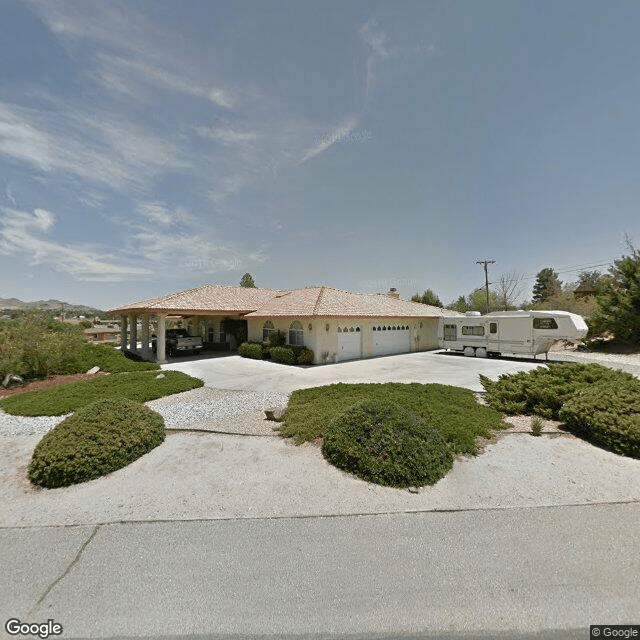
18609 Cocqui Rd, Apple Valley, CA 92307
To contact a resident: (760) 880-2227
For more information about senior living options: (866) 208-4318
At HomeCare - Cocqui Costs & Pricing
At HomeCare - Cocqui offers competitive pricing for its services, making it an attractive option for those seeking care in a home-like environment. For instance, the cost of a studio room is $2,800 per month, significantly lower than the average rate of $3,455 in San Bernardino County and $4,145 across California. Similarly, the semi-private room is priced at $2,800 as well, which not only matches the county's average cost of $2,958 but also provides substantial savings compared to the state average of $3,333. These rates reflect At HomeCare - Cocqui's commitment to affordability without compromising quality care.
| Floor plans | At HomeCare - Cocqui | San Bernardino County | California |
|---|---|---|---|
| Studio | $2,800 | $3,455 | $4,145 |
| Semi-Private | $2,800 | $2,958 | $3,333 |
Memory care communities with a similar price nearby
-
from -$300 / mo
Carmel Care Home
$2,500 to $3,000 / month5.4 miles away -
from -$300 / mo
Golden Years Elderly Care, Inc
$2,500 to $3,500 / month7.1 miles away -
from +$200 / mo
Valley Crest Memory Care
$3,000 to $4,095 / month0.4 miles away -
from -$300 / mo
Senior Care Choices
$2,500 to $3,200 / month10.1 miles away -
from +$400 / mo

Skyline Villa
$3,200 / month4.2 miles away
Overall Review of At HomeCare - Cocqui
Pros
 The RCFE is very clean.
- It has excellent caregivers.
- The price is very reasonable.
- Abby provides excellent service for residents.
- The home is exceptionally clean and very pretty with natural light.
- Some of the caregivers are great.
- The facility is beautiful, elegant, and wonderful, with staff treating residents like royalty.
Cons
 The owners are only in this for the money and have no heart for the residents.
- The lack of care is terrible, and they do absolutely no activities with the residents.
- The mom was yelled at by a caregiver on a couple of occasions.
- The caregivers would act annoyed with her whenever she pressed her call light.
- The meals are unattractive, lack fresh vegetables, and are sometimes mislabeled as vegetables (mashed potatoes and canned corn counted as vegetables).
- There are no activities or events organized for residents.
- The last year and a half was miserable for the reviewer’s mom.
Review
At HomeCare - Cocqui in Apple Valley is best suited for families seeking a clean, intimate, home-like setting where hands-on care can be delivered at a more attainable price. It works well for seniors who are relatively independent but need daily assistance, and for families prepared to stay actively involved to help ensure consistent care. The community thrives when the goal is a low-key, manageable environment with high standards of cleanliness and safety. Those chasing a hospital-like atmosphere, highly structured programming, or advanced memory-care services should consider alternatives. In short, it’s a practical option for steady, straightforward elder care rather than a high-end, all-inclusive solution.
The strongest positives here are the physical and behavioral foundations: the home is exceptionally clean, well-lit, and aesthetically appealing, with a welcoming patio, backyard, and multiple living spaces that feel more like a residence than a facility. The price point is described as very reasonable, and several caregivers are reported as excellent, delivering thoughtful, person-centered attention. The smaller, family-style setting can foster genuine rapport between staff and residents, allowing some residents to be treated with a level of warmth and respect that larger communities sometimes struggle to sustain. For families who can recognize and nurture the good caregivers on duty, these aspects translate into meaningful, day-to-day quality of life for a loved one.
However, the notable drawbacks are not incidental. A recurring concern is perceived emphasis on cost containment over heartfelt care, with some reports describing the owners as primarily money-driven and a few residents experiencing inconsistent attentiveness. The care quality is described as variable, and there is little to no organized activities within the home, leaving residents with limited opportunities for structure, socialization, or stimulation. The risk of under- or mismanaged care is underscored by accounts of calls not being promptly answered and even instances of caregiver frustration or harshness. In addition, meal quality is flagged as a serious shortcoming, with repetitive, unappealing menus and a lack of fresh vegetables that can affect appetite and nutrition over time. The combination of these factors creates a sense of drift when supervision is not consistent.
These pros and cons do not exist in a vacuum. The pristine environment, responsive individual caregivers, and the potential for tailored dietary accommodations can offset some concerns for families who actively monitor care, participate in daily routines, and advocate on behalf of the resident. The intimate scale of the home makes it easier to notice shifts in mood or appetite and to intervene quickly, and when the right caregivers are on shift, residents experience genuine warmth and personalized attention. Yet the downsides, limited programming, uneven management, and meal-and-nutrition gaps, can quickly erode the positive elements if oversight lapses occur or if the resident requires more social engagement and supervision than the setting routinely provides.
Alternatives should be weighed for residents who need consistent, robust programming or who require more predictable oversight. Larger assisted living communities with formal activity calendars, dedicated memory-care tracks, and more transparent governance may offer greater reassurance to families prioritizing engagement and steady support. For residents who flourish with daily structure, regular social interaction, and explicitly supervised care plans, a different model may deliver more predictability and fewer fluctuations in care quality. In other words, when active, ongoing oversight is challenging or the resident’s needs extend beyond a small-house dynamic, it’s prudent to explore options that emphasize programmatic consistency and clear accountability.
For families seriously evaluating this community, a disciplined due diligence approach is essential. Schedule visits at different times, observe caregiver-resident interactions, and ask pointed questions about turnover, training, and care plans. Inspect menus and meal preparation, and request examples of customized dietary accommodations and how nutrition is monitored. Probe the management structure: who is responsible for day-to-day operations, how concerns are escalated, and what the process is for addressing care gaps. If a resident-friendly, clean, intimate setting with dedicated caregivers is the priority, but only with reliable, proactive oversight, At HomeCare - Cocqui can be a solid fit. If the priority is consistent activity programming, strong governance, and seamless escalation of concerns, it may be wise to keep exploring higher-structure options.
 Board and Care Home
 Memory Care
 Activities on-site
 Devotional services off-site
 Indoor common areas
 Ambulatory care
 Diabetic care
 Meals provided



 Medications Associated with Dementia Risk: A Comprehensive Overview
 Guiding Your Journey: Understanding Power of Attorney for Elderly Parents
 22 Remarkable Caregiver Support Groups Available Online and In-Person