
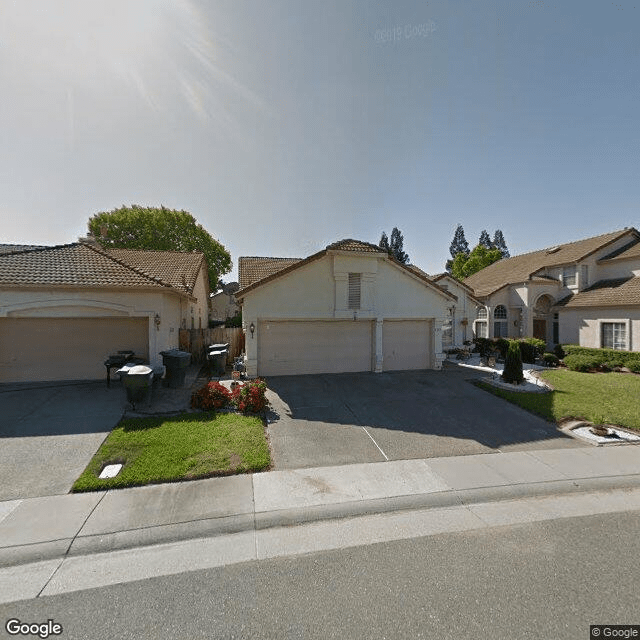
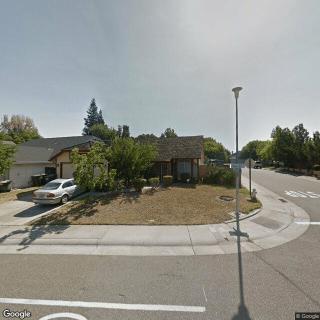
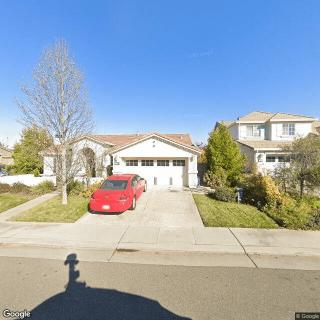
8044 Cantata Way, Antelope, CA 95843
To contact a resident: (916) 402-7576
For more information about senior living options: (866) 208-4318
Molaer Care Home Costs & Pricing
Molaer Care Home offers competitive pricing for its residents compared to the broader market in Sacramento County and the state of California. For a semi-private room, Molaer Care Home charges $2,000 per month, which is significantly lower than the county average of $3,106 and the state average of $3,333. Similarly, their private rooms are offered at $3,000, providing substantial savings over the county's average of $3,686 and the statewide figure of $3,939. Additionally, studio accommodations at Molaer Care Home also maintain an attractive price point at $3,000 per month compared to Sacramento County's average of $3,865 and California's statewide average of $4,145. This pricing structure positions Molaer Care Home as a cost-effective choice for families seeking quality care without compromising on value.
| Floor plans | Molaer Care Home | Sacramento County | California |
|---|---|---|---|
| Semi-Private | $2,000 | $3,106 | $3,333 |
| Private | $3,000 | $3,686 | $3,939 |
| Studio | $3,000 | $3,865 | $4,145 |
Memory care communities with a similar price nearby
-
from -$100 / mo
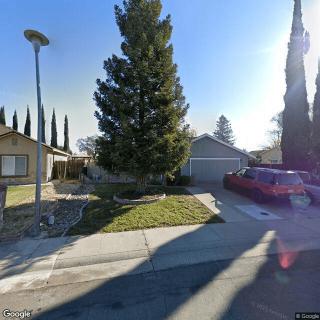
Bloomfield Hills Assisted Living
$1,900 to $2,400 / month3.7 miles away -
from -$200 / mo
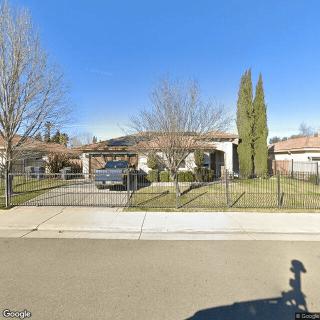
Ciric Care Home
$1,800 to $2,800 / month9.7 miles away -
About the same
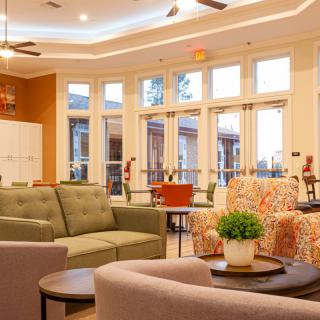
Blissful Gardens
$1,995 to $3,500 / month23.0 miles away -
from +$250 / mo

Oakwood Village
$2,250 to $3,750 / month21.1 miles away -
About the same
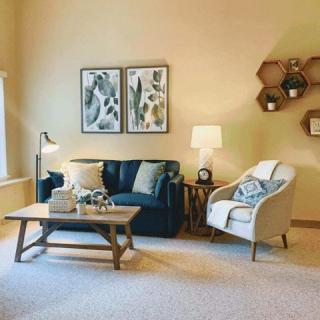
Carlton Senior Living Sacramento Enhanced Assisted Living
$1,995 to $3,695 / month9.2 miles away
Overall Review of Molaer Care Home
Pros
 Elizabeth is dedicated, kind, dependable, and simply beautiful.
- Elizabeth and her staff provide the best care.
- The facility seems to be the right place for Gurney after one look.
- The staff receives high praise from reviewers.
- The facility comes highly recommended to anyone.
- The care is top-notch, with home-style meals, and the people are great.
Cons
 There are no negative statements in the reviews.
Review
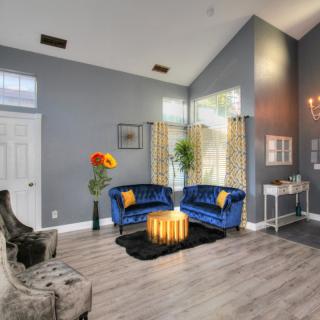
Molaer Care Home in Antelope, CA is best suited for families seeking a small, home-like atmosphere where seniors receive intensely personalized attention from a stable, caregiver-centered team. The community’s core strength is the people who staff it, with Elizabeth, cited repeatedly as dedicated, dependable, and genuinely kind, setting a tone of trust from first contact. For seniors who thrive on predictable routines, hands-on assistance, and a setting that feels more like a well-run private home than a facility, this arrangement delivers comfort, continuity, and quiet dignity that can ease the transition into care.
Those weighing alternatives should recognize who may want something more robust. If a resident’s needs include complex medical oversight, memory-care programming, or a broad calendar of on-site activities, a larger assisted-living campus or a facility with a dedicated memory-care wing may be a better fit. For families prioritizing 24/7 clinical coverage, extensive rehabilitative services, or extensive social programming, the leaner, intimate model at Molaer may feel limiting over time.
The most persuasive pros center on people and the reliability they bring. The consensus across feedback is that a caregiver-first ethos permeates every shift, with Elizabeth and her team delivering consistent, attentive care that reduces family anxiety. This translates into predictable daily routines, timely help with activities of daily living, and a sense that residents are known and understood. In such a setting, the strongest selling point is not slick amenities but the steady, compassionate presence that turns ordinary days into secure, manageable ones. The natural counterpoint is a leaner operation: fewer on-site specialists, fewer formal programs, and a smaller repertoire of services than what larger communities can promise. Still, the benefits of intimate attention frequently outweigh these trade-offs for the right resident.
Tea and meals become a practical expression of care in this community. The emphasis on home-cooked, varied meals speaks directly to quality of life, offering comfort and familiarity that many seniors value deeply. The dining experience, coupled with a staff that appears responsive to preferences, reinforces a sense of warmth and belonging. When daily life centers on reliable routines and personal interaction, meals become more than sustenance; they are daily rituals that anchor trust and satisfaction. That homey, welcoming atmosphere can make a meaningful difference for residents who prize predictability and personal connection over breadth of program options.
In sum, MolaerCare Home presents a compelling option for families who want a small, humane setting where care is personal, staff are genuinely engaged, and a home-like vibe governs daily life. Elizabeth and her team emerge as the defining asset, delivering dependable support, respectful attention, and a steady rhythm that eases the caregiving burden for families. The trade-off is clear: the absence of expansive medical services or extensive activity calendars typical of larger campuses. For many, however, that trade-off is precisely what makes this community feel safer, more approachable, and more livable than a bigger operation. The decision hinges on the resident’s priorities, if warmth, continuity, and intimate staff relationships take precedence, Molaer Care Home stands out as a strong, practical choice.
For families evaluating options, this community is a strong recommendation when the emphasis is on trusted relationships and everyday quality of life. If the senior’s needs lean toward intensive clinical supervision, structured cognitive therapies, or wider social engagement, alternatives with broader on-site resources deserve careful consideration. The right match is the one where daily life at Molaer feels like a natural extension of home, with a team you can count on to show up with both competence and heart.
 Board and Care Home
 Memory Care
 Private
 Sacramento International (12 miles away)

 Understanding Medicaid Coverage for Assisted Living: A Comprehensive Guide
 How and When Medicaid May Cover Assisted Living Costs
 A Detailed Exploration of Assisted Living Medicaid Waivers Across the United States