
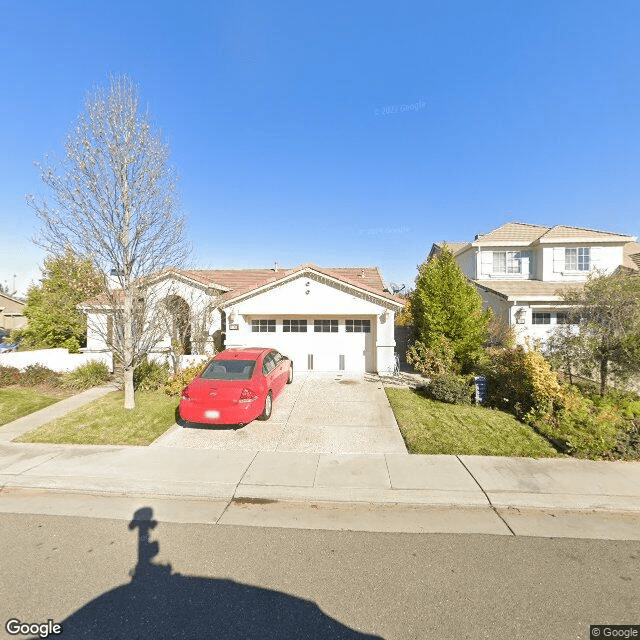
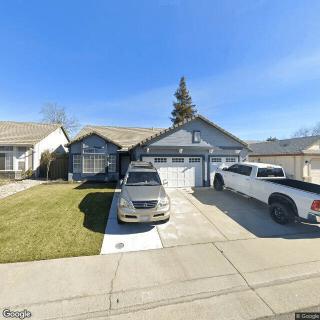
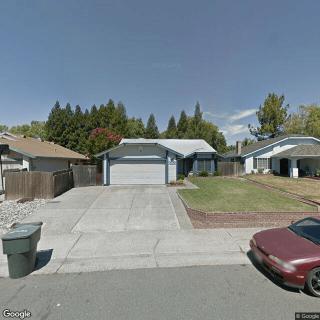
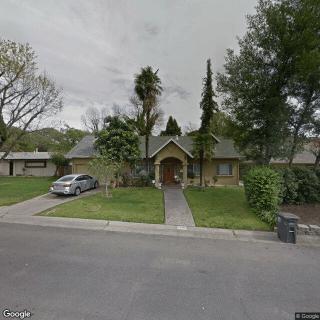
7748 Black Sand Way, Antelope, CA 95843
For more information about senior living options: (866) 208-4318
Palmera Care Home Costs & Pricing
At Palmera Care Home, the monthly costs for living arrangements present a compelling value when juxtaposed with broader pricing trends in Sacramento County and the state of California. For semi-private accommodations, residents are charged $2,500 per month - significantly lower than the county average of $3,106 and the state average of $3,333. Private rooms at Palmera Care Home are offered at a competitive rate of $3,500 per month, again undercutting both Sacramento County's average price of $3,686 and California's statewide average of $3,939. These affordable rates reflect Palmera Care Home's commitment to providing quality care without compromising on comfort or financial accessibility.
| Floor plans | Palmera Care Home | Sacramento County | California |
|---|---|---|---|
| Semi-Private | $2,500 | $3,106 | $3,333 |
| Private | $3,500 | $3,686 | $3,939 |
Assisted Living communities with a similar price nearby
-
About the same
Sunrise Senior Care
$2,500 to $3,500 / month4.8 miles away -
About the same
Gina's Home Care
$2,500 / month6.1 miles away -
About the same
Eastern Manor
$2,500 to $3,000 / month6.7 miles away -
About the same
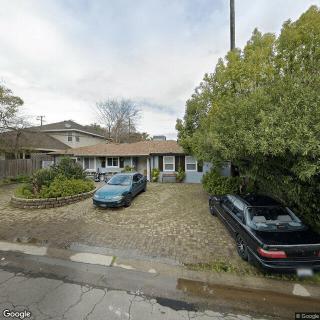
Hempstead Home
$2,500 to $6,930 / month8.9 miles away -
About the same
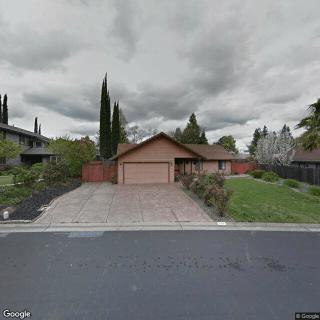
A.R.C. Manor of Folsom
$2,500 to $3,500 / month8.9 miles away
Overall Review of Palmera Care Home
Pros
 Their aunt lived there for two years and was very happy and well cared for.
- The owner is a very caring woman with a beautiful heart, who treats residents with love and respect.
- They felt fortunate to have found Royal Palms.
- The home is beautiful, with caring and efficient staff.
- The owner lives onsite and is friendly and attentive to residents.
- There were very kind people there, contributing to a supportive environment.
Cons
 The food selection was not very good.
- The preparation was lacking a little bit.
Review
Palmera Care Home in Antelope, CA is best suited for seniors who want a true home-like setting with an owner-operator presence and highly personal, attentive care. The six-room house format typically yields private bedrooms for most residents, creating a calm, predictable routine that many families associate with safety and dignity. The owner lives on site and is repeatedly described as genuinely caring, which translates into a hands-on, responsive environment. For residents who are mobile and do not require skilled nursing, this community offers a reassuring, intimate option where staff familiarity and continuity become a meaningful part of daily life.
That said, Palmera’s size naturally limits its appeal for some families. Alternatives become more appealing for seniors seeking richer social programming, broader dining options, or specialized clinical support such as memory care or more robust on-site nursing. The small footprint means few residents at a time, which can translate into a quieter atmosphere but fewer spontaneous peer activities. The dining experience is noted as an area for improvement, with some reviewers finding the food selection and preparation lacking. For families prioritizing a bustling activity calendar, a large, professionally staffed community with structured programming may be a better fit.
Pros at Palmera offset several meaningful drawbacks, with the owner’s daily presence and the efficient, caring staff providing a level of trust that’s hard to match in larger homes. Cleanliness and a neat, well-maintained environment support everyday comfort, and the compact scale fosters direct relationships with caregivers, limiting gaps in communication. The longevity of the operation, built over more than a decade, with experience in LA before settling in Antelope, offers a track record of stability. Importantly, there is a documented emphasis on keeping residents in the home rather than pushing them out; the arrangement has historically avoided expelling residents unless skilled nursing becomes essential, which underscores a commitment to continuity of care.
Nevertheless, the limited resident pool and occasional room-sharing arrangements pose practical concerns. With the current population around three residents, options for social interaction and group activities are naturally more modest than in larger communities. One or two residents sharing a large master room may be a disappointment for those who prize complete private space, especially for couples or partners who hoped for separate bedrooms. Food quality and variety emerge as a legitimate consideration, particularly for families with certain dietary preferences or those who view meals as a core daily amenity. Finally, the level of clinical staffing is not detailed, so families must ask pointed questions about nurse availability, on-call coverage, and plans if medical needs intensify.
From a financial perspective, Palmera presents a reasonable, lower-profile price point for a small, home-like setting. Approximately $3,500 per month with hospice costs listed at roughly $125–$150 per day lays out a clear budget path, though the exact inclusions should be confirmed during a visit. This pricing aligns with the intimate, private-room model and the ease of access often valued by families seeking less institutional environments. Potential cost escalations, if medical or end-of-life services become necessary, should be clarified upfront to prevent sticker shock later. The current lacuna of high-density programming may be reflected in the price, but also means families should budget for additional social or recreational options if desired.
The practical approach to deciding Palmera is simple: tour with a specific checklist in hand, asking about staffing patterns, nurse availability, meal options, and what happens if care needs escalate. Confirm whether the resident can maintain autonomy and privacy in daily routines, and verify how social opportunities would look with a very small resident population. If memory care, frequent medical oversight, or a lively activities calendar are non-negotiables, consider larger RCFE communities or facilities with dedicated memory care wings. For families prioritizing warmth, personal connection, and a stable, owner-driven environment, Palmera stands out as a compelling, trustworthy option worth pursuing.
 6 resident community capacity
 Assisted Living
 Board and Care Home
 Respite Care
 Cable or satellite TV
 Dining room
 Fully furnished
 Garden
 Housekeeping services
 Move-in coordination
 Outdoor space
 Private
 Telephone
 Wi-Fi/high-speed internet available
 Sacramento International (13 miles away)
 24-hour supervision
 Activities of daily living assistance
 Ambulatory care
 Assistance with bathing
 Assistance with dressing
 Assistance with transfers
 Diabetes diet
 Diabetic care
 High acuity care
 Incontinence care
 Meal preparation and service
 Medication management
 Special dietary restrictions
 Transportation arrangement (medical)
 Transportation to doctors appointments
 Comprehensive Residential Support and Assisted Living Solutions for Individuals with Disabilities
 Comprehensive Supportive Living Arrangements for Adults with Disabilities
 Funding and Affording Assisted Living: A Thorough Overview