
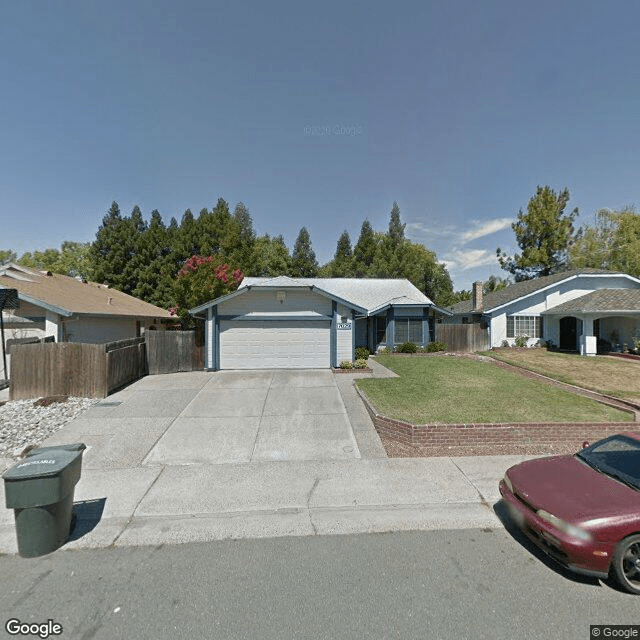
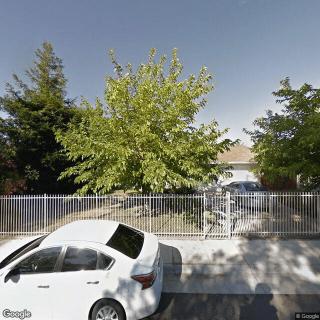
7029 Refined Ct, Sacramento, CA 95842
To contact a resident: (916) 334-4910
For more information about senior living options: (866) 208-4318
Refined Care Home Costs & Pricing
Refined Care Home offers a competitive pricing structure for its residents, especially when compared to the broader market conditions within Sacramento County and the state of California. The monthly cost for a semi-private room at Refined Care Home is $2,000, significantly lower than the county average of $3,106 and the state average of $3,333. Similarly, private rooms at Refined Care Home are priced at $2,500, which again marks a substantial savings compared to Sacramento County's average of $3,686 and California's average of $3,939. This pricing not only reflects an economical choice for potential residents but also underscores Refined Care Home's commitment to providing quality care in an accessible manner.
| Floor plans | Refined Care Home | Sacramento County | California |
|---|---|---|---|
| Semi-Private | $2,000 | $3,106 | $3,333 |
| Private | $2,500 | $3,686 | $3,939 |
Senior living communities with a similar price nearby
-
About the same
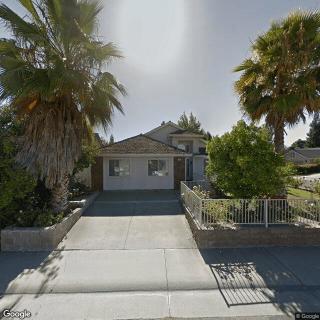
Antelope Hills Home Care
$2,000 to $2,500 / month1.0 miles away -
from -$100 / mo
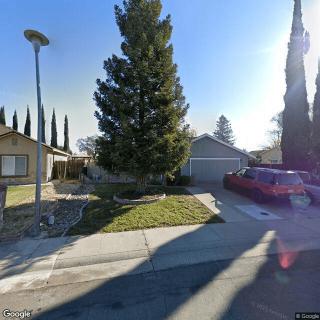
Bloomfield Hills Assisted Living
$1,900 to $2,400 / month3.3 miles away -
from +$370 / mo
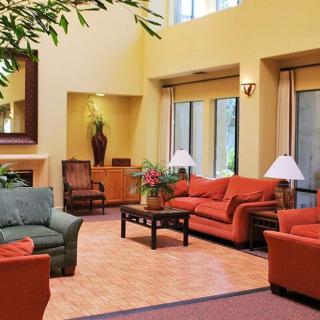
Winding Commons Senior Living
$2,370 to $3,870 / month3.6 miles away -
from -$200 / mo
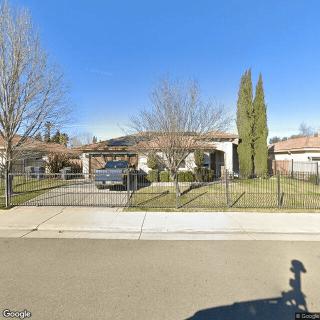
Ciric Care Home
$1,800 to $2,800 / month9.3 miles away -
from +$200 / mo
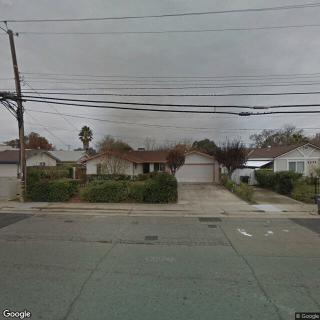
Afable Home Care II
$2,200 to $3,000 / month2.0 miles away
Overall Review of Refined Care Home
Pros
 The care home is very family-oriented.
- The staff are friendly and kind and can be trusted with loved ones.
- The owners make family members feel at home, making the transition painless and simple.
- The family highly recommends this facility, as their family member has been there for over five years.
Review
Refined Care Home in Sacramento is best suited for families who prize a warm, family-centered setting where care feels personal and transitions into care are handled smoothly. The reviews portray a community that acts like an extension of the family, with staff described as friendly and trustworthy and owners who actively cultivate a homey atmosphere. This combination makes it an ideal choice for relatives seeking steady, compassionate companionship for a loved one and a transition that feels natural rather than clinical. The emphasis on a homelike daily rhythm and long-standing relationships suggests it works best for residents who value relational care and stability over a high-octane medical environment.
For families weighing alternatives, a clear caution point emerges: when the priority shifts to intensive medical oversight, specialized memory-care programming, or a larger campus with a broader menu of on-site services, other options may serve better. The available feedback concentrates on warmth, trust, and ease of transition rather than on clinical capabilities, medical staffing depth, or formal programming schedules. In situations where robust clinical resources or specialized dementia care are non-negotiable, it makes sense to evaluate communities with explicit strengths in those areas.
The strongest pros center on the human touch: a decidedly family-oriented culture, staff who are described as friendly and kind, and owners who foster a sense of being at home. These elements directly address core family worries about safety, emotional well-being, and daily comfort. When a resident sees familiar faces and feels welcomed by the leadership, trust grows and care becomes more proactive and personalized. The testimony about transitions being painless and simple reinforces the idea that newcomers can settle in with less disruption, reducing anxiety for both resident and family.
These advantages offset potential concerns that often accompany smaller, family-run settings. While the reviews do not surface explicit negatives, the implied trade-off in a home-like, intimate environment is typically a lighter footprint of clinical amenities and a leaner staffing model compared to larger facilities. In this context, the strong sense of continuity, evidenced by residents staying for years and families repeatedly praising the experience, provides a meaningful counterweight to any hesitation about resource breadth. The combination of trusted staff and a low-stress transition framework creates a stable, predictable routine that can be a vital asset for seniors who thrive on consistency.
For families evaluating firsthand, practical steps should be taken: observe how staff interact with residents during a tour, inquire about daily schedules, meal routines, and opportunities for social engagement, and ask how care plans are developed and updated. Clarify what medical oversight looks like on a day-to-day basis, whether physicians visit on-site, and how emergencies are managed after hours. Confirm the level of family involvement in planning and how information is communicated. These questions help verify that the warmth and trust highlighted in reviews align with the residentā€™s specific medical needs and activity expectations.
In the final assessment, Refined Care Home emerges as a compelling fit for seniors who will thrive in a nurturing, home-like environment backed by attentive, trustworthy staff and owners who are deeply involved. It is a particularly strong match for families prioritizing emotional well-being, smooth transitions, and long-term relational care over a highly clinical setting. Those with more demanding medical needs, a requirement for expansive on-site services, or a need for formal memory-care programming should nonetheless compare alternatives to ensure the chosen community can meet both medical and logistical expectations without compromising the essence of a warm, family-driven atmosphere.
 Board and Care Home
 Activities on-site
 Cable or satellite TV
 Devotional services off-site
 Indoor common areas
 Outdoor common areas
 Private
 Wi-Fi/high-speed internet available
 Sacramento International (13 miles away)
 Ambulatory care
 High acuity care
 Incontinence care
 Medication management
 Meals provided
 Adventist services
 Buddhist services
 Islamic services




 Understanding the Nuances of Palliative Care and Hospice: A Comprehensive Exploration
 Fecal Incontinence in Older Adults: A Comprehensive Guide
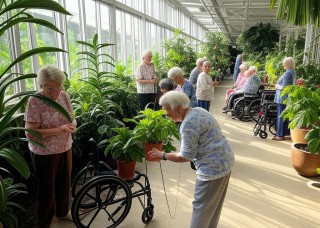 Nurturing Well-Being Through Gardening: A Detailed Guide for Senior Enthusiasts