

4822 Image Way, Sacramento, CA 95842
For more information about senior living options: (866) 208-4318
Amity Home Care Costs & Pricing
Amity Home Care offers competitive pricing for its services when compared to both Sacramento County and the broader state of California. For a semi-private room, the cost at Amity is $3,200, which is slightly above the county average of $3,106 but below California's average of $3,333. In terms of one-bedroom accommodations, Amity's rate of $3,700 positions it just under the county's average of $3,758, yet significantly lower than the state average of $4,340. Finally, for private rooms, Amity Home Care's fee of $4,000 aligns closely with Sacramento County's average of $3,686 while remaining competitive against the state's average cost of $3,939. Overall, these figures reflect Amity Home Care's commitment to providing quality care at reasonable prices in an increasingly complex market.
| Floor plans | Amity Home Care | Sacramento County | California |
|---|---|---|---|
| Semi-Private | $3,200 | $3,106 | $3,333 |
| 1 Bedroom | $3,700 | $3,758 | $4,340 |
| Private | $4,000 | $3,686 | $3,939 |
Memory care communities with a similar price nearby
-
from -$200 / mo

Love & Care for Elder
$3,000 to $4,500 / month1.5 miles away -
from +$300 / mo
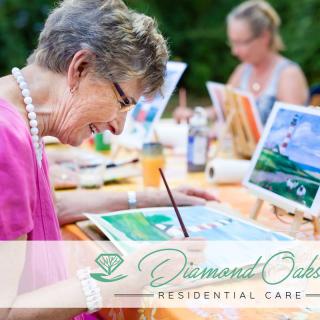
Diamond Oaks Residential Care
$3,500 to $4,000 / month6.3 miles away -
About the same

WellQuest of Elk Grove
$3,250 to $5,050 / month18.1 miles away -
from +$500 / mo
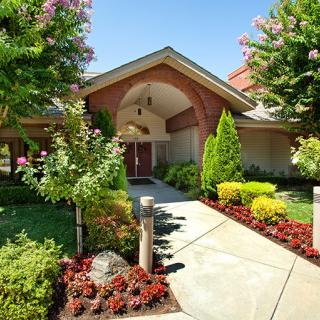
Summerfield of Roseville Memory Care
$3,700 to $4,600 / month6.4 miles away -
from +$450 / mo
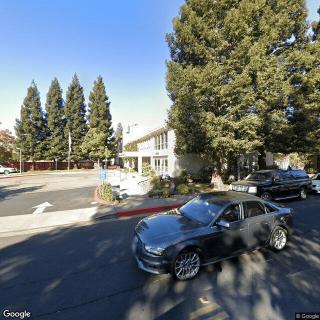
Mercy McMahon Terrace
$3,650 to $4,900 / month10.2 miles away
Overall Review of Amity Home Care
Pros
 Dora and Ruth provide care that goes above and beyond to keep their patient safe, healthy, and happy, with fantastic communication.
- They are considered family by the patient’s family.
- Amity Home Care delivered hospice care in a group home context, with excellent communication about changes, services, and schedules.
- The Amity team is caring, warm, and friendly, and they provide follow-up and long-term grief support to families.
- The care for mom is described as the absolute best, offered at reasonable rates, with no outside fill-in staff, helping to control exposure.
- They provide personalized healthy meals and snacks and bring solid medical knowledge to work with the patient’s medical provider.
- All of this is delivered in a package of love.
Review
Amity Home Care in Sacramento is a standout option for families seeking a small, home-like eldercare setting where care feels personal, continuous, and closely supervised by a trusted, stable team. The community shines when a loved one benefits from consistent caregivers and a group-home atmosphere that prioritizes safety, happiness, and daily well-being. In particular, Dora and Ruth emerge as the core continuity of care, delivering a level of attentiveness that makes families feel their relative is truly in good hands. The communication is deliberate and clear, with updates on changes, services, and visit plans that reduce guesswork and anxiety for families.
This option may not be the best fit for every situation. Families needing a hospital-style environment with extensive on-site medical technology, 24/7 intensive nursing, or a large campus with broadrehab offerings may find alternatives more aligned with those needs. Similarly, for loved ones requiring specialized dementia programs or higher-volume, multi-shift staffing structures, a bigger facility could provide the diversity of care and resources those scenarios demand. Amity’s group-home context emphasizes a intimate setting over sheer scale, so those prioritizing formalized, campus-level amenities may want to compare with other models.
The core strengths here address the primary concerns many families weigh: reliability, warmth, and clear lines of communication. The care team’s habit of staying closely connected with families translates into safer days and fewer surprises, with providers who can articulate what services are being delivered and why. The “no outside fill-in staff” approach stands out as a meaningful protection against inconsistent care or exposure risks, ensuring that a limited, well-known group of caregivers handle daily routines, meals, and medical coordination. This continuity matters when a loved one requires steady oversight, familiar mealtime rituals, and a sense of predictable daily structure.
Equally important are the clinical touches that accompany the home-like setting. The staff’s solid medical knowledge and ability to work hand in hand with a resident’s medical providers mean care plans stay coherent across doctors’ visits and medication changes. Personalized meals and snacks reflect not only nutrition but also quality of life, small touches that reduce agitation and improve appetite, while reinforcing a sense of normalcy. The hospice context within a group-home framework adds a layer of comfort for families facing end-of-life decisions, with a focus on symptom control and dignity, plus thoughtful follow-up after a loved one passes and meaningful grief support for the family. These elements collectively offset common anxieties about losing control of care in a home setting.
Where the advantages truly offset potential drawbacks is in the proven, hands-on approach to day-to-day life and the emotional aftercare. Continuity of staff minimizes the upheaval families dread when shifts rotate or new aides arrive who never met the person they care about. The capacity to observe changes promptly, explain the implications, and adjust services accordingly means fewer mismatches between what is promised and what is delivered. The group-home model’s small footprint fosters a degree of responsiveness and familiarity that’s often missing in larger facilities, while the availability of grief support demonstrates a comprehensive commitment to the family, not just the resident. In short, the positives directly attenuate the typical costs, care inconsistency, emotional strain, and disjointed medical coordination, that families worry about most.
For decision-makers weighing options, Amity Home Care represents a practical, trustworthy pathway when the priority is a compassionate, tightly coordinated caregiving environment with stable personnel and meaningful family engagement. It is especially well-suited for seniors who thrive on a homey atmosphere, clear communication, and a care team that feels like an extension of the family. Those who need broader medical infrastructure, extensive rehab programming, or a campus setting with diverse amenities should consider alternatives for parity. Prospective families should arrange a visit, request to meet Dora and Ruth or their current caregivers, and ask specific questions about 24/7 availability, how hospice pathways are managed, and what the long-term cost structure looks like.
In the end, Amity Home Care delivers a candid, seasoned approach to elder support where the human element, trust, warmth, and straightforward communication, really matters. The care philosophy centers on safety, dignity, and consistent stewardship of daily life, reinforced by proactive family engagement and a built-in support system for grieving loved ones. For families seeking a tight-knit, accountable, and genuinely caring home-based option in Sacramento, this community has the practical strengths and the emotional resonance to make a meaningful difference in how care is experienced and how peace of mind is achieved.
 6 resident community capacity
 Assisted Living
 Board and Care Home
 Memory Care
 Respite Care
 Dogs allowed
 Activities on-site
 Cable or satellite TV
 Dining room
 Fully furnished
 Garden
 Housekeeping services
 Move-in coordination
 Outdoor space
 Private
 Telephone
 Wheelchair accessible showers
 Wi-Fi/high-speed internet available
 Sacramento International (13 miles away)
 24-hour supervision
 Ambulatory care
 Assistance with bathing
 Assistance with dressing
 Assistance with transfers
 Diabetes diet
 Diabetic care
 Incontinence care
 Meal preparation and service
 Medication management
 Special dietary restrictions
 Transportation arrangement (medical)
 Transportation to doctors appointments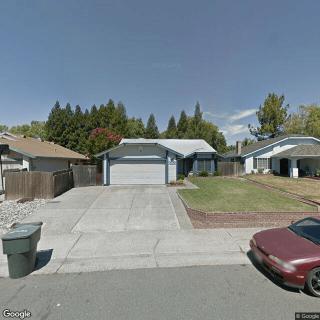



 Delving into the Inner World of Dementia: Insights into Thoughts and Awareness
 Five Subtle Dementia Indicators to Observe: An In-Depth Guide to Understanding “Does My Mom Have Dementia?”
 Dementia, Paranoia, and Caregiver Guidance: Understanding the Connection