5180 East 16th Street, Tucson, AZ 85711
To contact a resident: (520) 519-1236
For more information about senior living options: (866) 208-4318
Frances Residential Care Home Costs & Pricing
Frances Residential Care Home offers competitive pricing for its services, particularly when compared to broader regional and state averages. The cost for a semi-private room at Frances is $2,500 per month, notably lower than the Pima County average of $2,805 and Arizona's statewide figure of $2,820. For those seeking private accommodations, Frances maintains a rate of $4,500, which contrasts with the average rates in Pima County ($3,332) and across Arizona ($3,345). This pricing structure positions Frances Residential Care Home as an appealing option for families looking for quality care that aligns with their budgetary considerations.
| Floor plans | Frances Residential Care Home | Pima County | Arizona |
|---|---|---|---|
| Semi-Private | $2,500 | $2,805 | $2,820 |
| Private | $4,500 | $3,332 | $3,345 |
Memory care communities with a similar price nearby
-
from +$200 / mo

Casa De Los Abuelos Dos
$2,700 to $3,200 / month11.3 miles away -
About the same
Fairmount Assisted Living
$2,500 to $3,500 / month2.2 miles away -
from +$450 / mo

La Sonora at Dove Mountain
$2,950 to $5,270 / month18.7 miles away -
from -$372 / mo
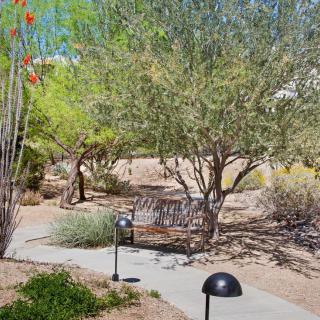
Sunrise at River Road
$2,128 to $3,530 / month7.4 miles away -
from +$95 / mo
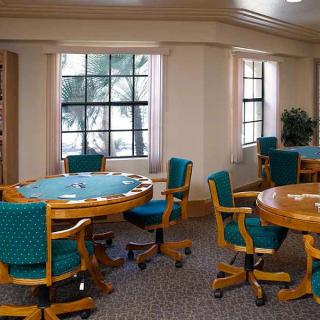
Atria Campana Del Rio
$2,595 to $7,095 / month6.5 miles away
Overall Review of Frances Residential Care Home
Pros
 They were all clean and well maintained.
- Having a doctor on call made a difference.
Cons
 It was not the one they chose.
Review
Frances Residential Care Home in Tucson is best suited for families seeking a small, home-like setting where cleanliness and upkeep are clearly prioritized and where medical input is accessible on call rather than via a full-time on-site team. This community appeals to households that want a quiet, predictable routine, tidy living spaces, and the reassurance that a doctor can be summoned when needed without the overhead of a larger campus. It is a sensible match for seniors who do not require around-the-clock physician presence or intensive medical programming but still want reliable medical guidance available on short notice. For residents who demand constant clinical supervision or a broad array of on-site medical services, alternatives with deeper on-site staffing should be considered.
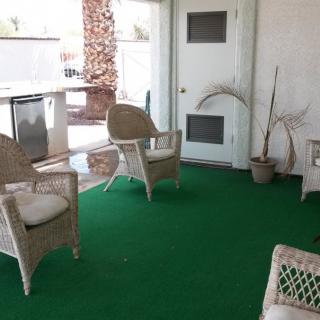
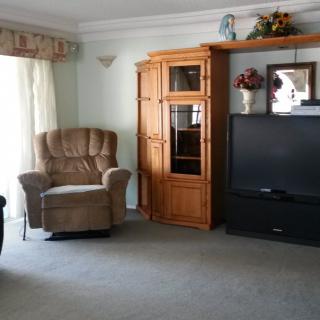
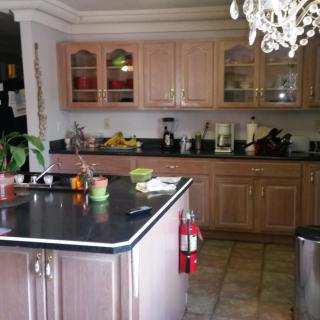
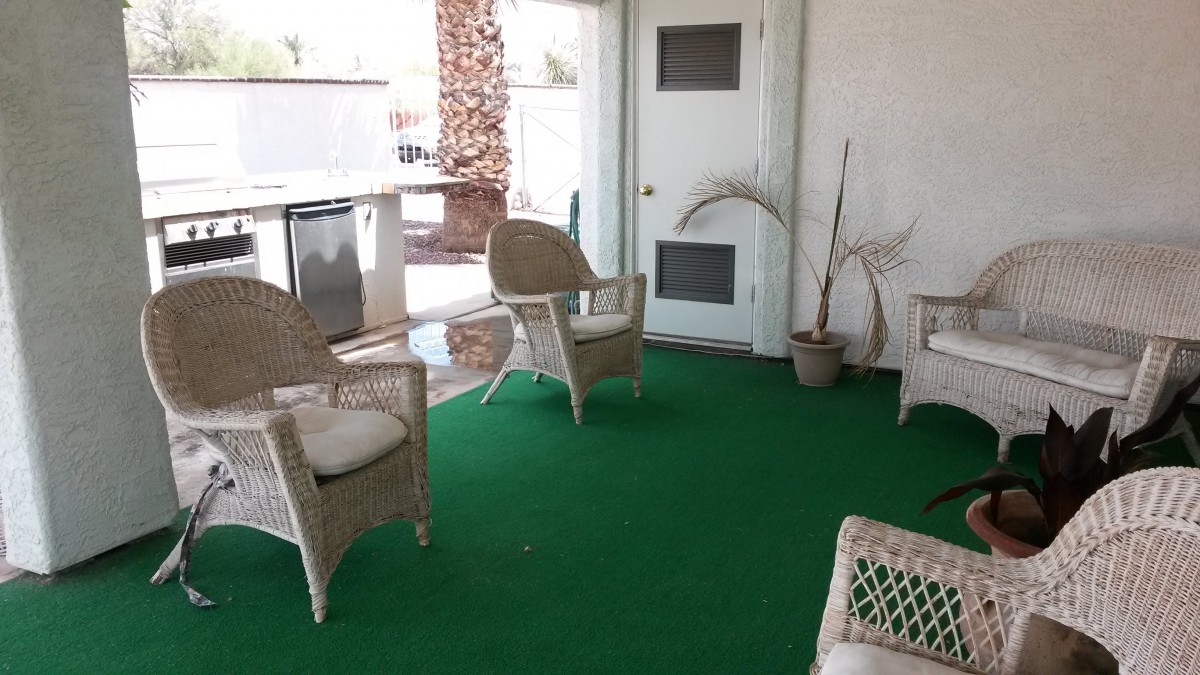
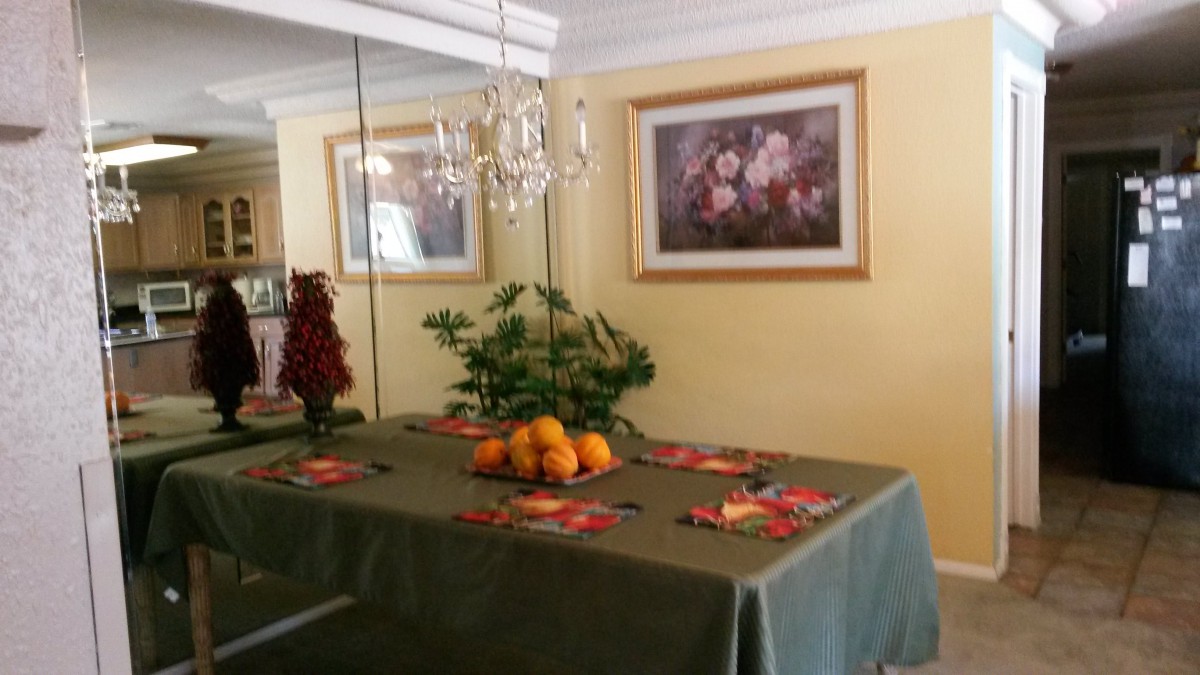
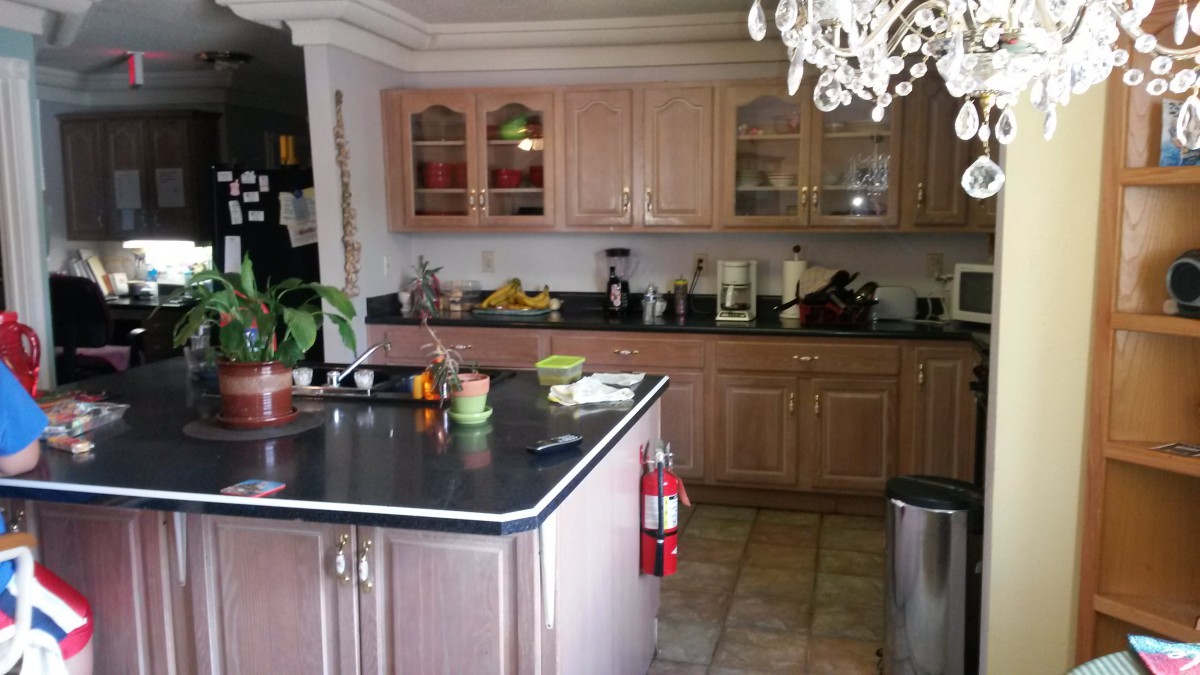
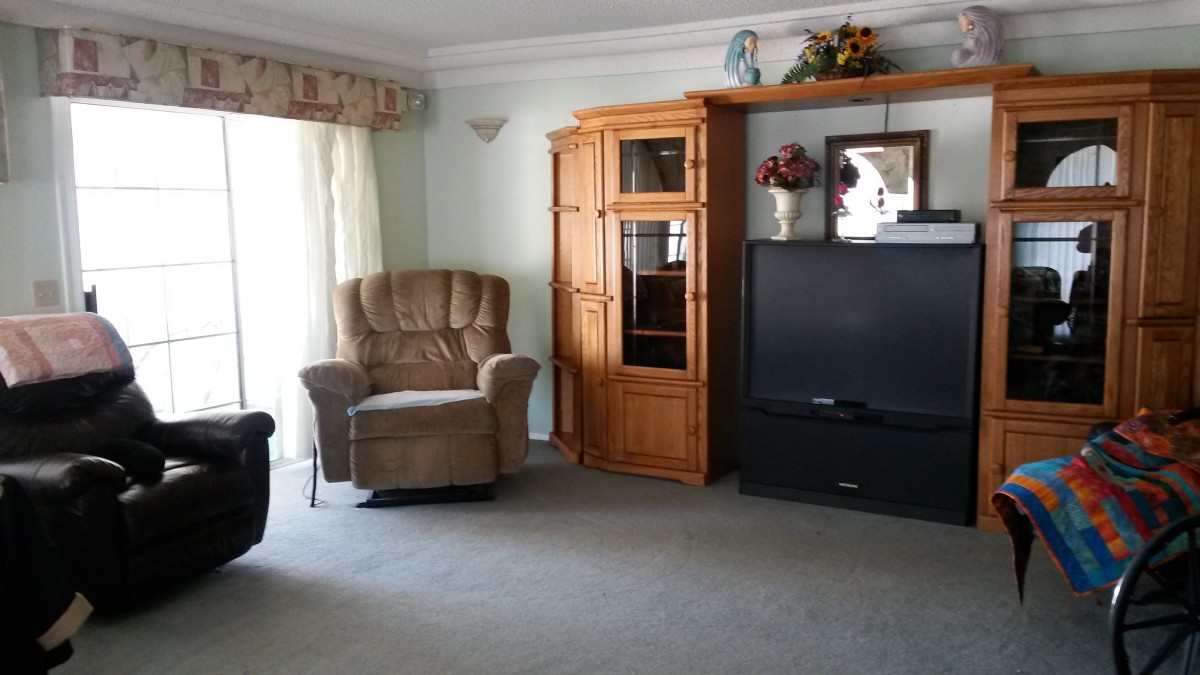
On tours, Frances made a strong impression on maintenance and overall cleanliness. The spaces were consistently well cared for, with attention paid to both private rooms and shared areas, signaling a stable, low-rough-edge environment. That level of upkeep reduces daily stress for families and residents alike, creating a backdrop where routines, meals, medications, and activities, can proceed smoothly. When weighed against comparable small homes, Frances’ emphasis on cleanliness stands out as a practical foundation for daily life, helping to minimize housekeeping concerns and support a sense of safety and dignity.
The clearest differentiator here is the availability of a doctor on call. For families, the knowledge that medical expertise can be accessed without scheduling a separate visit outside the community offers meaningful peace of mind. This arrangement supports timely medical input on for-now concerns, helps align care plans with evolving needs, and can streamline decision-making around medications or changes in health status. In a setting where residents may experience minor health shifts, such an on-call option provides a valuable bridge between routine living and clinical oversight, reducing the friction of coordinating external care.
That medical arrangement also highlights a trade-off. The on-call model implies less frequent, formal on-site medical rounds than what a fully staffed facility provides, and it can mean slower responses during off-hours or urgent situations when immediate physician presence is desired. For residents who require continuous medical surveillance, or for families who want guaranteed prompt clinical evaluation 24/7, options with full-time nursing staff and on-site physicians may feel more secure. Frances can satisfy routine care coordination and episodic medical input, but it does not promise the same level of constant medical coverage.
The smaller, residential layout informs another practical dimension: the atmosphere tends to be calm and intimate, which benefits residents who thrive on familiar faces and predictable routines. This setting often translates into stronger staff-resident relationships and a quieter daily tempo. However, that same scale can constrain the breadth of on-site programming, activities, and specialized services. Prospective families should probe beyond cleanliness and the doctor-on-call feature to learn about meal variety, activity calendars, mobility support, transportation options, and how family involvement is integrated into daily life.
In conclusion, Frances Residential Care Home meets the needs of families prioritizing a clean, well-kept, quiet home environment with accessible medical input via an on-call physician. It is a sound fit for residents who do not require constant on-site medical staffing but still want reliable professional involvement in care decisions. Families with higher expectations for continuous clinical oversight or expansive on-site programming will likely want to explore alternatives that emphasize round-the-clock nursing and broader service offerings. The prudent path is to use the tour as a baseline, then press for specifics on staffing ratios, after-hours access, care planning processes, and the exact nature of medical availability to ensure alignment with the loved one’s health realities and daily living preferences.
 Studio apartments
 Board and Care Home
 Memory Care
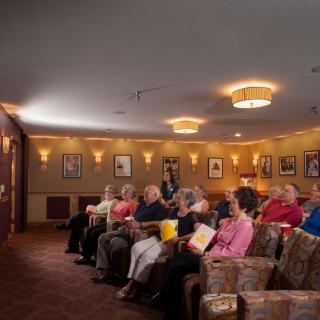
 Activities on-site
 Beautician on-site
 Devotional services on-site
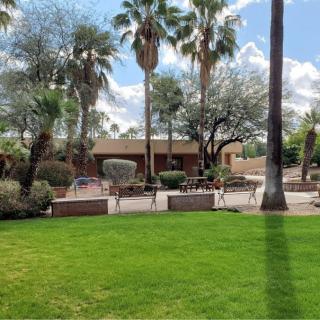
 Garden
 Indoor common areas
 Outdoor common areas
 Private
 Private bathrooms
 Respite or short term stays offered
 Wheelchair accessible showers
 Tucson International (8 miles away)
 Transportation & parking
 Diabetic care
 High acuity care
 Hospice care
 Incontinence care
 Meal preparation and service
 Medication management
 Diabetes diet
 English

 Comprehensive Insights on the Late Stages of Dementia: What to Expect and How to Provide Care
 Medications Associated with Dementia Risk: A Comprehensive Overview
 Guiding Your Journey: Understanding Power of Attorney for Elderly Parents