
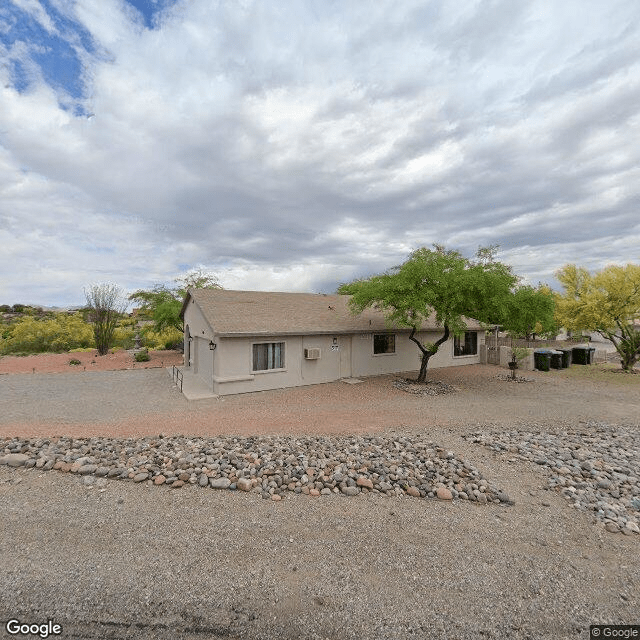
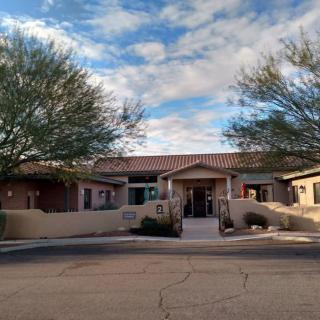
4740 W Via Aguilera, Tucson, AZ 85745
To contact a resident: (520) 743-1865
For more information about senior living options: (866) 208-4318
Aguilera Assited Living Home Costs & Pricing
Aguilera Assisted Living Home presents a competitive pricing structure compared to both Pima County and the state of Arizona for its various room types. The cost for a semi-private room at Aguilera is $3,200, which exceeds the county's average of $2,805 and slightly surpasses the state's average of $2,820. For private accommodations, Aguilera's monthly fee is set at $3,700, positioning it above the county's average of $3,332 and the state's average of $3,345. Similarly, their 1-bedroom units are priced at $3,700, which is higher than the county's average of $3,660 but aligns closely with Arizona's average rate of $3,532. While Aguilera Assisted Living Home tends to be pricier in comparison to local options, it may offer distinctive features or services that justify these costs for potential residents seeking quality care.
| Floor plans | Aguilera Assited Living Home | Pima County | Arizona |
|---|---|---|---|
| Semi-Private | $3,200 | $2,805 | $2,820 |
| Private | $3,700 | $3,332 | $3,345 |
| 1 Bedroom | $3,700 | $3,660 | $3,532 |
Memory care communities with a similar price nearby
-
from +$400 / mo

The Ranch Estates of Tucson
$3,600 to $4,840 / month3.3 miles away -
from -$200 / mo
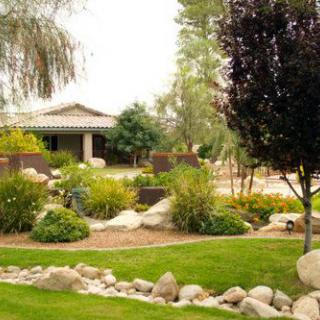
Crossroads Adult Care Homes
$3,000 to $3,600 / month5.3 miles away -
from -$500 / mo

Casa De Los Abuelos Dos
$2,700 to $3,200 / month4.3 miles away -
About the same

The Watermark at Oro Valley
$3,145 to $4,995 / month7.6 miles away -
from +$135 / mo
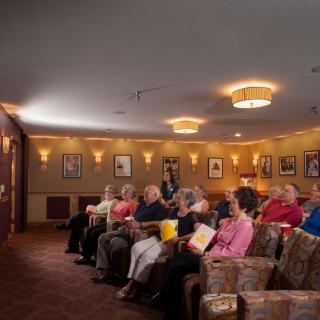
Cascades of Tucson
$3,335 to $5,350 / month13.6 miles away
Overall Review of Aguilera Assited Living Home
Pros
 The owner and caregivers were really friendly.
- Everything seemed to be clean.
- Great care.
Cons
 It was a little crowded.
- Access to two garage rooms required going through the laundry room.
- One room seemed like it used to be a walk-in closet.
Review
Aguilera Assisted Living Home in Tucson is best suited for seniors who value a small, hands-on operator with a warm, personal touch and who are comfortable in a compact, home-like setting. The reviews consistently highlight a friendly owner and attentive caregivers, along with a clean environment. That combination can translate into dependable daily support and a sense of belonging, especially for residents who prioritize personal relationships with staff over expansive amenities. It suits individuals who don’t demand large common areas or a highly structured activity calendar, but who do want reliable assistance and a welcoming, intimate atmosphere where staff know residents by name.
Families considering alternatives should note that this home may not meet needs tied to more generous space, formal programming, or specialized care. The facility’s small footprint manifests in practical limits: crowded-feeling rooms, and some unusually configured spaces, including two garage rooms reached via the laundry area and a room that resembles a former walk-in closet. For seniors who require frequent stimulation, robust group activities, or easy access to expansive social hubs, a larger assisted living with clearly defined common areas and more predictable layouts will likely be a better fit.
On the strength side, the standout pros are clear: a welcoming owner and empathetic caregivers, and a consistently clean environment. Those elements translate into a trustworthy core of daily care, where routines feel predictable and staff appear accessible. A smaller setting can foster closer communication with caregiving teams and greater accountability, which is meaningful for residents who value consistency and a low-key, homey feel. These positives can offset many concerns when a resident prioritizes personalized attention and a sense of community over footprint and formal programmatic offerings.
Where the main drawbacks land most acutely is in space and layout. The sense of crowding, coupled with rooms that feel repurposed or undersized, can undermine privacy and limit the range of activities available within the home. The garage-room access through a laundry area signals floor-plan quirks that may complicate mobility for residents with limited dexterity or those who rely on mobility aids. Noise, traffic through narrow corridors, and restricted common areas can hinder social opportunities and disrupt downtime, making the environment feel smaller than expected for those who cherish more expansive living spaces.
In weighing decision factors, the pros and cons point toward a practical conclusion: Aguilera Assisted Living Home is a viable choice for families seeking compassionate, attentive care in a tight-knit, clean setting. It is less suitable for those who require spacious accommodations, varied programming, or a facility with extensive shared amenities. Prospective clients should verify room configurations, access routes, and safety features, and should probe whether the care plan can scale if needs change. Visiting at different times, speaking freely with residents and normal caregivers, and obtaining a clear, written understanding of rates and what is included will illuminate whether this home’s intimate charm can truly align with long-term goals, or if a larger, more structured option would provide a better trajectory.
 Board and Care Home
 Memory Care
 Private
 Tucson International (14 miles away)
 Diabetic care
 High acuity care
 Incontinence care
 Medication management


 Five Subtle Dementia Indicators to Observe: An In-Depth Guide to Understanding “Does My Mom Have Dementia?”
 Dementia, Paranoia, and Caregiver Guidance: Understanding the Connection
 Engaging Memory Care Activities That Enhance Quality of Life