

13250 Westport Royal Ln., Surprise, AZ 85379
To contact a resident: (623) 476-2227
For more information about senior living options: (866) 208-4318
Olive Manor Assisted Living Costs & Pricing
Olive Manor Assisted Living offers competitive pricing compared to the broader market in Maricopa County and the state of Arizona. With a semi-private room priced at $1,800, Olive Manor provides an attractive alternative to the county average of $2,801 and the state average of $2,820. For those seeking more privacy, a private room is available for $3,000, considerably lower than the county's average of $3,318 and the state's average of $3,345. Additionally, their one-bedroom option is offered at $3,500, which still falls below both regional averages - $3,473 for Maricopa County and $3,532 for Arizona as a whole. This pricing strategy underscores Olive Manor's commitment to delivering quality care while ensuring affordability for its residents.
| Floor plans | Olive Manor Assisted Living | Maricopa County | Arizona |
|---|---|---|---|
| Semi-Private | $1,800 | $2,801 | $2,820 |
| Private | $3,000 | $3,318 | $3,345 |
| 1 Bedroom | $3,500 | $3,473 | $3,532 |
Memory care communities with a similar price nearby
-
from +$200 / mo

Tatum Ranch Assisted Living
$2,000 to $3,000 / month23.4 miles away -
from +$200 / mo

Arrowhead Shore Senior Living, LLC
$2,000 to $3,000 / month5.6 miles away -
from +$200 / mo

All Care Assisted
$2,000 to $2,500 / month4.8 miles away -
from +$100 / mo

Maravilla Scottsdale
$1,900 to $6,130 / month24.3 miles away -
from +$200 / mo

Sierra Vista Assisted Living
$2,000 to $3,000 / month21.0 miles away
Overall Review of Olive Manor Assisted Living
Pros
 The assisted living home is great.
- Anna and her husband are passionate about helping seniors.
- The homeowners are at the location most of the time.
- The place is very homey and hospitable.
- It was really nice overall.
Cons
 The day-to-day supervisor isn’t there full-time, making it hard to get questions about medications answered.
- Staff allegedly told the reviewer they didn’t know anything and directed questions to the supervisor.
- They were told that if the resident wanted to eat something differently from others, they would have to return to the room with the food.
- The staff limited the reviewer’s time with their mother, which disturbed them greatly.
- One long-term resident was verbally abused by another, which made the reviewer very sad.
- If residents cried out during nap time, their cries went unanswered generally.
- The reviewer would not be inclined to put a loved one there; looks can be deceiving.
Review
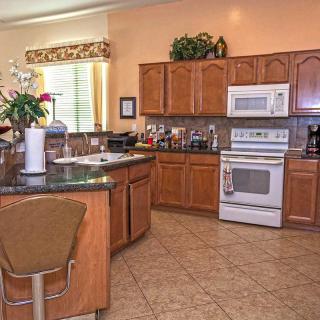
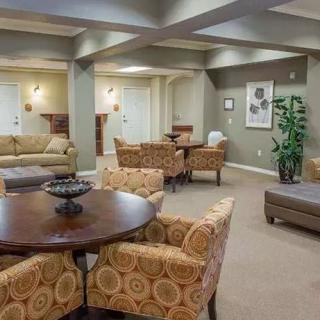
Olive Manor Assisted Living in Surprise is best suited for families seeking a small, home-like setting where the owners are visibly involved. Anna and her husband are described as passionate about helping seniors, and their frequent presence at the location offers a level of accessibility rare in larger communities. The environment is intimate and hospitable, with a vibe that feels more like a family home than a polished institution. That warmth can translate into meaningful daily interactions and flexible, personalized care for residents who don’t require a heavy medical footprint. Prospective residents should know, however, private rooms are not always available, which can complicate arrangements for couples or residents who require private space.
Those who require steady, highly competent medication management or robust supervision may want to consider alternatives. In one firsthand account, the day-to-day supervisor is not consistently on site, and questions about medications were redirected to staff who admitted they did not know. That gap can create safety and comfort concerns for families closely coordinating care with Hospice or a physician. Additional restrictions around meals, staff reportedly offered food but with rules that prevented offering something the resident wanted if others did, along with limits on family time can heighten frustration for families hoping for transparent, collaborative care. In short, limited staffing clarity is a red flag for higher-need residents.
On the upside, the owners’ ongoing involvement can yield responsive problem-solving and a more accountable care environment than is typical in a small group home. The size fosters accessibility and opportunities for residents to be recognized by name, and families often report a genuinely homelike feel. Yet these strengths do not erase fundamental weaknesses: inconsistent med knowledge, unclear policies, and the potential for missteps in daily routines can quickly erode trust. The decision hinges on whether the comfort of a small, owner-led setting can coexist with the need for reliable medical oversight and consistent day-to-day operations.
Meal policies illustrate the tension between a flexible, resident-centered approach and practical staffing realities. While the home tries to accommodate preferences, the experience described suggests inconsistent execution: staff may circle back with alternative options, or they may insist on standard choices that do not align with a resident’s desires. This inconsistency undermines autonomy at the table and signals gaps in communication around care plans. Prospects should seek a clear explanation of meal service, dietary accommodation, and how care teams document and honor individual preferences so that nutrition and dignity are not compromised.
A more serious concern is resident-to-resident safety. Reports that a long-term resident was verbally abused by another, with staff reportedly laughing it off, point to a fragile safety net. The lack of timely response during nap time cries or other distress signals further compounds the risk. These issues do not align with the level of reassurance families expect in assisted living. Before moving in, families should demand detailed incident reporting, a defined supervision schedule, staff training in de-escalation and safety, and a concrete plan for addressing conflicts and safeguarding residents. If these protections cannot be clearly demonstrated, alternatives with stronger safety protocols deserve serious consideration.
In sum, Olive Manor presents a compelling option for families who prize a tightly knit, owner-operated atmosphere and a cozy, home-like ambiance, with a willingness to trade some staffing predictability for intimacy and accessibility. The main caveats center on staffing clarity, medication oversight, and resident safety, areas that require thorough verification before commitment. If private room availability is non-negotiable, or if a resident needs consistent, medically guided oversight, it may be wise to explore other communities that guarantee private accommodations and more formalized care pathways. For families comfortable with active involvement and a transparent governance approach, Olive Manor can be a meaningful home, so long as the red flags are acknowledged and addressed upfront.
 Board and Care Home
 Memory Care
 Private
 Phoenix Sky Harbor International (23 miles away)






 Illuminating Insights About Alzheimer's Disease: Ten Crucial Realities
 A Thorough Discussion of Medications Potentially Linked to Dementia Risk
 Why Do Dementia Patients Sleep So Much? Understanding Oversleeping, Stages, and Care Approaches