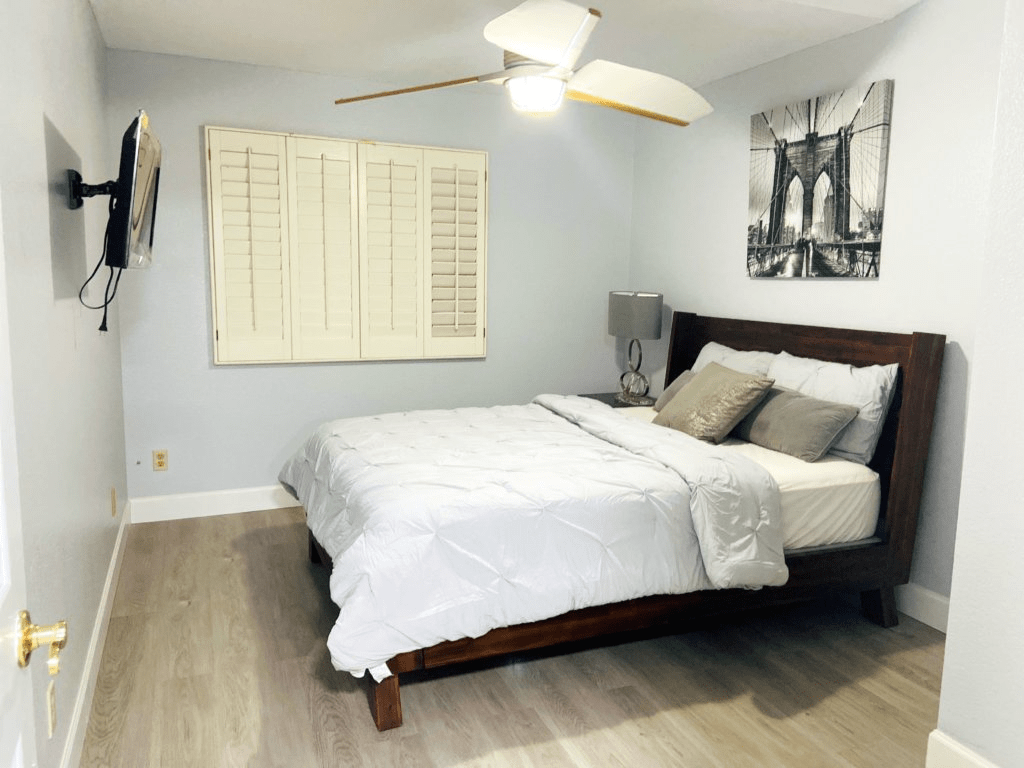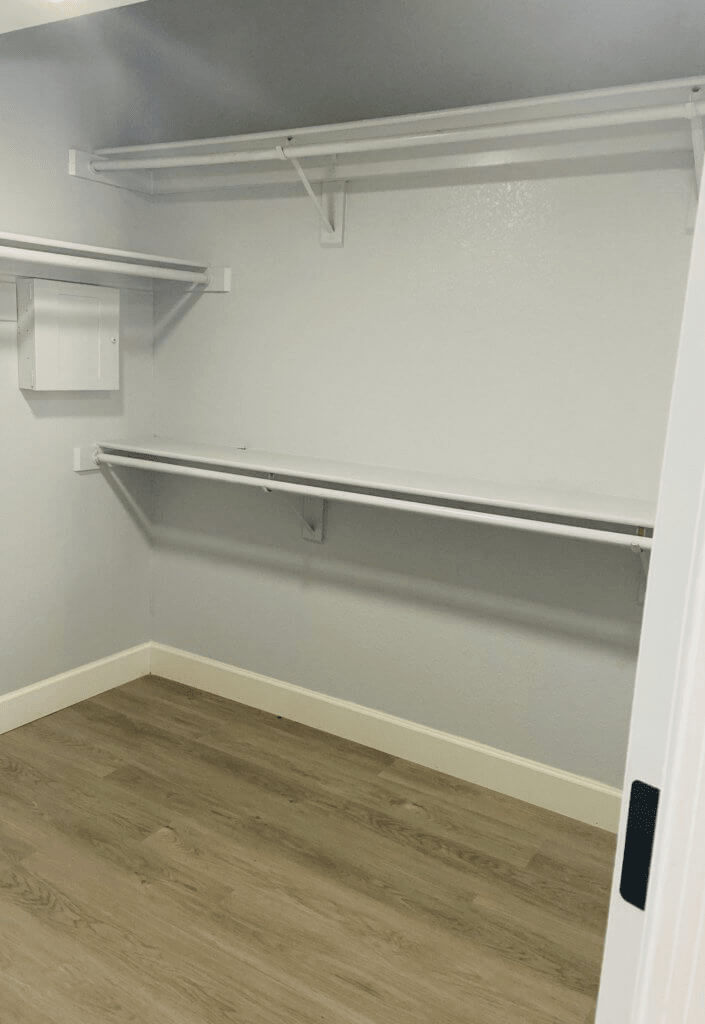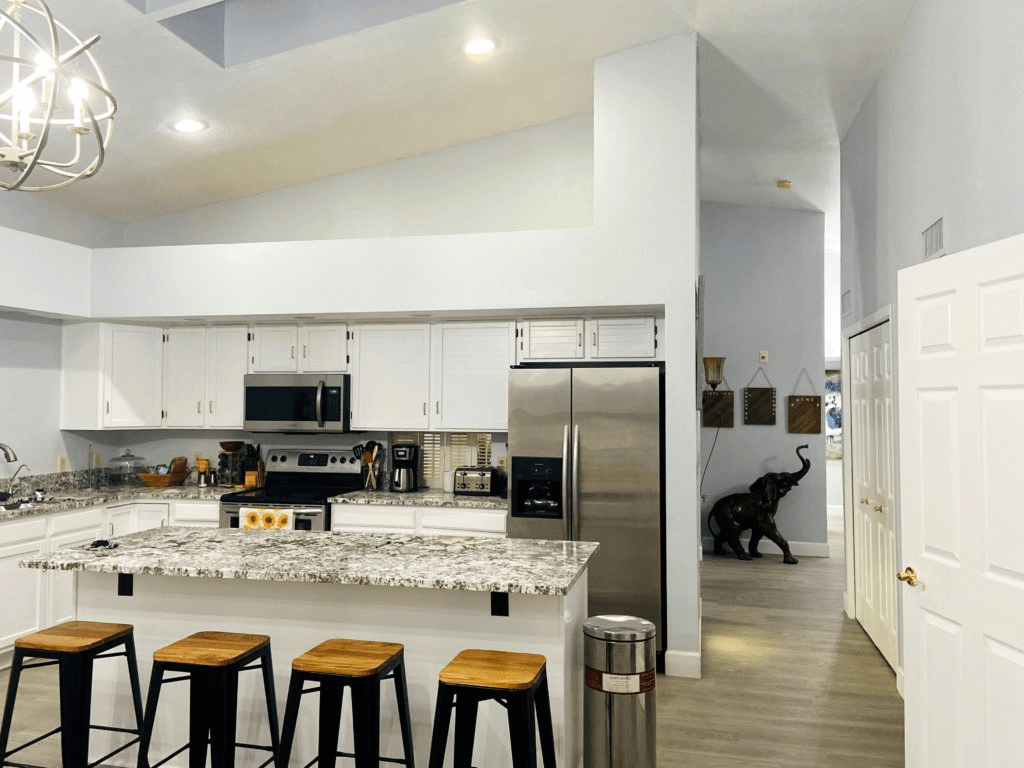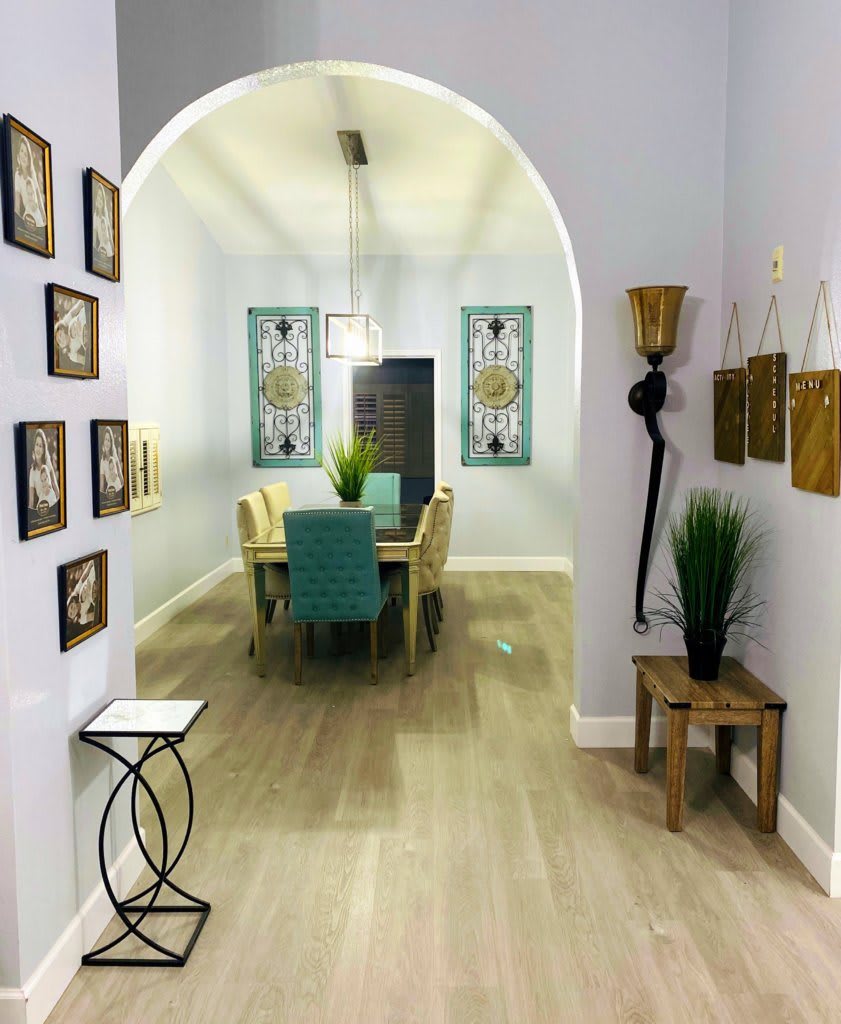
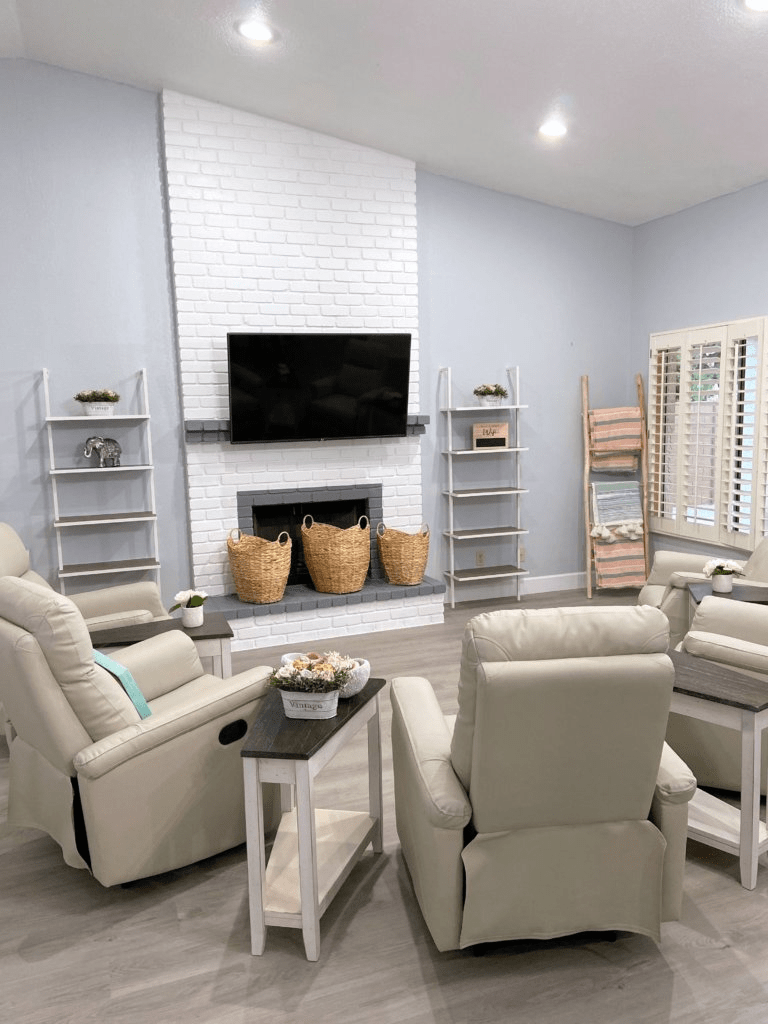
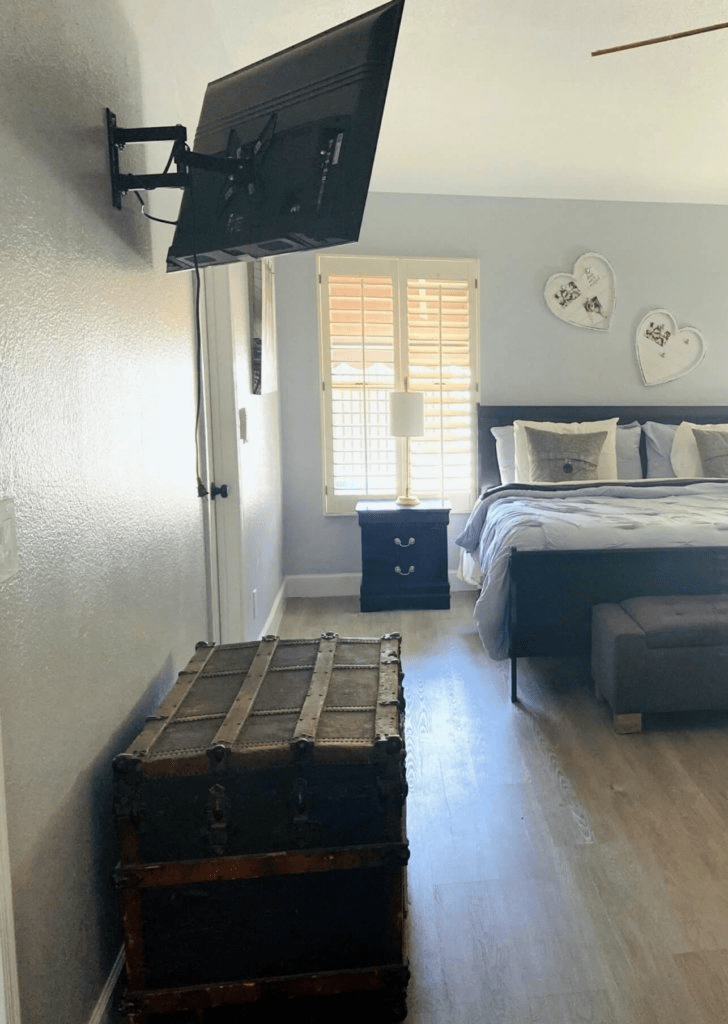
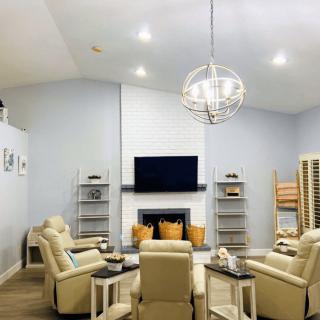
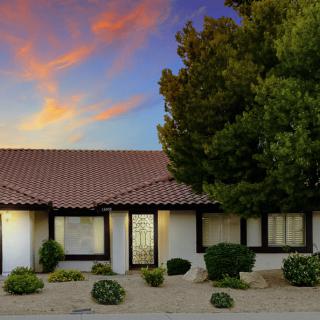
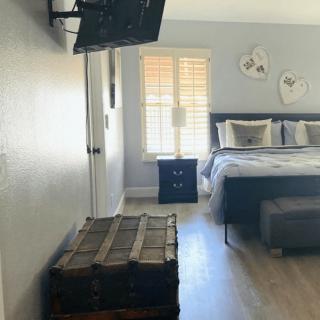
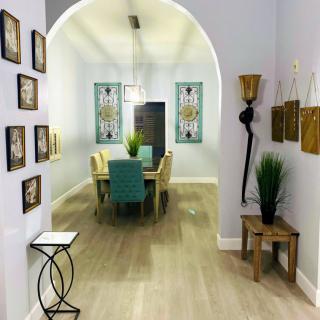
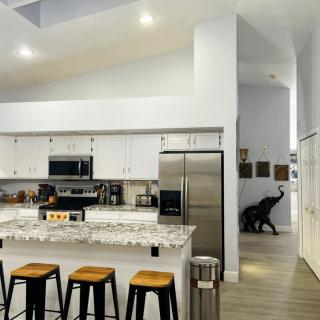
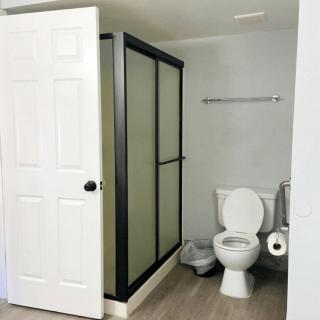
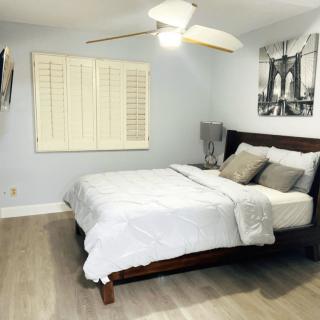
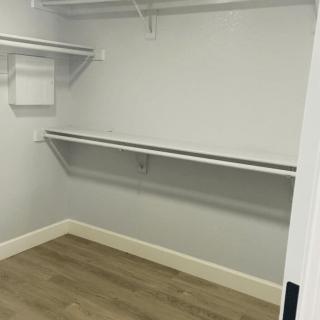
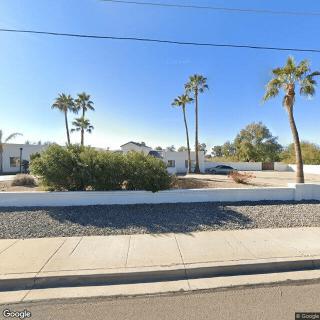
16008 N 60th St, Scottsdale, AZ 85254
To contact a resident: (480) 221-2948
For more information about senior living options: (866) 208-4318
Valencia at 60th Costs & Pricing
Valencia at 60th presents a compelling value proposition when evaluating its costs against the broader benchmarks of Maricopa County and the state of Arizona. The monthly rates for various room types reflect a thoughtful approach to pricing in relation to local market dynamics. The semi-private room is priced at $3,000, slightly higher than both Maricopa County's average of $2,801 and Arizona's overall average of $2,820. For those seeking more privacy, the one-bedroom option at Valencia is $3,500, which positions it competitively with the county's $3,473 and the state's $3,532 averages. Finally, the private rooms at $4,000 stand out distinctly above the county's rate of $3,318 and Arizona's average of $3,345. This indicates that while Valencia at 60th may be positioned on the higher end for certain accommodations, it also offers a range of features and services that justify this premium within the local landscape.
| Floor plans | Valencia at 60th | Maricopa County | Arizona |
|---|---|---|---|
| Semi-Private | $3,000 | $2,801 | $2,820 |
| 1 Bedroom | $3,500 | $3,473 | $3,532 |
| Private | $4,000 | $3,318 | $3,345 |
Memory care communities with a similar price nearby
-
from -$500 / mo
La Bella Vita ALH
$2,500 to $7,000 / month23.0 miles away -
About the same
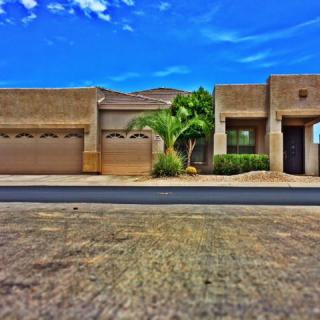
Desert Garden Senior Living
$3,000 to $3,500 / month22.4 miles away -
About the same
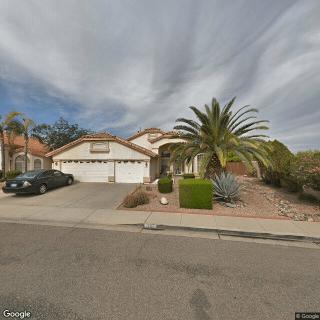
Horizon Assisted Living
$3,000 / month16.1 miles away -
from -$500 / mo
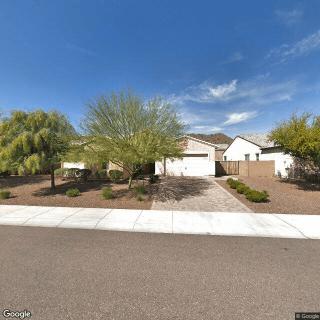
Northlands Assisted Living Home
$2,500 / month19.8 miles away -
About the same
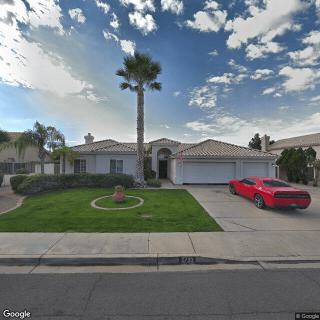
Desert Winds I
$3,000 to $3,800 / month15.5 miles away
Overall Review of Valencia at 60th
Pros
 Caregivers are very nice.
- The food is better than most places.
Review
Valencia at 60th in Scottsdale is best suited for families who want a straightforward, dependable assisted-living option anchored by proximity to home, steady caregiver warmth, and meals that genuinely translate into everyday satisfaction. The community delivers the comfort of predictable routines and a staff presence that makes daily care feel personal, rather than clinical. It’s a fit for adults who value consistent, friendly interaction with caregivers and a dining program that lands above average in practical, everyday nutrition.
Prospective residents who require advanced medical supervision, memory-care specialization, or a wide range of rehab services should consider other communities. The single positive review highlights kindness of caregivers and good food, but it does not document outcomes in mobility, medication management, or cognitive support. If the plan includes frequent therapy, complex wound care, or rapid changes in condition, look for a facility with a larger clinical team and dedicated memory-care environments. Also, if total independence with robust amenities is a must, compare options with more expansive activity calendars or resort-style features.
Caregivers being described as very nice translates into meaningful daily life for residents who fear isolation or miscommunication. Warm staff tends to drive better adherence to medications, timely assistance, and a sense of safety that reduces family anxiety. The fact that food is better than most adds tangible value: better meals lead to improved appetite, mood, and adherence to dietary plans, which matters for chronic conditions and weight maintenance. Proximity to home is not just convenience; it lowers visit stress, reduces travel time, and keeps loved ones more engaged in routine care decisions. Taken together, these elements can compensate for a lack of opulent amenities by delivering reliable quality and emotional comfort.
However, the absence of detail about program variety, resident engagement, or wellness offerings suggests a potential risk: expectations for robust social and cognitive-stimulation programming may not be fully met. The strength of compassionate caregiving and solid meals partially offsets this, but families should verify what daily activities exist, how programming is tailored to different mobility levels, and whether there are memory-support options if needed. For many, the predictable environment and staff rapport will be the tipping point; for others, it will hinge on whether the calendar includes enough enrichment opportunities to keep residents engaged long-term.
To validate fit, schedule a comprehensive tour that includes a dining experience and a live interaction with frontline care staff. Ask about caregiver-to-resident ratios, shift coverage, and how meals are planned and modified for dietary restrictions. Probe into respite care, trial stays, and any hidden costs that affect monthly pricing. Confirm the availability of on-site therapies and whether transportation to outside medical appointments is provided. Finally, request recent resident references and a sample weekly activities calendar to see how routine days unfold beyond just meals and caregiving.
Overall, Valencia at 60th offers a reliable, low-stress option for families who prize proximity, caring staff, and solid dining as the core value proposition. It’s especially well-suited for seniors who want to stay close to home and rely on dependable daily care with a warm, personal touch. Those whose priority is advanced medical oversight, extensive rehab services, or a richly programmed activity scene should compare alternatives with broader clinical capabilities or more varied social programming. With a single favorable review as a data point, informed families will want direct visits and conversations to confirm alignment with long-term care goals.
 Board and Care Home
 Memory Care
 Cats allowed
 Dogs allowed
 Activities off-site
 Air-conditioning
 Beautician on-site
 Cable or satellite TV
 Devotional services off-site
 Ground floor units
 Handicap accessible
 Indoor common areas
 Outdoor common areas
 Private
 Private bathrooms
 Respite or short term stays offered
 Wheelchair accessible showers
 Wi-Fi/high-speed internet available
 Phoenix Sky Harbor International (14 miles away)
 Diabetic care
 High acuity care
 Incontinence care
 Medication management
 Anytime dining
 Cooking classes
 Day trips and outings
 Educational speakers / life long learning
 Karaoke
 Live dance or theater performances
 Live musical performances
 Live well programs
 Wine tasting


 An In-Depth Look at Reminiscence Therapy in Dementia Care
 Dementia-Related Hallucinations: Causes, Experiences, and Practical Approaches
 Illuminating Insights About Alzheimer's Disease: Ten Crucial Realities