
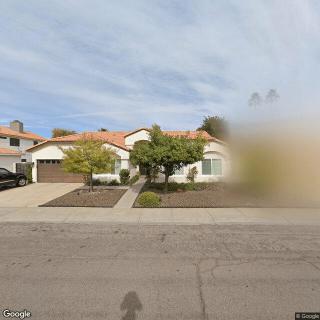
16008 North 60Th Street, Scottsdale, AZ 85254
For more information about senior living options: (866) 208-4318
Overall Review of All Yours Assisted Living
Pros
 Golden Heritage delivers very caring, attentive care to residents.
- The staff at Golden Heritage is consistently kind, helpful, and great.
- Residents appear clean, neat, and content under Golden Heritage’s care.
- Golden Heritage serves nutritious meals (with many noting they are delicious.
- Leanna and her team are a gift in the aging journey, creating a home-like, beautiful, and caring environment.
- Golden Heritage provides excellent physical and mental care for residents, including those with dementia.
- The home is warm, homey, clean, organized, and efficient, with a large, inviting backyard.
- The caregivers are described as angels, and the staff treats each resident with respect and personalized attention.
- Golden Heritage comes highly recommended for loved ones.
Cons
 People with dementia can be nice one moment and unpredictably difficult the next.
- It is hard work and it is not always appreciated by the residents.
- It's not an easy job.
Review
All Yours Assisted Living in Scottsdale appears best suited for families seeking an intimate, home-like setting where a registered-nurse-owner can oversee highly personalized caregiving. The consistent thread in the impressions shared by families is a warm, quieter environment that feels more like a residence than a facility, with residents who look clean, content, and well cared-for. This model appeals most to seniors who need daily assistance and ongoing supervision, plus a strong emphasis on physical and mental well-being, rather than a bustling campus with expansive programming.
Those who may want to consider alternatives are families whose loved ones require more robust clinical infrastructure or high-intensity nursing care on a 24/7 basis. A larger community with extensive medical services, formal memory-care programming, or a broader slate of activities might better serve residents who demand frequent, specialized interventions or a wider social calendar. In short, when the priority is a tightly run, homelike setting with individualized attention, this approach excels; when the priority shifts to depth of clinical resources or campus-scale amenities, alternatives merit comparison.
The biggest strengths lie in the caregiving core. The owner’s nursing background translates into careful medication management, calm oversight, and a steady, conscientious approach to daily needs. Families consistently praise staff for being kind, patient, and attentive, with caregivers described as “angels” who treat residents with respect and dignity. The environment reinforces this care ethos: a homey, clean, organized space that feels safe and predictable, with meals that are nutritious and thoughtfully prepared. The combination of thoughtful medical oversight and compassionate daily care creates a reliable safety net for both physical and emotional needs.
Nonetheless, there are boundaries to this model. Dementia care, while handled with evident patience, comes with inherent challenges that families should anticipate. Transitions, especially for someone with memory loss or sensory anxiety, can be rough, and the experience can feel messy at times. One family notes that staff pay a high price in patience and effort, and that the residents themselves may not always express appreciation for the day-to-day labor involved. The tight, home-based setting may also limit the breadth of activities and the scale of medical supports available compared with larger facilities, meaning families should assess whether social opportunities and clinical depth meet their loved one’s evolving needs.
Yet the advantages can substantially outweigh these downsides for the right resident. A small, consistent team under strong leadership tends to cultivate deep familiarity with each resident’s routines, preferences, and medications, reducing confusion and bolstering security. The home-like atmosphere, complete with a welcoming layout and accessible outdoor space, often lowers agitation for dementia-related behaviors, while the emphasis on nutritious meals supports overall health and mood. Families repeatedly express relief knowing their loved one is in a setting where care is thorough, predictable, and delivered with genuine kindness, not transactional supervision.
For decision-makers weighing options, this model offers a compelling proposition when a loved one benefits most from personalized attention, predictable routines, and a caregiver-led approach to daily living. It is well suited for seniors who value safety, meaningful staff-resident connections, and the reassurance that a registered nurse is guiding medical and daily-care decisions. Before choosing, however, verify that the level of clinical oversight, memory-care programming, and social engagement align with current needs and anticipated changes. If needs drift toward deeper medical complexity or larger-scale programming, exploring other Scottsdale options is prudent.
In the end, All Yours Assisted Living-like choices of this caliber are best judged by how well the setting harmonizes with a loved one’s temperament, care requirements, and family expectations. For families prioritizing a warm, small-scale atmosphere with strong nursing oversight, this care model represents a sound, practical investment in safety, comfort, and continuity. If, instead, the priority is high-intensity nursing capacity, extensive memory-care programs, or a bustling community calendar, it makes sense to pursue alternatives that emphasize scale and clinical depth. The right match will feel immediately respectful of the resident’s dignity, daily rhythm, and the family’s peace of mind.
 5 resident community capacity
 Assisted Living
 Board and Care Home
 Respite Care
 Cable or satellite TV
 Dining room
 Fully furnished
 Garden
 Housekeeping services
 Move-in coordination
 Outdoor space
 Telephone
 Wi-Fi/high-speed internet available
 Phoenix Sky Harbor International (14 miles away)
 24-hour supervision
 Activities of daily living assistance
 Assistance with bathing
 Assistance with dressing
 Assistance with transfers
 Diabetes diet
 Meal preparation and service
 Medication management
 Special dietary restrictions
 Transportation arrangement (medical)
 Transportation to doctors appointments

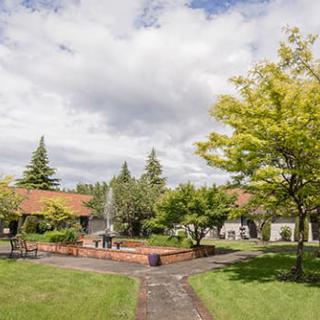




 A Detailed Exploration of Assisted Living Medicaid Waivers Across the United States
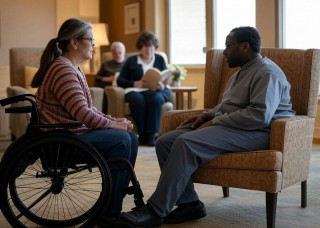 Comprehensive Residential Support and Assisted Living Solutions for Individuals with Disabilities
 Comprehensive Supportive Living Arrangements for Adults with Disabilities