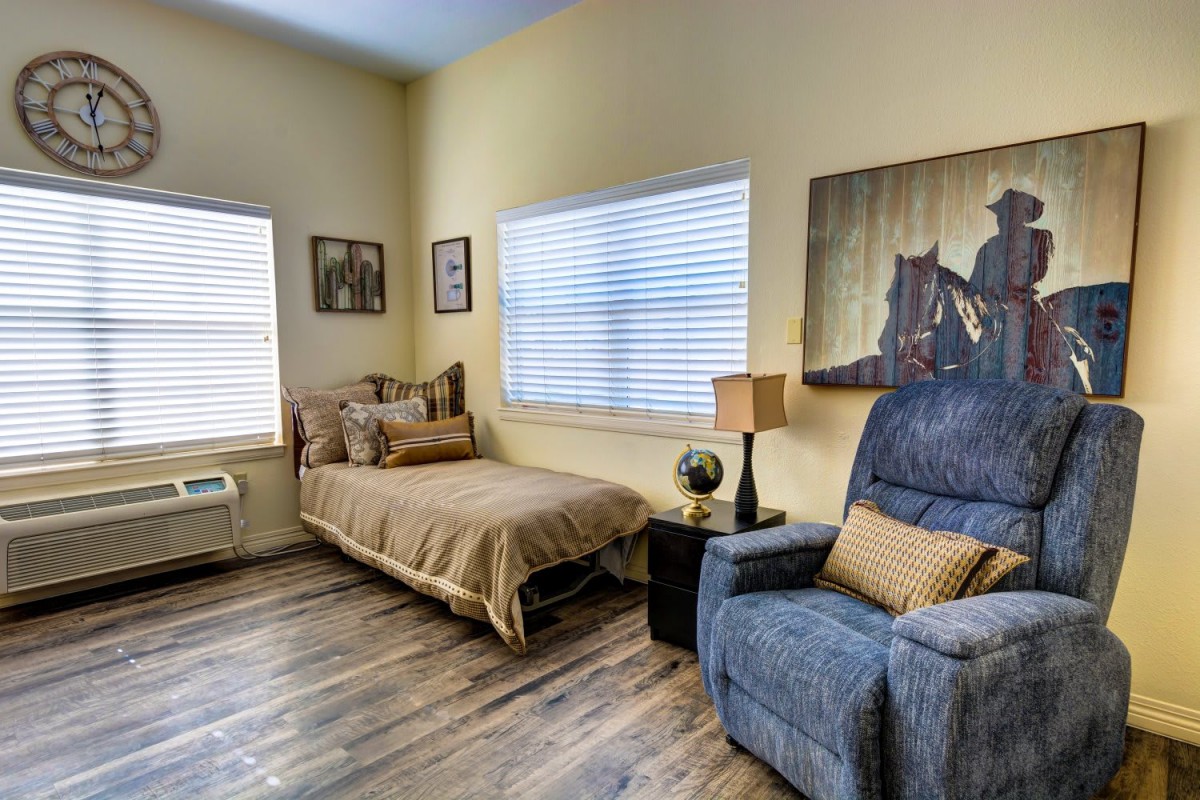
At The Auberge at Scottsdale, the cost of accommodations reflects the luxurious amenities and personalized care provided to residents. For a semi-private room, the monthly rate is $4,560, which significantly surpasses the county average of $2,801 and the state average of $2,820. This investment underscores the premium environment and quality of services that distinguish The Auberge from other options in Maricopa County. For those seeking a studio apartment for enhanced privacy and comfort, the monthly fee stands at $6,670 - again higher than both Maricopa County's average of $3,960 and Arizona's state average of $3,829. These costs not only encompass superior living spaces but also reflect a commitment to delivering exceptional care and lifestyle experiences that cater to the individual needs of each resident.
Floor plans
The Auberge at Scottsdale
Maricopa County
Arizona
Semi-Private
$4,560
$2,801
$2,820
Studio
$6,670
$3,960
$3,829
Memory care communities with a similar price nearby
Residents and families describe hands-on memory care support and follow-through with daily needs.
A recurring theme in the reviews is hands-on memory care support, with families noticing that staff keep up with changing needs. Multiple reviewers specifically mention help with incontinence and routine bathing, as well as staff staying involved rather than leaving residents sitting in uncomfortable situations. Several reviews also describe nursing involvement, including medication delivery and nurses as part of the care team. One reviewer expressed a contrasting concern about how memory care was handled for a loved one, including safety and communication when staff were not reachable.
common18 reviews mention this
Activities stay busy, often music-led
Daily activities and music are a consistent point of engagement in residents’ routines.
Many reviews describe residents being kept engaged through frequent activities throughout the day, rather than long stretches with little going on. Live music shows up repeatedly, with reviewers saying residents sing, dance, and participate, and that this is a main driver of enjoyment. Several reviewers also mention that families can join in at times, and that residents have opportunities to socialize with others and with staff. The community also lists structured programs like happy hour, yoga/chair yoga, and day trips/outings, which aligns with the “something going on” descriptions in the reviews.
common6 reviews mention this
Food is repeatedly praised as tasty
Families and staff mention food as a strength, describing it as tasty and well-received.
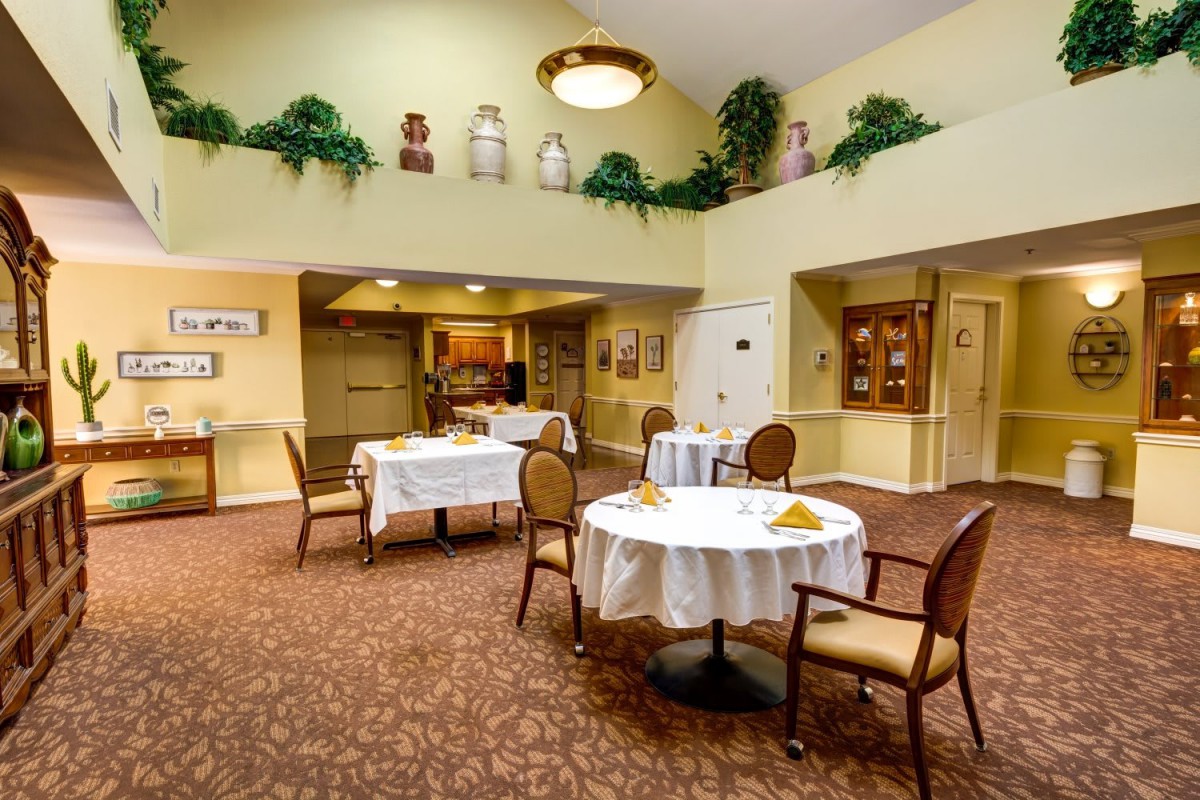
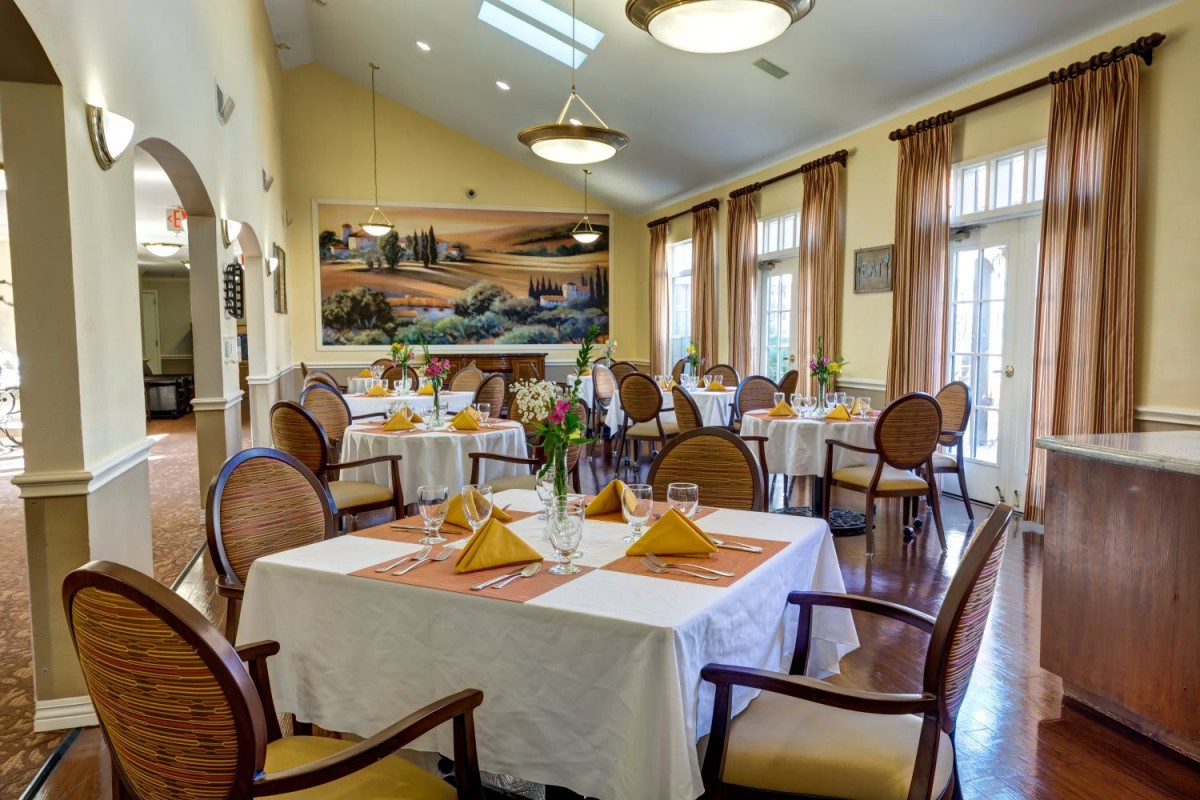
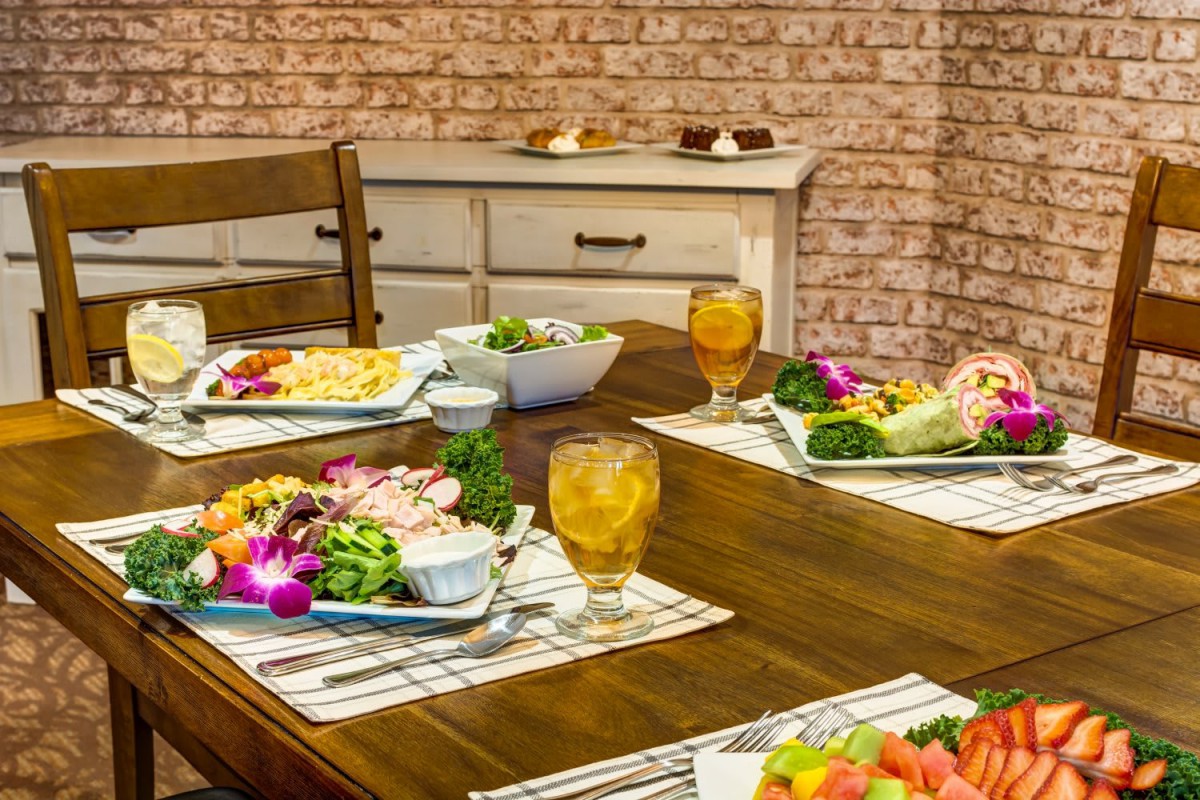
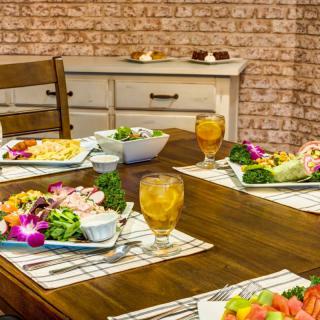
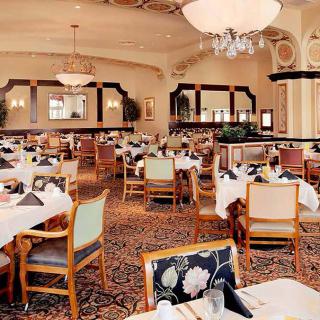
Dining comes up often as more than just functional—reviewers describe the food as tasty, outstanding, and handled without issues. Some reviews also mention individualized attention to preferences, tying the meals to overall care. The community offers meals and a restaurant-style dining approach, which matches how residents and families talk about dining being a positive part of the day. A few dietary-related concerns do appear in reviews, but the majority of dining feedback is favorable.
caveat4 reviews mention this
Pricing and move-in fees feel steep
Multiple reviewers flag the overall cost as difficult to justify.
Cost is a clear downside in the reviews, with families describing the pricing as taxing on retirement income and noting very high overall cost. One reviewer also calls out a move-in signing fee as part of that burden. The pricing range is also high across unit types, and the published deltas show it running above both county and state comparisons. Even when reviews are otherwise positive about care and safety, several still treat the cost as a major consideration.
caveat2 reviews mention this
Bathroom layout is a common drawback
Some reviewers were unhappy with shared bathroom setups.
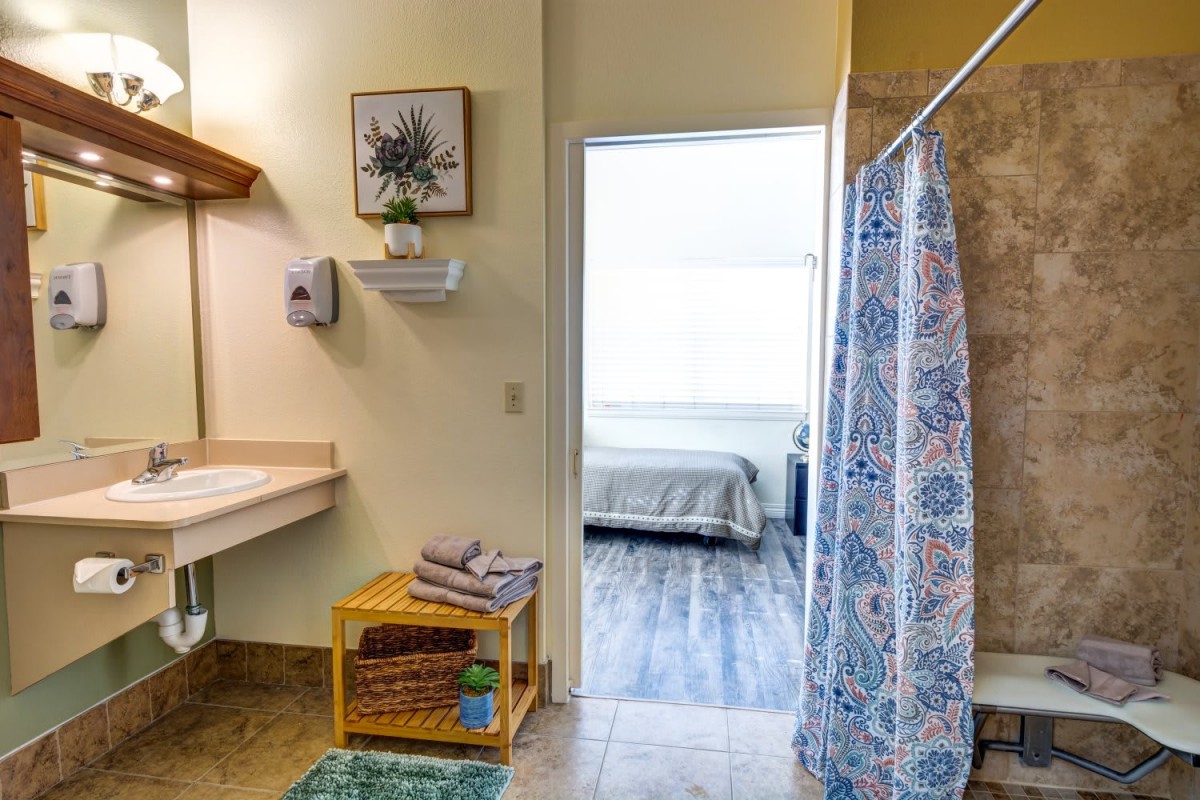
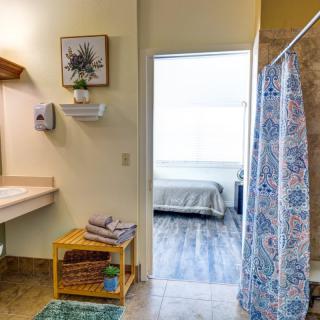
At least a couple of reviewers focused on bathroom sharing, including concerns about shared facilities in the living area. One reviewer found the arrangement didn’t work for their mother’s needs, and another described shared bathrooms as upsetting. While other reviews emphasize cleanliness and comfort, these comments suggest the interior layout may be a mismatch for certain families depending on mobility and supervision needs. The broader review feedback still leans positive on staff care and engagement, but bathroom layout is one of the few recurring physical concerns.
How we summarize
Counts show how many written reviews mention each theme; a review can touch several themes, and only frequently mentioned themes are displayed.
Features
Types of Care
Memory Care
Pets
Cats allowed
Amenities
Activities off-site
Activities on-site
Air-conditioning
Beautician on-site
Cable or satellite TV
Devotional services on-site
Ground floor units
Handicap accessible
Indoor common areas
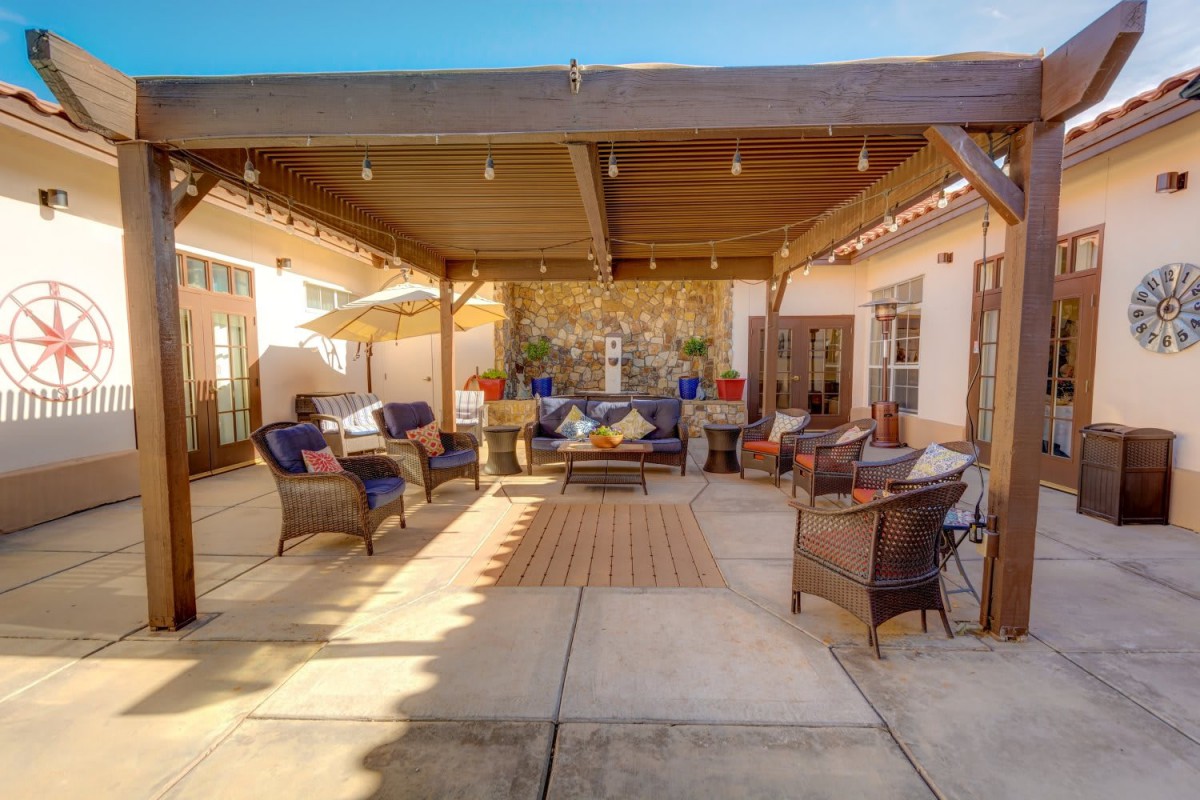
Outdoor common areas
Respite or short term stays offered
Wheelchair accessible showers
Wi-Fi/high-speed internet available
Transportation
Phoenix Sky Harbor International (14 miles away)
Care Services
Diabetic care
High acuity care
Incontinence care
Medication management
Dining
Guest meals
International cuisine
Low / no sodium
Meals provided
No Sugar
Organic
Professional chef
Restaurant style dining
Special dining programs
Vegan
Vegetarian
Activities
Art classes
Cooking classes
Day trips and outings
Devotional activities on-site
Educational speakers / life long learning
Forever fit
Happy hour
Karaoke
Live dance or theater performances
Live musical performances
Live well programs
Stretching classes
Yoga / chair yoga
Nearby Places of Interest
This part of Scottsdale, Arizona is a thriving and convenient location with a variety of amenities nearby. The area offers easy access to quality healthcare facilities such as Mayo Clinic and Scottsdale Endocrinology, as well as pharmacies like CVS and Walgreens for medication needs. There are also a diverse selection of dining options ranging from fast food chains like Jack In The Box to upscale restaurants like Loco Patron and The Union Jack British Pub. For leisure activities, there are cafes such as Panera Bread and Butters Pancakes & Cafe for socializing or enjoying a coffee break. Additionally, there are places of worship within a short distance for spiritual fulfillment and hospitals like Piper Surgery Center in case of medical emergencies. Overall, this region provides a comfortable living environment with accessible transportation options through Enterprise Rent-A-Car and Scottsdale Municipal Airport nearby, along with parks for outdoor recreation and Harkins Theatres Scottsdale for entertainment purposes.
Physicians
Mayo Clinic (0.2 miles)
Scottsdale Endocrinology (0.5 miles)
Arizona Asthma & Allergy Institute (1.1 miles)
Associated Retina Consultants (1.2 miles)
Toca (1.8 miles)
Integrated Medical Specialists (1.8 miles)
Arizona Allergy Associates (2 miles)
Pharmacies
CVS Pharmacy (0.5 miles)
Walgreens (0.7 miles)
CVS Pharmacy (2.2 miles)
CVS Pharmacy (3.4 miles)
Walgreens (3.7 miles)
CVS Pharmacy (3.7 miles)
Walgreens (3.8 miles)
Restaurants
Jack In The Box (0.6 miles)
Pei Wei Asian Diner (1 miles)
Chick-Fil-A (1 miles)
Wendy's (1.2 miles)
Loco Patron (1.3 miles)
The Union Jack British Pub (1.4 miles)
O.H.S.O. Eatery + Distillery (1.4 miles)
Cafes
Panera Bread (1 miles)
Butters Pancakes & Cafe (1.3 miles)
Starbucks (1.3 miles)
Dutch Bros Coffee (1.5 miles)
Starbucks (2.9 miles)
Dutch Bros Coffee (3.1 miles)
Dutch Bros Coffee (5.1 miles)
Places of Worship
Shepherd of the Desert Lutheran Church (2 miles)
Impact Church (2.8 miles)
Saint Bernard of Clairvaux Catholic Church (4.2 miles)
At The Auberge at Scottsdale, the cost of accommodations reflects the luxurious amenities and personalized care provided to residents. For a semi-private room, the monthly rate is $4,560, which significantly surpasses the county average of $2,801 and the state average of $2,820. This investment underscores the premium environment and quality of services that distinguish The Auberge from other options in Maricopa County. For those seeking a studio apartment for enhanced privacy and comfort, the monthly fee stands at $6,670 - again higher than both Maricopa County's average of $3,960 and Arizona's state average of $3,829. These costs not only encompass superior living spaces but also reflect a commitment to delivering exceptional care and lifestyle experiences that cater to the individual needs of each resident.
The Auberge at Scottsdale offers specialized medication management to ensure residents receive their prescribed medications accurately and on schedule, thereby minimizing potential complications that could arise from improper dosing or missed doses. This is particularly crucial for individuals with dementia or Alzheimer's, as these conditions often impair memory and cognitive functions, making self-management of medications challenging. Additionally, incontinence care is designed to promote dignity and comfort for residents experiencing such issues, which can be common in dementia patients. By providing personalized care for incontinence, the staff not only helps maintain hygiene but also reduces anxiety and distress related to this sensitive area, allowing residents to focus on social engagement and cognitive stimulation without the worries associated with incontinence. Together, these features create a supportive environment that caters to both the physical and emotional needs of residents.
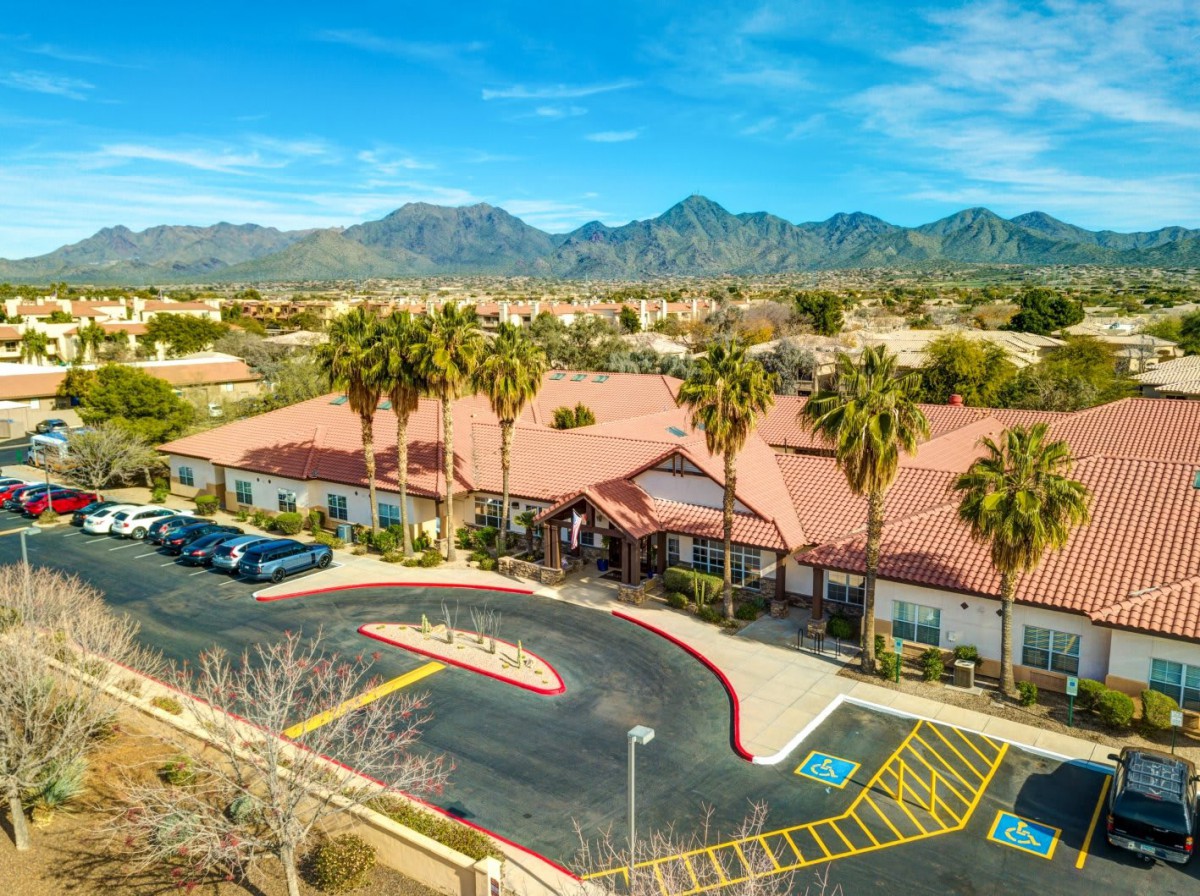
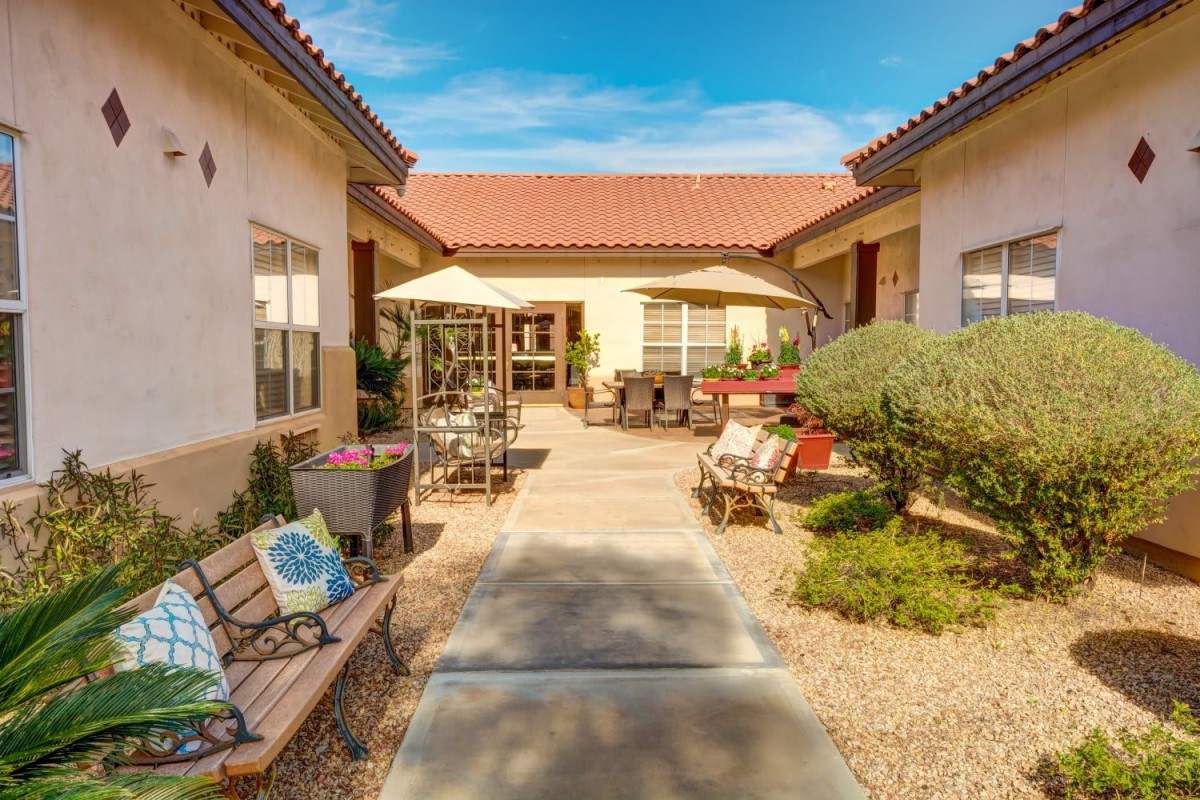
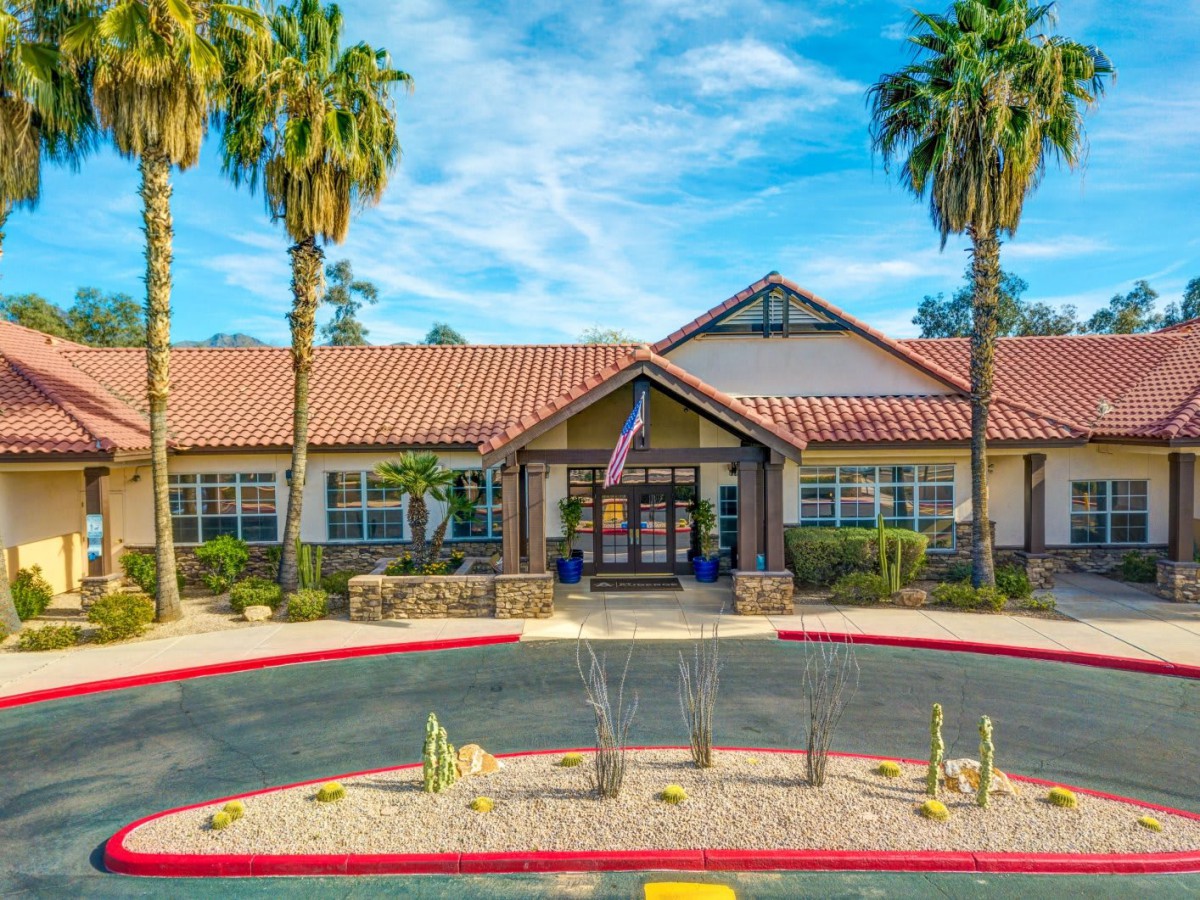
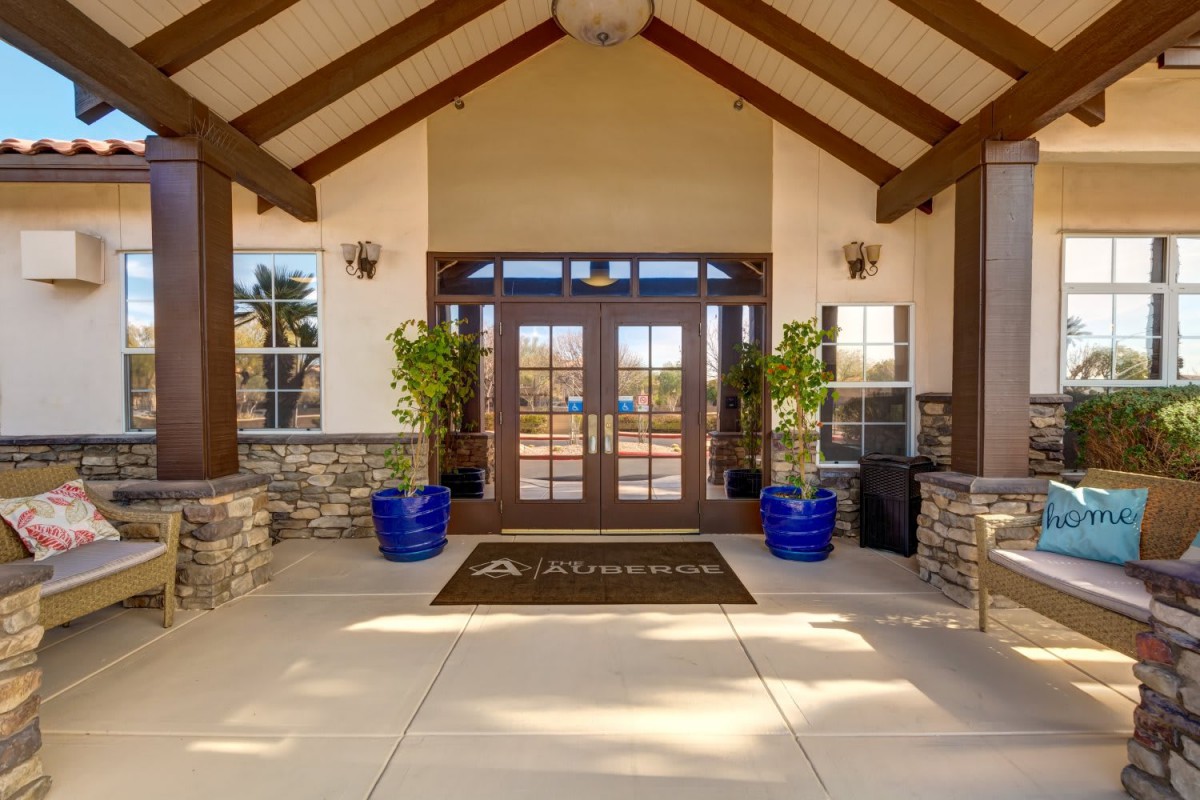
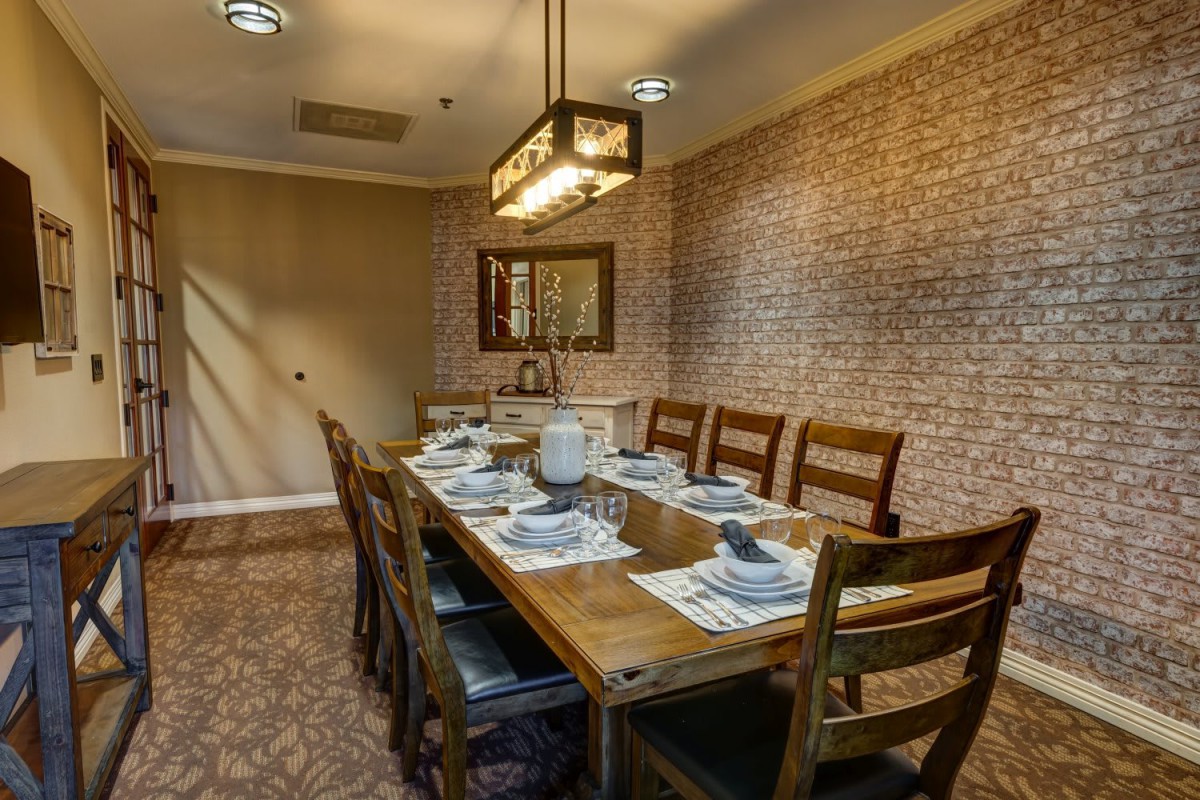
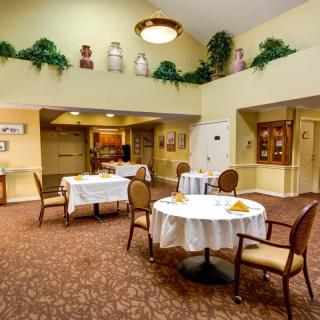
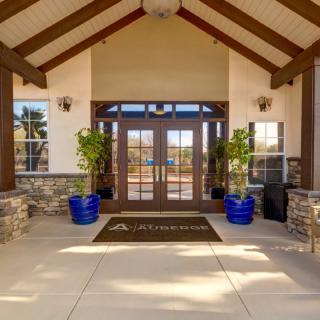
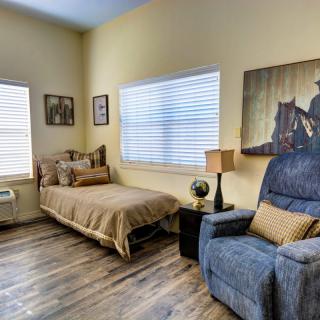
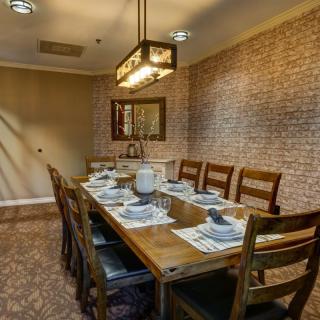
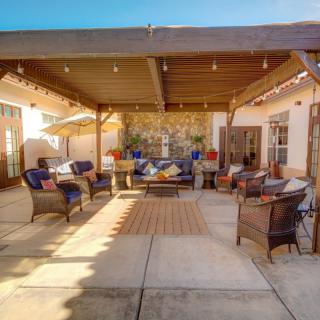
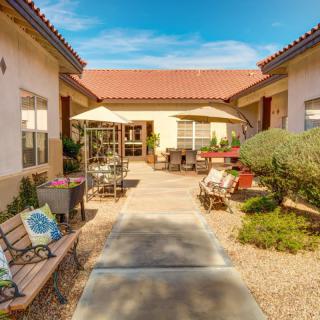
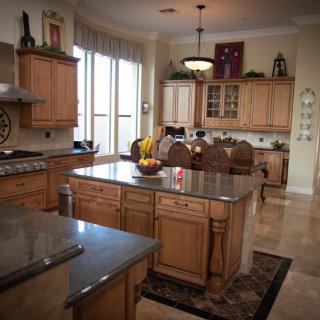
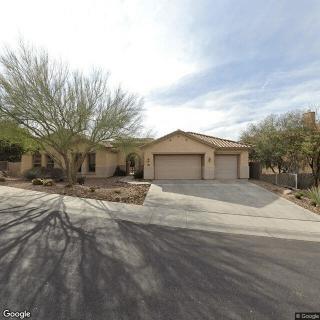
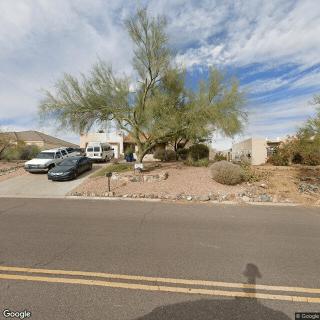
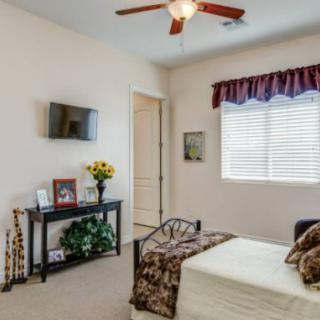
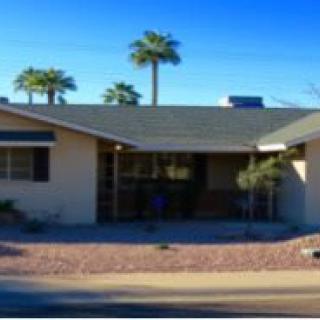
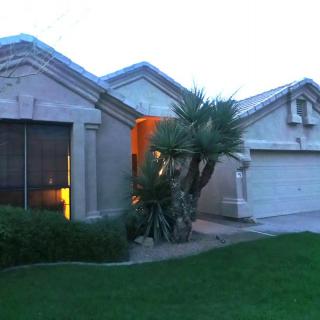
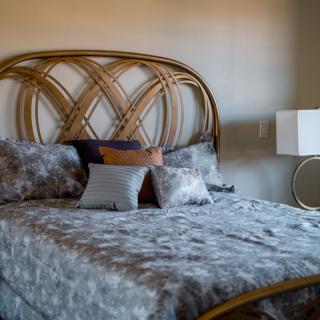
The Auberge at Scottsdale on seniors.fyi includes 15 photos including images showing dining, decor, bedroom, interior, building, landscaping, architecture, bathroom, and more.
Nearby Communities
Margaret Behrens-Family Practice
Scottsdale, AZ
3.6 from 59 reviews
Convenient access to dining, medical services, pharmacies, parks and other amenities nearby.
La Casita
Scottsdale, AZ
$3,200 to $3,600 / month
Prime Scottsdale location with convenient access to cafes, parks, restaurants, healthcare, transportation, and entertainment.
Liann's Homes 2
Scottsdale, AZ
Personalized care with 24/7 supervision, ADL assistance, and respite care option.
Saint Teresa's Senior Care Home
Scottsdale, AZ
4.4 from 13 reviews
$3,000 to $3,500 / month
Caring, dedicated staff in a warm, clean environment with engaging activities.
Mother Teresa's Senior Care Home
Scottsdale, AZ
5 from 1 review
Loving, family-like atmosphere with individualized care.
Atria Park of Sierra Pointe
Scottsdale, AZ
4.4 from 196 reviews
$2,695 to $4,795 / month
Friendly staff, spacious apartments, and diverse on-site activities with quality dining.
Belmont Village Scottsdale
Scottsdale, AZ
4.7 from 166 reviews
$5,245 to $6,845 / month
Friendly, attentive staff; clean facilities; good dining and engaging activities.
The Ranch Estates at Scottsdale
Scottsdale, AZ
4.7 from 120 reviews
$3,300 to $4,920 / month
Caring, responsive staff; clean, engaging activities, and convenient dining.
Andara
Scottsdale, AZ
4.3 from 114 reviews
$4,630 to $5,510 / month
Dedicated staff with compassionate care, engaging activities, and a beautiful campus with restaurant-style dining.
Dementia encompasses a range of cognitive impairments characterized by types such as Alzheimer's and vascular dementia, and follows a seven-stage progression model known as the Global Deterioration Scale (GDS), highlighting varying symptoms and decline timelines. Early detection allows for lifestyle adjustments to potentially slow progression, while caregivers need support and resources to manage the challenges involved in caring for affected individuals.
The article presents eight strategies for preserving cognitive health and memory in older adults, emphasizing a nutrient-rich diet, regular exercise, intellectually stimulating activities, adequate sleep, social connections, stress management techniques, limiting harmful substances, and regular medical checkups to mitigate age-related memory decline.
Activities of Daily Living (ADLs) are fundamental tasks vital for an individual's independence, particularly in older adults over 85, and include functions like bathing and dressing; assessing ADLs alongside Instrumental Activities of Daily Living (IADLs) helps determine the level of required assistance due to age-related health challenges. Tailored support plans, involving family and community resources, are essential for maintaining dignity and autonomy in assisted living environments.
Get PricingAsk A QuestionSchedule A TourContact Senior Advisor
By clicking submit, you agree to our Partner's Terms of Use. You
also consent to receive calls and texts, which may be autodialed, from our Partner. Your consent is not a condition to
using our Partner's service. Please visit our Partner's Privacy Policy for information about their privacy practices.






 Memory Care
 Cats allowed
 Activities off-site
 Air-conditioning
 Beautician on-site
 Cable or satellite TV
 Devotional services on-site
 Ground floor units
 Handicap accessible
 Indoor common areas
 Outdoor common areas
 Respite or short term stays offered
 Wheelchair accessible showers
 Wi-Fi/high-speed internet available
 Phoenix Sky Harbor International (14 miles away)
 Diabetic care
 High acuity care
 Incontinence care
 Medication management
 Guest meals
 Art classes
 Cooking classes
 Day trips and outings
 Educational speakers / life long learning
 Forever fit
 Happy hour
 Karaoke
 Live dance or theater performances
 Live musical performances
 Live well programs
 Convenient access to dining, medical services, pharmacies, parks and other amenities nearby.


 Understanding Dementia Through Its Seven Stages: A Comprehensive Look at Progression and Expectations
 Safeguarding Your Memory Through the Golden Years: Eight Ways to Preserve Cognitive Health
 Comprehensive Insights into Activities of Daily Living (ADLs) and Their Assessment