

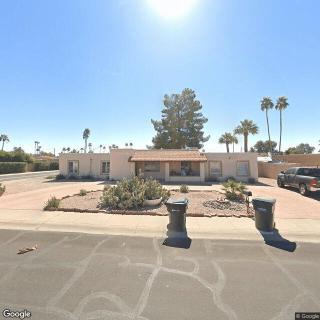
6636 E Thunderbird Road, Scottsdale, AZ 85254
To contact a resident: (480) 463-9430
For more information about senior living options: (866) 208-4318
Mary B Assisted Living Costs & Pricing
Mary B Assisted Living offers competitive pricing that significantly undercuts the average costs found both in Maricopa County and across Arizona. For instance, residents opting for a semi-private room at Mary B will pay just $1,600 per month, a stark contrast to the county's average of $2,801 and the state's average of $2,820. Similarly, those choosing a one-bedroom or private room can expect their monthly expenses to be $2,200 - again well below the regional averages of $3,473 and $3,318 respectively. This affordability makes Mary B an attractive option for individuals seeking quality assisted living without the financial burden typically associated with such services in the area.
| Floor plans | Mary B Assisted Living | Maricopa County | Arizona |
|---|---|---|---|
| Semi-Private | $1,600 | $2,801 | $2,820 |
| 1 Bedroom | $2,200 | $3,473 | $3,532 |
| Private | $2,200 | $3,318 | $3,345 |
Memory care communities with a similar price nearby
-
from +$250 / mo
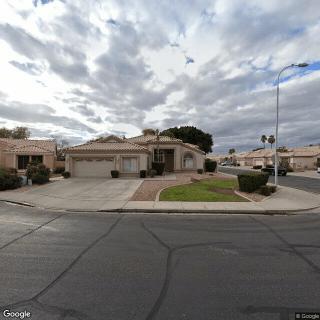
Divine Mercy Assisted Living II
$1,850 to $3,350 / month24.4 miles away -
from -$205 / mo

Heritage Lane Behavioral - East
$1,395 to $1,750 / month16.0 miles away -
from +$300 / mo

Maravilla Scottsdale
$1,900 to $6,130 / month2.4 miles away -
About the same

The Citadel
$1,595 to $2,080 / month18.9 miles away -
About the same

Westminster Village
$1,590 to $2,045 / month3.0 miles away
Overall Review of Mary B Assisted Living
Pros
 The people were very nice.
- There were very nice people.
Cons
 There was no one for her mom to interact with.
- The home smelled sour.
- There wasn’t enough going on there for her mom to feel fulfilled.
- It was too silent.
Review
Mary B Assisted Living in Scottsdale is best suited for seniors who want a small, home‑style setting with genuinely caring staff and a calm, predictable routine. The strongest asset appears to be the people: friendly, attentive caregivers who create a welcoming, personable atmosphere. For families seeking a low-stimulation, easy-to-manage environment where daily care feels individualized and the pace remains quiet, this community can feel like a comfortable, dependable option.
Those who should consider alternatives are residents who require more social engagement and a livelier daily rhythm. The clearest critique from the available observations is a notable lack of interaction opportunities for residents, resulting in a sense of isolation. The atmosphere is described as unusually silent, which can be healthful for some but detrimental for others, particularly those who thrive on companionship, group activities, or structured programming. Any senior who depends on a robust activity calendar, frequent peer connections, or ongoing stimulation should widen the search to communities with stronger social offerings and more diverse programming.
The positives, staff warmth, a welcoming demeanor, and a homey, orderly environment, do offer tangible care benefits. A calm setting and dependable, personable aides can support basic daily needs, medication reminders, and routine tasks with consistency. In a smaller home, caregivers may know residents well, monitor subtle changes, and respond quickly to needs. However, these strengths are not enough to offset the core downside: insufficient opportunities for social interaction or meaningful engagement. The result is a trade-off where comfort and personal attention collide with potential isolation and unmet emotional and cognitive needs.
Conversely, the main drawbacks, persistent quietude and a sour odor note, deserve real consideration. The lack of activity and resident overlap can erode mood and motivation over time, especially for seniors who value companionship or require ongoing mental stimulation. The sensory issue, though not elaborated beyond smell, can undermine an otherwise clean or well-kept appearance and color the overall sense of livability. In practice, these factors often translate into a living experience that feels sterile or insufficiently inviting, even when staff are kind and attentive.
Families preparing to visit should come armed with concrete questions about activity levels and resident interaction. Seek details on the daily schedule, opportunities for socializing, and the types of programs available, exercise classes, hobby groups, outings, or intergenerational contact. Inquire about how residents are encouraged to participate and how staff balance individualized care with group engagement. It is also prudent to ask about maintenance practices and what is being done to address odor or cleanliness concerns, as these issues directly impact perceived quality of life. Comparing this community with alternatives that offer richer programming, more peers, and a busier social calendar will clarify where best to place a loved one’s remaining energy and needs.
Bottom line: Mary B Assisted Living may work for seniors who prize a quiet, intimate setting and can thrive with steady, personal attention but minimal programmed social activity. For anyone whose priority is ongoing companionship, diverse activities, and a consistently animated environment, more robust options should be considered. The decision should weigh the comfort and reliability of a small, caring staff against the resident’s need for social connection and purposeful engagement. If lively daily life and peer interaction are non-negotiable, families should place Mary B on the short list of alternatives and visit with a stringent eye toward activity offerings, resident turnout, and how odor or environmental cues are handled.
 Board and Care Home
 Day Program
 Memory Care
 Cats allowed
 Dogs allowed
 Bath tubs
 Devotional services off-site
 Indoor common areas
 Outdoor common areas
 Private
 Private bathrooms
 Respite or short term stays offered
 Swimming pool / hot tub
 Wheelchair accessible showers
 Phoenix Sky Harbor International (13 miles away)
 Diabetic care
 High acuity care
 Incontinence care
 Medication management
 Kosher
 Adventist services



 When Dementia Sparks Anger and Aggression: Understanding the Connection and Ways to Cope
 Dementia Behaviors: In-Depth Understanding and Effective Coping Strategies
 5 Early Indicators of Dementia and What You Can Do