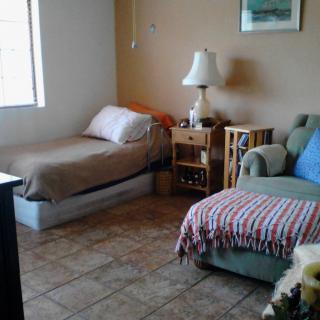

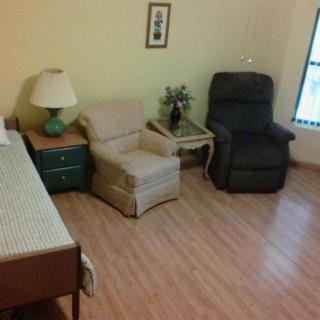


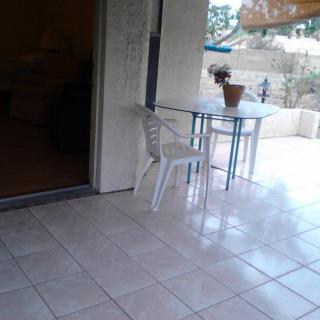
14414 North 29th Street, Phoenix, AZ 85032
To contact a resident: (602) 714-6513
For more information about senior living options: (866) 208-4318
The Loving Kind Care Home, Too Costs & Pricing
The Loving Kind Care Home, Too offers competitive pricing for its residential care services when compared to the broader market in Maricopa County and the state of Arizona. For semi-private rooms, residents can expect to pay $2,500 per month, which is notably lower than the county's average of $2,801 and the state's average of $2,820. Similarly, for private room accommodations, The Loving Kind Care Home, Too charges $3,000 monthly - again more affordable than both the county's average of $3,318 and the state's average of $3,345. This pricing structure reflects a commitment to providing quality care while maintaining accessibility for families seeking supportive living environments.
| Floor plans | The Loving Kind Care Home, Too | Maricopa County | Arizona |
|---|---|---|---|
| Semi-Private | $2,500 | $2,801 | $2,820 |
| Private | $3,000 | $3,318 | $3,345 |
Memory care communities with a similar price nearby
-
from -$100 / mo

Golden Touch One Adult Care Home
$2,400 to $5,800 / month21.5 miles away -
from +$200 / mo

Caring Hearts Senior Care
$2,700 to $3,500 / month21.5 miles away -
About the same

Northlands Assisted Living Home
$2,500 / month16.6 miles away -
from -$245 / mo

Windsor Luxury Assisted Living, LLC
$2,255 to $5,950 / month7.1 miles away -
from -$275 / mo

Harts Home - Exceptional Elder Care
$2,225 to $5,500 / month7.5 miles away
Overall Review of The Loving Kind Care Home, Too
Pros
 The owner is caring, compassionate, and a dedicated caregiver.
- He opened an assisted living care home, and residents are cared for in the very best way.
- The owner promptly recognized a problem and had his husband taken to the hospital.
- The care home is highly recommended for providing the best care.
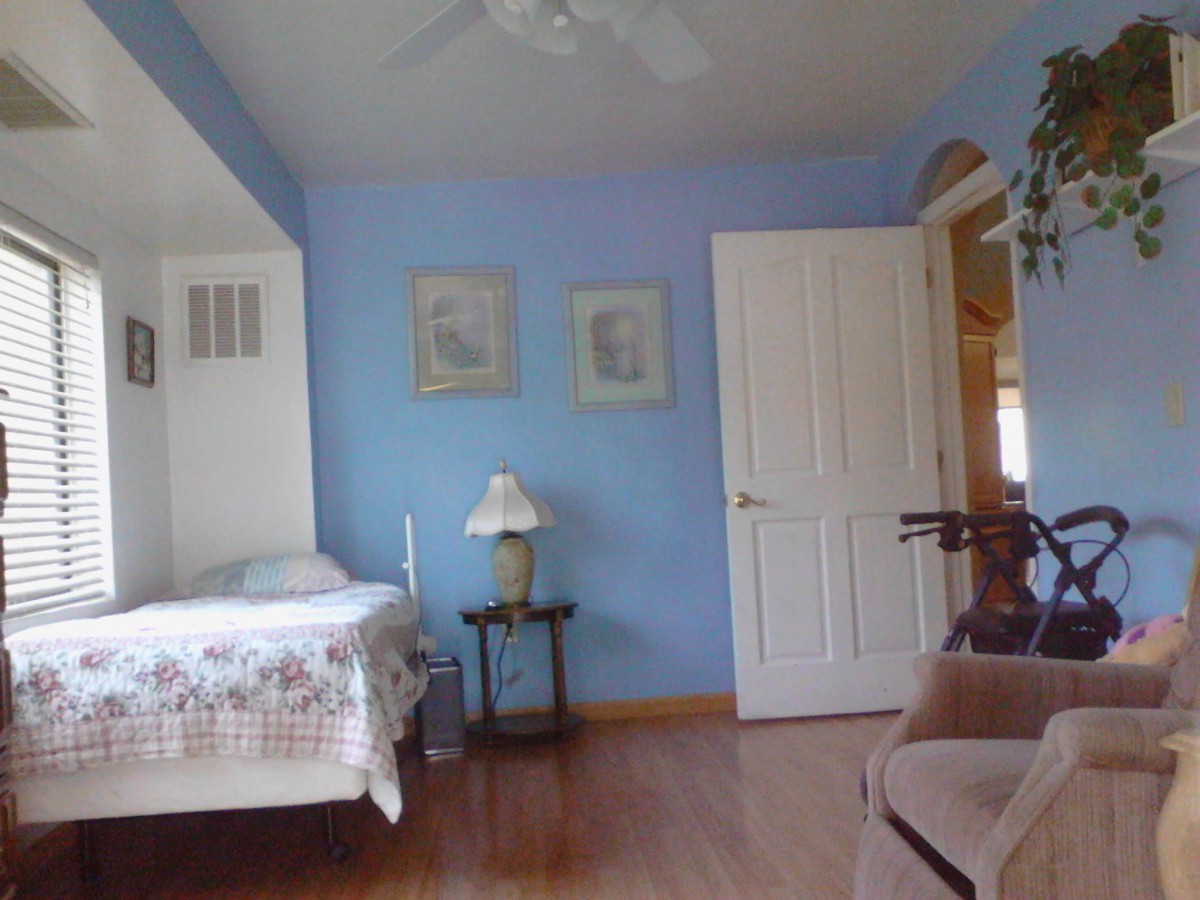
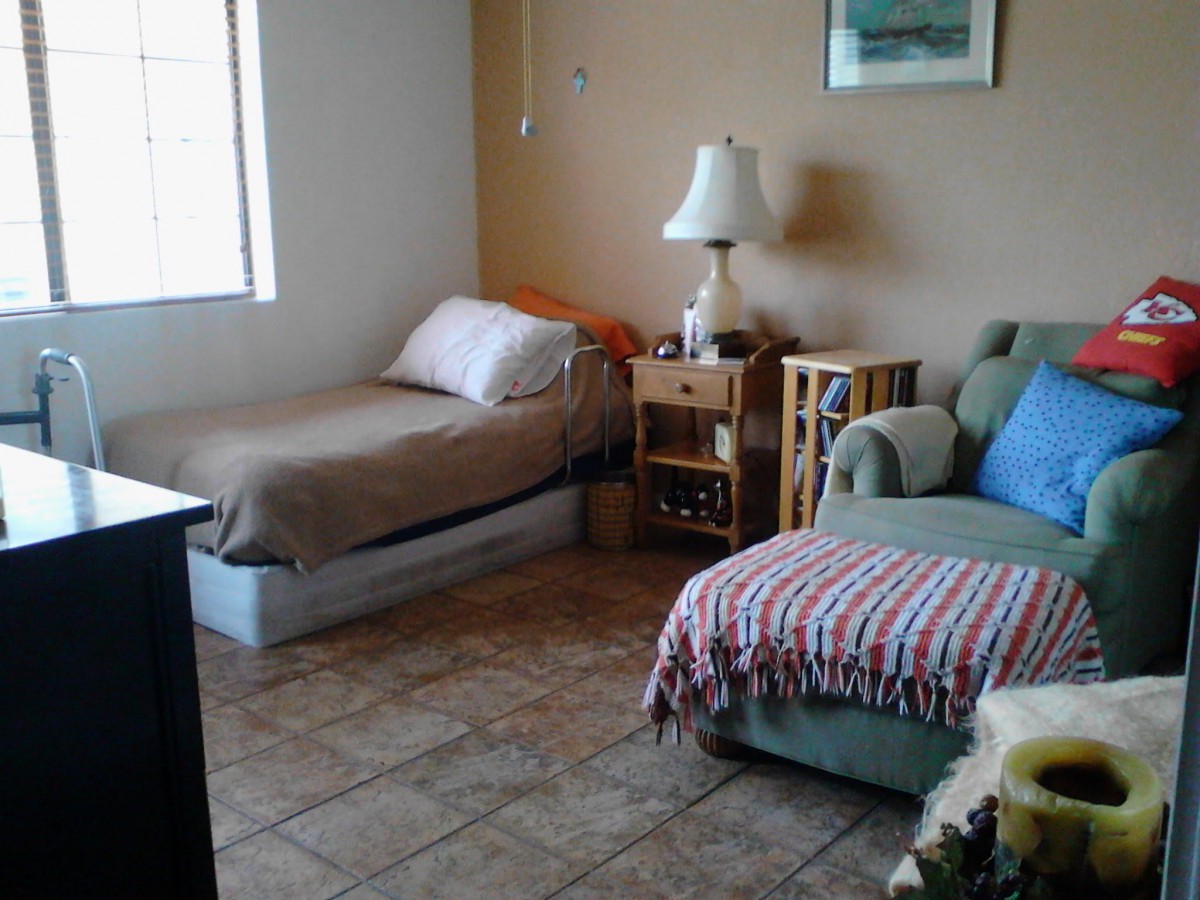
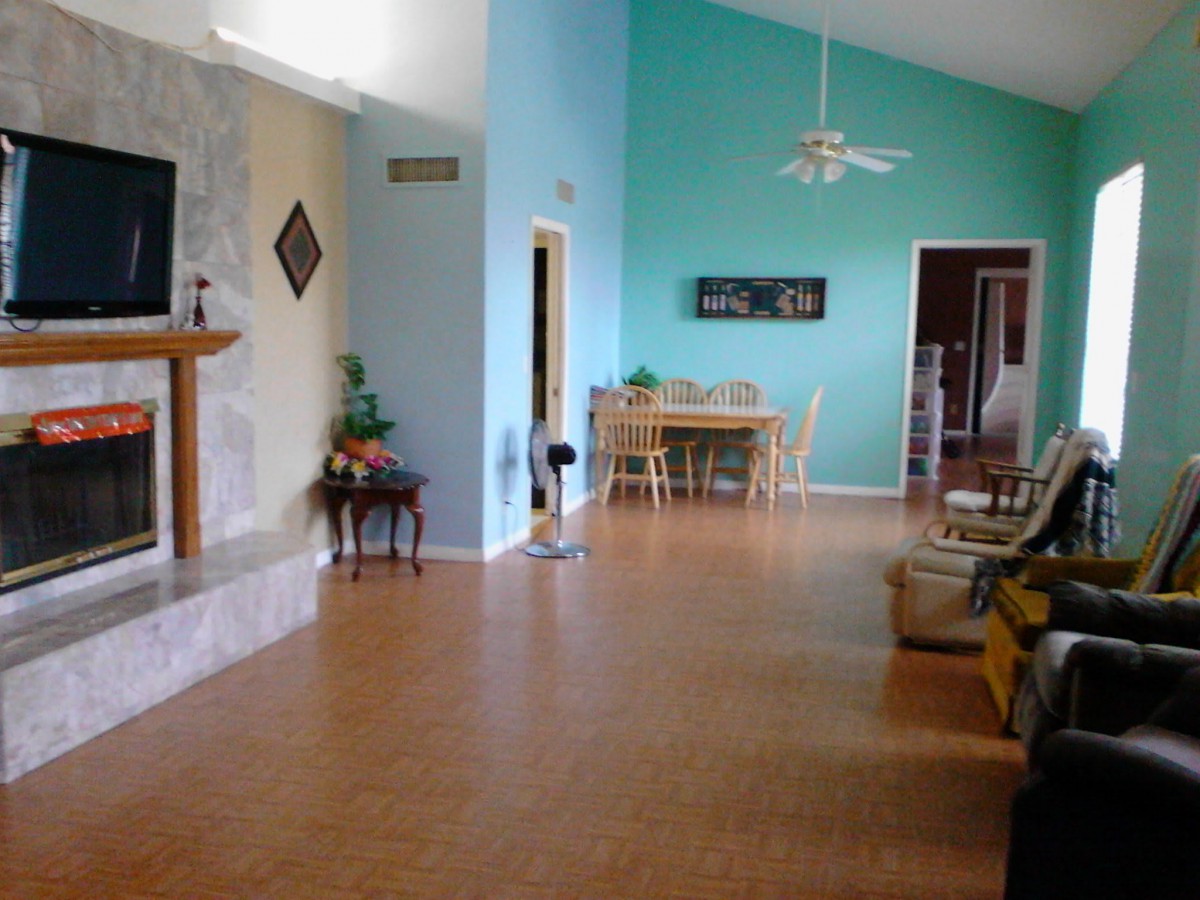
- The home is spacious, and Monica is knowledgeable and professional.
Cons
 The fact that both homes currently have only women in them would be a challenge for the father-in-law.
Review
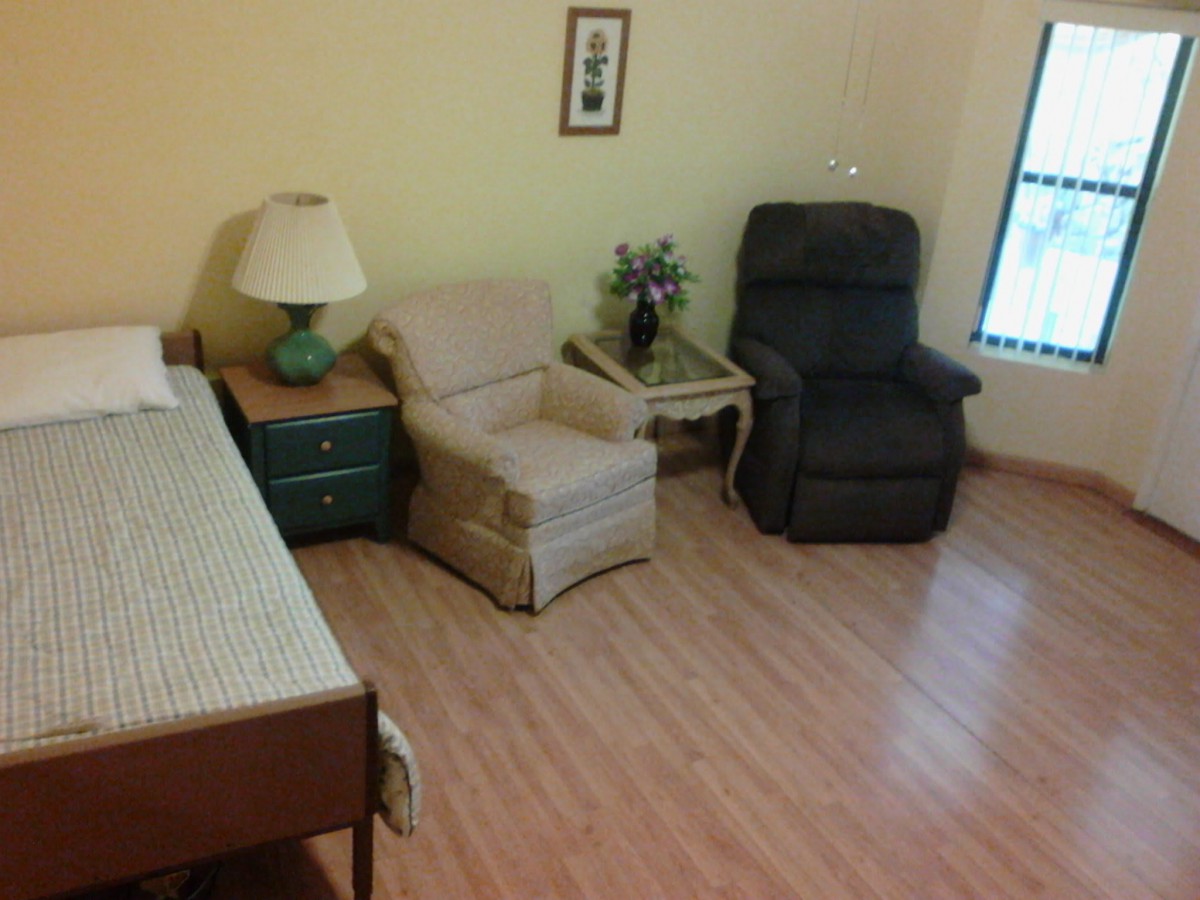
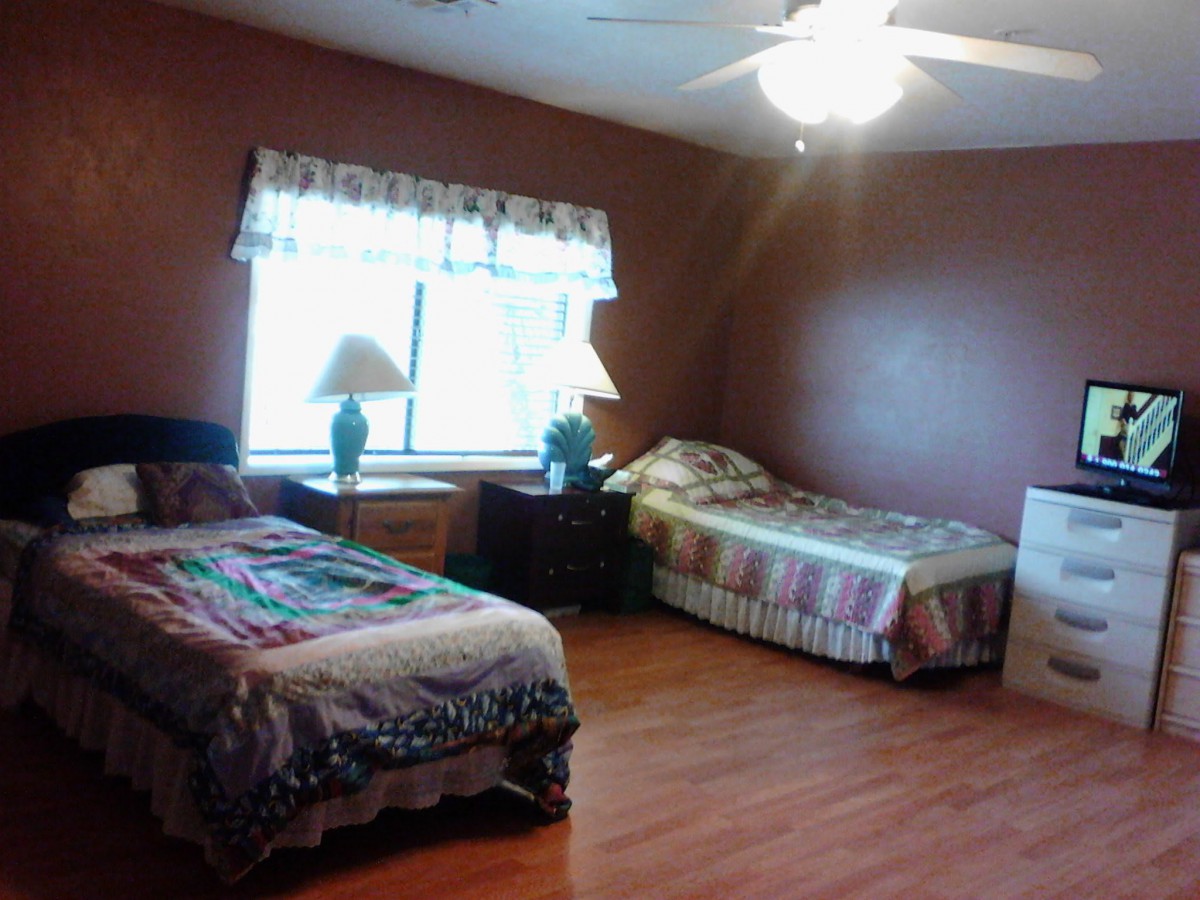
The Loving Kind Care Home in Phoenix is best suited for families seeking an intimate, caregiver-led environment where care is highly personal and responsive. This community appears to excel for seniors who value a hands-on operator with direct caregiving experience, and for families that want immediate, practical access to the person steering day-to-day care. The impression from the available reviews is that this is not a glossy corporate setting but a small, home-like option where issues are noticed quickly and addressed with urgency, including medical escalation when needed. For residents who thrive on close supervision, highly attentive daily routines, and a warm, personal touch, this community offers a compelling match.
Those who may want to consider alternatives include families with a preference for gender-diverse environments or male residents. The reviews note that both homes currently operate with only women in residence, which could be a meaningful misalignment for a male loved one or for families seeking a co-ed atmosphere. Additionally, there are only three published reviews, which means the breadth of experiences is limited. Prospective residents who want a wider pool of staff backgrounds, activity options, or larger-scale programming may find more consistency and variety elsewhere. Finally, for seniors who desire a more clinical or hospital-like setting, a larger facility with a broader medical team could be a better fit.
The strongest offsets to the main concerns lie in the core strengths that come from direct caregiving leadership. One reviewer emphasizes that the owner was the husband’s personal caregiver before launching the home, and that level of hands-on understanding translates into keen problem recognition and timely hospital transfers when necessary. That track record provides real peace of mind for families worried about medical escalation and continuity of care. Another positive thread highlights Monica, described as knowledgeable and professional, suggesting a consistently competent day-to-day care culture. The combination of a compassionate operator and skilled staff contributes to a sense of safety and reliability that can outweigh the potential inconvenience of a gender-restricted environment for residents who are comfortable with it.
Where the pros may struggle to fully offset the cons, the gender dynamic remains the clearest friction point. For male residents or families seeking a mixed-gender setting, the all-women configuration can be a tangible barrier, especially if companionship or social modeling is a priority. The reviews do not delve deeply into other elements such as meal quality, daily activity variety, or staffing patterns across shifts, leaving some questions unanswered about whether the pace and programming will consistently align with evolving needs. In a small, three-review sample, the breadth of experiences is inherently limited, so certainty about consistency across different times, staff, and seasons should be tempered with direct, in-person engagement before any commitment.
For families seriously considering this option, the path forward is practical and decisive. Schedule a visit to observe how staff interact with residents, and specifically ask how gender composition is handled in daily routines, activities, and housing arrangements. Inquire about emergency procedures, physician coordination, and how care plans adapt when health needs escalate. Take note of the physical environment: the cited spaciousness can support comfort and safety, but verify room configurations, accessibility features, and safety measures that matter to the resident’s day-to-day living. Confirm the level of continuity, how stable is staffing, and what contingencies exist if a caregiver becomes unavailable? These concrete checks will illuminate whether the apparent strengths align with the resident’s changing needs over time.
In summary, The Loving Kind Care Home stands out for families seeking intimate, hands-on care delivered under the guidance of a compassionate operator with demonstrated medical responsiveness. It excels for residents who are comfortable in a women-only setting and who prioritize a small-home atmosphere over institutional formality. Those requiring a male presence, a co-ed living arrangement, or a broader menu of programming may want to evaluate alternative options with larger staff pools and more varied social structures. The limited but positive review footprint suggests a favorable trend, yet due diligence remains essential: confirm fit through direct interaction with the care team, verify policies around gender composition, and assess readiness to adapt care plans as needs evolve.
 Board and Care Home
 Memory Care
 Dogs allowed
 Activities off-site
 Bath tubs
 Beautician on-site
 Devotional services off-site
 Indoor common areas
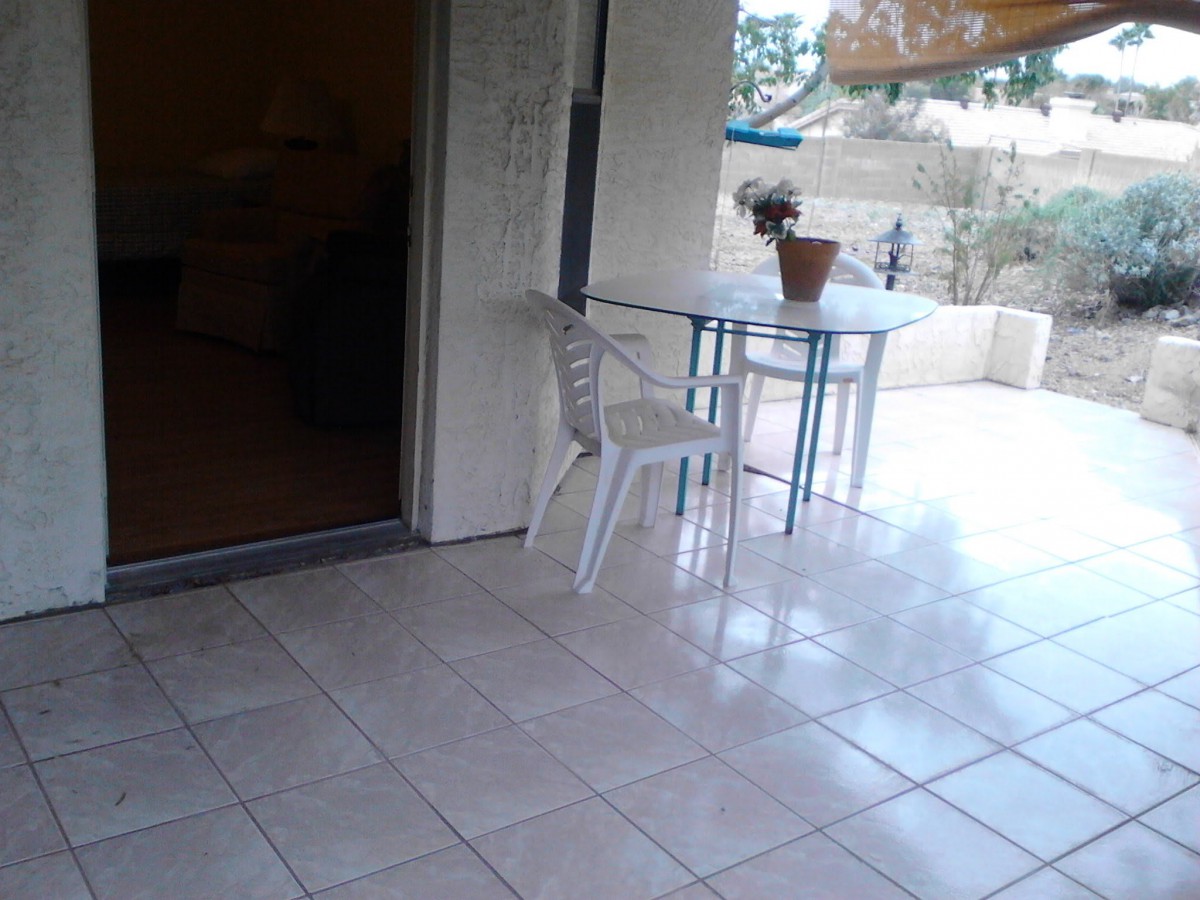
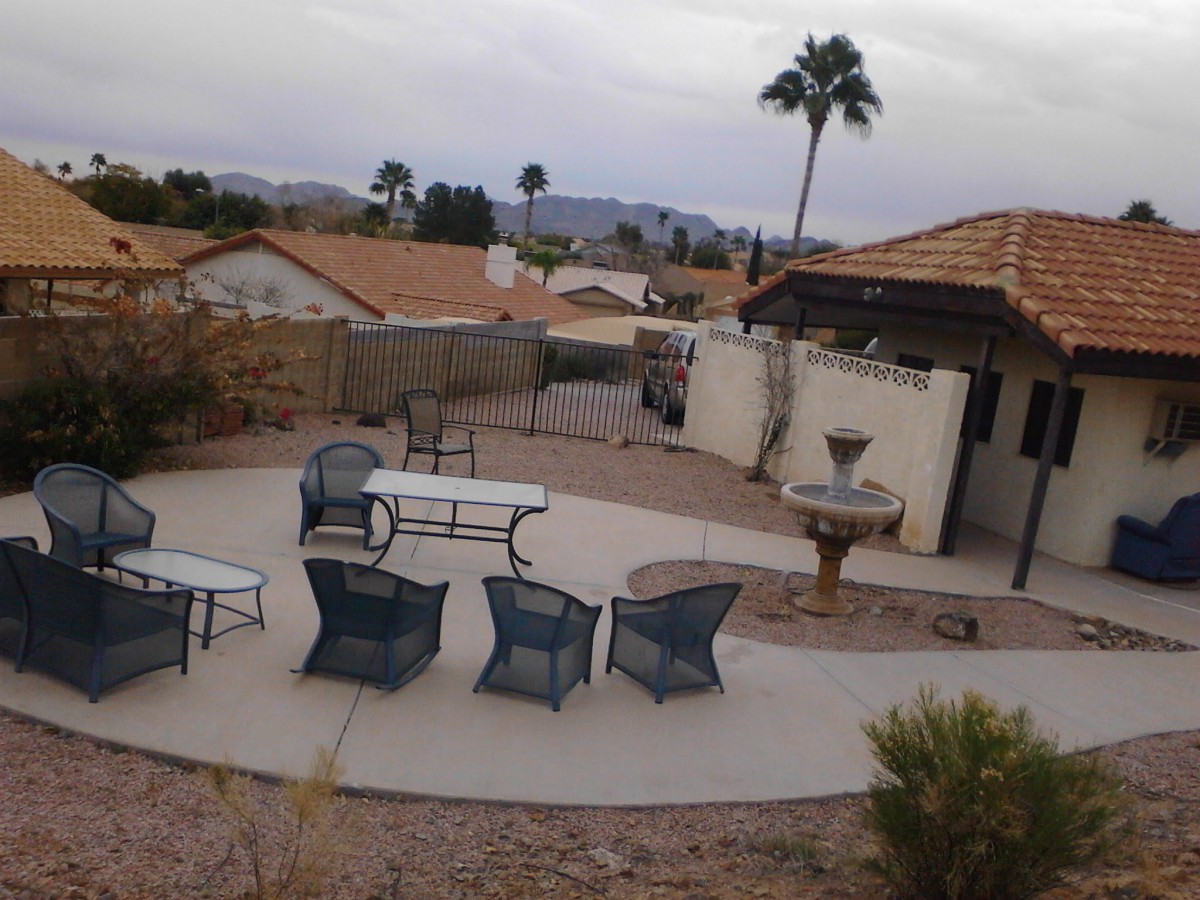
 Outdoor common areas
 Private
 Private bathrooms
 Respite or short term stays offered
 Wheelchair accessible showers
 Phoenix Sky Harbor International (13 miles away)
 Diabetic care
 High acuity care
 Incontinence care
 Medication management
 Meals provided





 Five Subtle Dementia Indicators to Observe: An In-Depth Guide to Understanding “Does My Mom Have Dementia?”
 Dementia, Paranoia, and Caregiver Guidance: Understanding the Connection
 Engaging Memory Care Activities That Enhance Quality of Life