
14414 North 29Th Street, Phoenix, AZ 85032
For more information about senior living options: (866) 208-4318
Overall Review of The Loving Kind Care Home
Pros
 The owner is a caring, compassionate, and dedicated caregiver.
- After opening the care home, the husband transferred there and was cared for in the very best way.
- The owner promptly recognized a problem and arranged for hospital care, demonstrating proactive attention.
- The care home provides the best possible care, according to the reviewer.
- The reviewer highly recommends this care home to anyone who needs the best care.
Review
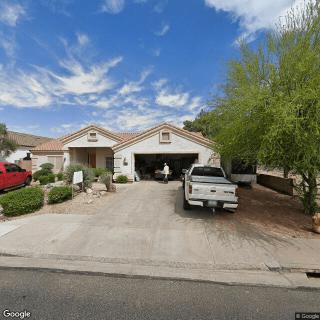
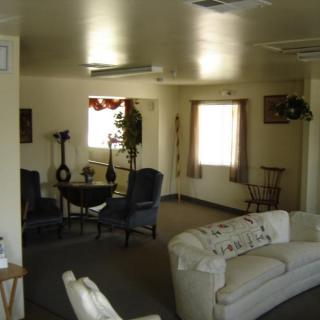
The Loving Kind Care Home in Phoenix is best suited for families who want intimate, caregiver-led attention in a small, home-like setting. The standout factor is that the owner began as the husband’s personal caregiver before opening the group home, so care philosophy is built on hands-on, compassionate responsiveness. Residents needing vigilant monitoring, rapid health triage, and a highly individualized daily routine will find this environment especially compelling. The atmosphere is not a cold institutional model but a family-style home where the operator's direct involvement and core caregiving values shape every interaction. This is where a trusted, attentive presence can translate into quicker responses and a sense of security for loved ones.
Those who may want alternatives include families seeking a larger facility with formal programming, expansive activity calendars, or specialized memory care infrastructure. If an elderly resident requires on-site medical staff around the clock, a wider array of ancillary therapies, or a campus atmosphere with multiple neighborhoods, this small home may not meet that appetite. For residents who value social variety and scheduled group activities at scale, options with bigger staff teams and more amenities could be a better fit. In short, this setting excels in personal attention but can feel limited for those chasing breadth of services.
Key pros center on the owner’s caregiving expertise, evident compassion, and a capacity to recognize and respond to problems immediately. The reported ability to identify a developing health issue and arrange hospital care demonstrates a level of vigilance that makes emergencies less destabilizing. The praise that care was delivered “in the very best way” reinforces a standard of quality rooted in individualized attention rather than process-driven care. These strengths compound to deliver safety, trust, and continuity, which often offset the perceived risk of a small-scale operation where residents may not access the same range of services as in larger communities.
Care comes across as deeply person-centered and consistently proactive. The owner’s dual role as operator and primary caregiver translates into a culture where residents are known by name, daily routines are tailored, and signs of trouble are escalated without delay. The family member’s testimonial underscores the practical reality: when a health issue emerged, a swift clinical decision and timely hospitalization occurred, preserving well-being. For families prioritizing reliability in acute moments and a nurturing, low-ambient-stress environment, these attributes can be decisive.
Practical steps to evaluate fit should include verifying licensing and regulatory compliance, understanding the rotation of staff who interact with residents, and probing how emergencies are managed after hours. Prospective residents should visit at mealtime and during a typical day to gauge how the home balances safety, warmth, and independence. Additionally, request examples of how care plans are developed with families, how changes in health status are communicated, and what supports are available if a resident’s needs escalate. These conversations reveal whether the proven care ethos can scale to meet evolving requirements.
Overall, The Loving Kind Care Home presents a compelling option for families prioritizing exceptional, caregiver-led care in an intimate, home-like setting. The strongest takeaway is a proven track record of vigilance, empathy, and rapid response to health concerns, anchored by an owner who acts as the frontline caregiver. For seniors whose needs align with that model, highly personalized attention, immediate action on medical changes, and a trusted, steady presence, it stands out as a recommended choice. Those seeking a larger footprint, broader programming, or specialized therapies may want to explore alternatives, but for the right match, this home delivers peace of mind through hands-on stewardship.
 10 resident community capacity
 Assisted Living
 Board and Care Home
 Respite Care
 Cable or satellite TV
 Dining room
 Fully furnished
 Garden
 Housekeeping services
 Move-in coordination
 Outdoor space
 Telephone
 Wi-Fi/high-speed internet available
 Phoenix Sky Harbor International (13 miles away)
 24-hour supervision
 Activities of daily living assistance
 Assistance with bathing
 Assistance with dressing
 Assistance with transfers
 Diabetes diet
 Meal preparation and service
 Medication management
 Special dietary restrictions
 Transportation arrangement (medical)
 Transportation to doctors appointments





 When to Transition from Assisted Living to Memory Care: Key Indicators, Steps, and Finding the Right Community
 Assisted Living and Memory Care: Understanding Their Core Differences
 Beyond the Bingo Hall: 50+ Enriching Activities for Seniors in Assisted Living