
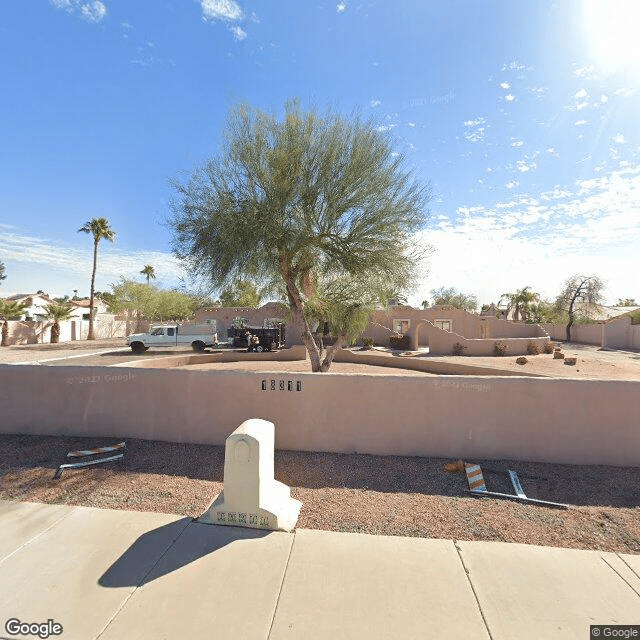
18311 N. 44th Street, Phoenix, AZ 85032
To contact a resident: (602) 354-3271
For more information about senior living options: (866) 208-4318
Prats Care Home, LLC Costs & Pricing
Prats Care Home, LLC offers competitive pricing for its residential care options, with monthly costs that are notably lower than both the county and state averages. For a semi-private room, residents can expect to pay $2,495, which is significantly more affordable than the Maricopa County average of $2,801 and the state average of $2,820. Similarly, their private rooms are priced at $3,395, aligning closely with the county's figure of $3,318 but falling slightly below Arizona's overall average of $3,345. This pricing structure not only underscores Prats Care Home's commitment to providing quality care at accessible rates but also positions it as an attractive option for families seeking supportive living arrangements in the region.
| Floor plans | Prats Care Home, LLC | Maricopa County | Arizona |
|---|---|---|---|
| Semi-Private | $2,495 | $2,801 | $2,820 |
| Private | $3,395 | $3,318 | $3,345 |
Memory care communities with a similar price nearby
-
from -$95 / mo
Golden Touch One Adult Care Home
$2,400 to $5,800 / month22.7 miles away -
from +$205 / mo
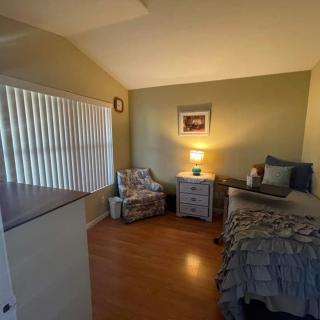
Caring Hearts Senior Care
$2,700 to $3,500 / month23.3 miles away -
About the same
Northlands Assisted Living Home
$2,500 / month17.5 miles away -
from -$495 / mo
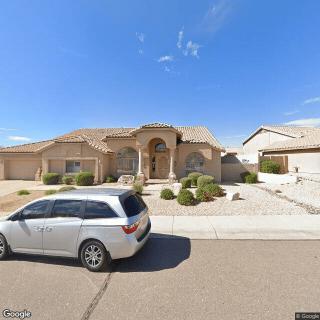
Tatum Ranch Assisted Living
$2,000 to $3,000 / month7.3 miles away -
from -$495 / mo
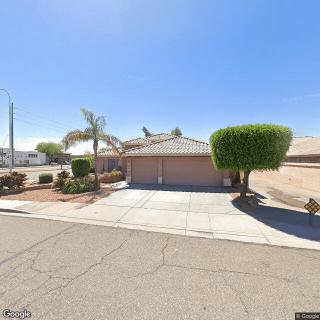
Angel's Adult Group Home
$2,000 to $3,000 / month24.0 miles away
Overall Review of Prats Care Home, LLC
Pros
 The staff at Tender Touch provided exceptional care for a 90-year-old mother.
- The home is loving and caring, with attentive caregivers.
- Families noted that residents were happy and well cared for while living there.
- The staff and owners felt like a second family to her.
- The home is highly recommended for its quality of care and interaction with residents and their families.
Review
This community is best suited for families prioritizing an intimate, relationship-driven caregiving environment where residents are treated like family and caregivers are consistently attentive. The strongest signal from the testimonials is the depth of human connection: staff members who know residents well, speak with warmth, and respond promptly to needs. For seniors who want daily interactions that feel personalized and for families seeking open, ongoing communication about care and progress, this setting offers a reassuring, home-like atmosphere rather than a clinical, impersonal vibe. In short, it works best when the goal is trusted, steady caregiving delivered with genuine compassion.
Those weighing alternatives should consider two practical lines of inquiry. First, if medical complexity requires frequent on-site clinical oversight, you may want to compare with larger communities that provide more formalized medical staffing or memory-care programming. Second, if budget and pace of life matter, explore options that balance cost with a broader slate of structured activities or transportation options. Families seeking highly visible medical management, a wide array of specialized programs, or a more bustling, campus-style environment may find other providers more aligned with their expectations.
The reviewed experiences consistently highlight several standout advantages. Foremost is the staff quality: caregivers described as exceptional, attentive, and consistently engaged with residents. This level of attentiveness translates into tangible benefits, residents appear happy, well cared for, and comfortable in a setting that feels like a second home. The owners’ involvement and the sense that the caregiving team operates as a close-knit unit contribute to stability and trust, reducing family anxiety and reinforcing a positive daily routine for residents. The interwoven families’ voices and resident interactions further strengthen the perception of a supportive, inclusive culture.
There are no explicit drawbacks documented in the testimonials, which makes identifying concrete cons challenging. Nevertheless, honest families should still contemplate the typical tradeoffs associated with small, home-like settings. Potential considerations might include a smaller footprint in terms of specialized medical resources, fewer on-site clinical staff, or a more limited calendar of formal activities compared to larger facilities. These are not presented as negatives in the reviews, but they are reasonable questions to raise during a visit to ensure match with a resident’s needs and the family’s expectations for programming and oversight.
The strength of the care relationship is the primary factor that offsets these potential tradeoffs. When caregivers know residents well and communicate openly with families, the risk of feeling unseen or neglected diminishes significantly. The sense of a “second family” among staff and owners can compensate for a leaner program calendar by delivering high-quality, responsive care that genuinely supports daily well-being and dignity. For families who prize personal attention and consistent, compassionate contact over formal status indicators or bells-and-whistles programming, these advantages are compelling enough to offset the absence of a large, clinical apparatus.
Overall, the prudent choice for Phoenix-area families is a community that demonstrates unmistakable commitment to intimate, relationship-forward care. This setting appears to deliver peace of mind through staff stability, heartfelt interaction, and transparent family engagement. Prospective residents who crave a warm, homey environment with caregivers who know their preferences and respond with immediacy will find this option especially compelling. Those who require extensive medical management, broad activity calendars, or highly structured, campus-scale programs should evaluate alternatives that foreground those strengths. The key move is a careful visit, conversations with frontline caregivers, and a clear assessment of care plans to ensure alignment with the resident’s medical and social goals.
 Board and Care Home
 Memory Care
 Cats allowed
 Dogs allowed
 Private
 Respite or short term stays offered
 Phoenix Sky Harbor International (15 miles away)



 Memory Care Pathways: A Holistic Guide to Dementia Support
 Comprehending Evening Confusion in Dementia: Causes, Manifestations, and Support
 Delirium and Dementia: Unraveling the Key Differences