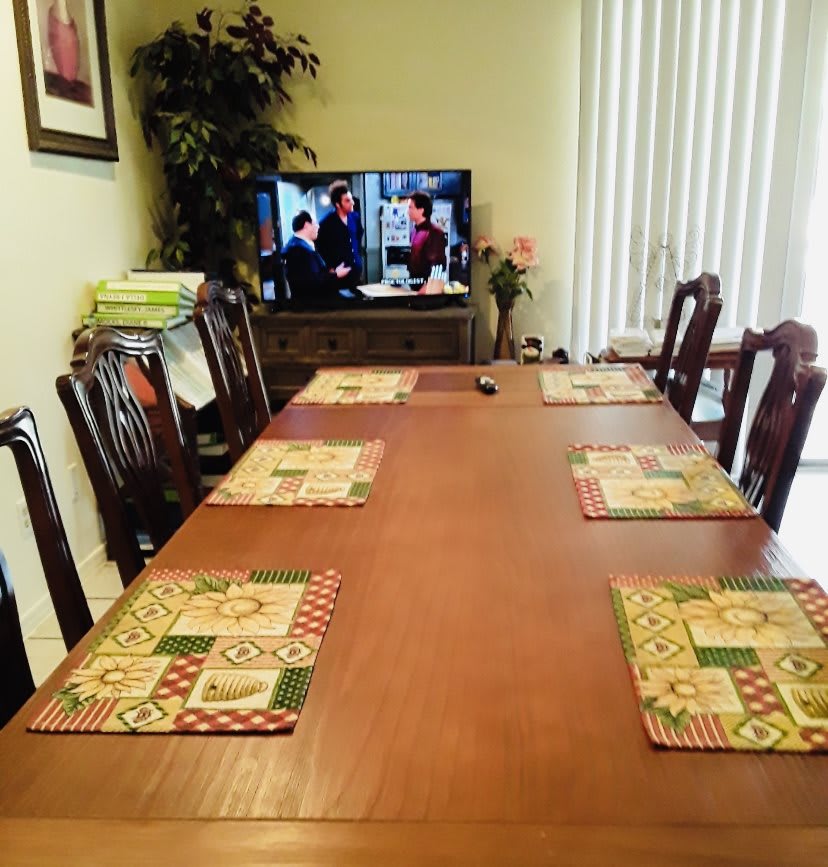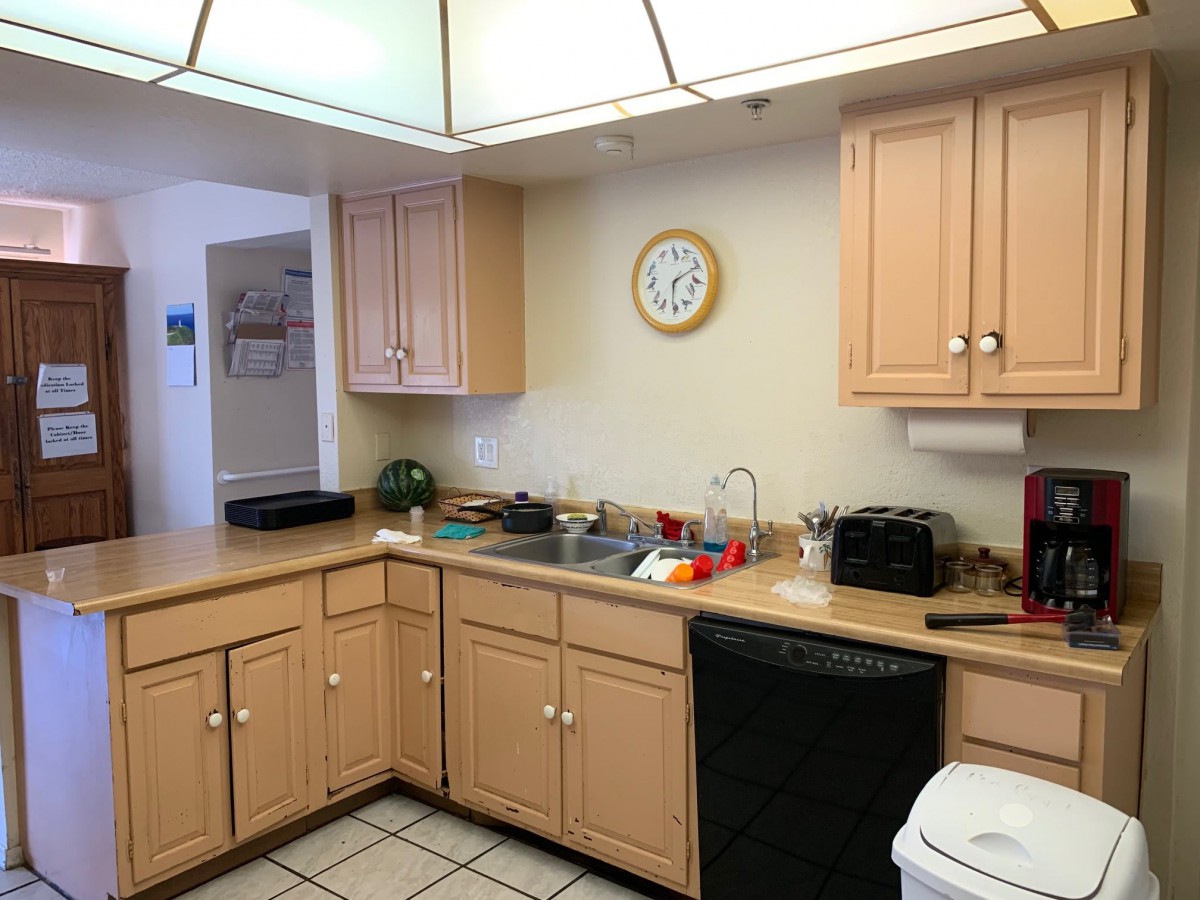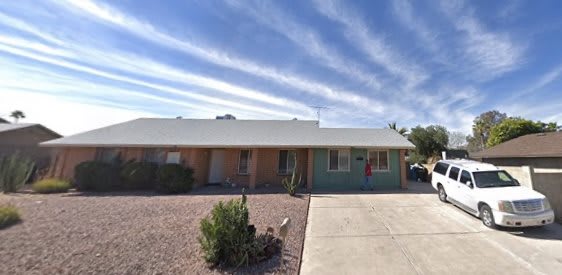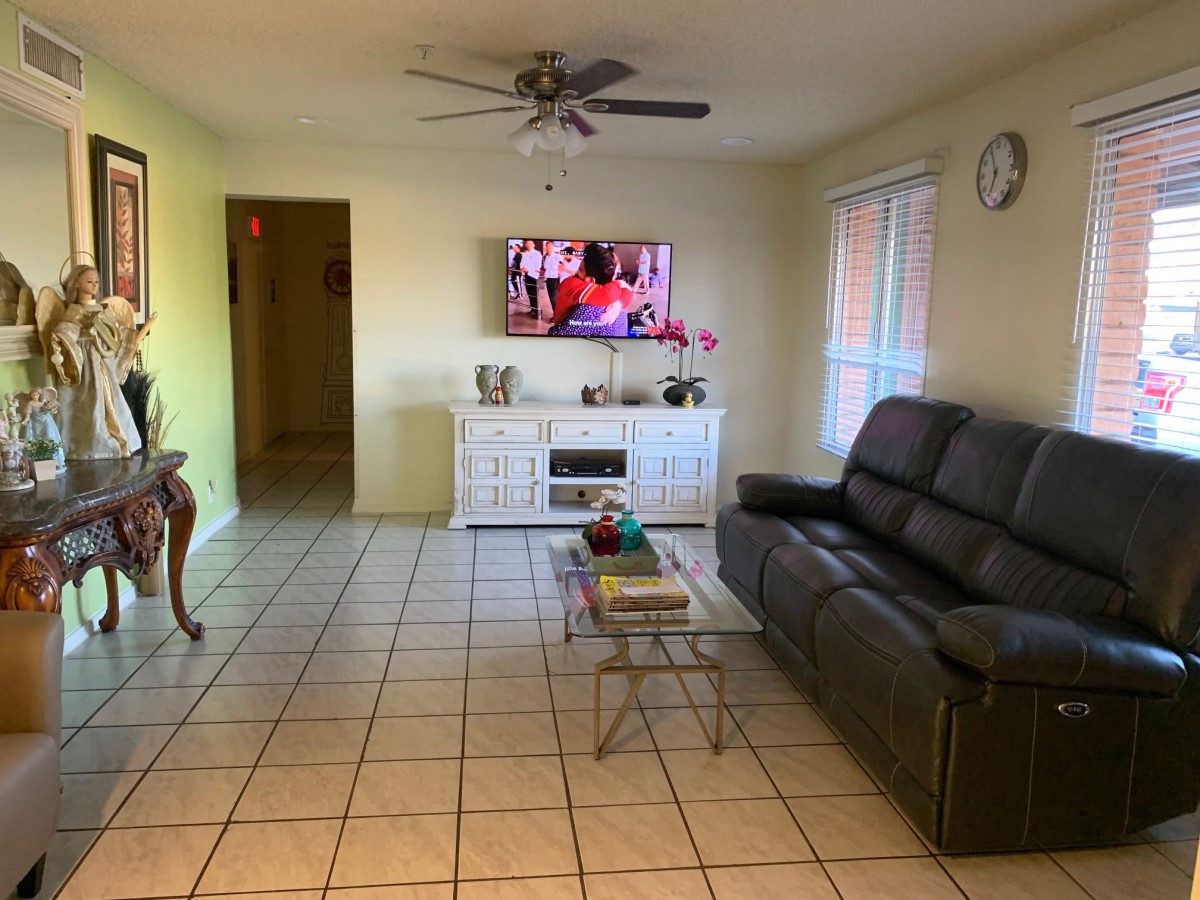

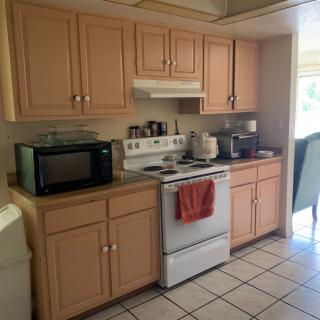
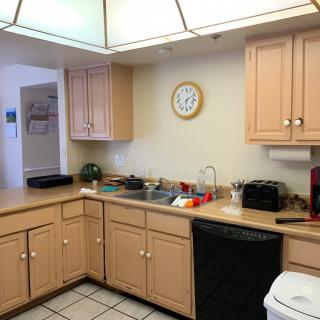
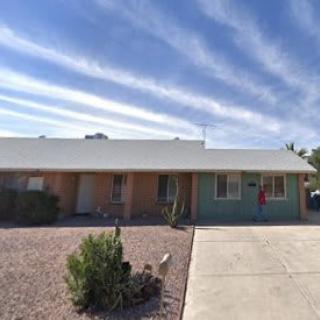
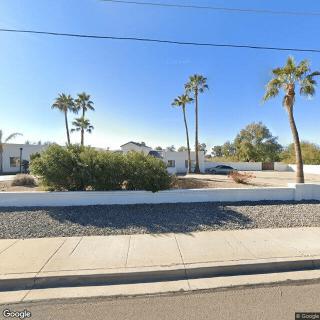
12414 N 38th St, Phoenix, AZ 85032
To contact a resident: (480) 382-2735
For more information about senior living options: (866) 208-4318
Caring for Loved Ones Costs & Pricing
Caring for Loved Ones offers competitive pricing for senior care services, demonstrating a commitment to affordability while maintaining high-quality support. In Maricopa County, the cost for a semi-private room at Caring for Loved Ones is $2,750, slightly lower than the county average of $2,801 and even more favorable compared to the state average of $2,820. For those seeking greater privacy, the private room option is available at $3,000 - again below both the county average of $3,318 and the statewide average of $3,345. This positioning not only underscores their dedication to providing value but also highlights their understanding of local market dynamics while ensuring residents receive compassionate care in a nurturing environment.
| Floor plans | Caring for Loved Ones | Maricopa County | Arizona |
|---|---|---|---|
| Semi-Private | $2,750 | $2,801 | $2,820 |
| Private | $3,000 | $3,318 | $3,345 |
Memory care communities with a similar price nearby
-
from -$250 / mo
La Bella Vita ALH
$2,500 to $7,000 / month23.7 miles away -
from -$350 / mo
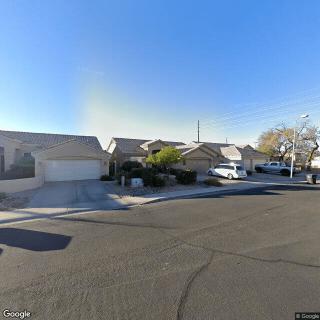
Golden Touch One Adult Care Home
$2,400 to $5,800 / month19.8 miles away -
from +$250 / mo

Desert Garden Senior Living
$3,000 to $3,500 / month19.0 miles away -
About the same
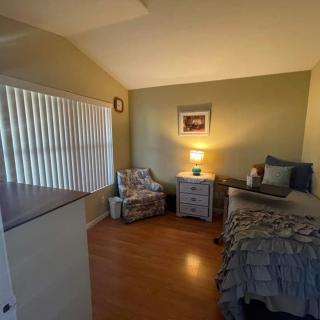
Caring Hearts Senior Care
$2,700 to $3,500 / month22.7 miles away -
from +$250 / mo
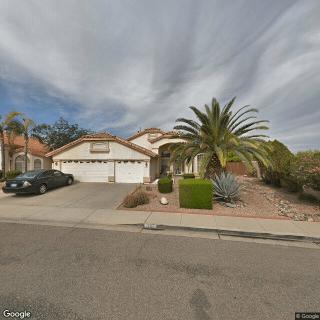
Horizon Assisted Living
$3,000 / month13.9 miles away
Overall Review of Caring for Loved Ones
Pros
 The care team makes loved ones' final days warm and cherished.
- Families would rate the facility highly and recommend it to everyone.
- The staff take residents on regular walks.
- The staff handle residents' complex medical issues.
- The staff allow residents to have a glass of wine when they like.
- The staff treat residents like family.
- The facility offers a flat rate with no extra care charges and no annual increases, while delivering amazing care.
Cons
 Some 'communities' start out sounding good but are in the business of nickel and diming you to quick poverty.
- They criticize other providers for nickel‑and‑diming families rather than offering transparent pricing.
Review
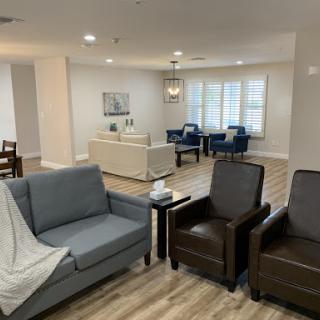
Caring for Loved Ones in Phoenix is best suited for families who want a warm, home-like environment where a resident is treated with genuine warmth and personalized attention. This community works best for seniors who value regular, meaningful engagement, like daily walks and a relaxed, family-style atmosphere, paired with a care plan that can handle complex medical needs without making life feel clinical. It appeals to families prioritizing transparent, all-inclusive pricing over frequent rate escalations or unexpected add-ons, and those who want a setting where the resident is not treated as a number but as a loved one who deserves dignity and companionship.
Those weighing alternatives should consider options if the priority is a large campus with extensive memory-care programming, hospital-grade clinical oversight, or a broad continuum of specialized therapies. Families needing aggressive post-acute rehabilitation, 24/7 on-site medical supervision, or highly structured, facility-wide memory-care protocols may find other communities better aligned with those requirements. Similarly, households seeking a facility with more expansive amenities, bigger social calendars, or more formal clinical labels may want to compare options. In short, for ultra-high-acuity medical needs or a highly clinical environment, alternatives deserve careful review.
The standout pros here are both practical and deeply human. Staff are described as doting and attentive, treating residents like family, which translates into daily routines that feel safe and reassuring. Regular walks and activity that promote engagement contribute to a sense of independence and normalcy rather than confinement. The ability to accommodate complex medical issues within a warm setting reduces the stress of navigating multiple providers. Crucially, the pricing model eliminates the common friction of unexpected charges: flat rates with no “extra care” add-ons and no annual increases. That combination of compassionate care and financial predictability creates a predictable daily experience that families can trust.
There are no explicitly named flaws in the testimonials, which is telling, but a practical reviewer still recognizes potential trade-offs. The absence of stated downsides suggests a strong match for many families, yet the selection may be less ideal for residents whose needs demand a robust, clinical-intensive environment or a formal memory-care program. In such cases, the lack of a larger, more specialized clinical footprint could mean added referrals or transitions down the line. The reality is that a smaller, tightly knit care model excels at personal attention but may not dominate every possible medical scenario.
That tension, exceptional personal care at predictable cost versus the potential limits of a smaller, less clinical ecosystem, is what should drive decisions. For families prioritizing warmth, consistency, minimal financial surprises, and a setting where staff genuinely dote on the resident, the offset is substantial: the day-to-day quality of life typically improves, and the financial stress associated with rising care bills disappears. If those factors match the loved one’s needs, the pros decisively outweigh the potential gaps. In practice, the clear path is to verify readiness for the level of care provided and to align expectations about medical oversight with the resident’s condition.
Decision guidance for families considering this community is straightforward. Schedule a visit and meet the care team in person, asking specifically about how complex medical needs are coordinated day-to-day. Confirm what the flat rate covers, and request a written outline of any services that could trigger additional costs in other settings. Assess staff-to-resident ratios, the cadence of family updates, and opportunities for social engagement that matter to the resident. Finally, clarify how end-of-life or palliative considerations are handled within the same caring, family-centered framework. When the fit is right, this community offers a compelling, practical choice that blends compassionate care with financial clarity.
 Board and Care Home
 Memory Care
 Bath tubs
 Indoor common areas
 Outdoor common areas
 Private
 Respite or short term stays offered
 Phoenix Sky Harbor International (11 miles away)
 Diabetic care
 High acuity care
 Incontinence care
 Meals provided
 Birthday parties


 Dementia, Paranoia, and Caregiver Guidance: Understanding the Connection
 Engaging Memory Care Activities That Enhance Quality of Life
 When to Transition from Assisted Living to Memory Care: Key Indicators, Steps, and Finding the Right Community