
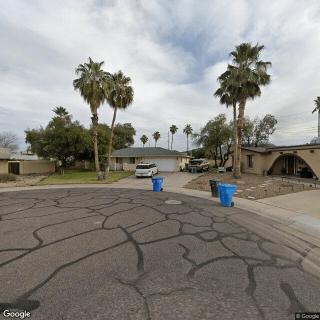
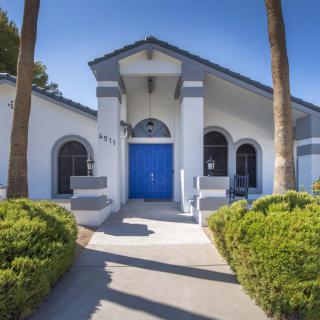
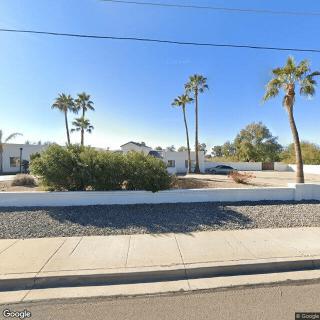
3943 East Lupine Avenue, Phoenix, AZ 85028
For more information about senior living options: (866) 208-4318
Overall Review of North Haven Assisted Living Home
Pros
 The home has amazing qualities, with great staff and an excellent owner, and it is highly recommended.
- Chris and the Desert Haven staff care for residents like family and are widely regarded as the best option in the Phoenix area.
- Desert Haven Residential Home Care is a blessing, with kind and compassionate staff and owner; residents are clean, well fed, and well cared for.
- The staff are well trained to de-escalate challenging situations, providing complete peace of mind to families.
- Villa Fiore provides five-star care from the staff and is highly recommended for memory and assisted living care in Northern AZ.
- The care facility offers love and personal care as if residents were family, and the staff extend heartfelt condolences to families.
- Desert Haven cared for a husband with dedication during the end of life; Chris and his mother were wonderful.
Cons
 Seniors can sometimes be quite challenging.
Review
This Phoenix community is best suited for families seeking a small, home-like residential setting where residents are treated as family and care is led by a hands-on owner. The prevailing feedback paints a picture of a tightly run operation with exceptionally attentive staff who know residents by name, respond quickly to needs, and foster a calm, dignified atmosphere. The model described emphasizes personal relationships, clean and comfortable living, and reliable daily routines that give families genuine peace of mind. It also shows capability to support memory-related needs, rehab stays, and end-of-life care with a compassionate, individual approach rather than a clinical, institutional feel.
Those who may want to consider alternatives are families pursuing larger campuses with a broader menu of amenities, more formal, structured programming, or a dementia-specific or highly medicalized model. If the priority is expansive on-site therapies, hospital-grade oversight, or a defined continuum of care across multiple levels (memory care, skilled nursing, and 24/7 medical staffing), a bigger community may be a better fit. For residents with complex medical needs or those who require extensive daily medical management, alternative options with dedicated clinical teams could reduce the risk of gaps in care.
The strongest pros center on a personal touch that permeates every level of care. Residents benefit from clear, compassionate leadership at the top, staff who are described as sincerely caring, and a culture that treats families as partners. This translates to strong peace of mind for relatives, who see their loved ones well cared-for, clean, well fed, and calmly engaged in daily life. The ability to de-escalate challenging behaviors with well-trained staff is repeatedly highlighted, and the sense that the owner and team will go the extra mile, evidenced by actions like visiting families in their homes or providing condolence support, creates a trust that can offset the absence of a larger, more resource-rich setting.
Evidence across the reviews reinforces these conclusions: relationships with residents feel intimate and genuine, and staff are consistently praised for their compassion and competence. Statements such as care delivered “as though he were part of their own family,” and gratitude for the staff’s willingness to support both residents and their families during difficult moments, underline a deep commitment to person-centered care. This emotional resonance, coupled with reliable daily routines, cleanliness, and attentive meals, forms a powerful counterbalance to the potential downsides of a smaller operation, where amenities and formal programming may be more limited than in bigger facilities.
One should acknowledge the gaps that are not fully illuminated by the reviews. Costs and value, exact staff-to-resident ratios, availability of private rooms, and the breadth of activities or specialized therapies are not spelled out. The reviews do not explicitly detail dementia-specific programming, on-site medical services, or how care plans are coordinated with external providers. For families, those are critical questions to verify during tours: what level of medical oversight exists, how often care plans are updated, and what happens when a situation requires escalation or admission to higher levels of care.
In the end, the decision comes down to priorities. If the objective is a warm, intimate setting where every resident is known well, and where the owner-driven culture translates into unwavering daily attentiveness and emotional support, this model represents a compelling choice. If, instead, the priority is a larger community with extensive on-site services, formal memory-care programming, or a broader medical footprint, it’s prudent to explore alternatives first. Prospective families should tour with questions in hand: inquire about staff stability, care coordination, emergency procedures, activity offerings, and what a typical day looks like for a resident. The right fit is the one that delivers consistent, compassionate daily care while aligning with the resident’s medical needs and family expectations.
 10 resident community capacity
 Assisted Living
 Cable or satellite TV
 Dining room
 Fully furnished
 Garden
 Housekeeping services
 Move-in coordination
 Outdoor space
 Telephone
 Wi-Fi/high-speed internet available
 Phoenix Sky Harbor International (11 miles away)
 24-hour supervision
 Activities of daily living assistance
 Assistance with bathing
 Assistance with dressing
 Assistance with transfers
 Diabetes diet
 Meal preparation and service
 Medication management
 Special dietary restrictions
 Transportation arrangement (medical)
 Transportation to doctors appointments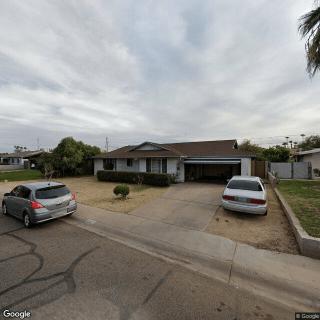

 Securing Financial Support for Assisted Living: A Comprehensive Overview
 Social Security Benefits and Assisted Living: Navigating Options Across the U.S.
 An Extensive Exploration of the VA Aid and Attendance Benefit