
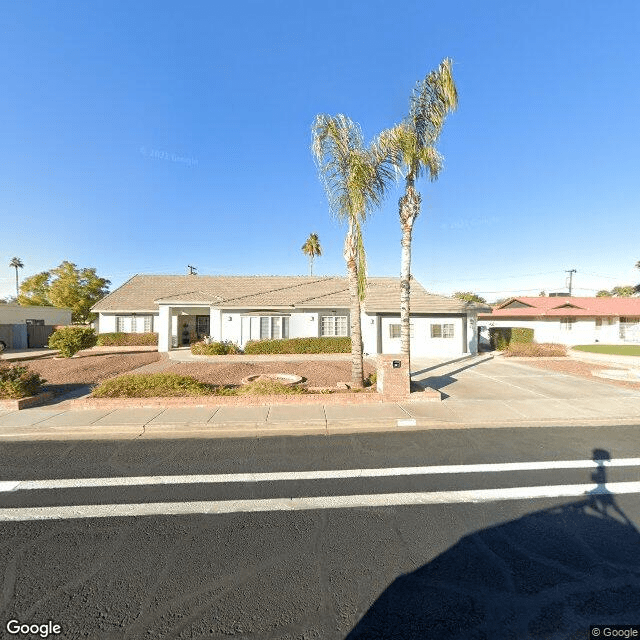
44 W. Moon Valley Drive, Phoenix, AZ 85023
To contact a resident: (602) 548-1082
For more information about senior living options: (866) 208-4318
Best Care Home of Moon Valley #4 Costs & Pricing
Best Care Home of Moon Valley #4 presents a competitive pricing structure when compared to the broader landscape of Maricopa County and the state of Arizona. For studio accommodations, the monthly fee is set at $3,200, which is notably lower than both the county average of $3,960 and the state average of $3,829. In contrast, for semi-private rooms, Best Care Home's rate of $3,500 exceeds the county's more affordable $2,801 and the state's $2,820; however, this may reflect additional services or amenities offered. Lastly, private room options are priced at $5,500 - significantly higher than both the county average of $3,318 and the state average of $3,345. This pricing highlights a strategic positioning that suggests a focus on quality care and services that may justify the premium for private living arrangements while still offering competitive rates for studio accommodations.
| Floor plans | Best Care Home of Moon Valley #4 | Maricopa County | Arizona |
|---|---|---|---|
| Studio | $3,200 | $3,960 | $3,829 |
| Semi-Private | $3,500 | $2,801 | $2,820 |
| Private | $5,500 | $3,318 | $3,345 |
Memory care communities with a similar price nearby
-
from -$200 / mo

Desert Garden Senior Living
$3,000 to $3,500 / month18.6 miles away -
from -$500 / mo

Caring Hearts Senior Care
$2,700 to $3,500 / month18.3 miles away -
from -$200 / mo
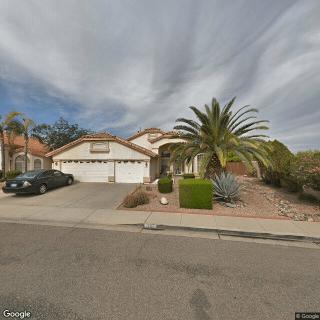
Horizon Assisted Living
$3,000 / month9.4 miles away -
from -$200 / mo
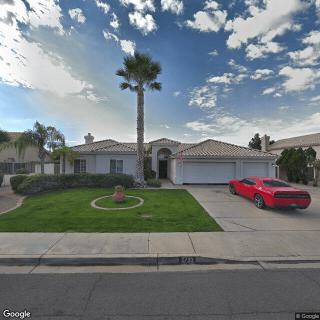
Desert Winds I
$3,000 to $3,800 / month20.4 miles away -
from +$300 / mo
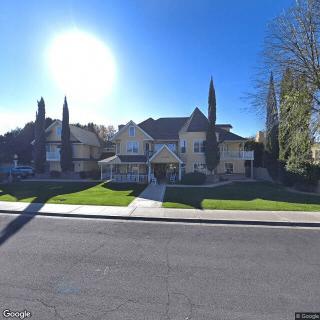
Jim & Patti Jones II
$3,500 to $4,500 / month19.9 miles away
Overall Review of Best Care Home of Moon Valley #4
Pros
 The staff are caring, friendly, and patient.
- They do a great job with residents’ loved ones.
- They provide a lot of individual attention.
- They have the resident up and walking again.
- The reviewers are highly pleased and would recommend this place.
Review
Best Care Home of Moon Valley #4 is best suited for families seeking highly personalized, rehab-focused assisted living where a loved one’s mobility and daily independence can improve under a consistently patient, caring staff. The community excels for residents who require substantial one-on-one attention and where caregivers are proactive about encouraging movement and everyday functioning. In this setting, families can expect a hands-on approach that prioritizes progress in activities of daily living, particularly in rehabilitation moments that restore or maintain independence.
Those weighing alternatives should consider whether needs extend beyond individualized attention and mobility work. If the priority is more intensive on-site medical oversight akin to a skilled nursing environment, or if a richer, more expansive social program across a larger campus matters, it pays to compare other options. Likewise, if budget constraints demand a broader range of price points or if memory care expertise with specialized programming is essential, exploring multiple communities will yield clearer contrasts in service level and cost.
The strongest and most actionable benefits come from the staff’s evident care, warmth, and patience. Caregivers here are described as friendly, approachable, and attentive, with a notably gentle demeanor that translates into meaningful daily support. The core achievement highlighted is a successful commitment to individualized attention, illustrated by tangible mobility gains. The ability to help a resident regain walking, and to sustain that forward momentum, provides not only physical safety but emotional reassurance for families watching a loved one reclaim independence.
In the absence of reported drawbacks within the available input, the consideration hinges on cautious interpretation of a single positive experience. The lack of a broader pool of feedback means potential families should verify consistency across different shifts, seasons, and caregivers, and should probe for specifics about care levels, staffing patterns, and long-term sustainability of rehab goals. Even so, the documented strengths, deep staff engagement and proven rehabilitation outcomes, offer a compelling offset to these considerations, suggesting a high likelihood of reliable, compassionate care for residents with similar needs.
From a decision-making perspective, key verification during a visit centers on concrete care dynamics. Inquire about the exact care plan for rehabilitation, daily routine structure, and how progress is measured and adjusted. Ask who coordinates therapy services, the availability of a registered nurse on site, and how night coverage operates. Request a transparent outline of costs, what is included in monthly charges, and how long-term stays beyond initial rehab phases are managed. Observing interactions during mealtime and routine activities can reveal whether the patient-resident dynamic remains consistently warm and attentive.
Ultimately, Best Care Home of Moon Valley #4 stands out for families prioritizing personalized, hands-on care that translates into real mobility improvements and sustained daily functioning. For residents whose needs include intensive medical oversight, broad social programming, or cost-sensitive options, alternatives deserve comparison to ensure alignment with expectations and resources. The available evidence positions this community as a practical, results-oriented choice for those who value demonstrable caregiving dedication and a compassionate path to regained independence. A guided tour and direct conversations with leadership will confirm whether the fit is exclusive or part of a broader decision set.
 Board and Care Home
 Memory Care
 Cats allowed
 Dogs allowed
 Private
 Phoenix Sky Harbor International (13 miles away)
 Diabetic care
 Incontinence care



 Dementia Behaviors: In-Depth Understanding and Effective Coping Strategies
 5 Early Indicators of Dementia and What You Can Do
 8 Important Indicators That Memory Care May Be Necessary