
52 West Moon Valley Drive, Phoenix, AZ 85023
For more information about senior living options: (866) 208-4318
Overall Review of Best Care Home Of Moon Valley
Pros
 The facility is very beautiful and well maintained.
- The landscape features trees, shrubs, and greenery.
- It operates three houses with 5 to 10 residents each, offering private and semi-private rooms that are handicapped-equipped.
- Laundry and housekeeping are handled on-site.
- Home cooking is provided, and the food is good.
- It offers all three levels of care, with a house doctor and a visiting nurse, and all caregivers are certified.
- The staff are nice and caring.
- Transportation can be arranged when needed.
- On-site activities include bingo, exercises, arts and crafts, birthday parties, and movies; there is a patio and a nice yard.
- The facility is very clean and nice.
Cons
 They do not transport residents to outings.
- The lack of transport is noted as the facility’s only drawback.
- They do not provide transport services, though arrangements can be made.
Review
Best Care Home Of Moon Valley is best suited for seniors who want a small, home-like atmosphere in Phoenix, with easy access to on-site medical oversight and a tight-knit caregiving team. The setting unfolds across three separate houses, each housing five to ten residents, which translates into intimate supervision and fewer strangers in daily routines. The interiors are handicapped-accessible, with private and semi-private rooms that preserve dignity while simplifying transitions as needs evolve. The campus emphasizes a clean, well-kept environment and generous outdoor spaces, trees, shrubs, a patio, and a yard that invite fresh air and casual socializing. On-site services cover laundry and housekeeping, home-cooked meals, and a care continuum that includes a house doctor, a visiting nurse, and certified caregivers, all of which support consistent, person-centered care.
However, alternatives should be considered by families whose priorities include regular outings with reliable transport, robust memory-care programming, or a larger campus with a broader range of activities and on-site specialists. The community does not provide transportation, relying instead on arranging it when needed, which can be inconvenient for seniors who maintain an active lifestyle outside the home or whose families require routine off-site excursions. For residents with advanced dementia or highly specialized medical needs requiring 24/7 on-site nursing, the current model may feel limited compared to facilities that staff around the clock or offer more structured memory-care environments.
On balance, the advantages are compelling enough to offset the transportation gap for many families. The three-house format fosters individualized attention, and the intimate resident groups cultivate a calmer, less chaotic daily rhythm. Having a house doctor on-site, along with visiting nursing, ensures medical oversight without the impersonality often found in larger communities. Certified caregivers contribute to reliable care delivery, and housekeeping, laundry, and home-cooked meals remove household burdens from families. The lack of transport is mitigated by the ability to arrange it when necessary, but it remains a trade-off that requires planning and cooperation from families who depend on consistent off-site activities or hospital appointments.
Care levels are presented as comprehensive, with a stated ability to address three levels of care within the same footprint. This can be a major convenience for residents whose needs fluctuate, reducing the stress of future moves. The environment itself reinforces well-being: clean facilities, dedicated staff who appear caring, and a calendar of social activities, from bingo and crafts to birthday celebrations and movie nights, provide opportunities for routine engagement and companionship. Residents also benefit from accessible outdoor space, which supports gentle exercise and outdoor enjoyment, an important factor for aging in place. Taken together, these elements create a cohesive living experience that prioritizes comfort, consistency, and continuity of care.
Practical due diligence is straightforward. Prospective families should quantify the care mix intended for the loved one and confirm how the "three levels of care" translate into concrete services, including memory support or rehabilitation options. Clarify staffing levels, night coverage, and emergency protocols, as well as how frequently a nurse or doctor visits and how medical information is communicated. Ask about transportation logistics and whether arrangements are truly flexible or subject to delays. Finally, verify the terms of private versus semi-private accommodations, the pacing of daily activities, and any additional costs beyond base care. This focus ensures expectations align with what the home can reliably deliver.
Bottom line: Best Care Home Of Moon Valley offers a warm, well-maintained, family-style setting with strong medical oversight and a clear continuum of care that can suit seniors who prize camaraderie, routine, and simplicity over busy, transport-dependent programming. It is an especially good fit for families who can work around the transport limitation and want to keep a loved one in a single home as needs evolve. For those who require regular outings, frequent off-site activities, or intensive memory-care programming with constant on-site nursing, alternatives that prioritize transportation and 24/7 clinical staffing should be explored. With careful planning and candid questions, this community can deliver dependable, comforting care in a compact, respectful environment.
 5 resident community capacity
 Assisted Living
 Cable or satellite TV
 Dining room
 Fully furnished
 Garden
 Housekeeping services
 Move-in coordination
 Outdoor space
 Telephone
 Wi-Fi/high-speed internet available
 Phoenix Sky Harbor International (13 miles away)
 24-hour supervision
 Activities of daily living assistance
 Assistance with bathing
 Assistance with dressing
 Assistance with transfers
 Diabetes diet
 Meal preparation and service
 Medication management
 Special dietary restrictions
 Transportation arrangement (medical)
 Transportation to doctors appointments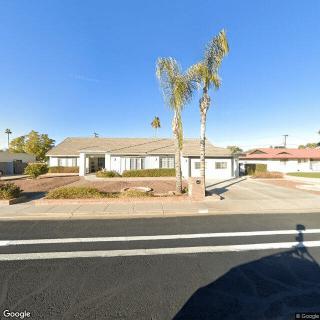




 Assisted Living Expenses and Long-Term Care Insurance: A Comprehensive Exploration
 Securing Financial Support for Assisted Living: A Comprehensive Overview
 Social Security Benefits and Assisted Living: Navigating Options Across the U.S.