
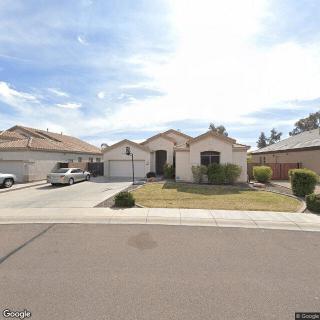
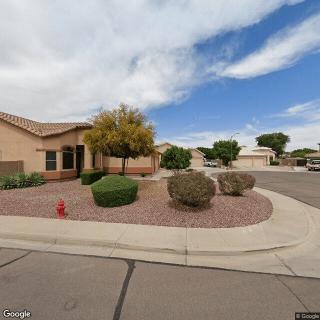
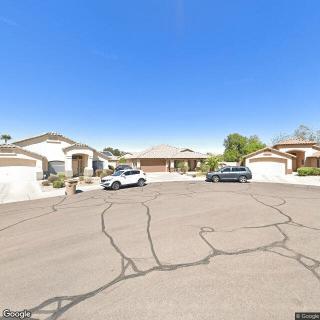
9326 West Louise Drive, Peoria, AZ 85383
For more information about senior living options: (866) 208-4318
Overall Review of Integrity Memory Care
Pros
 The care home is professional and elegant, offering a high level of care.
- Svetlana and her staff are described as well-qualified, kind, and professional.
- The care leads to improved health and quality of life for residents from day one.
- The home provides a loving experience in a great neighborhood with excellent care.
- Svetlana is regarded as a healer who personalizes care and fosters a sense of family.
- Families feel welcomed, supported, and included as part of the care team.
Review
Integrity Memory Care in Peoria, AZ is best suited for families seeking an intimate, elegant memory-care home where care feels neighborly, deeply personal, and purposefully oriented to improving quality of life. The reviews consistently highlight a small, professionally run residence led by Svetlana who combines qualifications, kindness, and hands-on leadership with a warm, family-like atmosphere. For residents whose memory care needs respond to consistent caregivers, meaningful social engagement, and a nurturing environment, this community offers a compelling, highly positive environment that translates into noticeable improvements in daily functioning and mood.
Those who might want to consider alternatives are families prioritizing a large campus with expansive medical programming, broad clinical specialties, or a more structured, hospital-like setting. If the decision hinges on access to a wide array of on-site medical services, formal dementia-specific protocols at scale, or a more expansive activity calendar with numerous therapists and specialists, a bigger memory-care operator or licensed nursing facility may be a better fit. Additionally, if budget considerations demand the most cost-effective option or if 24/7 on-site nursing is non-negotiable, the intimate home model may not align with those needs, even though the reviews do not flag cost issues.
The strongest pros here are palpable and deeply resonant. An elegant, professional, and well-run care home creates an environment where residents feel valued and secure. Svetlana’s leadership appears central to the experience: highly qualified, remarkably kind, and consistently present, she shapes daily routines, staff responses, and the overall tone of care. The outcomes cited in the testimonials, marked health improvements from day one, a sustained sense of “quality of life,” and appreciable healing, attach directly to that leadership and to the personal care residents receive. The ambiance of celebrations, family-like warmth, and a genuinely loving atmosphere reinforces the perception that this is more than custodial care; it is a setting designed to dignify aging and memory loss workably.
These strengths offset potential drawbacks inherent in any small-memory-care model. The intimate scale enables frequent, meaningful interactions with caregivers, rapid responsiveness, and continuity of relationships, factors strongly linked to stability for people with memory impairment. Families repeatedly hear about “quality of life” as a measurable outcome, which often offsets concerns about fewer on-site clinical resources, since the emphasis is on compassionate, attentive care and proactive engagement. The emotional and social benefits, celebrations, genuine warmth, and a sense of belonging, can offset the lack of a larger staff roster or a broader menu of specialized therapies typically found in bigger facilities.
Nonetheless, prudent decision-making requires acknowledging the trade-offs that come with a smaller, owner-led home. Prospective families should verify the level of medical oversight available on-site, the protocol for urgent needs, and how medical appointments, medications, and specialist referrals are coordinated. While the testimonials speak vividly to quality of life, those with loved ones who require intensive clinical management or access to a wider array of therapies may find the capacity of a single-family-operated setting limiting. This is not a fault of Integrity Memory Care; it is simply a structural reality of the model. In short, the care you get here is deeply personal and effective for memory-care gains, but it may not replace all the services one might find in a larger, multi-provider continuum.
For families actively evaluating options, concrete next steps are essential: tour the home with a focus on day-to-day routines, speak with current residents and families about consistency of care, ask for a written care plan that details cognitive activities, daily structure, and dietary considerations, and confirm staffing ratios across shifts. Inquiries about licensing, safety features, emergency procedures, and the process for physician involvement will ground expectations. The bottom line is clear: Integrity Memory Care is an excellent, high-trust option for those prioritizing individualized attention, a healing-focused environment, and a warm, family-like experience that translates into tangible quality-of-life improvements for memory-impaired loved ones.
Ultimately, this community stands out as a practical, trusted choice for families seeking dignity, depth of care, and meaningful daily life for residents with memory challenges. If those priorities match, Integrity Memory Care delivers exceptionally well and should rank highly in the decision process. If the need leans toward scale, breadth of medical services, or a broader continuum of care, alternatives deserve serious consideration, but the standout positives here make a compelling case for placement when the goal is a loving setting that truly advances quality of life.
 10 resident community capacity
 Memory Care
 Cable or satellite TV
 Dining room
 Fully furnished
 Garden
 Housekeeping services
 Move-in coordination
 Outdoor space
 Telephone
 Wi-Fi/high-speed internet available
 Phoenix Sky Harbor International (23 miles away)
 24-hour supervision
 Activities of daily living assistance
 Assistance with bathing
 Assistance with dressing
 Assistance with transfers
 Diabetes diet
 Hospice waiver
 Meal preparation and service
 Medication management
 Mental wellness program
 Special dietary restrictions
 Transportation arrangement (medical)
 Transportation to doctors appointments

 A Holistic Dementia Care Guide: Effective Strategies for Memory Support
 Memory Care Pathways: A Holistic Guide to Dementia Support
 Comprehending Evening Confusion in Dementia: Causes, Manifestations, and Support