


19728 N 79th Avenue, Glendale, AZ 85308
To contact a resident: (602) 527-3199
For more information about senior living options: (866) 208-4318
Horizon Assisted Living Costs & Pricing
Horizon Assisted Living offers competitive pricing for its services, with both private rooms and one-bedroom units available for $3,000 per month. This cost is remarkably lower than the average rates in Maricopa County, where similar accommodations typically start at approximately $3,318 for a private room and $3,473 for a one-bedroom unit. Additionally, when compared to state-wide averages in Arizona - $3,345 for a private room and $3,532 for a one-bedroom - the pricing at Horizon reflects not only affordability but also value. This makes Horizon Assisted Living an appealing choice for those seeking quality care without straining their budget in the current market.
| Floor plans | Horizon Assisted Living | Maricopa County | Arizona |
|---|---|---|---|
| Private | $3,000 | $3,318 | $3,345 |
| 1 Bedroom | $3,000 | $3,473 | $3,532 |
Memory care communities with a similar price nearby
-
About the same

Desert Garden Senior Living
$3,000 to $3,500 / month21.5 miles away -
from -$500 / mo
Anc Assisted Living Homes I
$2,500 to $3,500 / month13.4 miles away -
from -$300 / mo
Caring Hearts Senior Care
$2,700 to $3,500 / month9.5 miles away -
from -$500 / mo
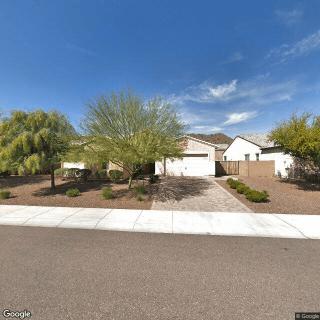
Northlands Assisted Living Home
$2,500 / month5.2 miles away -
from +$560 / mo

The Inn Assisted Living & Memory Care
$3,560 to $5,210 / month4.2 miles away
Overall Review of Horizon Assisted Living
Pros
 The staff are exceptional, caring professionals who provide personalized care every day.
 - Filip and Ana are described as caring from the heart for every resident.
- Horizon is regarded as a Triple A Plus home with loving care families can rely on.
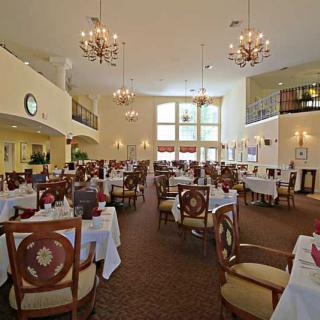
- The home is clean, bright, and home-like, with well-kept facilities and delicious meals.
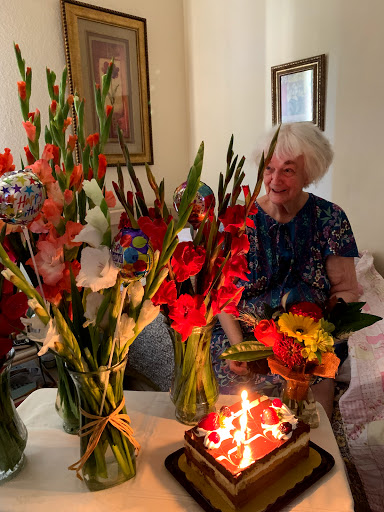
- The staff deliver one-on-one attention and help residents feel like family, fostering a strong sense of community.
- The owners bring in top activity directors and ensure residents are included in activities.
- The team is friendly, reliable, honest, and communicates well with families.
- Families report that Horizon makes difficult caregiving decisions easier due to its serene environment and supportive staff.
Review
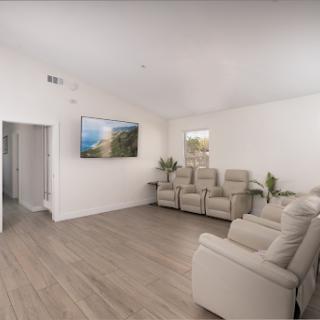
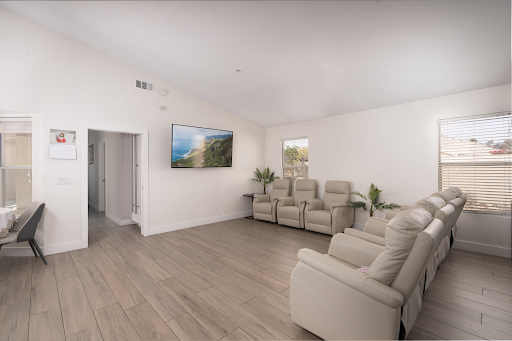
Horizon Assisted Living in Glendale is best suited for families seeking a tightly run, home-like setting where care is personal, consistent, and deeply attentive. It works especially well for seniors who prefer a small, quiet community and who value direct access to hands-on caregivers and owners who lead with compassion. The model suits individuals with memory challenges or end-of-life needs who benefit from stable routines, frequent interaction, and a sense of being treated more like family than a resident number. This is not a large campus; it is a true home environment where connections with staff and ownership feel enduring rather than transactional.
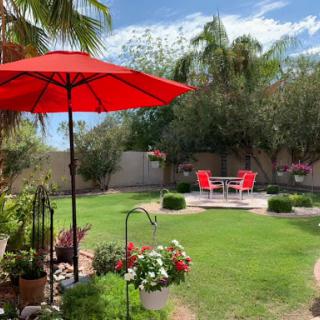
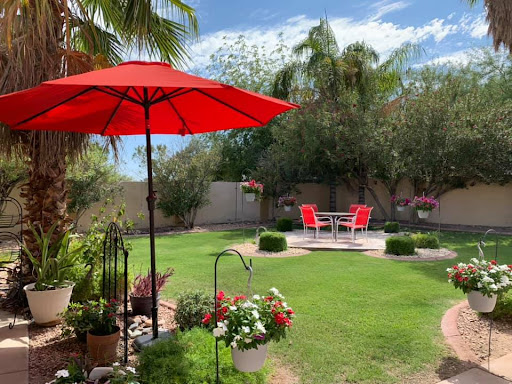
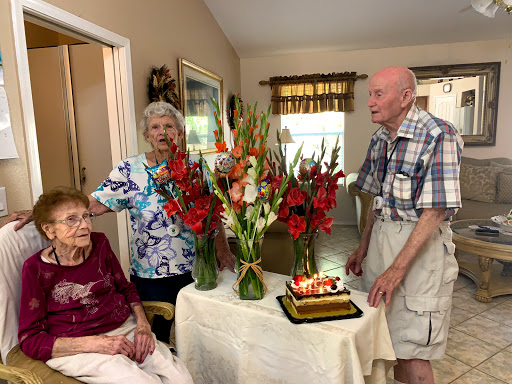
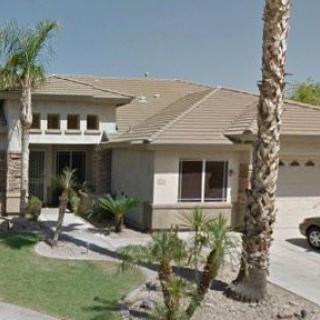
The core strengths revolve around people. The owners, Filip and Ana, and the caregiving team are repeatedly described as caring, knowledgeable, and genuinely invested in each resident’s well-being. Families report that staff members show up with warmth, patience, and professionalism every day, turning care into a relationship rather than a task. The home itself reinforces these strengths: clean, bright, and well-kept, with a garden and serene surroundings that feel calming rather than institutional. The setting enables personalized attention, with one-on-one interactions that make daily routines meaningful and predictable for residents.
Communication and family involvement emerge as standout pillars. The owners actively participate in daily activities and coordinate with specialists to tailor programming to individual needs. Families note easy, transparent communication and a collaborative approach during transitions, which translates into confidence that a loved one’s preferences and history are not overlooked. Meals are described as fresh and delicious, and the overall environment, homey rooms, straightforward layouts, and a sense of community, supports residents’ sense of belonging. For many families, the combination of compassionate care and easy accessibility to leadership provides unprecedented reassurance.
Explicit trade-offs are worth considering. This model is best for those who do not require the breadth of services found in larger, institution-like facilities. If a family prioritizes a broader medical staff on site, more extensive dementia-specific programming, or a more bustling social scene, alternative communities with bigger campuses may offer those resources more readily. The small scale may feel limiting to some, particularly if health needs shift suddenly or if access to a wide array of on-site specialists is essential. It is wise to weigh whether the intimate, home-based approach aligns with anticipated care trajectories.
Yet the advantages in Horizon’s design often exceed these potential constraints. The intimate staff–resident ratio, continuity of caregivers, and a consistently warm culture produce reliability and reassurance that larger facilities sometimes struggle to match. A resident’s day stays anchored in familiar rhythms, reducing confusion and anxiety for seniors with cognitive or sensory challenges. The emphasis on family engagement and straight talk with caregivers minimizes stress for loved ones, while the high level of personal attention tends to yield noticeably higher satisfaction among residents who thrive on individualized routines and meaningful interactions. In practical terms, this translates into clearer care plans, fewer care gaps, and deeper trust in the people responsible for daily safety and comfort.
In sum, Horizon Assisted Living represents a pragmatic, high-value option for families who want heartfelt, individualized care in a cozy, home-like setting. Prospective residents should schedule a candid conversation with Filip, Ana, and the caregiving team to drill into dementia care expectations, daily schedules, and emergency contingencies. Inquire about staffing ratios, training in memory care, and how transitions are managed as health needs evolve. For those prioritizing warmth, continuity, and a sense of family partnership, Horizon stands out as a top Glendale choice. Families seeking a larger community, broader medical resources, or a more expansive social calendar may wish to explore alternatives, but for truly attentive, compassionate care delivered with heart, Horizon earns strong consideration.
 Board and Care Home
 Memory Care
 Private
 Phoenix Sky Harbor International (20 miles away)
 Diabetic care
 Incontinence care

 Understanding the Distinctions: Assisted Living and Memory Care Explained
 How to Communicate with a Loved One Living with Dementia: 10 Supportive Strategies
 Comprehensive Guide to VA Nursing Homes: A Crucial Long-Term Care Resource for Veterans