
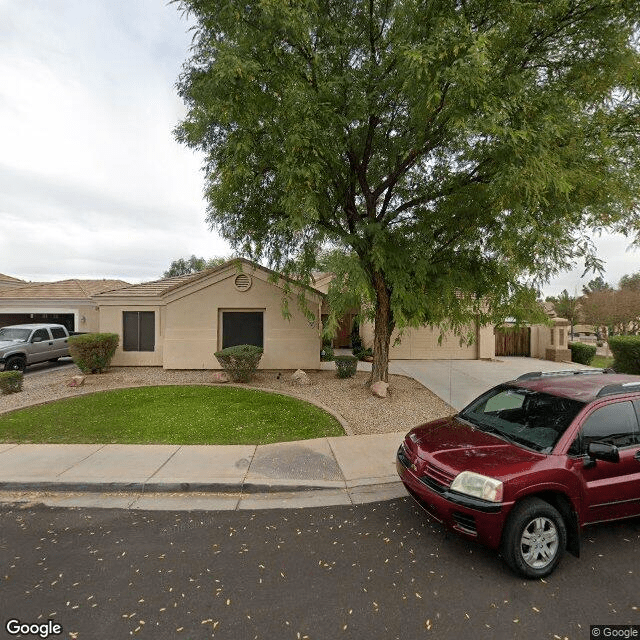
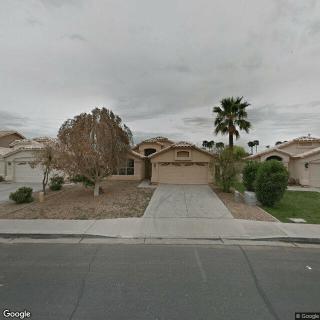
885 N. Los Gatos Lane, Gilbert, AZ 85234
To contact a resident: (480) 832-8032
For more information about senior living options: (866) 208-4318
Higley House Costs & Pricing
At Higley House, the monthly costs for various room types present a compelling value when compared to both Maricopa County and the broader state of Arizona. The semi-private room is priced at $2,500, significantly lower than the county average of $2,801 and the state average of $2,820. For those seeking more privacy, the cost for a private room stands at $3,500, which is competitive against Maricopa County's average of $3,318 and Arizona's average of $3,345. Similarly, one-bedroom accommodations are also available at $3,500 at Higley House, again undercutting the county average of $3,473 and the state benchmark of $3,532. These pricing advantages not only reflect a commitment to affordability but also underscore Higley House as an appealing option for prospective residents looking for quality housing in a supportive environment.
| Floor plans | Higley House | Maricopa County | Arizona |
|---|---|---|---|
| Semi-Private | $2,500 | $2,801 | $2,820 |
| Private | $3,500 | $3,318 | $3,345 |
| 1 Bedroom | $3,500 | $3,473 | $3,532 |
Memory care communities with a similar price nearby
-
About the same

La Bella Vita ALH
$2,500 to $7,000 / month3.3 miles away -
from -$100 / mo
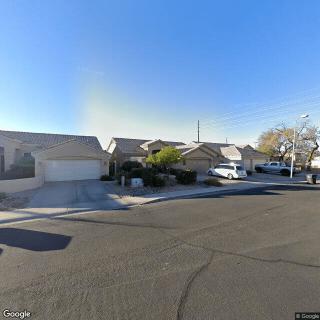
Golden Touch One Adult Care Home
$2,400 to $5,800 / month6.3 miles away -
from -$245 / mo

Windsor Luxury Assisted Living, LLC
$2,255 to $5,950 / month18.1 miles away -
from -$275 / mo
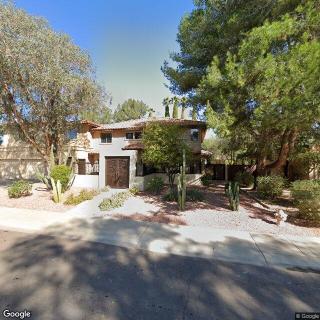
Harts Home - Exceptional Elder Care
$2,225 to $5,500 / month17.9 miles away -
from -$300 / mo

Desert Springs Communites
$2,200 to $2,500 / month6.3 miles away
Overall Review of Higley House
Pros
 The mother is thriving at the new residential home.
- She is eating well and has put on weight.
- She sleeps through the night.
- She is rarely incontinent, only at night.
- The staff say she is a joy to have around.
- The staff at the new place are kind, compassionate, patient, and attentive.
- The facility is perceived as putting people above profits, bringing peace of mind and less stress to the family.
Cons
 The reviewer describes Higley House as not a caring home.
- The staff are said to do the bare minimum and tell residents that “it’s not my job” when help is requested.
- There are no organized activities, and the facility is perceived as poorly maintained.
- The home is portrayed as understaffed, with staff appearing stressed, hurried, and overworked.
- The facility shows neglect and a lack of overall cleanliness, including bathrooms.
- Care is viewed as driven by profit rather than patient welfare.
- The contract terms about notice to leave and refunds are criticized as confusing and punitive.
- Visiting is by appointment only, which is flagged as a red flag.
- The reviewer advises others not to consider Higley House for their loved ones.
Review
Higley House in Gilbert appears best suited for families that can supervise care personally, demand strict accountability, and tolerate a rough-operating environment in exchange for lower upfront costs. The reality echoed across reviews is that this community struggles with consistent staffing, reliable attention to basic hygiene, and transparent governance. It will likely work only for those who are prepared to step in frequently, document care needs meticulously, and be ready to move a loved one out at the first sign of neglect or sudden change in condition. For seniors who require steady hands-on bathing, toileting assistance, and ongoing behavioral or medical oversight, Higley House is not a dependable fit.
Those who should consider alternatives include families with residents who have significant incontinence management needs, cognitive impairment, or medical complexities that demand daily monitoring and prompt, compassionate intervention. The recurring themes point to a facility where staff may be overwhelmed, overworked, or disengaged, and where families must anticipate gaps in care, inconsistent routines, and delayed responses to requests. Prospective residents who prioritize safety, predictable schedules, engaging activities, and transparent, fair billing should look elsewhere. The overall climate in these accounts suggests a high risk of disappointment for anyone seeking a stable, resident-centered home.
The few purported advantages, if any, do not meaningfully offset the dominant downsides. Some reviewers noted that initial tours suggested a higher staffing presence, and one night-shift worker was described as doing a decent cleaning job before departure. However, these glimpses fail to balance the broader pattern: residents left unattended, hygiene lapses, and abrupt changes in condition without timely intervention. The primary operating reality appears to be a focus on profits over person-centered care, a tone reinforced by rigid contract terms and aggressive refund policies that punish families for navigating misalignment between promises and experience.
Concrete case details underscore the risk. A resident’s decline within weeks of admission, followed by severe infections and behavioral symptoms, coincided with reports of isolation and a lack of hands-on care. Weight loss, sleep disruption, and incontinence issues without timely assistance paint a troubling picture of neglect. In contrast, families later describing successful placement in other homes emphasize the contrast between Higley House and facilities that provide steady meals, reliable toileting assistance, and attentive staff. These divergent outcomes illustrate that any potential upside from staffing claims is overshadowed by persistent gaps in basic care and accountability.
Financial and contractual friction compounds the risk. Several reviews recount disputes over notice periods and refunds, with families accused of owing for extended durations despite moving out earlier or under stress. The recurring warnings to scrutinize every contract clause, document care requests, and expect resistance to clear billing questions signal an environment where families must police the operation rather than rely on it to self-regulate. Visiting policies, perceived emphasis on money over residents, and a lack of proactive communication about what will be delivered further diminish confidence in Higley House as a stable, long-term home.
For families evaluating options, Higley House warrants a cautious, evidence-driven approach. Prioritize facilities with transparent, straightforward contracts and predictable refund terms; demand concrete staffing ratios, daily care routines, and robust activity calendars; verify that aides and nurses respond promptly to care requests; and insist on clean, well-maintained environments with clear accountability. If choosing Higley House, prepare for a rigorous oversight plan, require a signed commitment to timely care delivery, and set up a defined exit strategy with protections that prevent punitive charges. In most cases, those seeking consistent, compassionate elder care will find better alignment elsewhere.
 1-bedroom apartments
 Board and Care Home
 Memory Care
 Private
 Phoenix Sky Harbor International (17 miles away)
 Diabetic care
 High acuity care
 Incontinence care
 Medication management





 When to Transition from Assisted Living to Memory Care: Key Indicators, Steps, and Finding the Right Community
 Understanding the Distinctions: Assisted Living and Memory Care Explained
 How to Communicate with a Loved One Living with Dementia: 10 Supportive Strategies