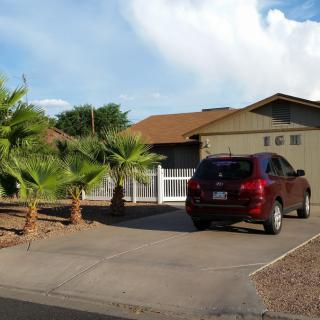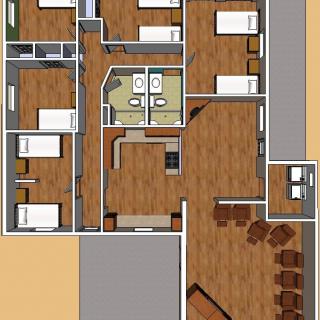
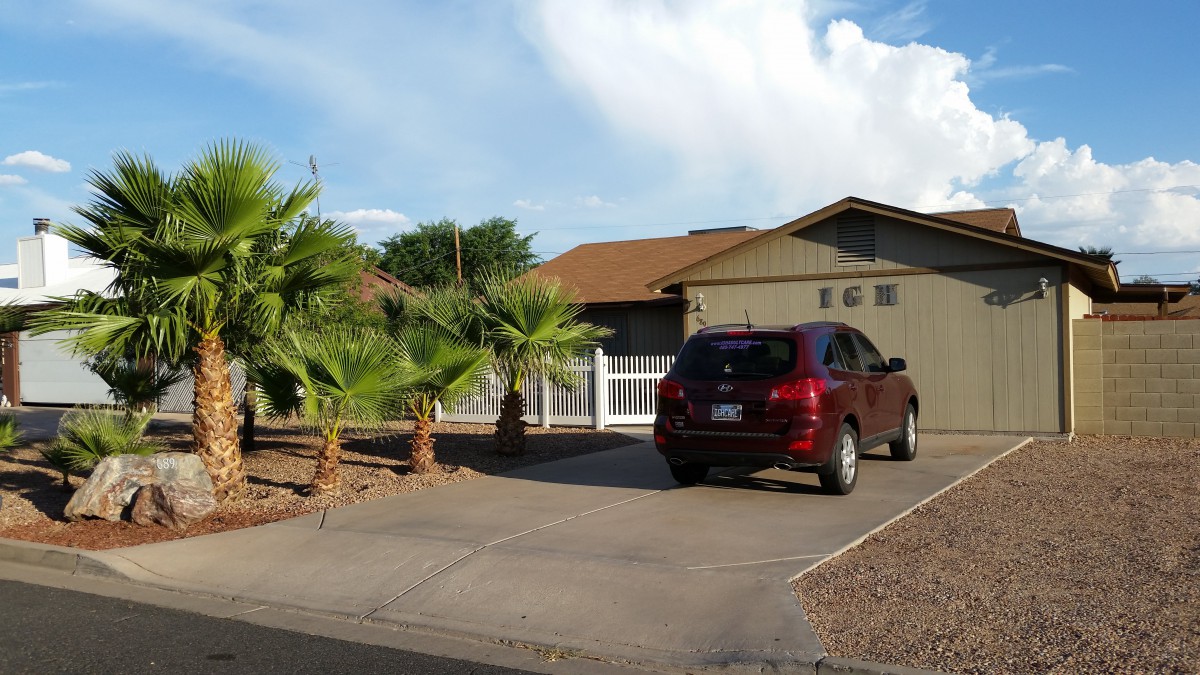
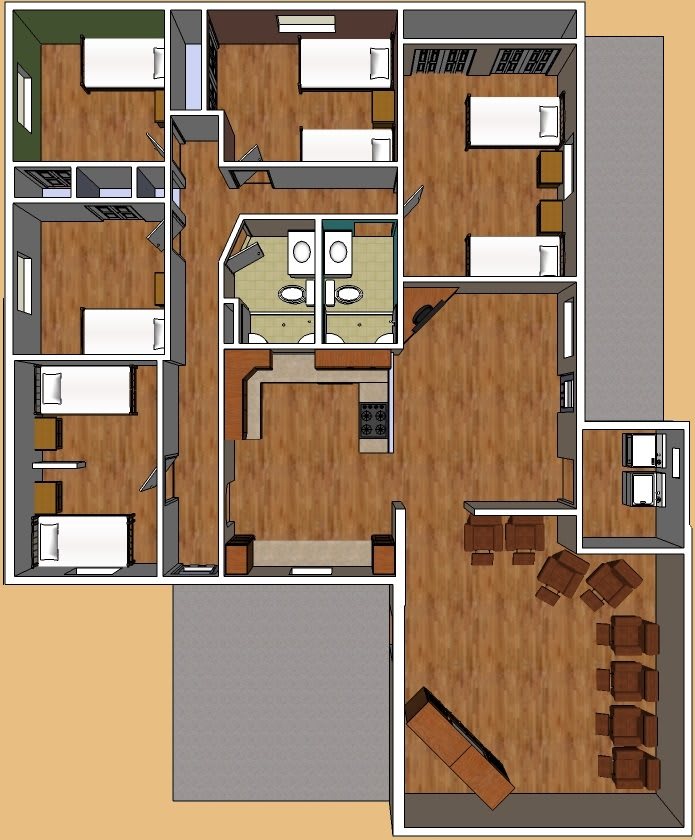
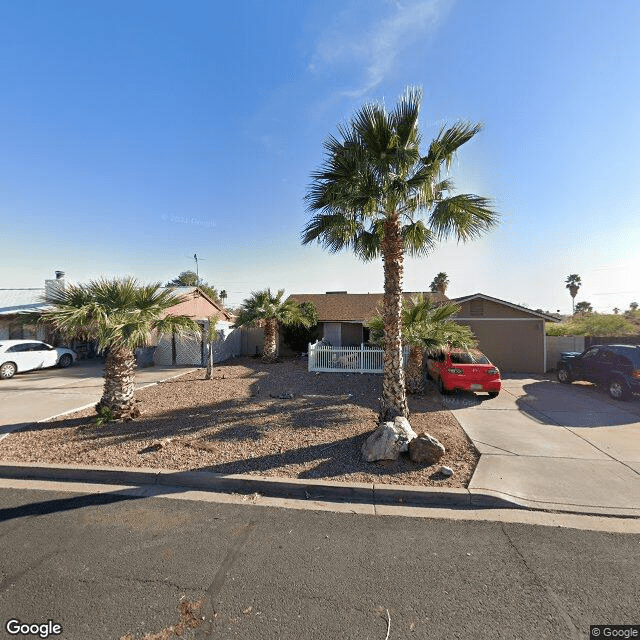
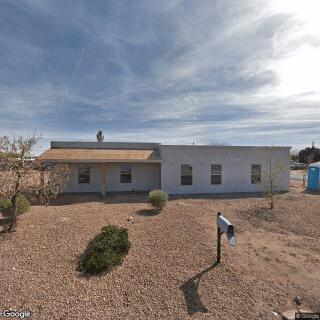
689 E. Hondo Ave, Apache Junction, AZ 85119
To contact a resident: (480) 671-5830
For more information about senior living options: (866) 208-4318
IGH Adult Care Costs & Pricing
IGH Adult Care offers competitive pricing for its services when compared to both Pinal County and the broader state of Arizona. For a semi-private room, IGH Adult Care charges $2,900 per month, slightly above the county average of $2,798 and the state average of $2,820. In contrast, their private rooms are priced at $3,400 monthly, which also surpasses the county's rate of $3,209 but remains within reach of the state's average of $3,345. These costs reflect IGH Adult Care's commitment to providing quality care while still aligning closely with regional pricing standards.
| Floor plans | IGH Adult Care | Pinal County | Arizona |
|---|---|---|---|
| Semi-Private | $2,900 | $2,798 | $2,820 |
| Private | $3,400 | $3,209 | $3,345 |
Memory care communities with a similar price nearby
-
from -$400 / mo
La Bella Vita ALH
$2,500 to $7,000 / month7.6 miles away -
from -$500 / mo
Golden Touch One Adult Care Home
$2,400 to $5,800 / month16.8 miles away -
from +$100 / mo
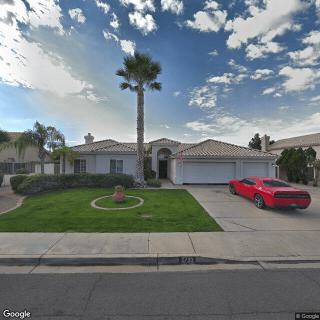
Desert Winds I
$3,000 to $3,800 / month14.2 miles away -
from +$100 / mo
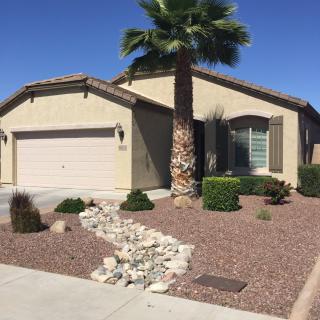
Altercare Assisted Living Home
$3,000 to $3,500 / month6.1 miles away -
from -$400 / mo
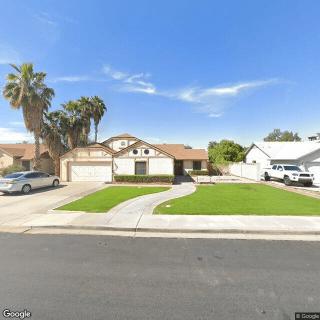
Villa Jean
$2,500 to $3,000 / month18.4 miles away
Overall Review of IGH Adult Care
Pros
 They provide the best care ever for their residents.
- They are God’s angels who take care of those in their care.
- The care at IGH is exceptional and highly valued.
- They do a great job of caring for their residents.
- The staff’s work is impressive and dedicated.
- They are a positive presence in the Apache Junction Community.
Review
IGH Adult Care in Apache Junction is best suited for families seeking deeply personal, compassionate care delivered in a small, homelike setting. The care model shown in the reviews centers on individualized attention, with residents treated as people first and caregivers forming close, familiar routines. The sentiment from relatives who found IGH after experiences at larger facilities is striking: care that feels intimate, attentive, and genuinely comforting. The presence of a values-driven, almost familial atmosphere is reinforced by a local hospice partner that speaks highly of the team, signaling a stable, team-based approach to daily caregiving. For families prioritizing warmth, accessibility, and steady, hands-on oversight, IGH stands out as a principled fit.
Those who may want to consider alternatives are the ones whose priorities include robust medical infrastructure, expansive campus amenities, or highly specialized memory-care programming. The reviews illuminate a small-group home environment and strong caregiver engagement, which may not align with expectations for high-volume dining options, maximize-amenities experiences, or on-site medical departments found in larger communities. If 24/7 on-site physicians, broad recreational programs, or more intensive clinical supervision are non-negotiable, other options with larger footprints should be explored. Pricing transparency and immediate availability are also factors that merit independent verification, given that the remarks do not address them directly.
Among the clearest pros is the demonstrated quality of care. Residents appear to receive attentive, hands-on supervision from staff who work closely with hospice partners, yielding a continuity of care that families value highly. A staff member from East Valley Hospice describes IGH as performing at a high level, impressed by how the team operates in the group-home setting and committed to the Apache Junction community. That coordination with professional hospice teams translates into regular, appropriate clinical support and fewer gaps in day-to-day management. The “In God’s Hand” branding also suggests a philosophy that emphasizes dignity, compassion, and mission-driven service, which resonates with families seeking meaning and reassurance for their loved ones.
Direct evidence of broader cons is sparse in the available remarks, which speaks to a consistently positive impression. Nevertheless, no set of reviews can fully substitute for a due-diligence check. Potential gaps to verify include the range of services offered within the small-house format, the level of on-site medical oversight, and how flexible staffing remains during high-demand periods. While the accounts celebrate extraordinary care, families should still confirm alignment on budget, what’s included in monthly rates, and how care plans adapt to evolving needs, especially if medical complexity increases or if respite care is considered.
The strongest offset to the potential downsides lies in the core strengths: intimate, relationship-driven caregiving and strong hospice collaboration that keeps medical and emotional support tightly integrated. The small-group home model enables caregivers to know residents personally, respond quickly, and tailor routines to individual preferences, an effect that often yields greater peace of mind for families during transitions from hospital or long-term care environments. When care is grounded in a local community understanding and reinforced by professional partners, the practical benefits, reliability, personal attention, and clear lines of communication, often outweigh the absence of expansive amenities or large, on-site medical teams.
For families evaluating options, practical next steps are clear. Schedule a direct visit to observe daily life, meet frontline caregivers, and hear from the administrator about staffing ratios and the care-planning process. Ask to review sample care plans, emergency procedures, and how transitions from hospital or hospice care are managed. Clarify pricing, what is included in monthly fees, and whether services can scale with changing needs. Ensure alignment with any spiritual or cultural preferences that may matter to the resident, since the brand and team signal a philosophy that emphasizes dignity and personal respect. In sum, IGH Adult Care represents a deliberate, principled choice for those who prize intimate, compassionate care delivered with professional rigor; it may be less suited for families needing large-scale facilities, but for most seeking a trusted, neighborly atmosphere in Apache Junction, the match is compelling.
 Board and Care Home
 Memory Care
 Activities on-site
 Devotional services on-site
 Indoor common areas
 Outdoor common areas
 Private
 Respite or short term stays offered
 Wheelchair accessible showers
 Diabetic care
 High acuity care
 Incontinence care
 Medication management
 Meals provided


 Memory Care Pathways: A Holistic Guide to Dementia Support
 Comprehending Evening Confusion in Dementia: Causes, Manifestations, and Support
 Delirium and Dementia: Unraveling the Key Differences