Kopper Crest Manor On Royal Palm

1329 South Royal Palm, Apache Junction, AZ 85220

For more information about senior living options: (844) 490-3973

3.7 from 3 reviews
5 stars
2
4 stars
0
3 stars
0
2 stars
0
1 stars
1

Assisted Living Board and Care Home Respite Care

Overall Review of Kopper Crest Manor On Royal Palm

Pros

  • pro The facility is described as providing a very warm environment.
  • pro Visitors feel like family when they are there.
  • pro The management is described as being among the best in the field of nursing.

Cons

  • pro The facility did not know how to deal with dementia.
  • pro The staff grabbed the phone away to correct her, despite her dementia.
  • pro Management constantly badgered relatives about money they believed they owed.
  • pro They collected the relative's debit card, claimed to have lost it, and tried to reopen another account.
  • pro The facility administered psychotropic drugs for ailments she didn't have and never gave her dementia medication.
  • pro The staff seemed to drug her to avoid dealing with her.
  • pro They overcharged for drugs, charging three times more than necessary.
  • pro Their online ads contradicted themselves about memory care.
  • pro Management could not summarize what memory care included and appeared frustrated.
  • pro The reviewer warned others not to place loved ones there, claiming the care could lead to premature death.

Review

A troubling account emerges from a family's experience with a memory care facility in Apache Junction, touching on questions about how their loved one was cared for and how the facility was managed. The narrative describes a pattern of concerns that spanned the last years, with a particular emphasis on events from late summer 2020. The family member in question had entered the facility with the expectation that memory care training and specialized support would be in place, and there is a strong sense from the writer that the management may have changed in ways that affected the quality of care. The tone throughout is one of disappointment and alarm, built on a sequence of incidents that the reviewer interprets as evidence of insufficient preparation for dementia care and a lack of consistent, compassionate treatment.

The most jarring episode centers on a beloved family member who suffers from dementia and wandered away from home in late summer 2020. Her son, who had cared for her faithfully for two decades, dropped everything to search for her. The situation escalated when authorities, including Superior police, became involved and perceived the son's actions as neglectful or abusive, despite the son's long history of loving care and his genuine concern for his mother. In a dramatic turn, the patient was charged in relation to the incident even though she had no injuries, and testimony from the family and the patient herself suggested she was simply overwhelmed by dementia. The review emphasizes how the authorities' account differed from what the family understood had happened, and it casts doubt on whether the police and the system afforded the caretaker a fair chance to explain the context.

A core thread in the account is doubt about the facility's memory care capabilities. The author claims the staff showed little understanding of dementia and its effects, and there are specific accusations that the facility attempted to correct the patient when she spoke, rather than listening or validating what she was experiencing. The reviewer describes private conversations with the patient that were cut off or corrected by staff, suggesting the patient's statements were not treated as legitimate expressions of her condition. This impression of dismissiveness toward the patient's experiences and concerns runs parallel to broader questions about what memory care actually consisted of at the facility, given inconsistent messages in online advertising and a staff's inability to clearly articulate what was included in memory care services.

Financial improprieties and concerns about the handling of the patient's belongings and finances also feature prominently. The reviewer recounts an incident in which a debit card belonging to the patient was taken by the facility, and when the family attempted to retrieve it, staff claimed the card had been lost. Police were involved, and while they admitted the card was not recovered, there is a troubling implication that the facility then tried to reopen a new account using the same card. This sequence is presented as evidence of a broader pattern of financial mismanagement or at least a lack of accountability around the patient's resources, contributing to an atmosphere of mistrust and fear.

The patient's death after only two months in the facility is described with particular indignation and sorrow. The reviewer alleges that the patient was given psychotropic medications for ailments she did not have and, crucially, was not given her dementia medications as indicated in her records. There is a disturbing claim that she appeared drugged or sedated, which the family interpreted as a deliberate measure to make her easier to manage. A subsequent visit by the son uncovered a stark contrast to the person he had previously seen: she was found in a corner of the room, mumbling incoherently in a trance-like state. The account also questions whether diabetes management was properly handled, including how insulin was administered and whether she was awakened or fed at appropriate times.

Medication and medical care emerge as another area of grave concern. The reviewer notes that the facility charged three times more for drugs than expected and lists medications that the patient reportedly did not need. The tension between the patient's real medical needs and the treatment she received is framed as a broader pattern of care that did not align with the patient's condition and requirements. This theme ties into the broader sense that the facility struggled to meet the nuanced demands of dementia care, particularly around appropriate pharmacological strategies and timely, attentive nursing.

There is a parallel thread about inconsistent marketing and a lack of clear, reliable information about what the facility actually offered. The reviewer cites online ads that sometimes say the facility does not offer memory care, and other times suggest that memory care is available. When the family sought clarification from management about what memory care included, the question was met with frustration and an inability to provide a coherent summary. The tension between marketing messages and on-the-ground realities further undermines trust in how the facility communicates about its services.

Taken together, the account paints a picture of a facility that felt warmly welcoming at times - an impression captured in the closing note that, when you're there, you feel like family and you're cared for by someone who is "one of the best in the field of nursing." Yet this warmth coexists with a cascade of troubling experiences: serious concerns about how dementia was managed, claims of staff miscommunication and patronizing corrections, questions about the treatment of medications and diabetes care, and a troubling encounter with the legal and financial handling of a patient's affairs. The review ends with a strong warning not to place a loved one in this facility, urging others to consider the potential risks and to probe deeply into the quality and consistency of care before making a decision, even as it acknowledges that there were moments of perceived warmth and familial feeling within the environment.

Features

Housing

  • 10 resident community capacity 10 resident community capacity

Types of Care

  • Assisted Living Assisted LivingAssisted living facilities provide crucial support and care for seniors who may need help with daily tasks such as medication management, bathing, and meal preparation. These communities offer a safe and comfortable environment where seniors can maintain their independence while receiving the assistance they need to thrive in their golden years.
  • Board and Care Home Board and Care HomeBoard and care homes provide a smaller, more intimate setting for seniors who require assistance with daily tasks but do not need the level of care offered by a nursing home. They offer personalized care, meals, and social activities in a homelike environment, ensuring that seniors receive individualized attention and support in their golden years.
  • Respite Care Respite CareRespite care provides temporary relief for caregivers, allowing them to recharge and attend to their own needs. It also gives seniors the opportunity to socialize, receive professional care, and experience a change of scenery, promoting overall well-being and reducing feelings of isolation.

Amenities

  • Cable or satellite TV Cable or satellite TVCable or satellite TV is important for seniors because it provides entertainment, news, and companionship, helping to combat loneliness and boredom. It also offers a wide range of programming options tailored to different interests and preferences.
  • Dining room Dining roomDining rooms are important for seniors as they provide a space for socialization, connection, and nutritious meals. They offer opportunities for residents to bond over shared meals, foster a sense of community, and promote healthy eating habits. Dining rooms also ensure that seniors have access to well-balanced meals tailored to their dietary needs and preferences.
  • Fully furnished Fully furnishedFully furnished senior living communities are important for seniors because they provide convenience, comfort, and a hassle-free moving experience. Seniors can easily settle into their new living space without the stress of having to buy and move furniture. This allows them to focus on enjoying their new home and community.
  • Garden GardenGardens are important for seniors as they provide a peaceful and therapeutic environment for relaxation, physical activity, and socialization. Being in nature has been shown to reduce stress, improve mood, and promote overall well-being. Gardens also offer opportunities for seniors to engage in gardening activities, which can improve mobility, flexibility, and cognitive function. Additionally, gardens create a sense of community and connection with others who share a passion for plants and outdoor spaces.
  • Housekeeping services Housekeeping servicesHousekeeping services are important for seniors because they help maintain a clean and safe living environment, promote independence, and reduce the risk of accidents or illnesses. Additionally, having assistance with household chores can alleviate physical strain and allow seniors to focus on other aspects of their well-being.
  • Move-in coordination Move-in coordinationMove-in coordination is important for seniors because it helps ease the transition into their new living environment. It ensures that all logistics, such as packing, organizing movers, and setting up utilities are taken care of, allowing seniors to focus on settling in and adjusting to their new home. Having a smooth move-in process can alleviate stress and anxiety, making the transition smoother and more enjoyable for seniors.
  • Outdoor space Outdoor spaceOutdoor spaces are important for seniors as they provide opportunities for physical activity, social interaction, exposure to natural light and fresh air, and a sense of connection to nature. Having access to outdoor spaces can improve overall well-being and quality of life for older adults living in senior communities.
  • Telephone TelephoneTelephones are important for seniors as they provide a lifeline for communication with loved ones, emergency services, and healthcare providers. They offer a sense of security and independence, enabling seniors to stay connected and access assistance when needed.
  • Wi-Fi/high-speed internet available Wi-Fi/high-speed internet availableWi-Fi/high-speed internet is important for seniors to stay connected with loved ones, access online resources, and participate in virtual activities to combat feelings of loneliness and isolation. It also allows them to easily manage healthcare needs, access entertainment, and engage in lifelong learning opportunities.

Care Services

  • 24-hour supervision 24-hour supervision24-hour supervision is important for seniors to ensure their safety, well-being, and access to immediate assistance in case of emergencies or health issues. This constant support provides peace of mind for both seniors and their loved ones, allowing them to age in place with dignity and security.
  • Activities of daily living assistance Activities of daily living assistanceActivities of daily living assistance are important for seniors because they provide essential support with tasks such as eating, bathing, dressing, and mobility. This assistance helps seniors maintain their independence, dignity, and overall quality of life as they age.
  • Assistance with bathing Assistance with bathingAssistance with bathing is crucial for seniors as it helps maintain personal hygiene, prevents infections, and ensures their overall well-being and comfort. It also provides a sense of dignity and independence for seniors who may struggle with this task on their own.
  • Assistance with dressing Assistance with dressingAssistance with dressing is important for seniors because it helps maintain their independence, promotes personal hygiene, prevents accidents and injuries, and improves overall quality of life. This service ensures that seniors can continue to dress comfortably and confidently, despite any physical limitations they may have.
  • Assistance with transfers Assistance with transfersAssistance with transfers is crucial for seniors as it helps prevent falls and injuries, maintains their independence, and ensures they can safely navigate their living environment. It also provides peace of mind for both seniors and their loved ones.
  • Coordination with health care providers Coordination with health care providersCoordination with health care providers is crucial for seniors to ensure proper medical care, medication management, and overall well-being. This collaboration helps prevent overlapping treatments, track progress more effectively, and provide comprehensive support tailored to individual needs.
  • Diabetes diet Diabetes dietA diabetes diet is crucial for seniors as it helps manage blood sugar levels, reduce risks of complications, and improve overall health and well-being. By following a balanced and nutritious diet tailored to their specific needs, seniors can better control their diabetes and enhance their quality of life.
  • Meal preparation and service Meal preparation and serviceMeal preparation and service are crucial for seniors as they may have limited mobility or energy to cook nutritious meals. Having access to healthy and convenient food options can ensure they are getting the proper nutrition needed to maintain their overall health and well-being.
  • Medication management Medication managementMedication management is crucial for seniors to ensure they are taking the right medications at the correct dosages and times. This helps prevent adverse drug interactions, reduces the risk of medication errors, and promotes overall health and well-being. Proactive management also allows for adjustments as needed based on changing health conditions or new prescriptions.
  • Special dietary restrictions Special dietary restrictionsSpecial dietary restrictions are important for seniors because age-related changes in metabolism and health conditions can make it difficult for their bodies to process certain foods. By following a diet tailored to their specific needs, seniors can maintain their overall health and well-being, manage chronic conditions, and reduce the risk of complications such as malnutrition or food interactions with medications.
  • Transportation arrangement (medical) Transportation arrangement (medical)Transportation arrangements for medical purposes are essential for seniors as they may have difficulty driving themselves to appointments or accessing public transportation. Having reliable and safe transportation options ensures that seniors can receive timely medical care and maintain their health and well-being.
  • Transportation to doctors appointments Transportation to doctors appointmentsTransportation to doctors' appointments is crucial for seniors as it ensures they have access to necessary medical care and support for their health needs. Without reliable transportation, seniors may struggle to attend important appointments, leading to potential delays in treatment and health complications. Providing transportation services helps seniors maintain their overall well-being and quality of life.

Dining

  • Diabetes diet Diabetes dietA diabetes diet is crucial for seniors as it helps manage blood sugar levels, reduce risks of complications, and improve overall health and well-being. By following a balanced and nutritious diet tailored to their specific needs, seniors can better control their diabetes and enhance their quality of life.
  • Special dietary restrictions Special dietary restrictionsSpecial dietary restrictions are important for seniors because age-related changes in metabolism and health conditions can make it difficult for their bodies to process certain foods. By following a diet tailored to their specific needs, seniors can maintain their overall health and well-being, manage chronic conditions, and reduce the risk of complications such as malnutrition or food interactions with medications.

Activities

  • Community-sponsored activities Community-sponsored activitiesCommunity-sponsored activities are important for seniors as they provide opportunities for social interaction, mental stimulation, and physical activity. These activities can help improve overall well-being, combat loneliness and isolation, and promote a sense of belonging and purpose among older adults.
  • Scheduled daily activities Scheduled daily activitiesScheduled daily activities are important for seniors because they provide structure, socialization, mental stimulation, and physical activity. Engaging in regular activities can improve overall well-being and quality of life for seniors living in a community setting.

Description

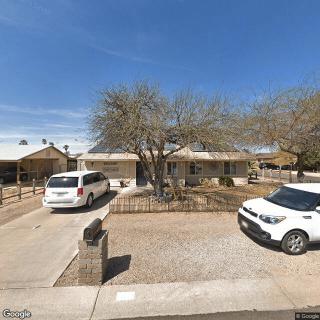
Kopper Crest Manor on Royal Palm in Apache Junction, AZ is a board and care home that offers respite care services. This assisted living community provides a comfortable and welcoming environment for seniors in need of assistance with daily living activities.

Residents at Kopper Crest Manor can enjoy the convenience of a fully furnished living space, as well as access to amenities such as a dining room, garden, and outdoor space. Housekeeping services are provided to ensure that the common areas and individual living spaces are kept clean and tidy.

The staff at Kopper Crest Manor are trained to provide assistance with various activities of daily living, including bathing, dressing, and transfers. They also work closely with healthcare providers to coordinate medical care for residents. Special dietary restrictions, including diabetes diets, can be accommodated during meal preparation and service.

Transportation arrangements are available for medical appointments to ensure that residents have easy access to necessary healthcare services. In addition, there are nearby pharmacies, physicians' offices, restaurants, parks, cafes, places of worship, and theaters for residents to explore and enjoy.

At Kopper Crest Manor on Royal Palm, residents can participate in scheduled daily activities designed to promote social interaction and engagement within the community. With its range of care services and amenities available, this assisted living community strives to provide a comfortable and supportive environment for seniors in Apache Junction.

Nearby Places of Interest

Physicians

  • Hatfield Medical Group (0.9 miles)
  • Stripes Primary Care-a (1.5 miles)
  • Dr Abedi's Family & Cosmetic Dentistry (1.5 miles)
  • Marc Community Resources (3.4 miles)
  • ENT Specialists of Arizona, PC (4.2 miles)
  • Santan Cardio Vascular (5.8 miles)
  • Family First Vision Care - EastMark (6 miles)

Pharmacies

  • Genoa-Qol Healthcare Co. (1.4 miles)
  • Walgreens (1.7 miles)
  • Walgreens (2.6 miles)
  • Walgreens (4 miles)
  • Walgreens (4.5 miles)
  • Bashas' Pharmacy (5.1 miles)
  • CVS Pharmacy (5.4 miles)

Cafes

  • McDonald’s (3.6 miles)
  • The Human Bean (8.5 miles)
  • Over Easy (8.9 miles)
  • Starbucks (10.6 miles)
  • Starbucks (10.7 miles)
  • Dutch Bros Coffee (11.5 miles)

Theaters

  • AMC Superstition East 12 (3.8 miles)
  • Superstition Springs 25 (8.3 miles)

Restaurants

  • Rubio's Coastal Grill (3.9 miles)
  • Sonic Drive-In (4.4 miles)
  • Someburros (4.6 miles)
  • Fat Willy's (5 miles)
  • Lin's Grand Buffet (5.5 miles)
  • What the Hell Bar & Grill (7.8 miles)
  • Carrabba's Italian Grill (8.2 miles)

Parks

  • Skyline Park (4.3 miles)
  • Eastmark Great Park (7.2 miles)
  • Blue Point Picnic Area (10.5 miles)
  • Desert Sky Park (10.8 miles)
  • Ashley Heights Park (11 miles)
  • Bridge Park In Castlegate Community (11.1 miles)

Places of Worship

  • Church of Jesus Christ of Latter Day Saints (4.7 miles)

Transportation

  • General Aviation Center (10 miles)
  • Phoenix-Mesa Gateway Airport (AZA) (10.1 miles)
  • Falcon Field Airport (MSC) (11.5 miles)

Frequently Asked Questions

Where is Kopper Crest Manor On Royal Palm?

Nearby Communities

Related Resources

  • is assisted living tax deductibleIs Assisted Living Deductible on Your Taxes? Understanding the Complexities of Assisted Living Expenses and Deductions

    The deductibility of assisted living expenses on taxes hinges on factors like the individual's medical condition and service nature, typically requiring the resident to be "chronically ill" per IRS definitions. Taxpayers may deduct eligible medical expenses related to personal care services but generally not rent unless primarily for medical care, and they should maintain thorough documentation to support claims while considering itemizing versus standard deductions.

  • va benefits for assisted livingAssisted Living Support for Veterans: A Complete and Detailed Overview

    The guide highlights the importance of assisted living facilities for aging veterans needing daily support, discusses unique challenges they face, and outlines available financial assistance from the VA, including the Aid and Attendance program. It emphasizes understanding eligibility criteria and navigating the VA system to access necessary benefits effectively.

  • assisted living vs skilled nursingExploring the Contrasts Between Assisted Living and Skilled Nursing

    The article compares assisted living and skilled nursing facilities, detailing their differing levels of assistance, medical support, cost structures, and day-to-day experiences. It emphasizes that assisted living is for those needing help with daily activities while maintaining independence, whereas skilled nursing facilities provide intensive medical care with 24-hour staff supervision.