


Country Place Memory Care of Greenville

Save

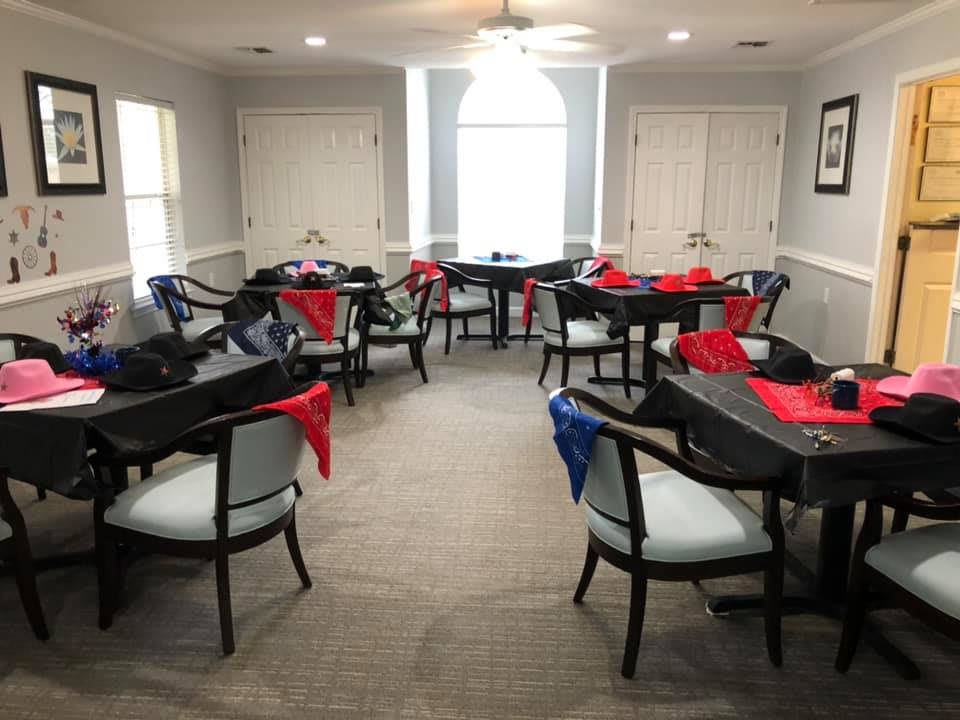
  • Interior

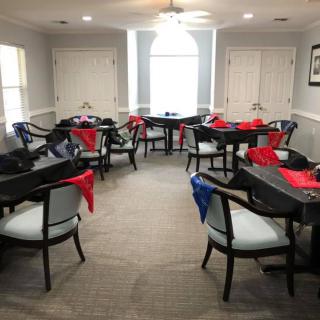
    A dining room setup with multiple tables and chairs arranged neatly, each table adorned with red or blue decorative cloths.
  • Outdoors

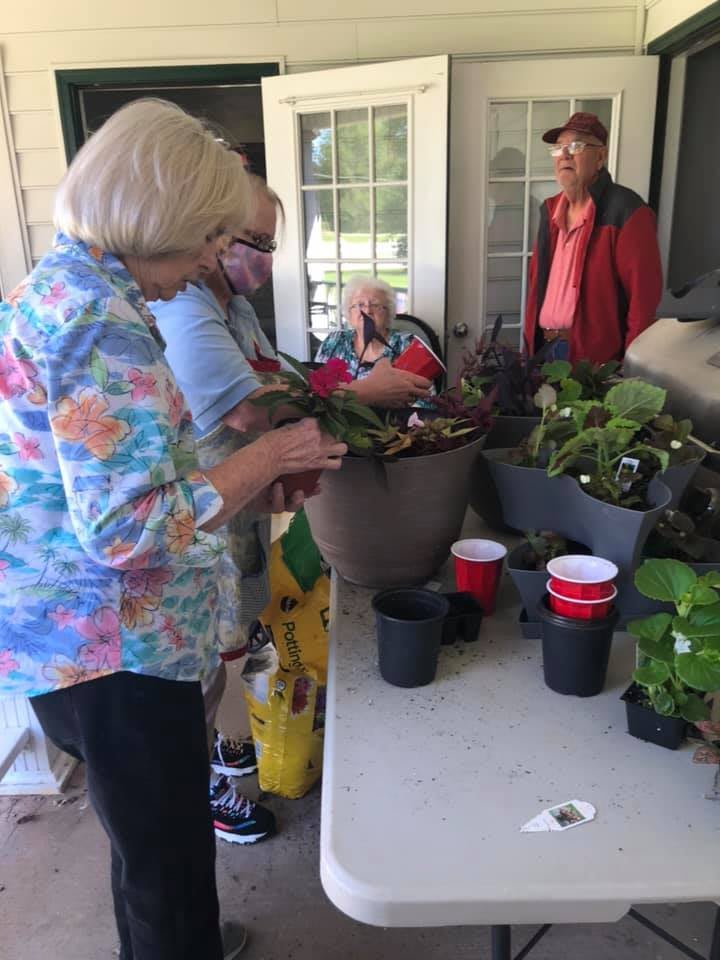
    People gathered around a table engaged in gardening activities.
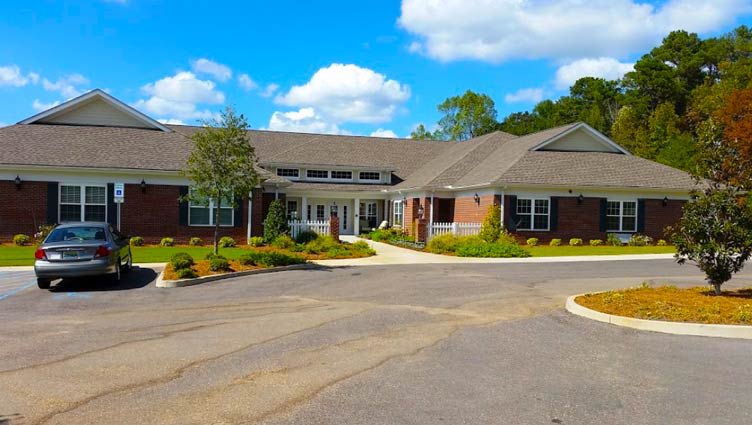
  • Building

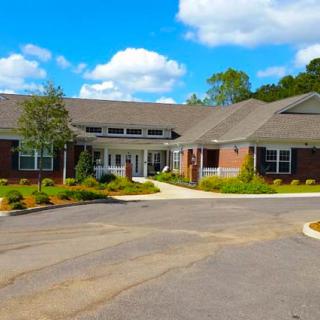
    A single-story brick building with a landscaped driveway and a clear blue sky.
  • Windows

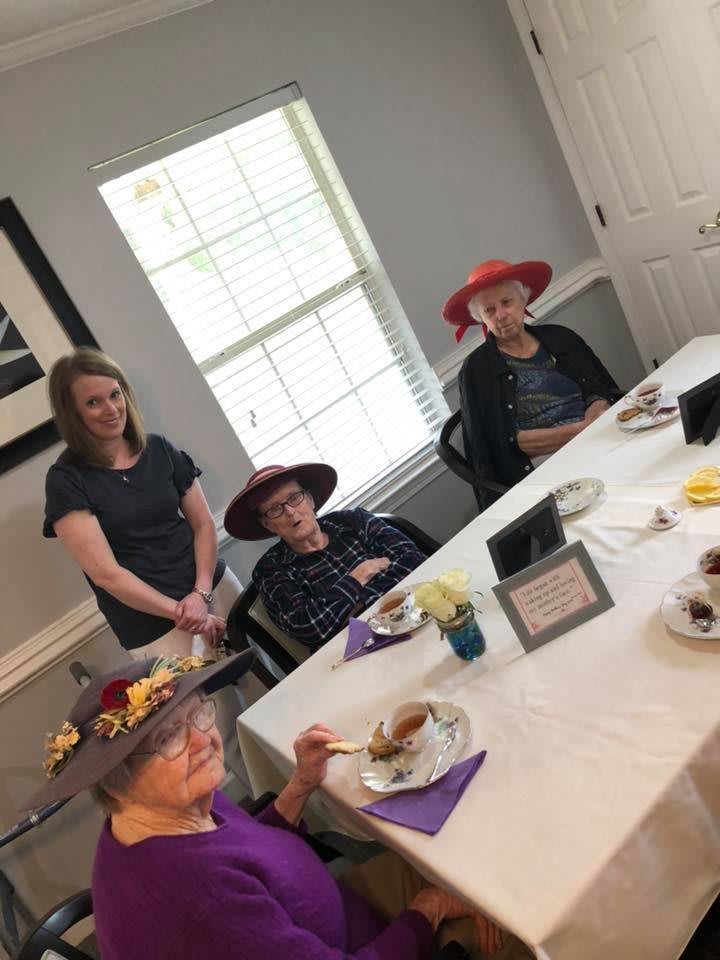
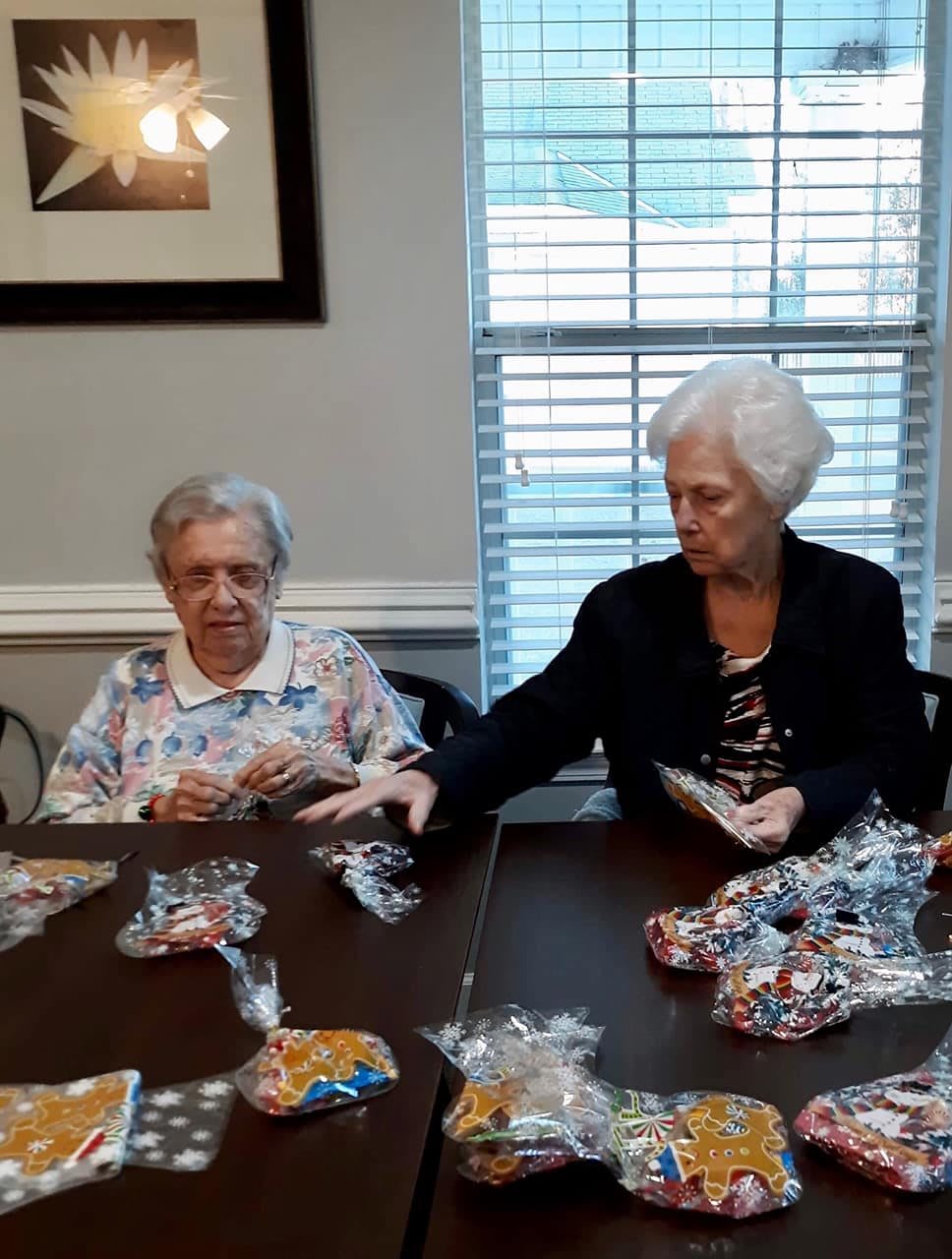
    Two elderly women sitting at a table filled with candy.
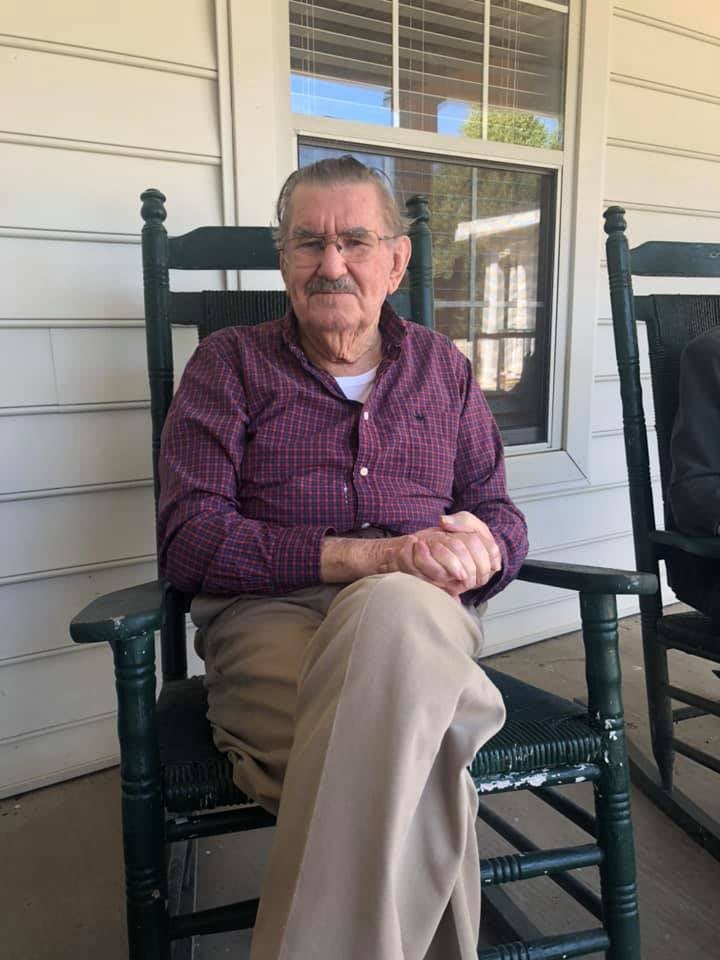
  • Porch

    An elderly man sitting on a porch in a rocking chair.
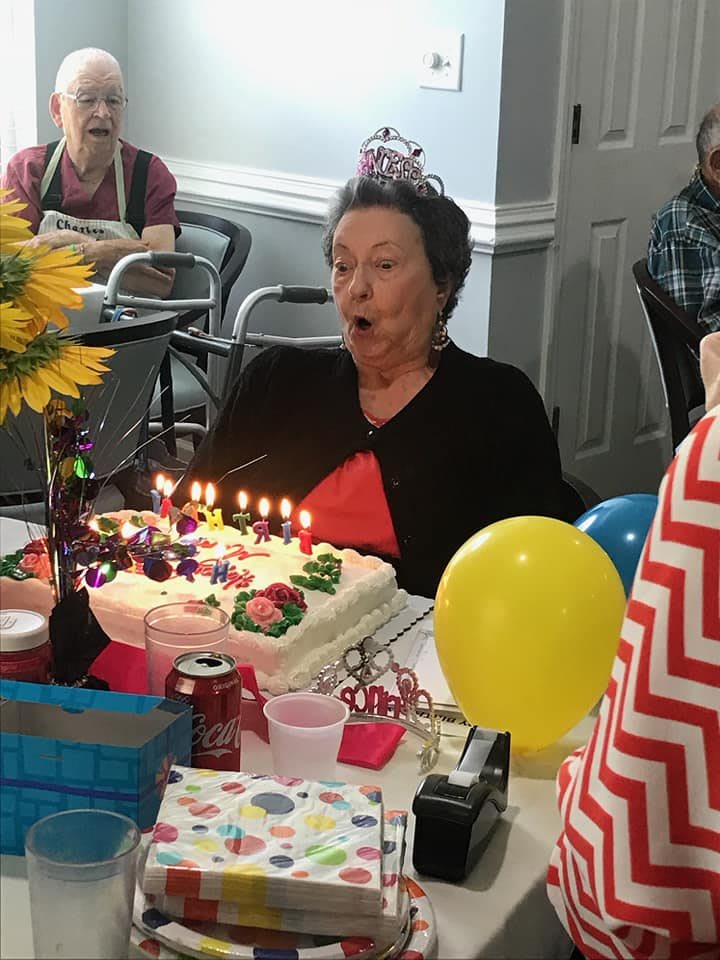
  • Hallway

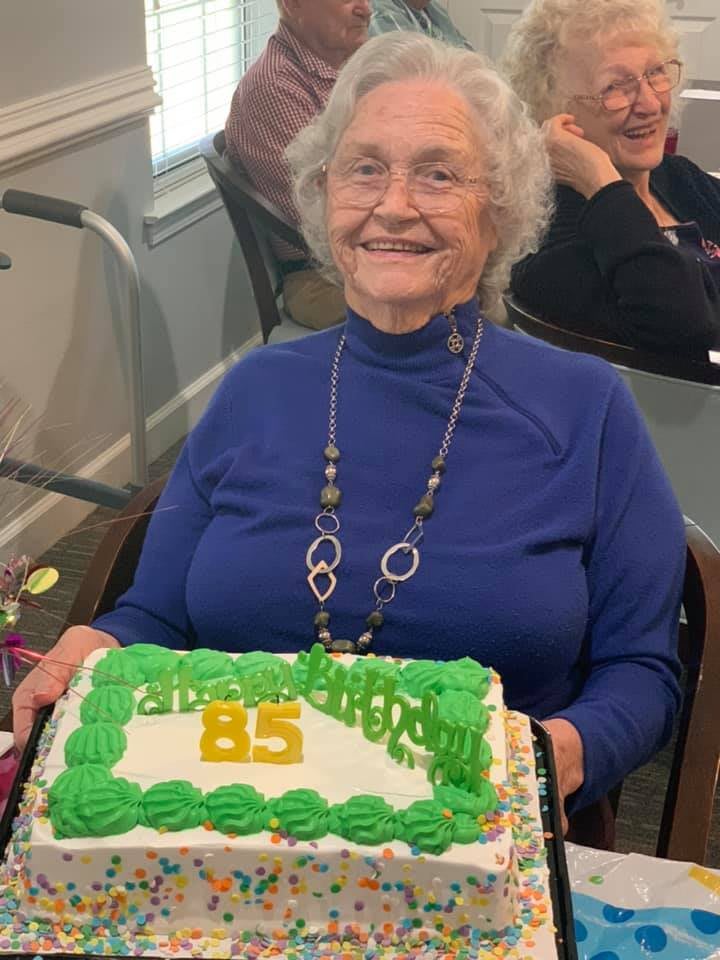
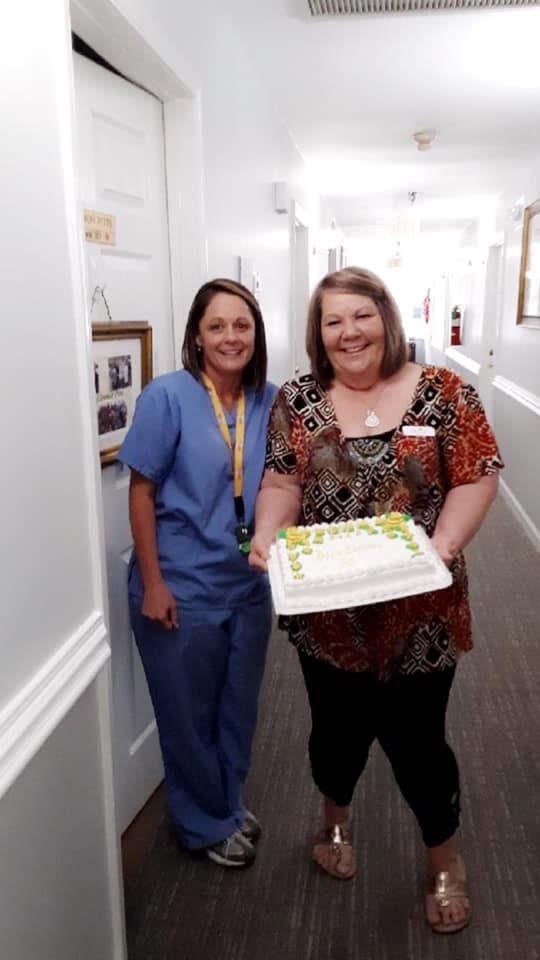
    Two women in a hallway, one holding a cake, smiling for the photo.
  • Bingo

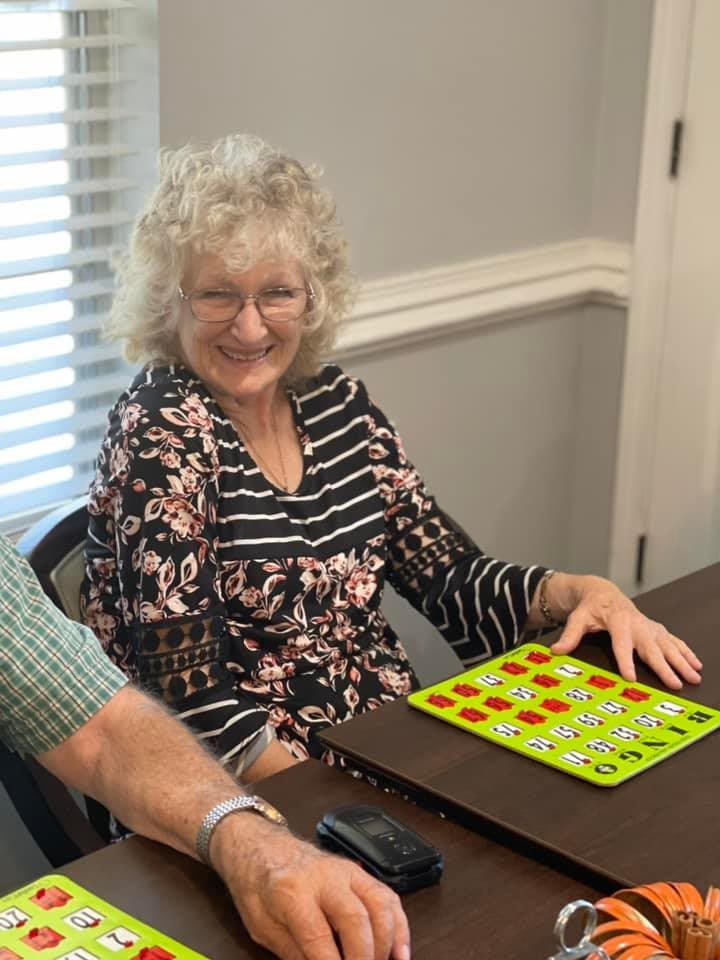
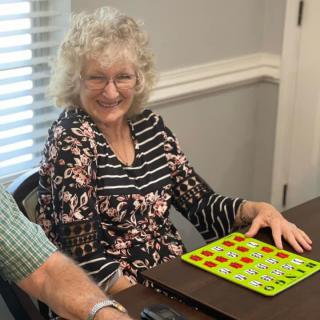
    A smiling woman playing bingo indoors.

Country Place Memory Care of Greenville

3108 Luverne Hwy, Greenville, AL 36037

For more information about senior living options: (844) 490-3973

4.9 from 19 reviews
5 stars
18
4 stars
0
3 stars
1
2 stars
0
1 stars
0

Assisted Living Board and Care Home Memory Care

Country Place Memory Care of Greenville Costs & Pricing

Country Place Memory Care of Greenville offers studio accommodations at a monthly rate of $3,680, which positions it slightly above the average costs observed in Crenshaw County and across Alabama. Specifically, while the typical rate for similar facilities in Crenshaw County stands at $3,558, the state average is even lower at $3,279. This pricing reflects not only the quality of care and specialized services provided at Country Place but also accounts for factors such as location and facility amenities that enhance the resident experience. Overall, choosing Country Place Memory Care signifies a commitment to premium care within a supportive environment tailored to memory care needs.

Floor plansCountry Place Memory Care of GreenvilleCrenshaw CountyAlabama
Studio$3,680$3,558$3,279

What level of care are you interested in?

Assisted Living

Memory Care

Independent Living

Skilled Nursing Facility

Continuing Care Retirement Community (CCRC)CCRC

Other


Request a tour at Country Place Memory Care of Greenville

    Features

    Housing

    • 16 resident community capacity 16 resident community capacity

    Types of Care

    • Assisted Living Assisted LivingAssisted living facilities provide crucial support and care for seniors who may need help with daily tasks such as medication management, bathing, and meal preparation. These communities offer a safe and comfortable environment where seniors can maintain their independence while receiving the assistance they need to thrive in their golden years.
    • Board and Care Home Board and Care HomeBoard and care homes provide a smaller, more intimate setting for seniors who require assistance with daily tasks but do not need the level of care offered by a nursing home. They offer personalized care, meals, and social activities in a homelike environment, ensuring that seniors receive individualized attention and support in their golden years.
    • Memory Care Memory CareMemory care is crucial for seniors as it provides specialized support and services for individuals with dementia or Alzheimer's disease. These programs offer a safe and secure environment where residents receive personalized care, cognitive stimulation, and help with daily activities. Memory care helps seniors maintain their independence, quality of life, and dignity while also providing peace of mind for their families.

    Amenities

    • Activities on-site Activities on-siteActivities on-site are important for seniors because they provide opportunities for socialization, mental stimulation, physical activity, and overall well-being. Engaging in activities can help seniors stay active, maintain their independence, and improve their quality of life.
    • Cable or satellite TV Cable or satellite TVCable or satellite TV is important for seniors because it provides entertainment, news, and companionship, helping to combat loneliness and boredom. It also offers a wide range of programming options tailored to different interests and preferences.
    • Devotional services off-site Devotional services off-siteDevotional services off-site are important for seniors as they provide spiritual nourishment, social engagement, and a sense of community outside of the senior living facility. This can enhance overall well-being and help combat feelings of isolation and loneliness often experienced by older adults.
    • Dining room Dining roomDining rooms are important for seniors as they provide a space for socialization, connection, and nutritious meals. They offer opportunities for residents to bond over shared meals, foster a sense of community, and promote healthy eating habits. Dining rooms also ensure that seniors have access to well-balanced meals tailored to their dietary needs and preferences.
    • Fully furnished Fully furnishedFully furnished senior living communities are important for seniors because they provide convenience, comfort, and a hassle-free moving experience. Seniors can easily settle into their new living space without the stress of having to buy and move furniture. This allows them to focus on enjoying their new home and community.
    • Garden GardenGardens are important for seniors as they provide a peaceful and therapeutic environment for relaxation, physical activity, and socialization. Being in nature has been shown to reduce stress, improve mood, and promote overall well-being. Gardens also offer opportunities for seniors to engage in gardening activities, which can improve mobility, flexibility, and cognitive function. Additionally, gardens create a sense of community and connection with others who share a passion for plants and outdoor spaces.
    • Housekeeping services Housekeeping servicesHousekeeping services are important for seniors because they help maintain a clean and safe living environment, promote independence, and reduce the risk of accidents or illnesses. Additionally, having assistance with household chores can alleviate physical strain and allow seniors to focus on other aspects of their well-being.
    • Indoor common areas Indoor common areasIndoor common areas are crucial for seniors as they provide a space for socialization, recreation, and community engagement, promoting overall well-being and reducing feelings of isolation and loneliness.
    • Move-in coordination Move-in coordinationMove-in coordination is important for seniors because it helps ease the transition into their new living environment. It ensures that all logistics, such as packing, organizing movers, and setting up utilities are taken care of, allowing seniors to focus on settling in and adjusting to their new home. Having a smooth move-in process can alleviate stress and anxiety, making the transition smoother and more enjoyable for seniors.
    • Outdoor space Outdoor spaceOutdoor spaces are important for seniors as they provide opportunities for physical activity, social interaction, exposure to natural light and fresh air, and a sense of connection to nature. Having access to outdoor spaces can improve overall well-being and quality of life for older adults living in senior communities.
    • Telephone TelephoneTelephones are important for seniors as they provide a lifeline for communication with loved ones, emergency services, and healthcare providers. They offer a sense of security and independence, enabling seniors to stay connected and access assistance when needed.
    • Wi-Fi/high-speed internet available Wi-Fi/high-speed internet availableWi-Fi/high-speed internet is important for seniors to stay connected with loved ones, access online resources, and participate in virtual activities to combat feelings of loneliness and isolation. It also allows them to easily manage healthcare needs, access entertainment, and engage in lifelong learning opportunities.

    Care Services

    • 24-hour supervision 24-hour supervision24-hour supervision is important for seniors to ensure their safety, well-being, and access to immediate assistance in case of emergencies or health issues. This constant support provides peace of mind for both seniors and their loved ones, allowing them to age in place with dignity and security.
    • Activities of daily living assistance Activities of daily living assistanceActivities of daily living assistance are important for seniors because they provide essential support with tasks such as eating, bathing, dressing, and mobility. This assistance helps seniors maintain their independence, dignity, and overall quality of life as they age.
    • Ambulatory care Ambulatory care"Ambulatory care services provide essential medical support and treatment to seniors without requiring hospitalization, allowing them to maintain their independence and quality of life while managing chronic conditions or receiving routine medical care."
    • Assistance with bathing Assistance with bathingAssistance with bathing is crucial for seniors as it helps maintain personal hygiene, prevents infections, and ensures their overall well-being and comfort. It also provides a sense of dignity and independence for seniors who may struggle with this task on their own.
    • Assistance with dressing Assistance with dressingAssistance with dressing is important for seniors because it helps maintain their independence, promotes personal hygiene, prevents accidents and injuries, and improves overall quality of life. This service ensures that seniors can continue to dress comfortably and confidently, despite any physical limitations they may have.
    • Assistance with transfers Assistance with transfersAssistance with transfers is crucial for seniors as it helps prevent falls and injuries, maintains their independence, and ensures they can safely navigate their living environment. It also provides peace of mind for both seniors and their loved ones.
    • Coordination with health care providers Coordination with health care providersCoordination with health care providers is crucial for seniors to ensure proper medical care, medication management, and overall well-being. This collaboration helps prevent overlapping treatments, track progress more effectively, and provide comprehensive support tailored to individual needs.
    • Dementia waiver Dementia waiverDementia waivers are essential for seniors as they provide critical protections and accommodations for those experiencing cognitive decline. These waivers ensure individuals with dementia receive appropriate care, support, and resources to maintain their quality of life and dignity as they navigate the challenges of this progressive condition.
    • Diabetes diet Diabetes dietA diabetes diet is crucial for seniors as it helps manage blood sugar levels, reduce risks of complications, and improve overall health and well-being. By following a balanced and nutritious diet tailored to their specific needs, seniors can better control their diabetes and enhance their quality of life.
    • Diabetic care Diabetic careDiabetic care is crucial for seniors as they are more susceptible to developing diabetes due to aging and other health conditions. Proper management of diabetes can help prevent complications such as heart disease, vision loss, and nerve damage, improving the overall quality of life for seniors in senior living communities.
    • Hospice waiver Hospice waiverHospice waivers are important for seniors because they allow individuals to receive specialized end-of-life care and support at home or in a hospice facility. This waiver ensures that seniors can access the necessary resources and services to maintain comfort and dignity during their final days.
    • Meal preparation and service Meal preparation and serviceMeal preparation and service are crucial for seniors as they may have limited mobility or energy to cook nutritious meals. Having access to healthy and convenient food options can ensure they are getting the proper nutrition needed to maintain their overall health and well-being.
    • Medication management Medication managementMedication management is crucial for seniors to ensure they are taking the right medications at the correct dosages and times. This helps prevent adverse drug interactions, reduces the risk of medication errors, and promotes overall health and well-being. Proactive management also allows for adjustments as needed based on changing health conditions or new prescriptions.
    • Mental wellness program Mental wellness programMental wellness programs are essential for seniors as they promote cognitive stimulation, emotional support, and social engagement. These programs help prevent isolation, depression, and cognitive decline, ultimately enhancing the overall quality of life for older adults.
    • Mild cognitive impairment Mild cognitive impairment"Mild cognitive impairment" is important for seniors because it is an early stage of cognitive decline that can potentially progress to more severe conditions such as dementia. Recognizing and addressing mild cognitive impairment can help seniors receive appropriate care and support to maintain their quality of life and independence for as long as possible.
    • Special dietary restrictions Special dietary restrictionsSpecial dietary restrictions are important for seniors because age-related changes in metabolism and health conditions can make it difficult for their bodies to process certain foods. By following a diet tailored to their specific needs, seniors can maintain their overall health and well-being, manage chronic conditions, and reduce the risk of complications such as malnutrition or food interactions with medications.
    • Specialized memory care programming Specialized memory care programmingSpecialized memory care programming is crucial for seniors with cognitive impairments such as dementia or Alzheimer's disease. These programs provide a safe and supportive environment tailored to the unique needs of individuals with memory loss, helping them maintain their independence, dignity, and quality of life.
    • Transportation arrangement (medical) Transportation arrangement (medical)Transportation arrangements for medical purposes are essential for seniors as they may have difficulty driving themselves to appointments or accessing public transportation. Having reliable and safe transportation options ensures that seniors can receive timely medical care and maintain their health and well-being.
    • Transportation to doctors appointments Transportation to doctors appointmentsTransportation to doctors' appointments is crucial for seniors as it ensures they have access to necessary medical care and support for their health needs. Without reliable transportation, seniors may struggle to attend important appointments, leading to potential delays in treatment and health complications. Providing transportation services helps seniors maintain their overall well-being and quality of life.

    Dining

    • Diabetes diet Diabetes dietA diabetes diet is crucial for seniors as it helps manage blood sugar levels, reduce risks of complications, and improve overall health and well-being. By following a balanced and nutritious diet tailored to their specific needs, seniors can better control their diabetes and enhance their quality of life.
    • Meals provided Meals provided"Meals provided" are crucial for seniors in assisted living communities as it ensures they have access to nutritious, balanced meals without the stress of meal planning and preparation. This can help promote overall health and well-being for seniors who may have limited mobility or cognitive abilities.
    • Special dietary restrictions Special dietary restrictionsSpecial dietary restrictions are important for seniors because age-related changes in metabolism and health conditions can make it difficult for their bodies to process certain foods. By following a diet tailored to their specific needs, seniors can maintain their overall health and well-being, manage chronic conditions, and reduce the risk of complications such as malnutrition or food interactions with medications.

    Activities

    • Activities on-site Activities on-siteActivities on-site are important for seniors because they provide opportunities for socialization, mental stimulation, physical activity, and overall well-being. Engaging in activities can help seniors stay active, maintain their independence, and improve their quality of life.
    • Community-sponsored activities Community-sponsored activitiesCommunity-sponsored activities are important for seniors as they provide opportunities for social interaction, mental stimulation, and physical activity. These activities can help improve overall well-being, combat loneliness and isolation, and promote a sense of belonging and purpose among older adults.
    • Devotional activities offsite Devotional activities offsiteDevotional activities offsite are important for seniors because they provide social engagement, spiritual growth, and a sense of community outside of their living environment. This can improve overall well-being, mental health, and combat feelings of isolation or loneliness.
    • Scheduled daily activities Scheduled daily activitiesScheduled daily activities are important for seniors because they provide structure, socialization, mental stimulation, and physical activity. Engaging in regular activities can improve overall well-being and quality of life for seniors living in a community setting.

    Description

    Country Place Memory Care of Greenville in Greenville, AL is an assisted living community that specializes in providing memory care services for seniors. The community offers a variety of amenities to enhance the quality of life for its residents. Devotional services are available off-site, allowing residents to nourish their spiritual needs. Additionally, there are indoor common areas where residents can socialize and engage in various activities.

    The care services at Country Place Memory Care of Greenville include specialized diabetic care to cater to the unique health needs of individuals with diabetes. This ensures that residents receive appropriate monitoring and support to manage their condition effectively.

    Residents can enjoy a range of activities designed to meet their interests and preferences. Devotional activities off-site offer opportunities for spiritual growth and connection within the larger community.

    Located in Greenville, AL, this assisted living community benefits from its proximity to several parks, pharmacies, physicians, restaurants, transportation options, places of worship, theaters, and hospitals. These nearby amenities ensure that residents have easy access to recreational opportunities, essential healthcare services, dining options, religious centers, entertainment venues, and medical facilities.

    Country Place Memory Care of Greenville aims to provide a safe and supportive environment for seniors with memory impairments while offering convenient access to various resources within the surrounding area.

    Videos

    Nearby Places of Interest

    This area of Greenville, Alabama offers a variety of amenities and services that cater to senior living needs. With multiple places of worship nearby, including New Bethel Christian Church and East Greenville Baptist Church, residents can easily access spiritual support and community engagement. There are also several parks in the vicinity, such as Day Memorial Park, providing opportunities for outdoor recreation and socializing. For transportation needs, options like U-Haul and Enterprise Rent-A-Car are conveniently located within a short distance. Furthermore, there are pharmacies like Medicine Shoppe and Jones Drugs available for easy access to medications and healthcare services. In terms of healthcare providers, there are reputable physicians such as Alabama Orthopaedic Specialists P.A. and Stabler Clinic in close proximity to address medical concerns. Additionally, L.V. Stabler Memorial Hospital is nearby for emergency medical care. Overall, this area provides a well-rounded selection of resources for seniors looking to enjoy a comfortable and supportive living environment in Greenville.

    Places of Worship

    • New Bethel Christian Church (1.6 miles)
    • East Greenville Baptist Church (2 miles)
    • East Greenville Baptist Church (2 miles)
    • Greenwood Church of God in Christ (2.2 miles)
    • Greenville Church of God (2.3 miles)
    • Camellia City Baptist Church (2.4 miles)
    • Hickory St Church of Christ (2.5 miles)

    Parks

    • Day Memorial Park (1.7 miles)
    • Greenville Recreation Department (2.1 miles)
    • Confederate Park (2.7 miles)
    • Dunbar Park (3.2 miles)

    Transportation

    • U-Haul Neighborhood Dealer (2.4 miles)
    • Mac Crenshaw Memorial Airport (2.4 miles)
    • Enterprise Rent-A-Car (2.6 miles)
    • Alamo (2.6 miles)
    • U-Haul Neighborhood Dealer (2.9 miles)
    • U-Haul (3.5 miles)
    • U-Haul Neighborhood Dealer (14.8 miles)

    Restaurants

    • Court Square Cafe (2.4 miles)
    • San Pedros Mexican Grill (2.7 miles)
    • Alabama Grill (2.8 miles)
    • Wow Wings (3.8 miles)
    • Pizza & Sub Express (3.8 miles)
    • China Town (4 miles)
    • Captain D's (4 miles)

    Pharmacies

    • Medicine Shoppe (2.6 miles)
    • Jones Drugs Greenville Alabama (2.6 miles)
    • CVS Pharmacy (3.9 miles)
    • Walgreens (4 miles)
    • Fred's Pharmacy (16.2 miles)
    • Pharmacare Georgiana (16.2 miles)

    Physicians

    • Alabama Orthopaedic Specialists P.A. (2.7 miles)
    • Stabler Clinic (3.2 miles)
    • Greenville Pediatrics (4 miles)
    • Dr Mcgowin's Office (4.1 miles)
    • Promed (4.4 miles)
    • Hollis John P MD (16.2 miles)

    Hospitals

    • L.V. Stabler Memorial Hospital (4 miles)
    • Regional Medical Center of Central Alabama (4 miles)
    • Georgiana Medical Center (16.2 miles)
    • Georgiana Hospital (16.2 miles)

    Theaters

    • The Edge (4.6 miles)

    Frequently Asked Questions

    How much does it cost to live at Country Place Memory Care of Greenville in Greenville, AL?
    Where is Country Place Memory Care of Greenville?
    Does Country Place Memory Care of Greenville provide care for residents with dementia or Alzheimer's disease?
    What photos are available for Country Place Memory Care of Greenville in Greenville, Alabama?

    Nearby Communities

    Related Resources

    • can you die from dementiaAre Dementia and Alzheimer's Disease Lethal? A Comprehensive Exploration

      Dementia, including Alzheimer’s disease, is often mischaracterized in terms of lethality as it leads to complications that can be fatal rather than being a direct cause of death; it causes a progressive decline in cognitive and physical health, making patients vulnerable to infections and other health crises. Effective management of nutrition, hydration, and communication is crucial in patient care, with palliative care becoming vital in advanced stages to enhance comfort and quality of life while caregivers play a key role amidst the challenges posed by the disease.

    • reminiscence therapyExploring the Power of Reminiscence Therapy for Individuals With Dementia

      Reminiscence therapy helps individuals with dementia recall past memories through structured discussions and meaningful objects, enhancing mood, relationships, and sense of identity while celebrating their lives. It can be practiced in formal settings or at home, requiring sensitivity to personal histories and cultural backgrounds.

    • reminiscence therapyAn In-Depth Look at Reminiscence Therapy in Dementia Care
      Reminiscence therapy is a structured method for older adults, especially those with dementia, to share life stories using prompts and sensory cues, fostering emotional well-being, social engagement, and self-identity. It aims to improve quality of life by enhancing interpersonal connections and cognitive stimulation while requiring careful facilitation to avoid distressing memories.


    Get Pricing Ask A Question Schedule A Tour Contact Senior Advisor