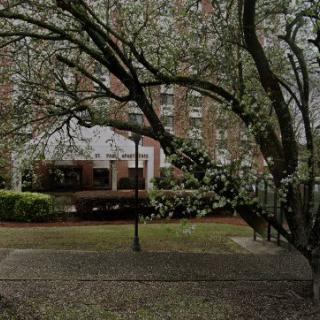

751 Houston Loop Rd W, Fort Payne, AL 35968
To contact a resident: (256) 979-1239
For more information about senior living options: (866) 208-4318
Serenity Place Memory Care Costs & Pricing
Serenity Place Memory Care offers a competitive pricing structure for its studio accommodations at $3,600 per month. While this rate is slightly higher than the average costs in DeKalb County, which sits at $3,098, it remains within the broader context of Alabama's average of $3,279. This positioning suggests that Serenity Place may provide additional value through enhanced services or amenities tailored specifically to memory care residents. Families considering options in this region will find that while Serenity Place comes at a premium compared to local averages, the investment might reflect a commitment to quality care and enriched living experiences for those with memory impairments.
| Floor plans | Serenity Place Memory Care | DeKalb County | Alabama |
|---|---|---|---|
| Studio | $3,600 | $3,098 | $3,279 |
Memory care communities with a similar price nearby
-
About the same
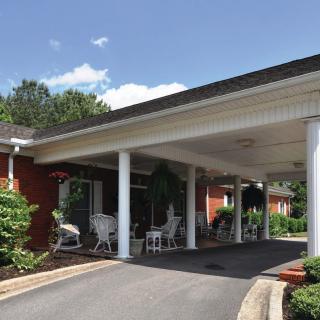
Rosewood Manor
$3,500 / month20.9 miles away -
from -$605 / mo

Rose Manor of Geraldine
$2,995 to $3,195 / month14.6 miles away
Overall Review of Serenity Place Memory Care
Pros
 The staff are attentive and the facility is so good that families move their loved ones there.
- The staff are very caring and provide excellent care for residents.
- The staff care for all residents, and the smaller setting helps them get to know individual needs and preferences.
- The facility is consistently clean inside and outside.
- Serenity Place staff are excellent to work with; the nurses are kind, helpful, and truly care for patients, delivering better care than other facilities and earning high recommendations.
- Administrators and the team are wonderful and supportive, making transitions seamless and joyful for families.
- The staff work tirelessly to assist families in every way.
- Residents feel right at home quickly thanks to the warm, home-like environment created by the staff.
Cons
 The reviewer believed the facility should be shut down or placed under new management.
- The reviewer stated that the staff do not care for the residents.
- The reviewer alleged that staff stole morphine from dying residents and blamed the shortages on spills.
Review
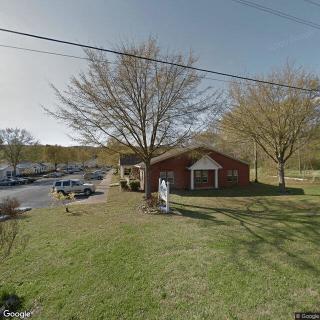
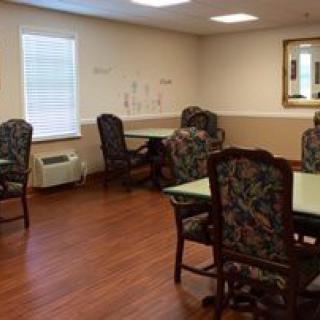
Serenity Place Memory Care in Fort Payne, Alabama, is best suited for families seeking a small, intimate memory-care environment where caregivers form real, know-you connections and residents feel at home quickly. The campus offers both assisted living and memory-care spaces on a shared site, but the culture remains distinctly person-centered: staff learn residents’ routines, preferences, and triggers, and respond with steady, predictable caregiving. This setting excels for seniors in early- to mid-stage dementia who benefit from familiar faces, consistent routines, and hands-on help with daily tasks. Families prioritizing a warm, neighborly atmosphere over a sprawling, clinical campus will find Serenity Place aligns with their goals. It’s a home-away-from-home feel rather than a hospital-like environment, with professionals nearby to provide practical support.
Positive reviews consistently spotlight the heart of Serenity Place: a dedicated, caring staff that treats residents with kindness and respect. Nurses and aides are described as attentive and patient, and administrators take an active role in guiding families through transitions, especially the move from assisted living into memory care. The smaller-scale setting allows caregivers to tailor activities and care plans to individual residents, adjusting routines to personal likes and dislikes. Residents are supported throughout the day, and the building earns praise for cleanliness and upkeep both inside and outside. Family members repeatedly report feeling heard and reassured by ongoing, hands-on involvement from leadership and maintenance teams who extend practical help beyond typical caregiving duties.
Overall, Serenity Place carries a 3.9 rating from 8 reviews, with a clear tilt toward positive experiences but a notable minority expressing serious concerns. One reviewer raised a severe accusation about medication mismanagement and theft, a claim that strikes at the core of trust in any memory-care setting. While this represents a single voice among many, it underscores the need for rigorous medication-security practices, transparent incident reporting, and ongoing staff training. Prospective residents should demand clear policies for medication storage and handling, access controls, and meticulous documentation. Request to review medication administration records and interview the nursing team about safeguards. The overwhelmingly favorable feedback about staff care suggests such safeguards, implemented rigorously, can keep Serenity Place on a solid track.
Taken as a whole, the strong staff culture and intimate setting largely offset the advantages and drawbacks typically found in smaller facilities. The intimate environment reduces confusion and anxiety for residents thanks to familiar faces and consistent caregivers, while visible administrator and maintenance involvement reinforces reliability. Cleanliness, smooth transitions for new residents, and genuine affection for seniors emerge as standout advantages. Yet the potential for mishandled medications remains a tangible risk that could erode confidence if not addressed directly. If the facility demonstrates robust, transparent safeguards, regular audits, secure med storage, and timely accountability, the positives are likely to outweigh the concerns for most families. A practical emphasis on communication and safety will matter most here.
For families weighing alternatives, this community may be less suitable for residents needing aggressive medical oversight, complex clinical interventions, or an expansive, highly structured activity calendar with broad therapy options. Larger campuses with dedicated clinical directors and more formal risk-management systems may appeal to those prioritizing comprehensive medical support and a wider array of services. Consider facilities with scalable programming, more robust outdoor security, and clearly documented incident-tracking practices when medical needs are pronounced or when families want more confidence in 24/7 clinical oversight. Still, those who value a tight-knit, homelike feel and a cooperative, family-inclusive management approach will likely find Serenity Place a strong fit, so long as safety practices are verified upfront.
Practical next steps for decision-makers are clear. Schedule an in-person tour during a typical day to observe staff interactions with residents, note how caregivers handle transitions, and assess how accessible leadership is for family questions. Ask for the staff-to-resident ratio, request a sample medication administration record, and review the facility’s medication-security procedures, incident logs, and any recent state surveys. Inquire about transition plans for new residents, daily activity options, and how memory-care programming is personalized. Seek candid references from current families and request a trial stay if possible to evaluate fit without long-term commitment. When the care team demonstrates consistent warmth, transparent processes, and a practical approach to risk management, Serenity Place offers a compelling choice for the right resident, and a clear reminder to verify the safety framework before moving in.
 Memory Care
 Activities on-site
 Devotional services off-site
 Indoor common areas
 Ambulatory care
 Diabetic care
 Meals provided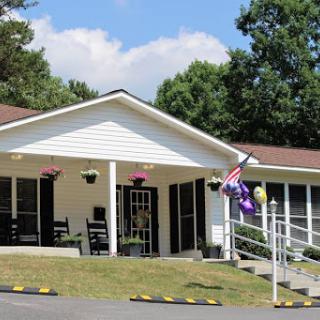

 Nourishing the Mind: Essential Dietary Approaches for Dementia
 Understanding Dementia Behaviors: Practical Insights and Strategies for Caregivers
 When Dementia Sparks Anger and Aggression: Understanding the Connection and Ways to Cope