
1050 Airport Road W, Fort Payne, AL 35968
For more information about senior living options: (866) 208-4318
Overall Review of Wills Creek Village
Pros
 Looks like a nice place.
- It was just a very nice place.
Cons
 The white-haired man is nasty and rude.
- They would not want to place their family around him.
- They would be scared to place their family there, fearing he would attack residents.
Review
Wills Creek Village in Fort Payne, Alabama is best suited for seniors who want a modest, home-like assisted living option and can tolerate some variability in daily staff interactions. The campus projects a calm, neighborhood feel rather than a glossy, resort-style atmosphere, making it a practical fit for residents who value simplicity, routine, and straightforward activities over high-intensity medical programming. Families should expect a basic level of care that supports daily living tasks, social connection, and familiar routines, without the sense of urgency that characterizes larger campuses. In short, this community works well for those who prioritize a comfortable, low-stress setting over expansive amenities or specialized care.
Beam of caution: this may not be the right home for every senior. One reviewer raised a serious red flag about staff demeanor, describing a particular male staff member as nasty and rude and expressing fear that he could attack residents. While another reviewer found the place to be pleasant, the polarized feedback signals a potential inconsistency in staff training, supervision, or culture. For seniors with higher care needs, memory concerns, or a tendency to require vigilant supervision, these safety questions become non-negotiable. Prospective residents should seek concrete assurances about staff behavior, conflict management, and oversight before making a commitment.
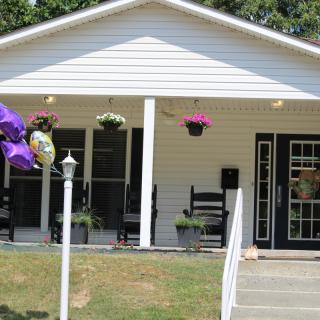
On the upside, the property is described as a very nice place by at least one guest, which hints at clean, orderly environments, pleasant common spaces, and a quiet, welcoming feel. That ambiance matters: when residents feel comfortable and at ease, engagement with activities, meals, and neighbors tends to improve, reducing anxiety around the transition. The small-town scale can foster easier relationships with caregivers and fellow residents, potentially translating into quicker response times and more personalized attention during routine tasks like meals, medication reminders, or social events. In environments where warmth is evident, the everyday rhythm of life can feel reassuring and predictable.
Yet the biggest concern remains the reported front-line behavior. The harsh characterisation of a staff member and the fear of harm create a scenario where trust can erode quickly. Even if other aspects of the community are solid, the daily reality for residents hinges on respectful, attentive treatment and predictable safety. The mixed impressions , some call it nice, others warn about risk , suggest a need for a rigorous on-site assessment: observe interactions during meals and activities, ask to speak with multiple staff members, verify training standards, and request a clear incident-response protocol. Without seeing consistent, positive, and respectful engagement, the risk of dissatisfaction or harm outweighs incidental benefits.
Those who manage to offset the disadvantages will find value in a straightforward, homey living experience. The pros offset the cons when staff consistently demonstrate professionalism, warmth, and clear communication. To test this, arrange a guided tour with time allocated to meet the administrator and front-line caregivers, request recent safety metrics or inspection results, and, if possible, arrange a short trial period. Ask about staff retention, supervision policies, and the mechanism for handling complaints. During visits, pay attention to how residents are spoken to, how help is offered, and whether independence is encouraged within a safety net.
Bottom line: Wills Creek Village can be a practical match for seniors seeking a simple, comfortable environment with a predictable routine. However, potential residents and their families should place a premium on staffing consistency, respectful interactions, and clear safety protocols. If uncertainty remains after a thorough tour and conversations with leadership, alternatives with a proven track record of stable staffing and proactive resident care deserve serious consideration. The decision should hinge on measurable commitments from administration: staff training, incident follow-up, and visible, everyday respect in resident interactions.
 40 resident community capacity
 Assisted Living
 Activities on-site
 Beauty salon
 Cable or satellite TV
 Devotional services off-site
 Dining room
 Fully furnished
 Garden
 Housekeeping services
 Indoor common areas
 Kitchenette
 Move-in coordination
 Outdoor space
 Restaurant-style dining
 Small library
 Telephone
 Wi-Fi/high-speed internet available
 24-hour call system
 Ambulatory care
 Assistance with bathing
 Assistance with dressing
 Assistance with transfers
 Diabetes diet
 Diabetic care
 Medication management
 Mental wellness program
 Special dietary restrictions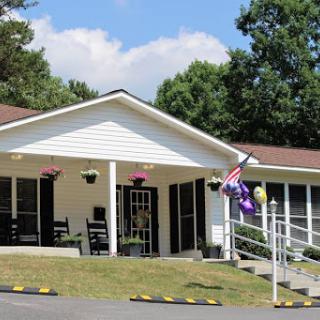



 How and When Medicaid May Cover Assisted Living Costs
 A Detailed Exploration of Assisted Living Medicaid Waivers Across the United States
 Comprehensive Residential Support and Assisted Living Solutions for Individuals with Disabilities