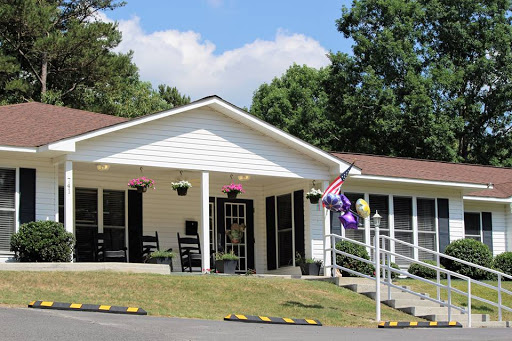
Serenity Place I in Fort Payne, AL

Save
Serenity Place I

Serenity Place I in Fort Payne, AL

Information last verified:

741 Houston Loop Road W, Fort Payne, AL 35968

For more information about senior living options: (844) 490-3973

3.9 from 8 reviews
5 stars
5
4 stars
1
3 stars
0
2 stars
0
1 stars
2

Overall Review of Serenity Place I

Pros

  • pro The staff are very caring and provide excellent care to residents.
  • pro The smaller setting allows staff to get to know residents’ individual needs, likes, and dislikes.
  • pro The facility is consistently clean inside and outside.
  • pro The nurses are kind, helpful, and truly dedicated to their patients.
  • pro Serenity Place’s staff are excellent to work with and deliver care that stands out among facilities.
  • pro Administrators and staff are wonderful and supportive, helping families with transitions and move-ins.
  • pro The facility makes transitions easier and helps create a home-like environment for new residents.
  • pro New residents feel at home quickly, with staff helping them settle in.
  • pro The staff treat residents as Special People who deserve the best possible care.
  • pro Overall, the care at Serenity Place is loving, professional, and devoted to serving seniors.

Cons

  • pro The reviewer asserts the facility should be shut down or placed under new management, claiming they don’t care for the residents.
  • pro They allege that morphine was stolen from dying residents and that shortages were blamed on spills.
  • pro The reviewer expresses shame toward the facility for these alleged actions.

Review

Serenity Place I in Fort Payne, Alabama, is best suited for families seeking an intimate, hands‑on assisted living with a memory care wing where residents are known by name and routines can be tailored to individual needs. The community shines for seniors who thrive in a smaller, home‑like setting, where staff observe subtle changes, respond quickly, and coordinate transitions between assisted living and memory care without the bustle of a large campus. It is especially appropriate for elders who require daily support with activities of daily living, medication reminders, and consistent reassurance from caregivers who treat residents with genuine warmth. For families prioritizing a visible, personal care culture over scale, Serenity Place is a natural fit.

Those weighing alternatives should be clear about what might be sacrificed or gained. If a resident needs robust on‑site medical oversight, more specialized programming, or a broader social calendar, a larger facility may deliver more options. For seniors with complex memory‑care needs or behaviors that require intensive clinical management, a setting with bigger staff teams and formal programs could be preferable. Families seeking very structured activities, frequent physician availability, or extensive multi‑disciplinary care may find Serenity Place’s smaller footprint limiting. In such cases, exploring other assisted living or dedicated memory‑care campuses with deeper clinical resources is prudent.

From the resident feedback, the standout strength is the staff’s dedication. Caregivers are described as genuinely caring, nurses as kind and helpful, and administrators as supportive partners in the transition process. The smaller setting is repeatedly praised for allowing staff to learn each resident’s preferences, history, and dislikes, which informs tailored care plans. Cleanliness and orderly environments, inside and outside, further reinforce a sense of dignity and routine. The memory‑care wing receives similar praise for continuity and personal attention, with families noting that the atmosphere feels like a home rather than a facility and that staff work hard to respect residents’ dignity.

These strengths matter because they translate into practical, tangible benefits for families. The ability to move a loved one into memory care with minimal disruption, coupled with staff who celebrate progress and respond with compassion, can ease the emotional burden of transition. Testimonies about administrators going the extra mile, assisting with move‑in logistics, making repairs, helping hang pictures, highlight a culture of responsiveness rarely found in larger operators. A prevailing theme is that staff view residents as Special People, a philosophy reflected in routines, communication, and the daily tone of the building. Such culture reduces anxiety and increases confidence that care will be consistent over time.

Nevertheless, caution is warranted. A minority of reviews presents a starkly negative view, with a claim that the facility should be shut down and that medication mishandling occurred. While this single, severe allegation clashes with multiple endorsements of safety, care, and integrity, it cannot be ignored. Prospective families should investigate medication‑management protocols, ask for details about staffing ratios during peak hours, request recent state inspections, and talk directly with the administrator about safeguards, incident reporting, and ongoing staff training. Given the emphasis on close relationships and daily oversight, verifying these processes is essential to minimize risk and safeguard trust.

In sum, Serenity Place I is a compelling option for families who value intimate, attentive care, a cohesive caregiving team, and a supportive, transition‑friendly environment for memory care. It is especially well suited for seniors who respond to personal attention and for relatives who want visible engagement from both nursing staff and building leadership. Alternatives should be considered if the priority shifts toward a wider array of activities, more aggressive medical oversight, or less dependence on relational care. For most families balancing dignity, continuity, and reassurance that a loved one is treated with respect every day, Serenity Place I warrants serious consideration, paired with clear, upfront checks on safety practices and medication handling before making a commitment.

Features

Housing

  • 16 resident community capacity 16 resident community capacity

Types of Care

  • Assisted Living Assisted LivingAssisted living facilities provide crucial support and care for seniors who may need help with daily tasks such as medication management, bathing, and meal preparation. These communities offer a safe and comfortable environment where seniors can maintain their independence while receiving the assistance they need to thrive in their golden years.
  • Board and Care Home Board and Care HomeBoard and care homes provide a smaller, more intimate setting for seniors who require assistance with daily tasks but do not need the level of care offered by a nursing home. They offer personalized care, meals, and social activities in a homelike environment, ensuring that seniors receive individualized attention and support in their golden years.

Amenities

  • Cable or satellite TV Cable or satellite TVCable or satellite TV is important for seniors because it provides entertainment, news, and companionship, helping to combat loneliness and boredom. It also offers a wide range of programming options tailored to different interests and preferences.
  • Dining room Dining roomDining rooms are important for seniors as they provide a space for socialization, connection, and nutritious meals. They offer opportunities for residents to bond over shared meals, foster a sense of community, and promote healthy eating habits. Dining rooms also ensure that seniors have access to well-balanced meals tailored to their dietary needs and preferences.
  • Fully furnished Fully furnishedFully furnished senior living communities are important for seniors because they provide convenience, comfort, and a hassle-free moving experience. Seniors can easily settle into their new living space without the stress of having to buy and move furniture. This allows them to focus on enjoying their new home and community.
  • Garden GardenGardens are important for seniors as they provide a peaceful and therapeutic environment for relaxation, physical activity, and socialization. Being in nature has been shown to reduce stress, improve mood, and promote overall well-being. Gardens also offer opportunities for seniors to engage in gardening activities, which can improve mobility, flexibility, and cognitive function. Additionally, gardens create a sense of community and connection with others who share a passion for plants and outdoor spaces.
  • Housekeeping services Housekeeping servicesHousekeeping services are important for seniors because they help maintain a clean and safe living environment, promote independence, and reduce the risk of accidents or illnesses. Additionally, having assistance with household chores can alleviate physical strain and allow seniors to focus on other aspects of their well-being.
  • Move-in coordination Move-in coordinationMove-in coordination is important for seniors because it helps ease the transition into their new living environment. It ensures that all logistics, such as packing, organizing movers, and setting up utilities are taken care of, allowing seniors to focus on settling in and adjusting to their new home. Having a smooth move-in process can alleviate stress and anxiety, making the transition smoother and more enjoyable for seniors.
  • Outdoor space Outdoor spaceOutdoor spaces are important for seniors as they provide opportunities for physical activity, social interaction, exposure to natural light and fresh air, and a sense of connection to nature. Having access to outdoor spaces can improve overall well-being and quality of life for older adults living in senior communities.
  • Telephone TelephoneTelephones are important for seniors as they provide a lifeline for communication with loved ones, emergency services, and healthcare providers. They offer a sense of security and independence, enabling seniors to stay connected and access assistance when needed.
  • Wi-Fi/high-speed internet available Wi-Fi/high-speed internet availableWi-Fi/high-speed internet is important for seniors to stay connected with loved ones, access online resources, and participate in virtual activities to combat feelings of loneliness and isolation. It also allows them to easily manage healthcare needs, access entertainment, and engage in lifelong learning opportunities.

Care Services

  • 24-hour supervision 24-hour supervision24-hour supervision is important for seniors to ensure their safety, well-being, and access to immediate assistance in case of emergencies or health issues. This constant support provides peace of mind for both seniors and their loved ones, allowing them to age in place with dignity and security.
  • Activities of daily living assistance Activities of daily living assistanceActivities of daily living assistance are important for seniors because they provide essential support with tasks such as eating, bathing, dressing, and mobility. This assistance helps seniors maintain their independence, dignity, and overall quality of life as they age.
  • Assistance with bathing Assistance with bathingAssistance with bathing is crucial for seniors as it helps maintain personal hygiene, prevents infections, and ensures their overall well-being and comfort. It also provides a sense of dignity and independence for seniors who may struggle with this task on their own.
  • Assistance with dressing Assistance with dressingAssistance with dressing is important for seniors because it helps maintain their independence, promotes personal hygiene, prevents accidents and injuries, and improves overall quality of life. This service ensures that seniors can continue to dress comfortably and confidently, despite any physical limitations they may have.
  • Assistance with transfers Assistance with transfersAssistance with transfers is crucial for seniors as it helps prevent falls and injuries, maintains their independence, and ensures they can safely navigate their living environment. It also provides peace of mind for both seniors and their loved ones.
  • Coordination with health care providers Coordination with health care providersCoordination with health care providers is crucial for seniors to ensure proper medical care, medication management, and overall well-being. This collaboration helps prevent overlapping treatments, track progress more effectively, and provide comprehensive support tailored to individual needs.
  • Diabetes diet Diabetes dietA diabetes diet is crucial for seniors as it helps manage blood sugar levels, reduce risks of complications, and improve overall health and well-being. By following a balanced and nutritious diet tailored to their specific needs, seniors can better control their diabetes and enhance their quality of life.
  • Meal preparation and service Meal preparation and serviceMeal preparation and service are crucial for seniors as they may have limited mobility or energy to cook nutritious meals. Having access to healthy and convenient food options can ensure they are getting the proper nutrition needed to maintain their overall health and well-being.
  • Medication management Medication managementMedication management is crucial for seniors to ensure they are taking the right medications at the correct dosages and times. This helps prevent adverse drug interactions, reduces the risk of medication errors, and promotes overall health and well-being. Proactive management also allows for adjustments as needed based on changing health conditions or new prescriptions.
  • Special dietary restrictions Special dietary restrictionsSpecial dietary restrictions are important for seniors because age-related changes in metabolism and health conditions can make it difficult for their bodies to process certain foods. By following a diet tailored to their specific needs, seniors can maintain their overall health and well-being, manage chronic conditions, and reduce the risk of complications such as malnutrition or food interactions with medications.
  • Transportation arrangement (medical) Transportation arrangement (medical)Transportation arrangements for medical purposes are essential for seniors as they may have difficulty driving themselves to appointments or accessing public transportation. Having reliable and safe transportation options ensures that seniors can receive timely medical care and maintain their health and well-being.
  • Transportation to doctors appointments Transportation to doctors appointmentsTransportation to doctors' appointments is crucial for seniors as it ensures they have access to necessary medical care and support for their health needs. Without reliable transportation, seniors may struggle to attend important appointments, leading to potential delays in treatment and health complications. Providing transportation services helps seniors maintain their overall well-being and quality of life.

Dining

  • Diabetes diet Diabetes dietA diabetes diet is crucial for seniors as it helps manage blood sugar levels, reduce risks of complications, and improve overall health and well-being. By following a balanced and nutritious diet tailored to their specific needs, seniors can better control their diabetes and enhance their quality of life.
  • Special dietary restrictions Special dietary restrictionsSpecial dietary restrictions are important for seniors because age-related changes in metabolism and health conditions can make it difficult for their bodies to process certain foods. By following a diet tailored to their specific needs, seniors can maintain their overall health and well-being, manage chronic conditions, and reduce the risk of complications such as malnutrition or food interactions with medications.

Activities

  • Community-sponsored activities Community-sponsored activitiesCommunity-sponsored activities are important for seniors as they provide opportunities for social interaction, mental stimulation, and physical activity. These activities can help improve overall well-being, combat loneliness and isolation, and promote a sense of belonging and purpose among older adults.
  • Scheduled daily activities Scheduled daily activitiesScheduled daily activities are important for seniors because they provide structure, socialization, mental stimulation, and physical activity. Engaging in regular activities can improve overall well-being and quality of life for seniors living in a community setting.

Description

Serenity Place I in Fort Payne, AL is a comfortable and welcoming board and care home that offers a range of amenities and care services to meet the needs of its residents. The community prides itself on providing a homelike atmosphere where seniors can feel at ease and enjoy their daily lives.

Residents of Serenity Place I can take advantage of amenities such as a spacious dining room where delicious meals are served, fully furnished accommodations for comfort and convenience, a beautiful garden for relaxation and outdoor enjoyment, and housekeeping services to maintain a clean and tidy living environment. Additionally, residents have access to telephone services and Wi-Fi/high-speed internet to stay connected with loved ones or pursue personal interests.

The dedicated staff at Serenity Place I provides assistance with activities of daily living including bathing, dressing, and transfers, ensuring that residents receive the support they need while maintaining their independence. The community also coordinates with healthcare providers to ensure seamless care coordination for residents. Those with special dietary restrictions or diabetes can rest assured knowing that their specific dietary needs will be met through specialized meal preparation and service.

Transportation arrangements for medical appointments are available to make it convenient for residents to reach their healthcare providers. Scheduled daily activities provide opportunities for socializing, engagement, and entertainment within the community.

Located in Fort Payne, AL, Serenity Place I enjoys proximity to various amenities in the surrounding area. There are six parks nearby where residents can enjoy outdoor recreation, five pharmacies for easy access to medications, fifteen physicians' offices for medical care needs, twenty-two restaurants offering diverse dining options, thirteen places of worship for spiritual fulfillment, and four hospitals providing comprehensive healthcare services.

At Serenity Place I in Fort Payne, AL, seniors can experience a warm and caring environment with personalized care services tailored to their unique needs.

Nearby Places of Interest

Hospitals

  • DeKalb Regional Medical Center Emergency Department (1 miles)
  • Community Health Systems (1.1 miles)
  • Isbell Medical Group (1.1 miles)
  • DeKalb Regional Home Health (1.2 miles)

Physicians

  • Thompson Surgical Associates (1 miles)
  • DeKalb Neurology and Sleep Center (1 miles)
  • Walker & Isbell Surgeons PA (1.1 miles)
  • Clinical Urology Associates PC (1.1 miles)
  • Scottsboro ENT (1.1 miles)
  • Alabama Allergy & Asthma Center (1.3 miles)
  • Gadsden Orthopaedic Associates PC (1.3 miles)

Restaurants

  • Santa Fe Cattle (1.1 miles)
  • Los Arcos 5 (1.2 miles)
  • Waffle House (1.2 miles)
  • Chick-Fil-A (1.2 miles)
  • Jack's (1.3 miles)
  • Captain D's (1.3 miles)
  • Zaxby's (1.3 miles)

Pharmacies

  • Walgreens (1.2 miles)
  • C & H Discount Drugs (1.2 miles)
  • C & H Drugs (1.2 miles)
  • America's Best Care Plus (1.5 miles)
  • C & H Discount Drugs (2.6 miles)
  • Kilgore Express Pharmacy (6 miles)
  • Independent Health Services (6.2 miles)

Places of Worship

  • Dugout Valley Worship Center (1.5 miles)
  • First Presbyterian Church (1.8 miles)
  • Family Life Center (1.8 miles)
  • Ft Payne Church of God (2 miles)
  • Second Baptist Church (2.1 miles)
  • Southern Baptist Convention (2.1 miles)
  • Southern Baptist Convention (2.2 miles)

Parks

  • Alabama Walking Trail Park (1.8 miles)
  • Fort Payne City Park (2 miles)
  • Fort Payne City Park (2 miles)
  • Manitou Park (2.3 miles)
  • National Park Service (2.4 miles)
  • Wolf Creek Overlook (2.8 miles)
  • Little River Canyon National Preserve (7.7 miles)

Frequently Asked Questions

Where is Serenity Place I?

Nearby Communities

  • Serenity Place Assisted Living

    Serenity Place Assisted Living

    Fort Payne, AL

    3.8 from 17 reviews
    $2,500 to $5,000 / month

    pro Friendly staff; clean, well-maintained facility with engaging activities and pleasant surroundings.

  • Serenity Place Memory Care

    Serenity Place Memory Care

    Fort Payne, AL

    3.9 from 8 reviews
    $3,600 / month

    pro Memory-care specialization with around-the-clock staff, diabetic care, and on-site activities.

  • Wills Creek Village

    Wills Creek Village

    Fort Payne, AL

    4 from 4 reviews
     

    pro Comprehensive on-site care with 24/7 supervision and restaurant-style dining.

  • Crowne Health Care Of Ft Payne

    Crowne Health Care Of Ft Payne

    Fort Payne, AL

    3.6 from 34 reviews
    $6,000 / month

    pro Comprehensive on-site care and wellness amenities.

  • Spring Grove Apartments

    Spring Grove Apartments

    Fort Payne, AL

    4.8 from 10 reviews
     

    pro Vibrant community with convenient access to parks, healthcare, dining, worship, and hospitals.

  • Morning Glory Meadows

    Morning Glory Meadows

    Shiloh, AL

    5 from 4 reviews
     

    pro 24-hour supervision with medication management and coordinated medical transportation.

  • Terrace Lake Village

    Terrace Lake Village

    Guntersville, AL

    4 from 1 review
     

    pro Bright dining area, engaging activities, friendly staff, and a recently redecorated building with pleasant outdoor spaces.

Assisted Living in Nearby Cities

Related Resources

  • active senior livingVibrant Senior Living: A Comprehensive Guide for Active Older Adults

    Vibrant Senior Living emphasizes active senior living communities that promote independence and engagement through diverse amenities and activities, fostering wellness and social interaction among older adults. These communities range from independent to assisted living, with a focus on personal growth, family involvement, financial planning, and leveraging technology to enhance residents' experiences.

  • when to move from assisted living to memory careWhen to Transition from Assisted Living to Memory Care: Key Indicators, Steps, and Finding the Right Community

    Transitioning from assisted living to memory care is driven by an individual's cognitive decline and specific needs, requiring careful evaluation of indicators like increased confusion and wandering. The process involves consulting medical professionals, researching suitable communities, considering financial and legal aspects, and ensuring effective communication for personalized care plans.

  • assisted living vs memory careAssisted Living and Memory Care: Understanding Their Core Differences

    Assisted living provides moderate support for seniors seeking independence, while memory care offers specialized support for individuals with dementia or cognitive impairments through structured routines and trained staff. Key differences include care approaches, environment security measures, staff training levels, activity types, and cost considerations.