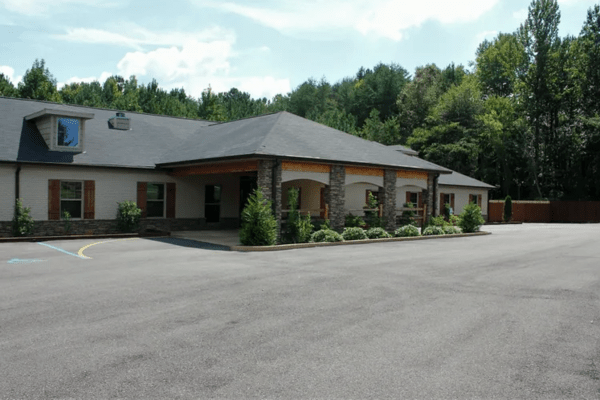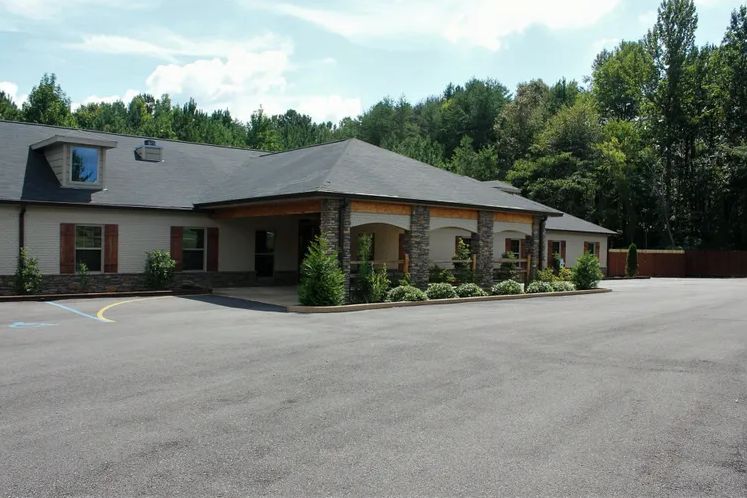




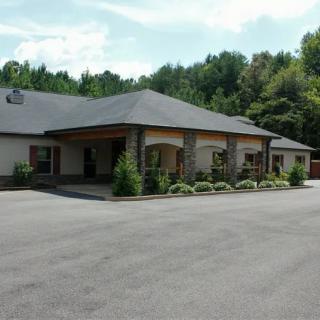




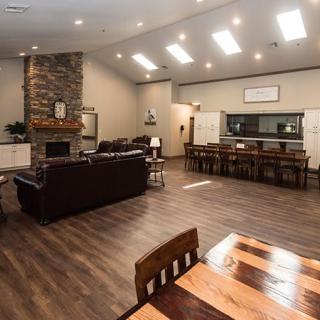
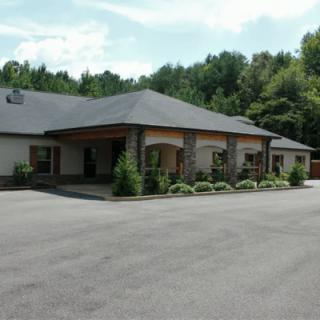
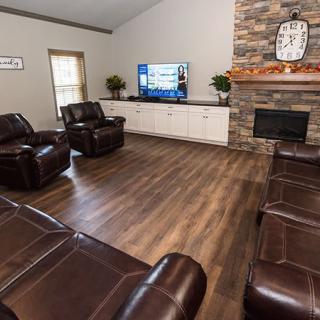
155 Egg and Butter Road, Columbiana, AL 35051
For more information about senior living options: (866) 208-4318
Premier Assisted Living Costs & Pricing
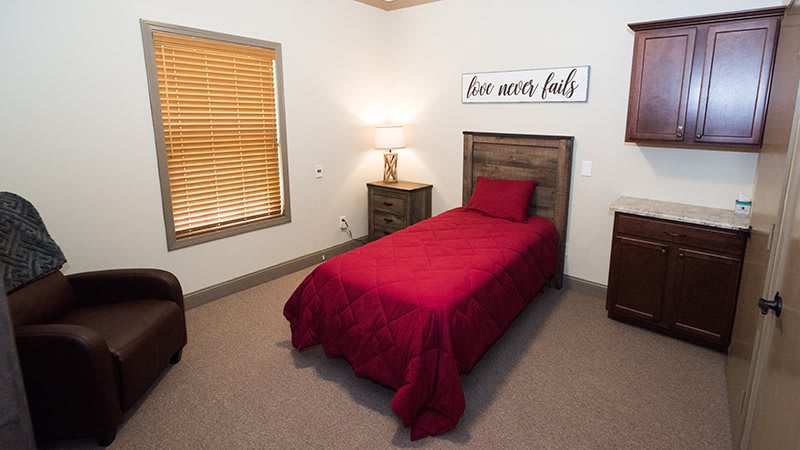
Premier Assisted Living offers a studio accommodation at $4,500 per month, which reflects the premium services and amenities associated with their care model. In comparison, the average cost for similar living arrangements in Shelby County stands at $3,700, while the broader state average in Alabama is significantly lower at approximately $3,279. While Premier's pricing is above these local and state benchmarks, it may be indicative of enhanced support and specialized programs that cater to residents' needs. For families considering options for assisted living, it's essential to weigh these costs against the particular advantages that Premier Assisted Living provides in terms of quality of care and community resources.
| Floor plans | Premier Assisted Living | Shelby County | Alabama |
|---|---|---|---|
| Studio | $4,500 | $3,700 | $3,279 |
Memory care communities with a similar price nearby
-
from -$705 / mo

Proveer at Grande View
$3,795 to $4,795 / month17.5 miles away -
from +$650 / mo

Longleaf Liberty Park
$5,150 to $8,350 / month22.4 miles away -
from +$150 / mo

Briar Glen Alzheimer's Special Care Center
$4,650 to $6,075 / month20.2 miles away -
from +$464 / mo
Briar Glen Alzheimer’s Special Care Center
$4,964 to $6,453 / month20.2 miles away
Overall Review of Premier Assisted Living
Pros
 Premier Assisted Living is highly regarded for its location.
- The meals at Premier are great, and the staff make an effort to prepare residents' favorite foods and desserts.
- The staff at Premier are easy to communicate with and responsive to residents’ needs.
- Premier is a wonderful facility with caring and compassionate staff.
- The facility is very clean and treats residents like family.
- People would highly recommend Premier to anyone seeking peace of mind with a loved one living there.
Cons
 This place is shutting down within the week.
Review
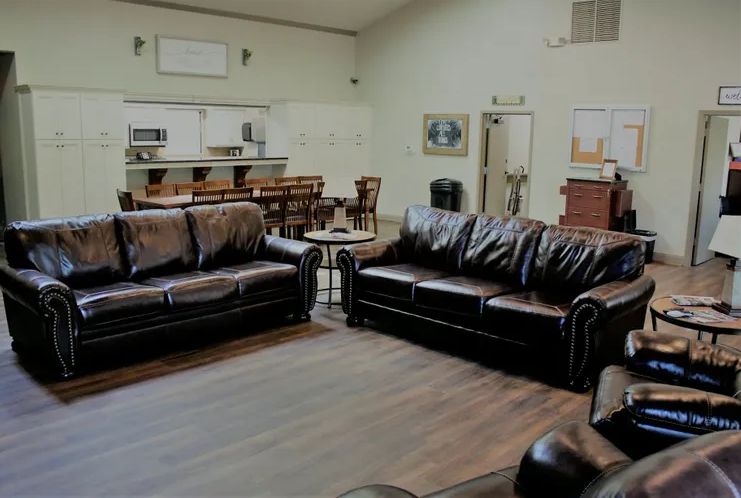
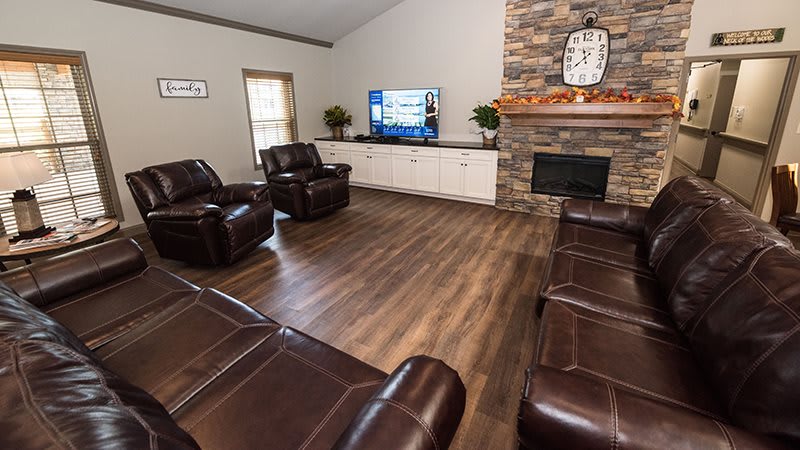
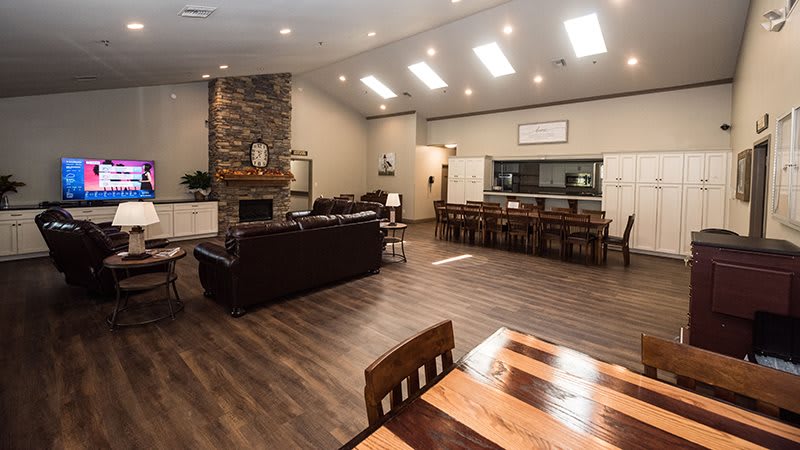
Premier Assisted Living in Columbiana is best suited for seniors who prize a warm, home-like atmosphere, easy access to well-prepared meals, and a staff team that is approachable and responsive. The reviews show a setting where dining is a clear strength, with menus geared toward resident favorites and a willingness to accommodate sweet-tooth cravings. Those who value clear, open communication with caregivers and a facility that feels like a family will find this community particularly fitting. The location itself is a practical plus for families seeking convenience, accessibility, and a place that makes daily routines straightforward.
Families considering alternatives should note that Premier’s appeal rests on comfort and personal connection more than on specialty medical services or high-acuity care. For residents needing robust clinical oversight, memory-care-focused programming, or highly structured, risk-managed environments, other communities with dedicated subspecialty care may be a safer fit. Also, a major consideration is the viability of the facility over time. While the positive reviews highlight care quality and ambience, at least one item from the historical feedback signals a potential risk that warrants careful verification before committing long term.
The strongest pros, great meals, staff that communicates well, and a clean, caring environment, are meaningful in everyday life. When meals reflect residents’ preferences and sweets are readily available, this directly enhances appetite, mood, and social engagement around dining. Easy access to staff and a culture that treats residents like family translate into fewer friction points for daily needs, prompt assistance, and a sense of security. Cleanliness reinforces a perception of safety and respect, reinforcing peace of mind for families who cannot be on-site constantly. Taken together, these attributes offset routine caregiving frictions and support consistent quality of life.
However, the notable con in the current narrative is not about care quality but about viability. A review alleging that the facility was shutting down within the week is a stark red flag, even though it is dated. The existence of such a claim requires immediate, thorough verification. Prospective residents should conduct diligent due diligence: confirm current ownership and licensing status, request recent inspection reports, and ask direct questions about financial stability, ongoing operation plans, and any anticipated service interruptions. In parallel, arrange conversations with the administrator about transition planning, should a closure become necessary, and inquire about guarantees for resident relocation assistance and continuity of care.
With these factors in mind, the decision approach becomes practical and risk-informed. For families prioritizing tastefully prepared meals, genuine caregiver accessibility, and a comforting daily rhythm, Premier offers a compelling match. The key is to pair those strengths with a rigorous check on current operational status and a concrete plan for continuity of care. Schedule a visit, speak with current residents and families, and demand up-to-date documentation on licensing, ownership, and financial health. Clarify what happens if occupancy declines or if leadership changes, and insist on a written relocation plan if needed. Only with that due diligence can a choice be made confidently rather than out of optimism alone.
In sum, Premier Assisted Living presents a practical, people-centered option for seniors who value warmth, community, and quality meals in a convenient Columbiana setting. It delivers meaningful daily quality and a sense of belonging that families often chase in assisted living. The decisive caveat is stability: the facility’s viability must be current and clearly demonstrated before relying on it as a long-term home. When stability checks pass and the personal fit is strong, Premier stands as a solid choice; when they do not, alternatives with clearer ongoing operation and medical support should be pursued.
 16 resident community capacity
 Memory Care
 Activities on-site
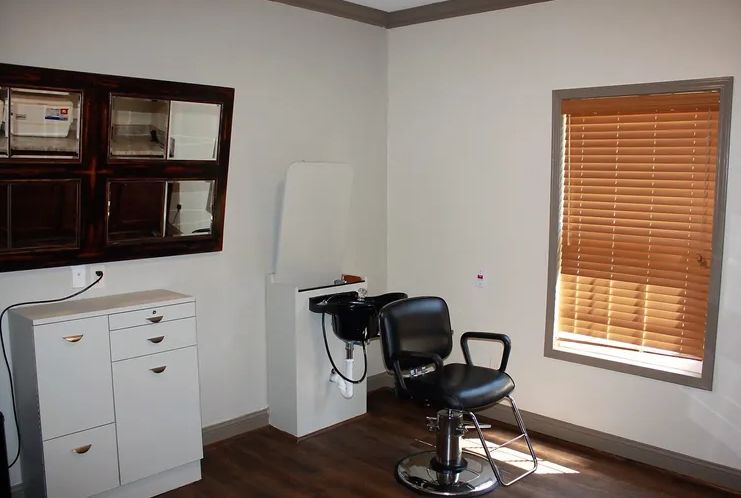
 Beautician on-site
 Cable or satellite TV
 Devotional services off-site
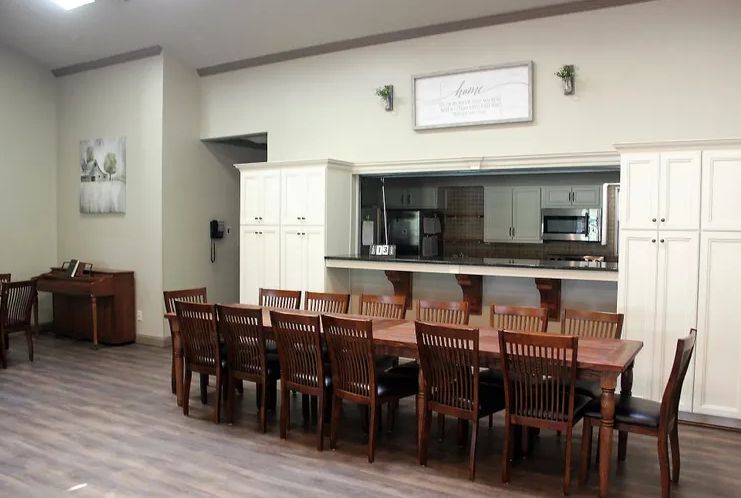
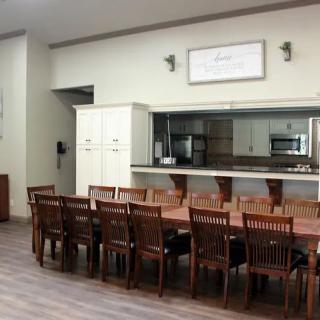
 Dining room
 Fully furnished
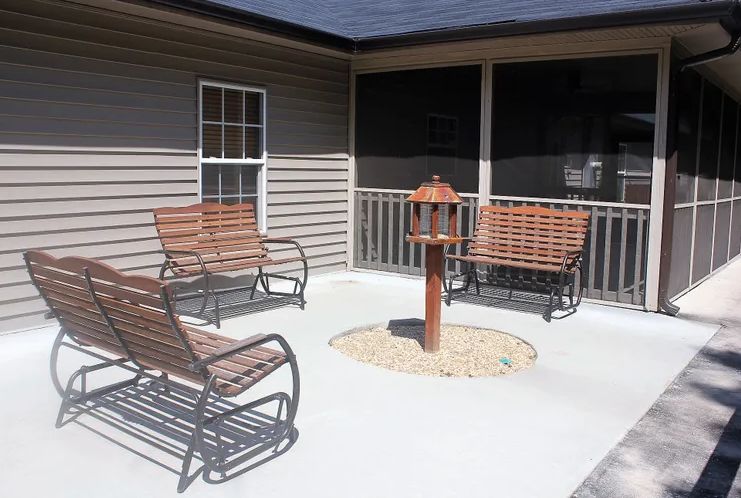
 Garden
 Housekeeping services
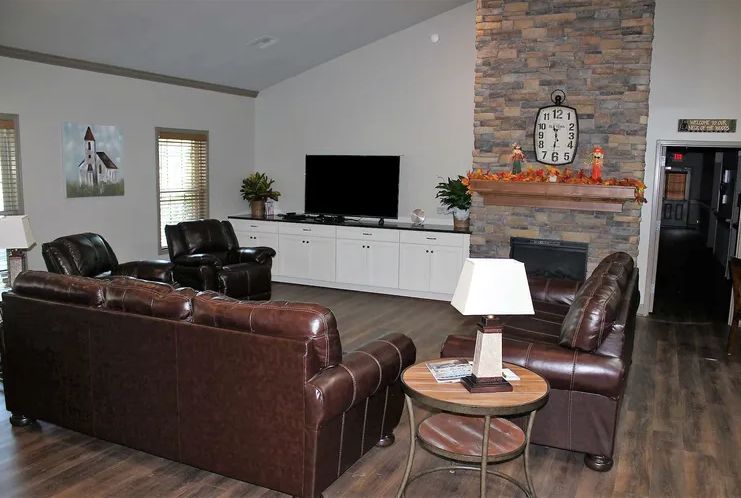
 Indoor common areas
 Move-in coordination
 Outdoor common areas
 Private bathrooms
 Respite or short term stays offered
 Telephone
 Wheelchair accessible showers
 Wi-Fi/high-speed internet available
 24-hour supervision
 Ambulatory care
 Assistance with bathing
 Assistance with dressing
 Assistance with transfers
 Diabetes diet
 Diabetic care
 Hospice waiver
 Meal preparation and service
 Medication management
 Mental wellness program
 Special dietary restrictions
 Transportation arrangement (medical)
 Transportation to doctors appointments
 Birthday parties






 A Holistic Dementia Care Guide: Effective Strategies for Memory Support
 Memory Care Pathways: A Holistic Guide to Dementia Support
 Comprehending Evening Confusion in Dementia: Causes, Manifestations, and Support