
251 Hidden Acres Circle, Chelsea, AL 35043
To contact a resident: (205) 678-8906
For more information about senior living options: (866) 208-4318
Chelsea's Hidden Acres Assisted Living Costs & Pricing
At Chelsea's Hidden Acres Assisted Living, the monthly costs for accommodations reflect a competitive pricing strategy compared to both Shelby County and the broader Alabama state averages. For a private room, residents incur a monthly fee of $2,852, significantly lower than the average of $4,346 in Shelby County and $4,158 statewide. Similarly, the semi-private room option is offered at an equivalent rate of $2,852, which also stands out against county costs averaging $4,144 and state averages around $3,495. This pricing structure not only emphasizes Chelsea's commitment to affordability but also positions it as a valuable choice for families seeking quality assisted living options without compromising on care or community amenities.
| Floor plans | Chelsea's Hidden Acres Assisted Living | Shelby County | Alabama |
|---|---|---|---|
| Private | $2,852 | $4,346 | $4,158 |
| Semi-Private | $2,852 | $4,144 | $3,495 |
Senior living communities with a similar price nearby
-
from +$148 / mo
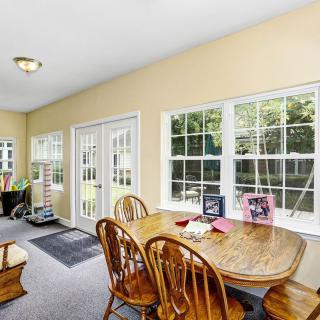
Columbia Cottage Mountain Brook
$3,000 to $5,190 / month14.0 miles away -
from -$292 / mo

Galleria Woods, a CCRC
$2,560 to $5,550 / month11.6 miles away -
from +$538 / mo
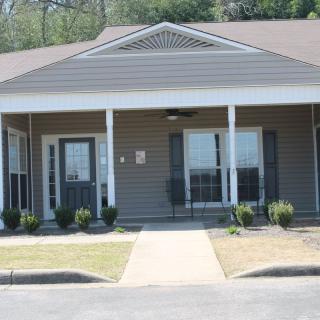
Gardens of Pelham
$3,390 / month9.9 miles away -
from +$348 / mo
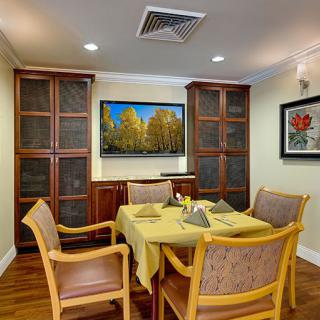
Lakeview Estates
$3,200 to $3,600 / month9.2 miles away -
from +$514 / mo
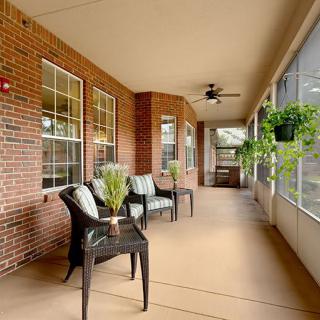
The Bungalows at Riverchase
$3,366 to $4,127 / month10.0 miles away
Overall Review of Chelsea's Hidden Acres Assisted Living
Pros
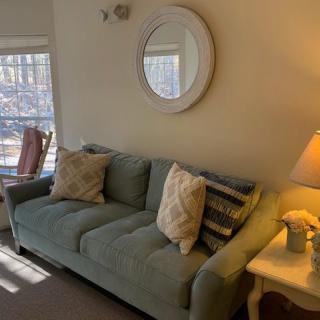
 It is a nice, comfortable home.
- The staff are always helpful and caring.
- Because of the small size, residents receive more individual attention.
- The family thanked Hidden Acres for all they did.
- Her mother is in good hands at the facility.
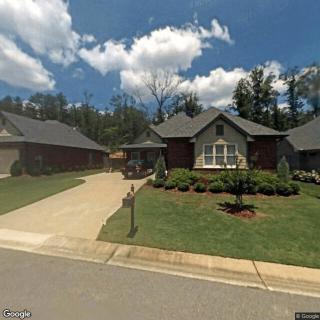
- The place is quaint, quiet, and homelike.
- The food smells wonderful.
- Today she loves it.
- It is a great place, well organized and clean.
Cons
 They were heartbroken that her grandmother had passed and that they could no longer visit the residents and staff as often.
- They warned that the facility should be named Shady Acres, implying distrust.
- They cautioned prospective buyers to beware of the place.
Review
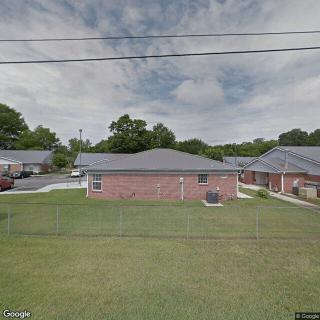
Chelsea's Hidden Acres Assisted Living in Chelsea, Alabama is best suited for seniors who want a small, homelike setting where staff know residents by name and care feels personal. The feedback consistently describes a quiet, comfortable home environment, with a small community dynamic that allows caregivers to give more individualized attention. Visitors note a well-organized, clean operation, and a warm, friendly staff presence that translates into tangible benefits for daily life. The sensory detail, food that smells inviting and a residence that feels quaint and approachable, helps create a sense of emotional security for residents and their families. This is not a bustling campus; it is a compact, easily navigated space where relationships matter.
Those who should consider alternatives are seniors whose needs extend beyond routine assisted living. If robust medical oversight, continuous skilled nursing, memory care, or a broader range of on-site programming is essential, a larger community with more formal clinical resources may be a better fit. The strongest caveat in the collected impressions is the existence of at least one negative verdict that urges buyers to beware; while details are sparse, it signals that not every experience aligns with the favorable consensus. Families prioritizing extensive services, diverse activities, or more comprehensive rehabilitation services should compare options to ensure a match with anticipated care trajectories.
The core advantages, the small size, attentive staff, and homelike atmosphere, largely offset potential downsides by delivering consistently high-touch care and a sense of belonging. Residents can receive more individual attention because staff aren’t stretched across a vast campus, and families repeatedly note responsiveness, helpfulness, and genuine warmth. The intimate setting appears to support mood and daily functioning, with anecdotes of improvements in mood and physical appearance when a loved one settles in. In short, the personal touch and calmer pace can be a decisive offset to the absence of larger-scale amenities.
However, the limited scale and the occasional cautionary note from reviewers mean certain expectations should be managed. Prospective families should verify the exact scope of medical support, the availability of regular on-site healthcare, and how care plans are coordinated with external providers. The negative review, phrased as a buyer beware warning, serves as a reminder to conduct thorough, on-site evaluations, observe daily routines, and question consistency of staff coverage during peak times. This is not a red flag for everyone, but it is a prudent nudge to perform due diligence before committing.
From a decision-making standpoint, the place stands out for those who value emotional resonance and daily comfort over a full-service, multi-campus experience. The repeated praise for being well organized, clean, and “warm and friendly” reinforces confidence that residents will enjoy stable routines, predictable routines, and meaningful interpersonal connections. Families should focus their questions on whether the current care model can accommodate evolving needs, what triggers a higher level of medical involvement, and how family involvement is integrated into care planning. The practical upside is clear: a small, responsive home where residents tend to settle in with noticeable improvements in mood and overall well-being.
In the end, Chelsea's Hidden Acres is a compelling option for families seeking a quiet, neighborly environment where caregivers deliver genuine, individualized attention. It is less well-suited for those whose loved ones require extensive medical programming or a broader set of on-site services. The decision should hinge on current and anticipated care needs, willingness to accept a smaller community footprint, and comfort with the proven strengths of staff engagement and homelike living. A thoughtful visit, watchful of staffing rhythms, resident interaction, meal experience, and daily routines, will reveal whether this small, well-kept home will be the right match, or if another community with broader clinical resources is warranted.
 Board and Care Home
 Cats allowed
 Dogs allowed
 Activities on-site
 Beautician on-site
 Devotional services off-site
 Indoor common areas
 Outdoor common areas
 Private
 Private bathrooms
 Respite or short term stays offered
 Birmingham International (21 miles away)
 Ambulatory care
 Diabetic care
 High acuity care
 Incontinence care
 Medication management
 Meals provided

 Powerful Realities of Elder Abuse and the Most Effective Ways to Report It
 Ten Vital Duties of a Senior Caregiver: A Comprehensive Guide
 9 Stimulating Memory Activities for Seniors: Puzzles, Cards, and Much More