
245 Hidden Acres, Chelsea, AL 35043
For more information about senior living options: (866) 208-4318
Overall Review of Chelsea's Hidden Acres
Pros
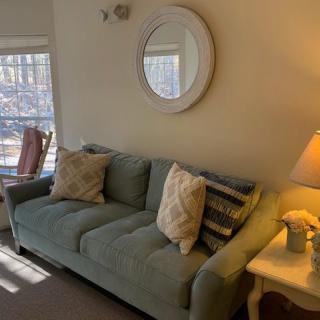
 Chelsea’s Hidden Acres is described as a hidden gem and feels more like a home than a facility.
- The staff, including the administrator, are amazing and go above and beyond to make residents feel like family.
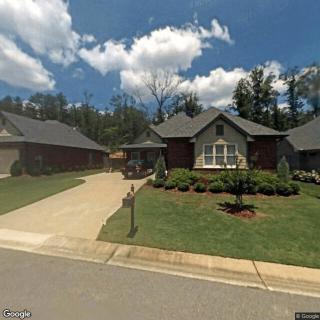
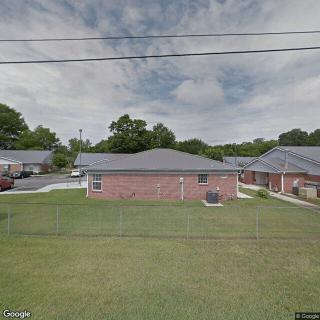
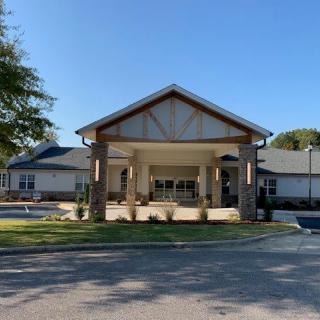
- The building is beautiful and the grounds are immaculate.
- The residents are described as a family, not just residents.
- The front porch with rocking chairs is a cherished gathering place, offering views of nature.
- The surrounding nature and wildlife create a serene, beautiful setting.
- The care provided is described as phenomenal and comforting for families.
- The facility feels not like a nursing home, with a warm, homey atmosphere and even a Hallmark-like feel during holidays.
- The staff are kind, attentive, and consistently provide excellent care.
- The overall setting and living arrangements are described as wonderful, making residents feel at home.
Review
Chelsea’s Hidden Acres is best suited for seniors who want a compact, home-like setting where staff know residents by name, care feels personal, and life remains serene rather than institutional. It shines for families seeking a smaller community that prioritizes warmth, comfort, and a “family” atmosphere over corporate polish. The property reads as a lived-in home with a front porch that serves as the social hub, tranquil views, and grounds that invite outdoor moments. This is not a facility designed to mimic a hospital wing; rather, it aims to recreate the ease and familiarity of home life, where residents are treated like extended family.
Those considering alternatives should note that Chelsea’s Hidden Acres may not meet every care objective. If the priority is robust clinical oversight, complex medical interventions, or a large, highly structured program with round-the-clock nursing, a bigger, institutionally oriented community could be a better fit. Families with seniors who need intensive mobility assistance, frequent medical management, or highly scheduled, diverse activities across a broad campus may find a larger setting more capable of meeting those demands. Likewise, if a highly active, independent lifestyle with many off-site excursions is a must, a more expansive option may be preferable.
The strongest upside rests with the staff-driven, homey philosophy. Caregivers and administrators are repeatedly praised for kindness, attentiveness, and going above and beyond, a dynamic that translates into consistently clean rooms, well-kept common areas, and a caregiving approach that feels intimate rather than procedural. Residents’ rooms come across as pleasant and well-maintained, and the front porch scene, with rocking chairs and natural scenery, facilitates casual, meaningful interactions among residents and with staff. The setting itself reinforces calm, familiar routines that many older adults crave as they transition away from independent living.
A second major strength is the social fabric of the community. Families speak of extended-family warmth, genuine affection, and daily opportunities to connect, whether on the porch, in the puzzle room, or during shared activities. The atmosphere feels more like Hallmark-worthy living than a clinical environment, which matters for mood, motivation, and a sense of belonging. For residents who value companionship and low-stress social engagement, the combination of friendly residents and approachable staff creates a daily rhythm that reduces loneliness and fosters perceived security and happiness.
Where the model may pose trade-offs, they tend to revolve around scale and formal medical services. The intimate, home-centered approach can mean less formal programming and fewer on-site healthcare resources than larger campuses. For families, this translates into a practical question: does the care plan align with the resident’s medical needs and the anticipated level of clinical support? Some households will prefer ongoing, onsite access to a broader care continuum, while others will value the peace of mind that comes with a smaller, less clinical setting, even if it means coordinating certain services externally.
In deciding, families should lean into their senior’s temperament and needs. A tour to observe genuine interactions between staff and residents, to experience the front-porch culture, and to verify how personal care tasks are handled will reveal whether the pace and ethos match expectations. The administrator’s leadership, Paula, emerges as a cornerstone of the positive experience, and building a rapport with her can signal how responsive the community will be to changing needs. Chelsea’s Hidden Acres offers a compelling, well-loved home environment; it excels where comfort, companionship, and a gentle pace trump formal medical heft.
 16 resident community capacity
 Assisted Living
 Board and Care Home
 Cable or satellite TV
 Dining room
 Fully furnished
 Garden
 Housekeeping services
 Move-in coordination
 Outdoor space
 Telephone
 Wi-Fi/high-speed internet available
 Birmingham International (21 miles away)
 24-hour supervision
 Activities of daily living assistance
 Assistance with bathing
 Assistance with dressing
 Assistance with transfers
 Diabetes diet
 Meal preparation and service
 Medication management
 Special dietary restrictions
 Transportation arrangement (medical)
 Transportation to doctors appointments

 A Detailed Exploration of Assisted Living Medicaid Waivers Across the United States
 Comprehensive Residential Support and Assisted Living Solutions for Individuals with Disabilities
 Comprehensive Supportive Living Arrangements for Adults with Disabilities