

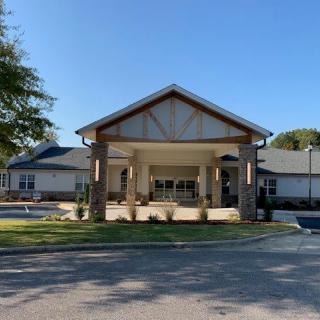
137 Narrows Peak Circle, Birmingham, AL 35242
To contact a resident: (205) 981-1926
For more information about senior living options: (866) 208-4318
Overall Review of Seniors helping Seniors Birmingham
Pros
 Pathlight provides consistent professional and caring employees.
- Marva is a warm and compassionate voice who puts families at ease.
- The caregivers deliver around-the-clock care when needed, keeping loved ones well cared for.
- Clients describe Pathlight as caring, professional, kind, and gracious.
- The staff treat patients like family, with love, respect, and compassion.
- Marva and her team are devoted, attentive, and able to guide families through difficult times.
- Families feel grateful and consider Pathlight a trusted, extended part of their family.
- The service is flexible and reliable, adapting to changing care needs.
Cons
 They had problems with people not showing up or it being a different person every time.
Review
Seniors Helping Seniors Birmingham is best suited for families seeking deeply compassionate, in-home care that feels personal and reliable, with stable, long-tenured caregivers who can fluidly support independent living, rehab, and even hospice-oriented needs. This community, as reflected in strong client experiences, excels when the plan is to keep a loved one at home while receiving steady hands-on assistance that blends practical help with genuine warmth. It is especially strong for those who value a relationship-first approach, where caregivers and leadership become trusted extensions of the family’s caregiving team. When the goal is continuity, familiarity, and a sense of “home,” this option stands out.
The core advantages are striking and specific. Consistency tops the list: caregivers stay the course, avoiding the turnover that undermines care quality at other agencies. Families repeatedly note that the team arrives prepared, professional, and with a steady, personable presence, even as needs evolve. The leadership, embodied in hands-on involvement and rapid, thoughtful planning, transforms stress into clarity. The ability to scale to 12-hour shifts and provide around-the-clock support during hospital stays or hospice at home is a decisive edge. Such flexibility means a loved one can remain in familiar surroundings without sacrificing dependable assistance during critical moments.
There are meaningful caveats to consider, but they are manageable given the demonstrated strengths. The service model centers on in-home care rather than a traditional, on-site medical facility, so those requiring constant on-site medical supervision or a highly structured campus environment should explore facility-based options. Pricing is described as favorable, and the reviews emphasize value through dependable staffing and personalized attention. For families who prioritize a steady caregiver alliance and direct access to leadership, these aspects more than offset the lack of a brick-and-mortar setting. In short, effectiveness hinges on appreciating home-based care’s intimate, relationship-driven design rather than expecting institutional amenities.
The narrative from families underscores what truly matters: care that respects dignity and empowers a loved one to live at home with grace. Examples include rapid mobilization for a hospital stay, ongoing support through rehab and dementia-related challenges, and the comfort of knowing care teams function as an extended, trusted circle. One story highlights a same-day placement for an overnight sit, followed by dependable, compassionate service. Others describe staff becoming “family,” with the care team helping navigate long-term planning, benefits, and emotional transitions with sensitivity. The overarching impression is that leadership and staff bring patience, warmth, and practical know-how to every situation.
For families weighing options, a practical decision framework emerges. If the priority is reliable, empathetic care delivered in the home with a team that can scale to long hours and complex scenarios, this option is compelling. If the preference leans toward ongoing access to formal medical supervision on a campus, or if daily life would be better served by the social and structured routines of a traditional assisted living community, alternatives should be considered. In either case, insist on clarity about caregiver consistency, responsiveness, and the extent of medical oversight. This community’s proven strengths lie in its people and its ability to keep care intimate, steady, and humane.
In sum, Seniors Helping Seniors Birmingham delivers exactly what families seeking at-home, relationship-centered care should demand: dependable caregivers, quick leadership engagement, and a home-first approach that preserves dignity through serious health journeys. The model shines brightest for those who want a trusted, extended family supporting a loved one through recovery, dementia care, and end-of-life moments, all without uprooting daily life into a facility. Alternatives belong on the radar for cases requiring a more formal medical environment or broader campus-based programming; for in-home care defined by constancy, compassion, and practical know-how, this option earns a clear, confident recommendation.
 Birmingham International (14 miles away)







 Is a Geriatric Care Manager the Right Choice for Your Family?
 Compassionate Conversations: How to Comfort Someone Who Is Grieving
 Home Health Care Aides: Understanding Their Role and Supporting Your Family