The Bluffs at Greystone offers competitive pricing for its accommodations, making it an attractive option within both Shelby County and the broader Alabama market. For instance, a studio apartment is priced at $2,995, significantly lower than the county's average of $3,700 and slightly beneath the state's average of $3,279. Moving to one-bedroom units, The Bluffs remains affordable at $3,995 compared to Shelby County's $3,556 and Alabama's statewide rate of $3,417. When considering two-bedroom options and semi-private rooms, The Bluffs continues to present compelling value; both are available for $4,995 each, which is notably higher than the state average but still more reasonable when juxtaposed against Shelby County's costs of $4,572 and $4,144 respectively. Overall, The Bluffs at Greystone provides a cost-effective alternative while maintaining a high standard of quality care and living amenities.
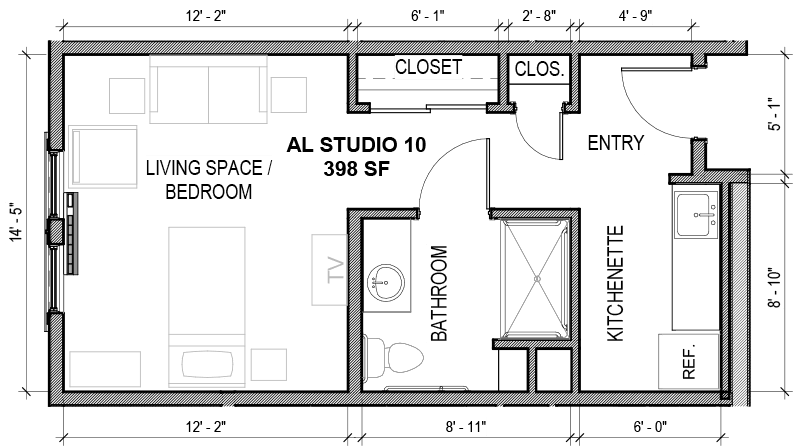
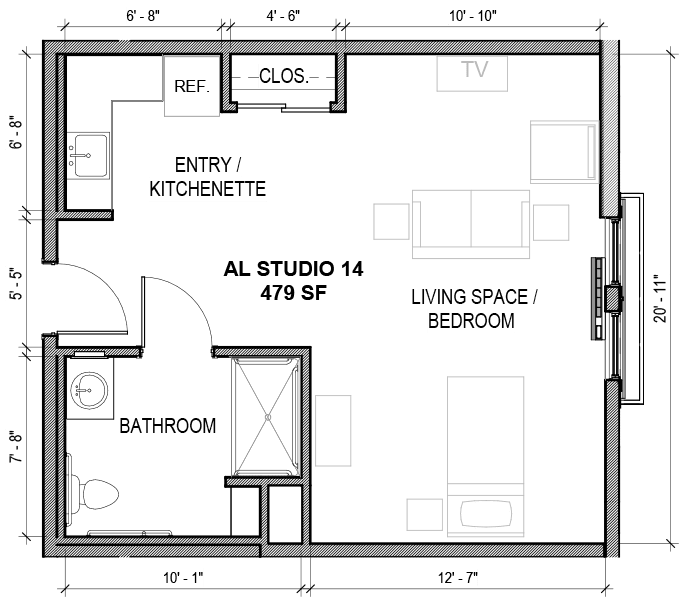
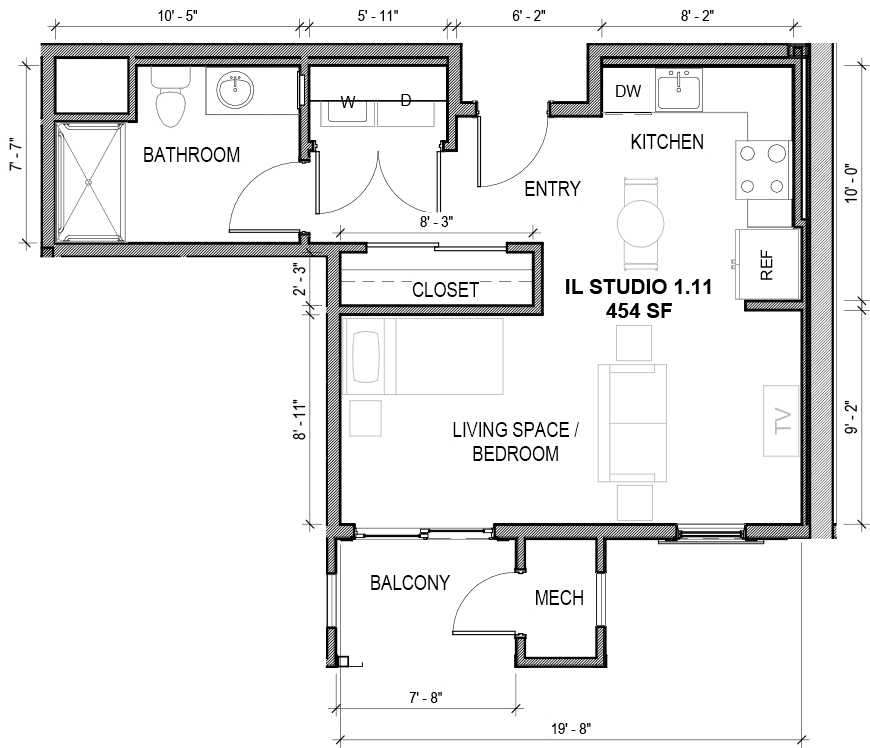
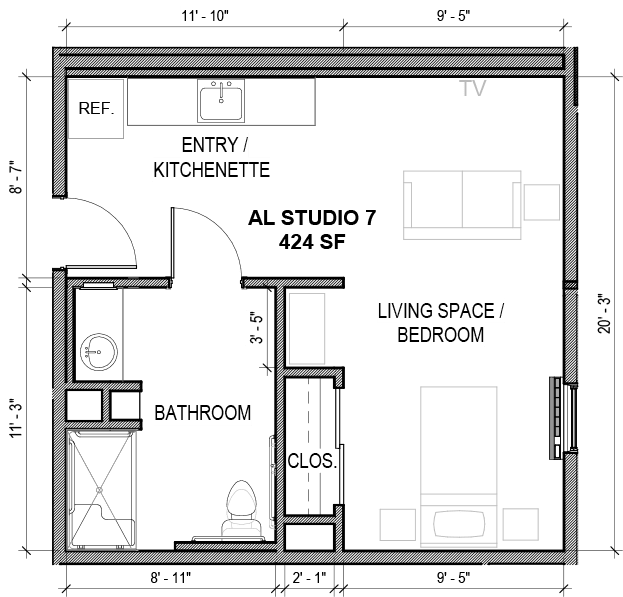
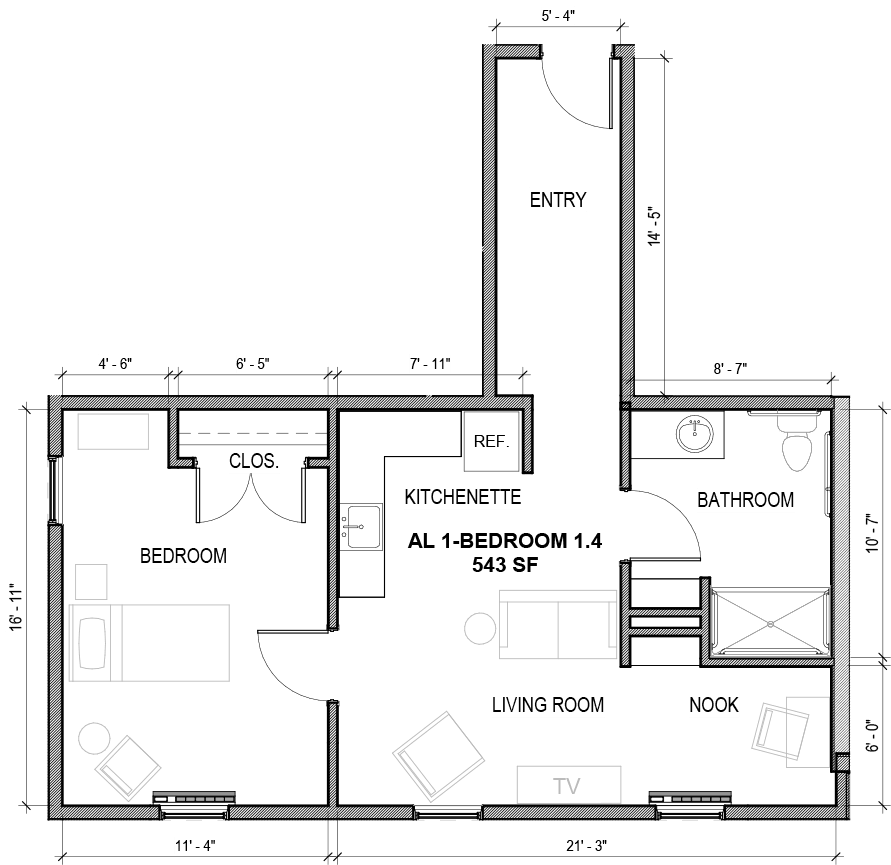
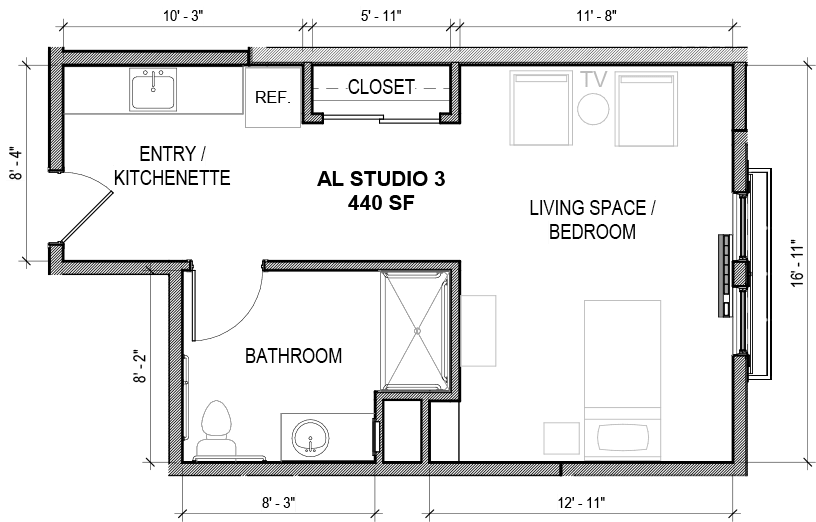
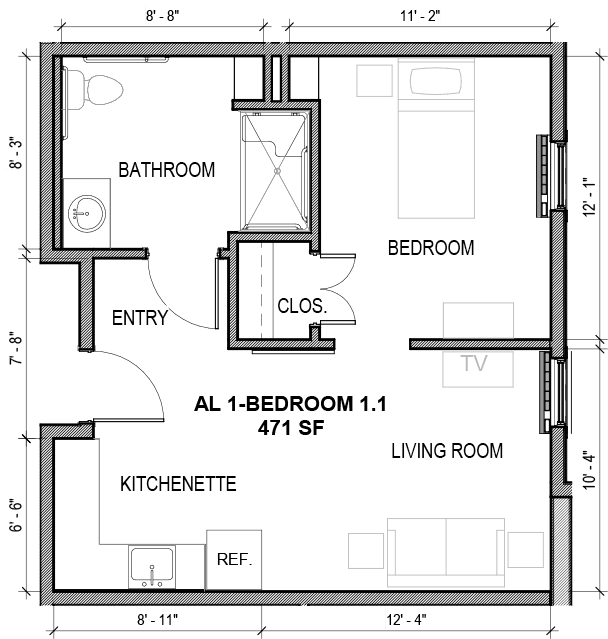
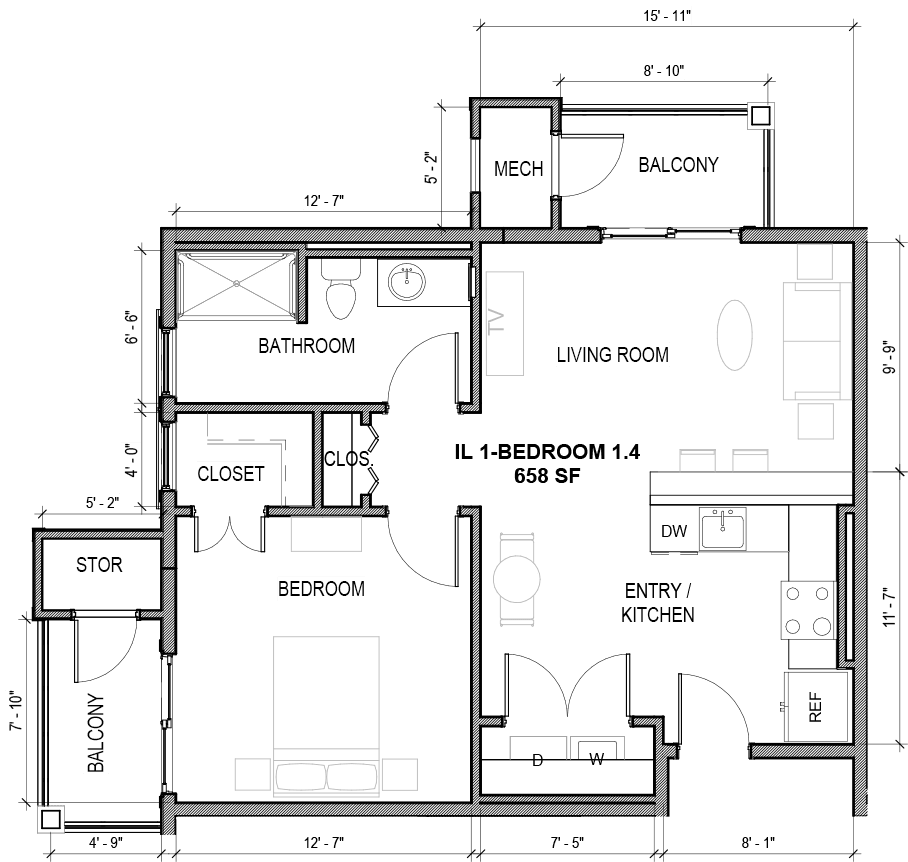
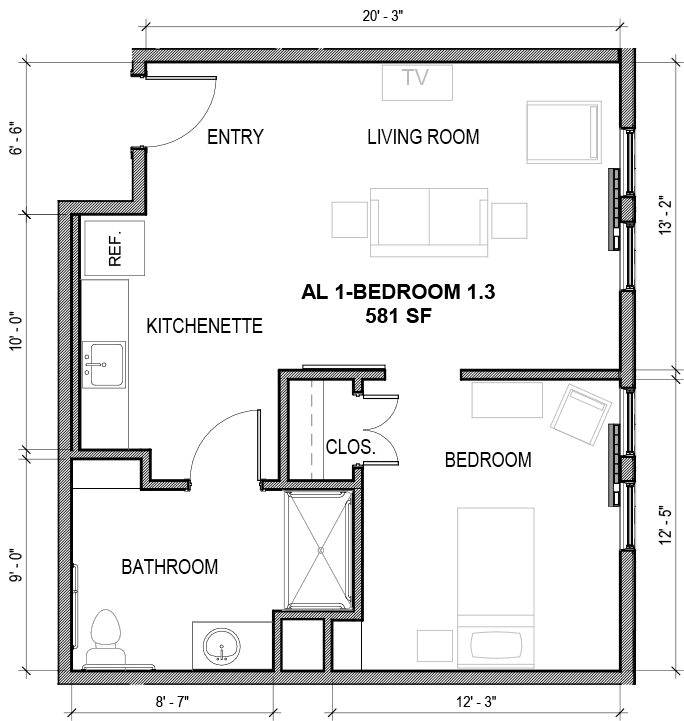
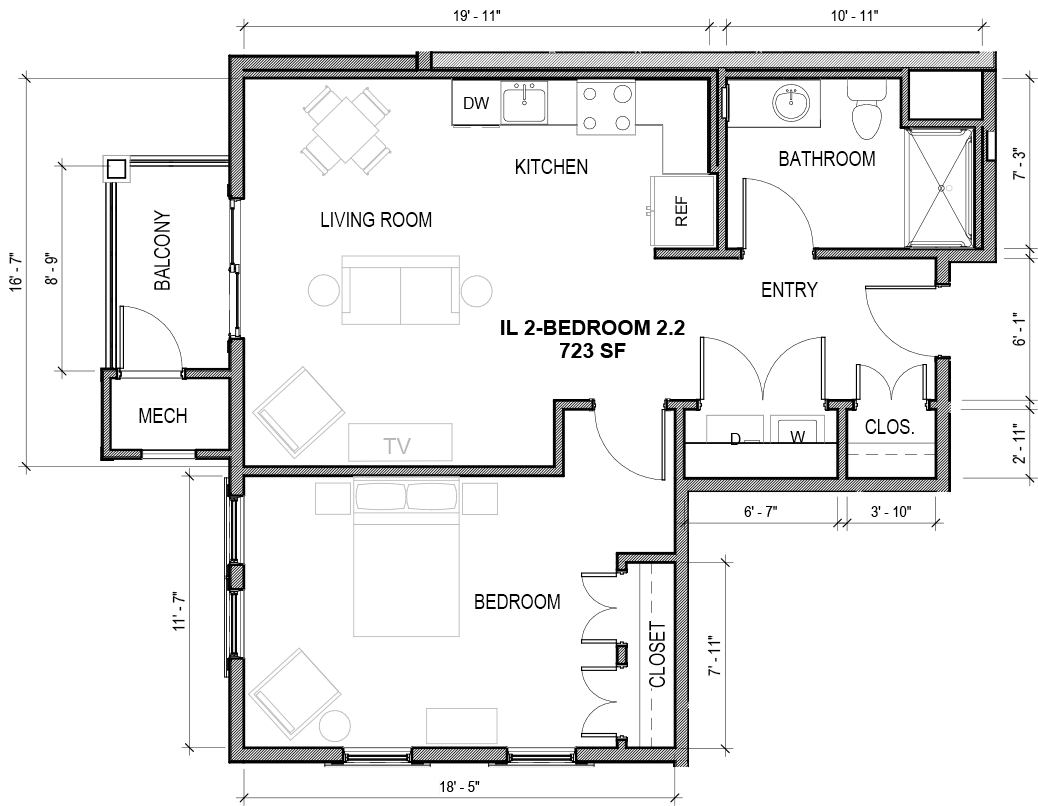
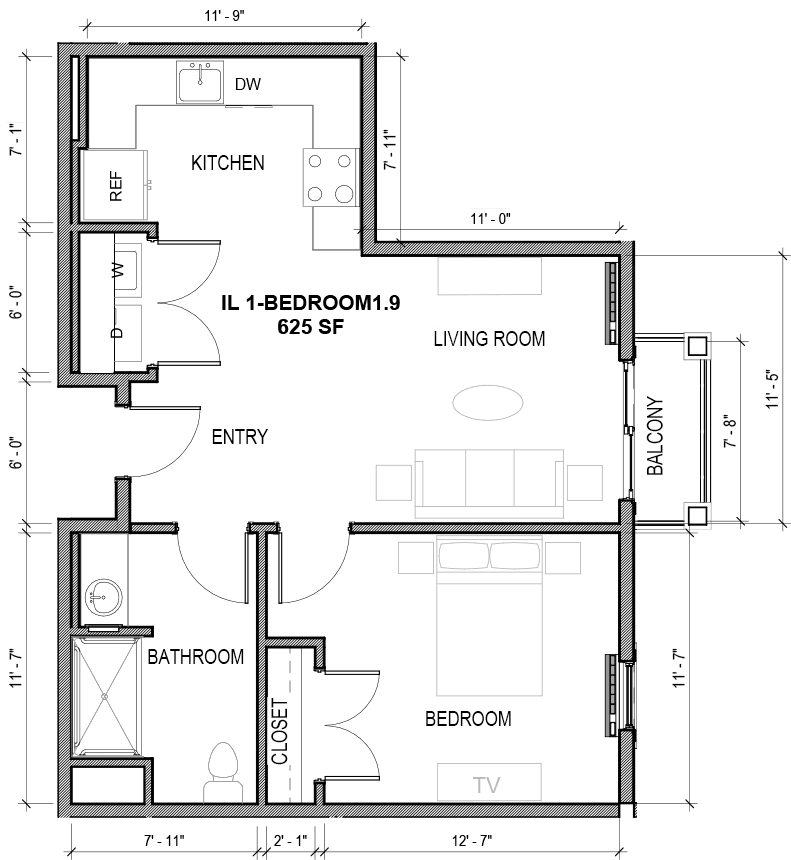
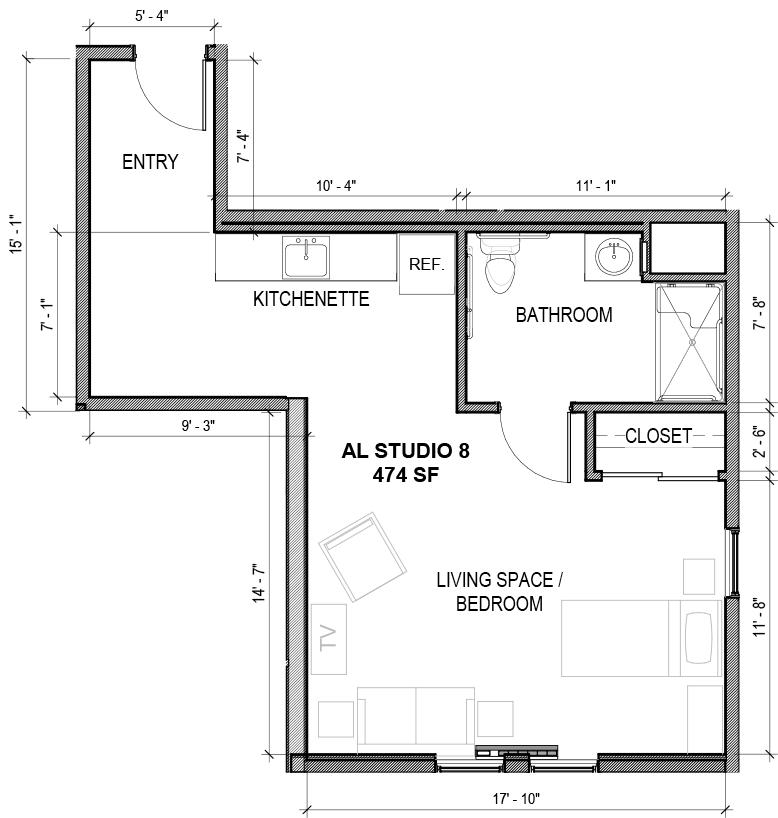
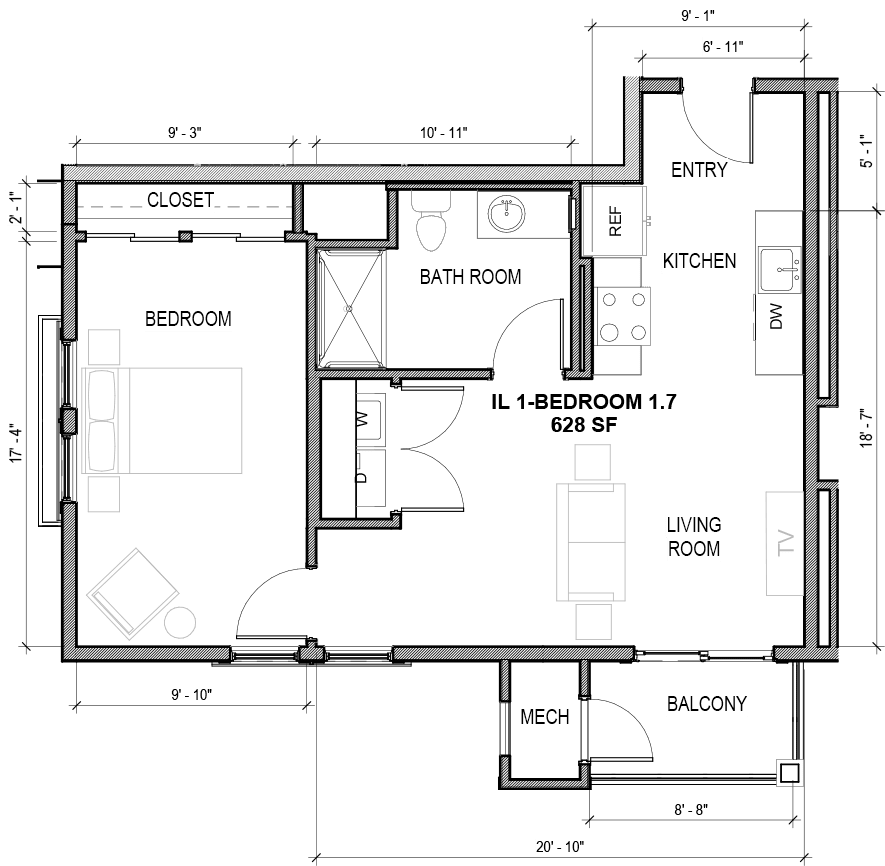
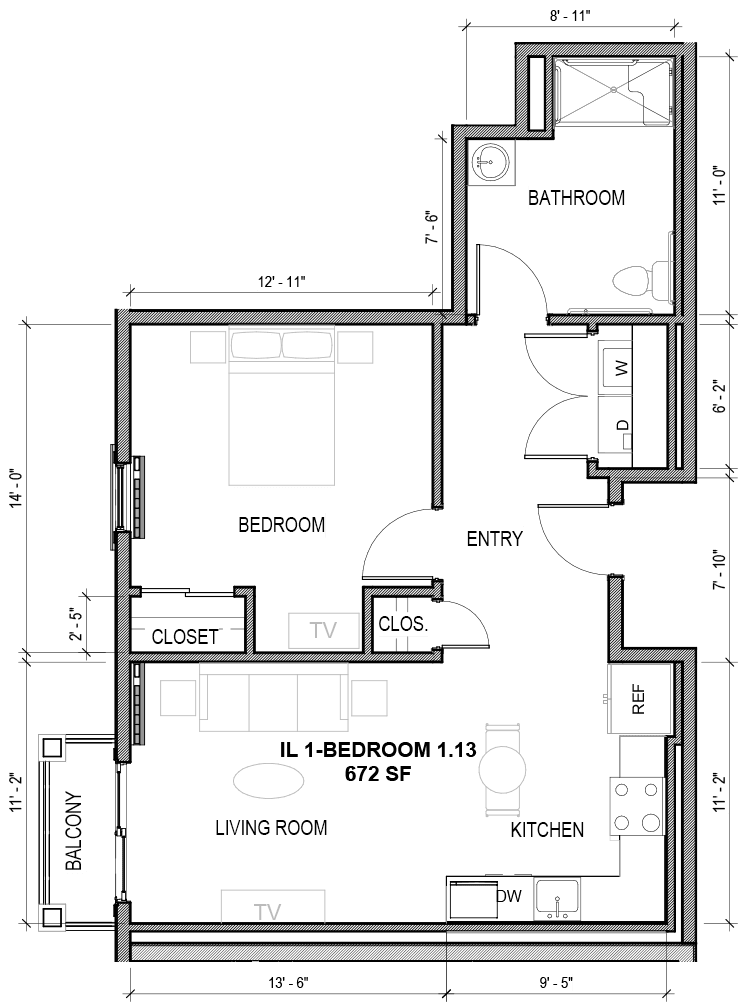
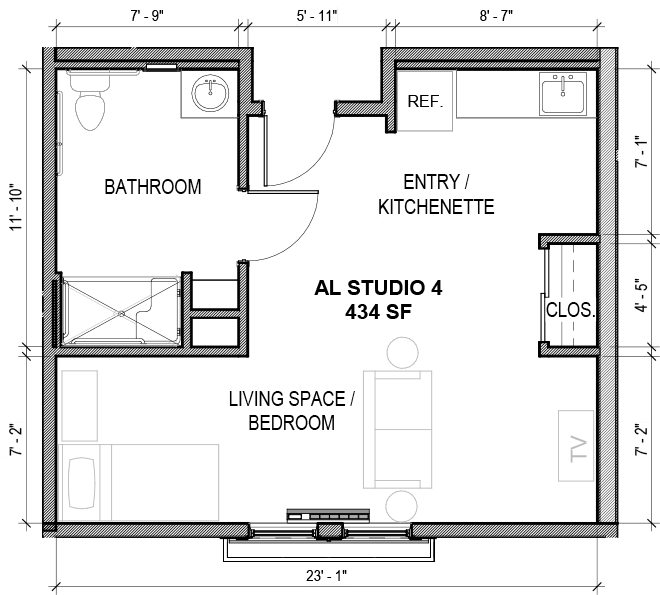
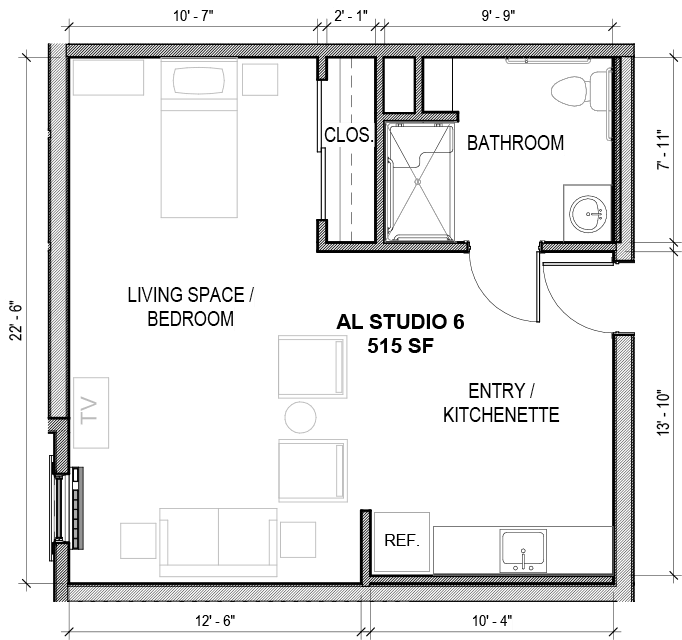
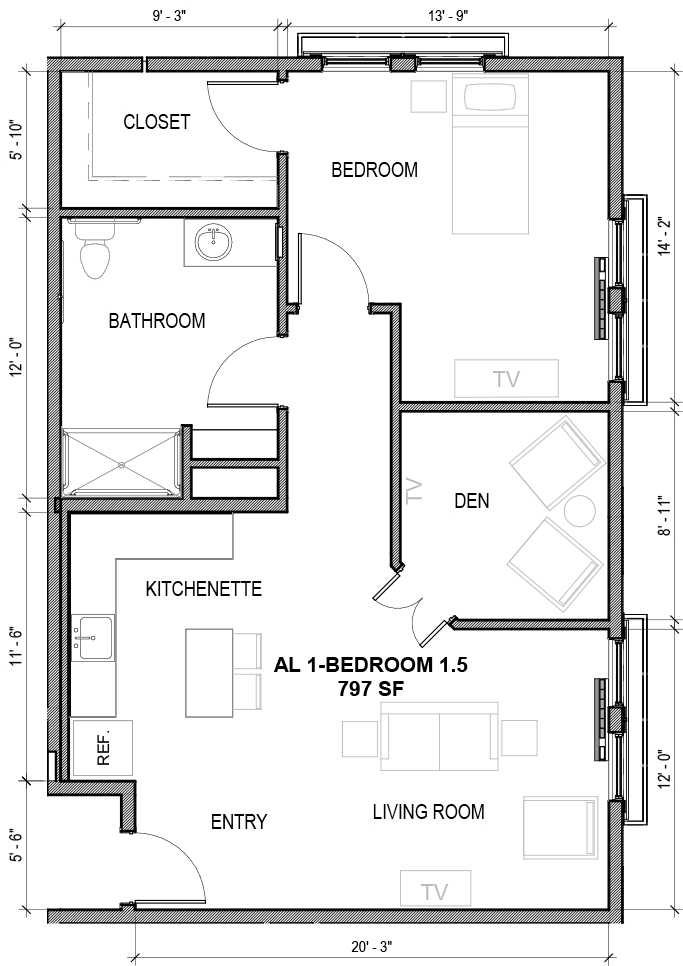
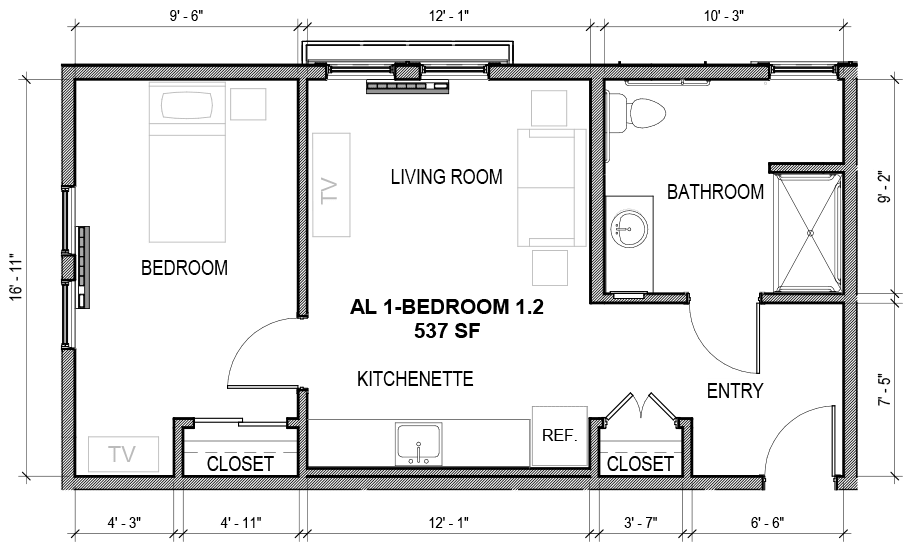
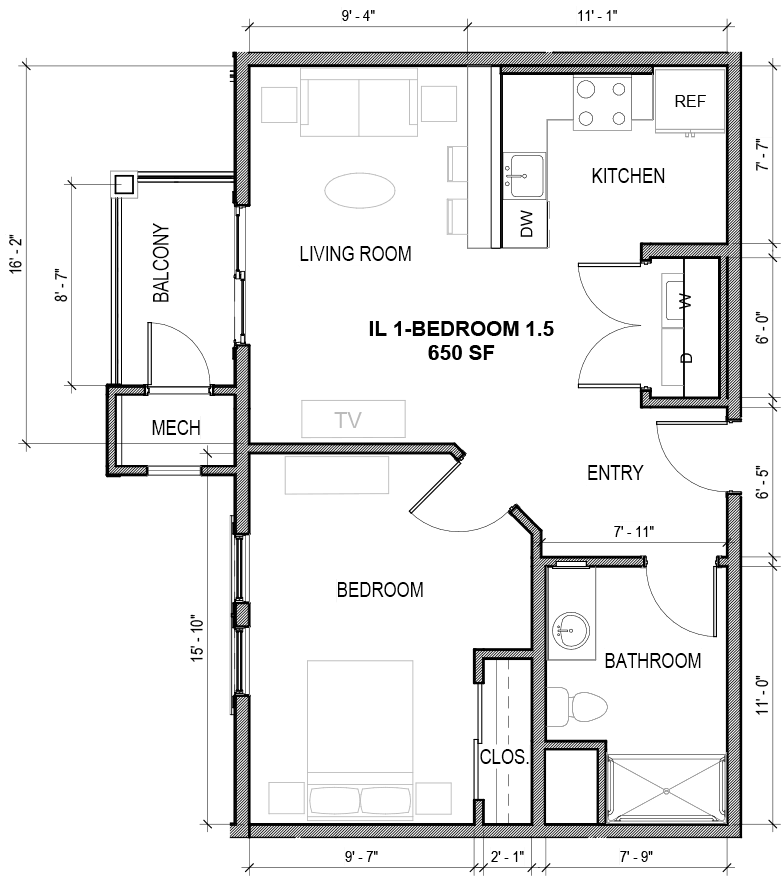
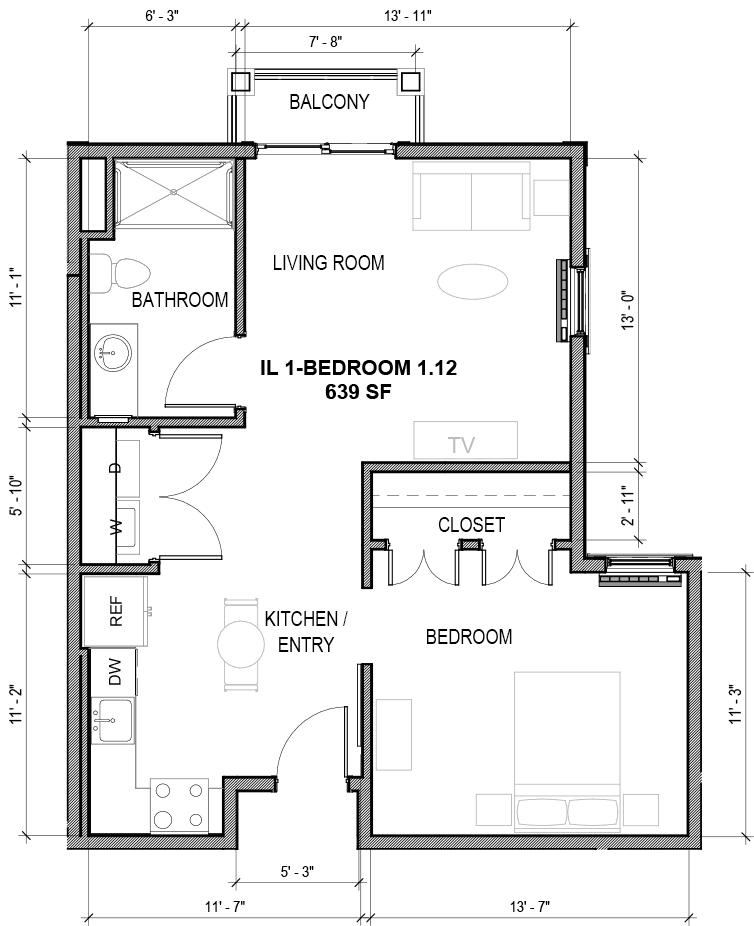
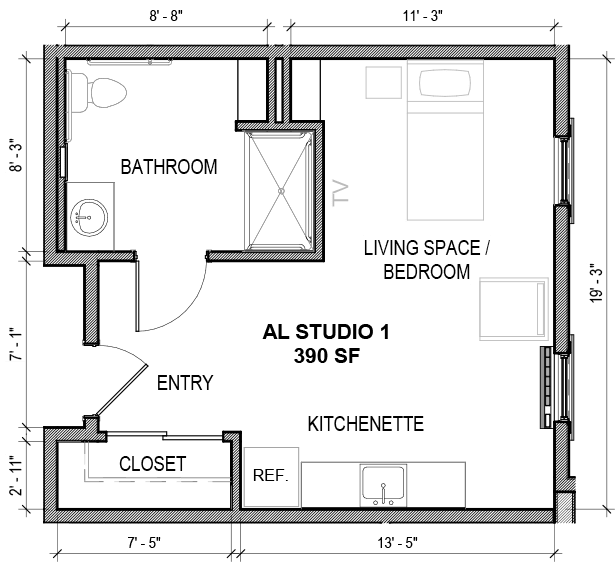
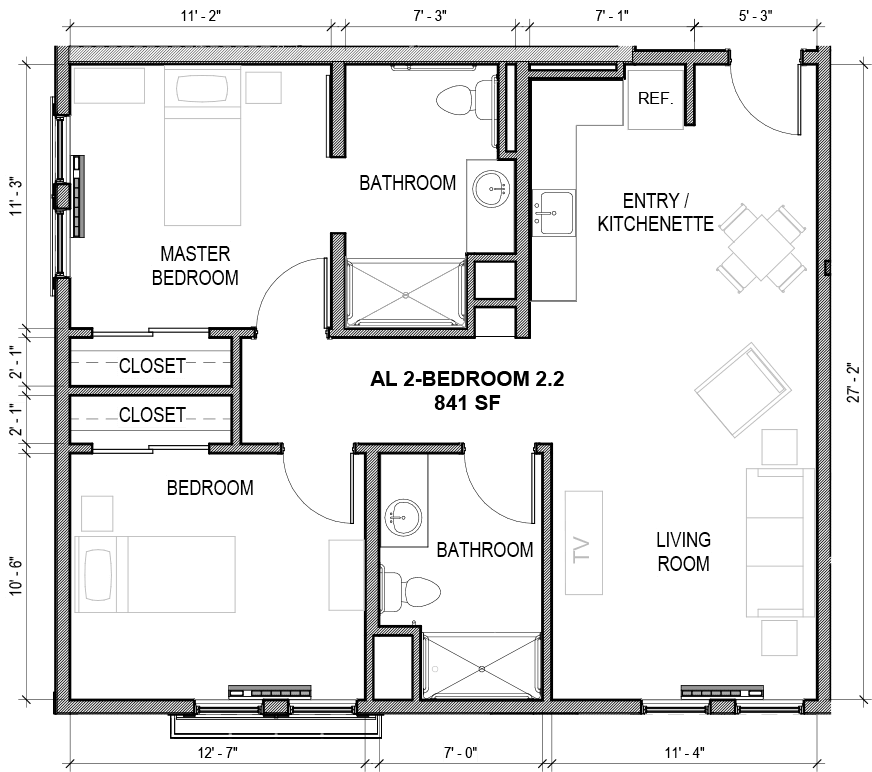
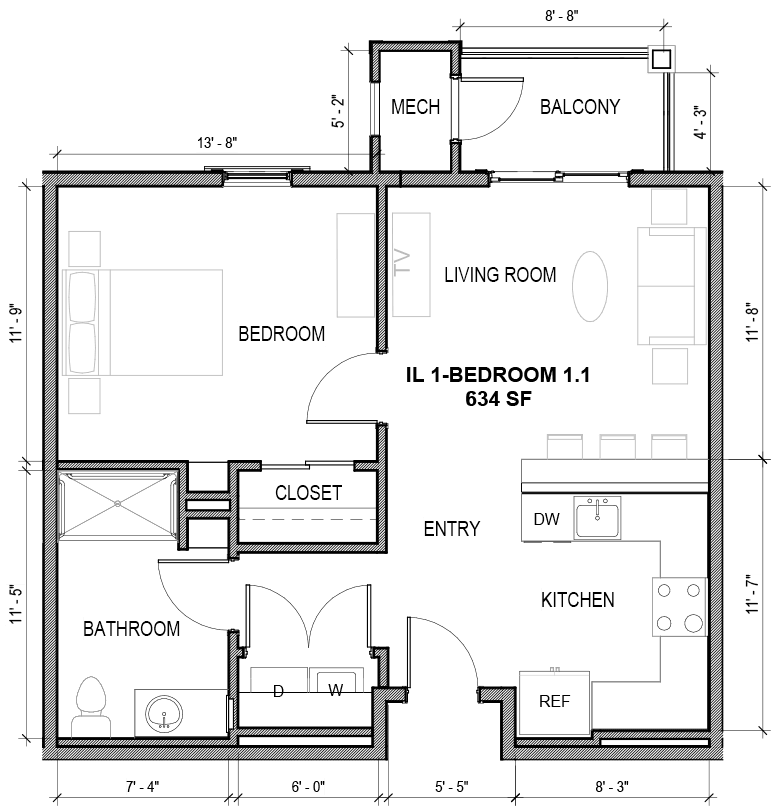
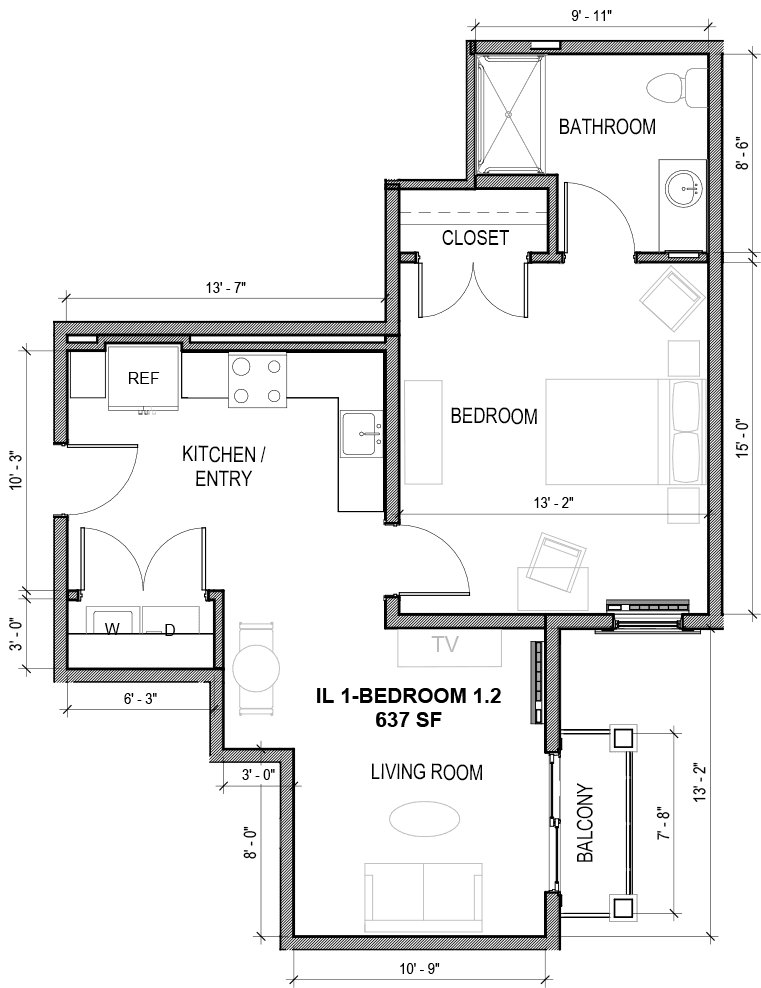
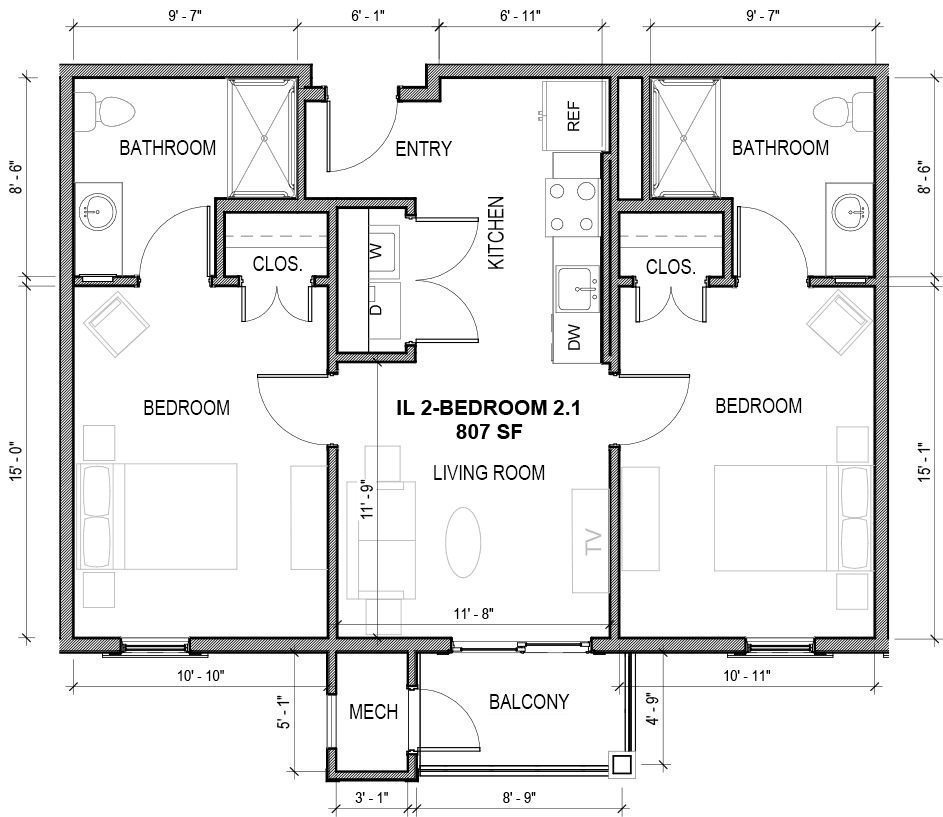
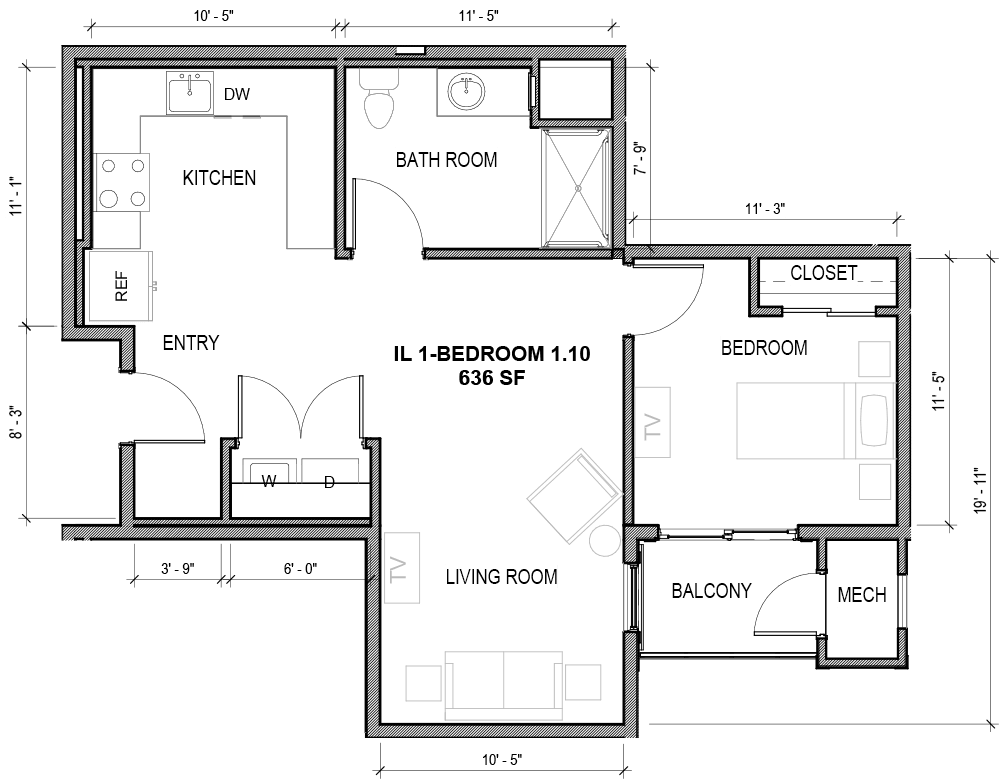
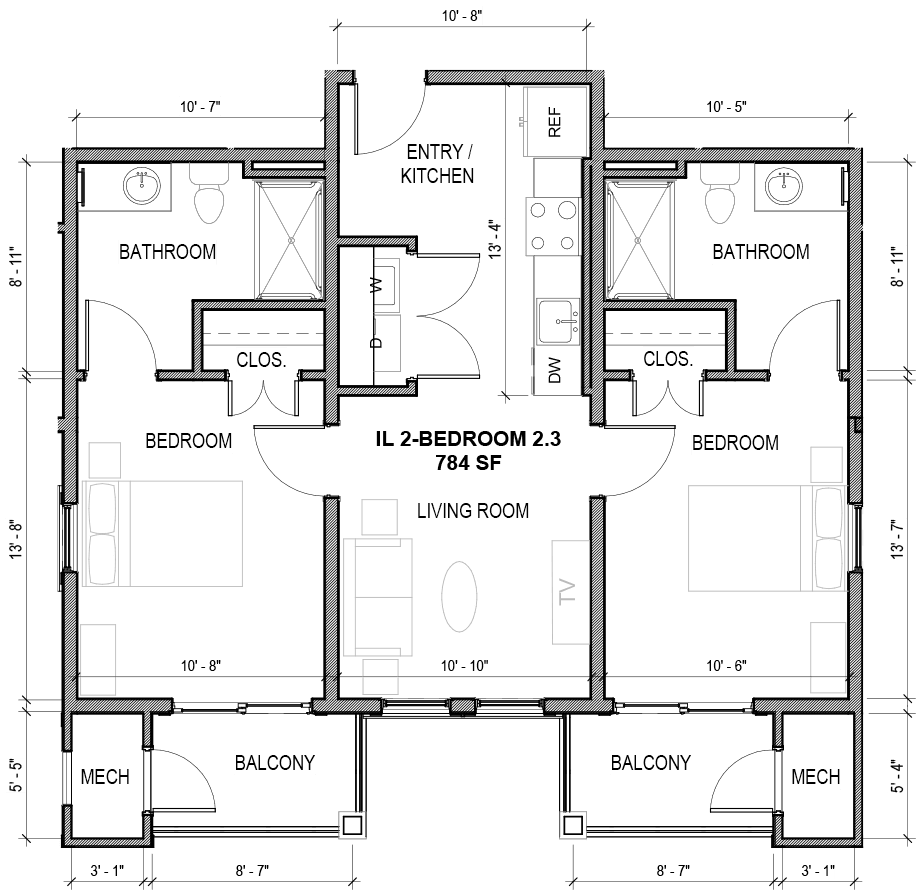
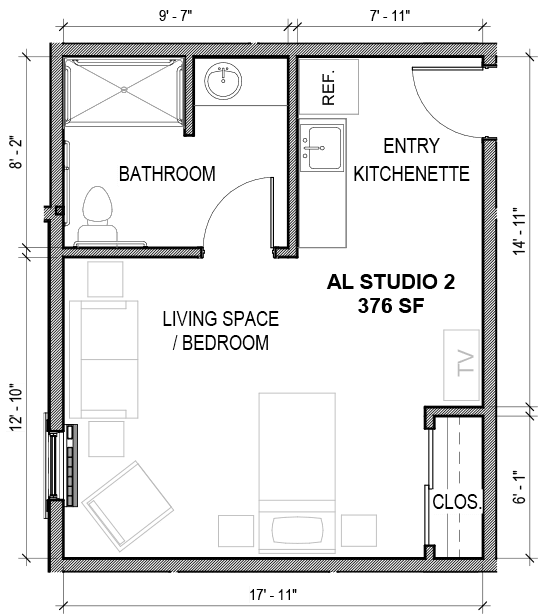
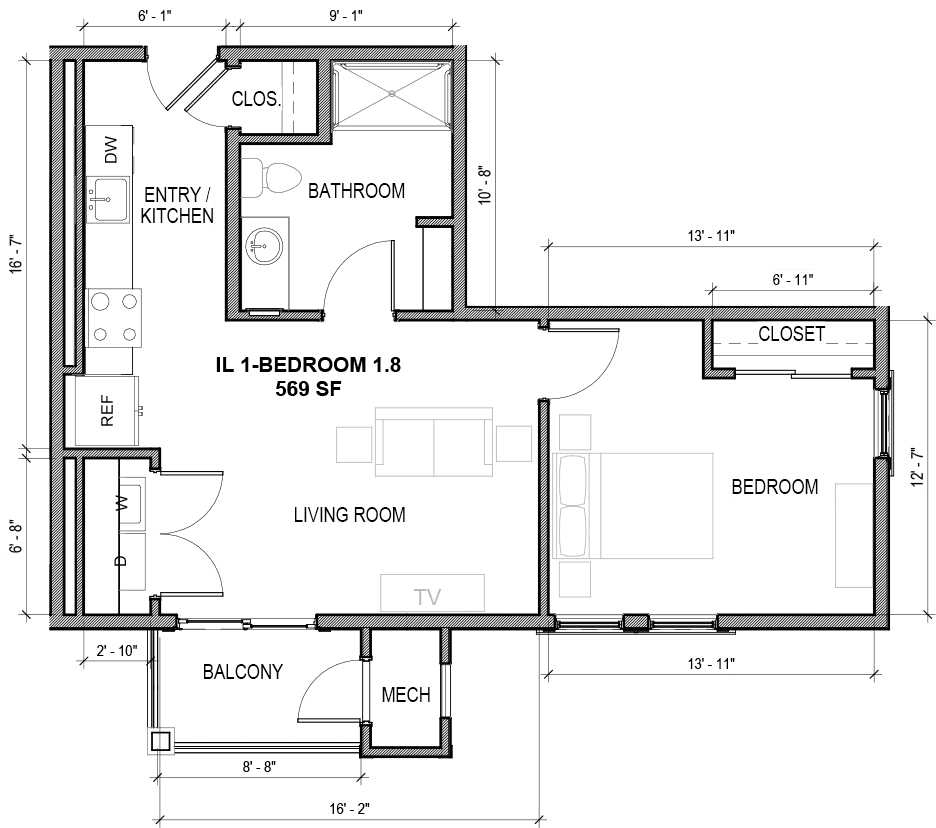
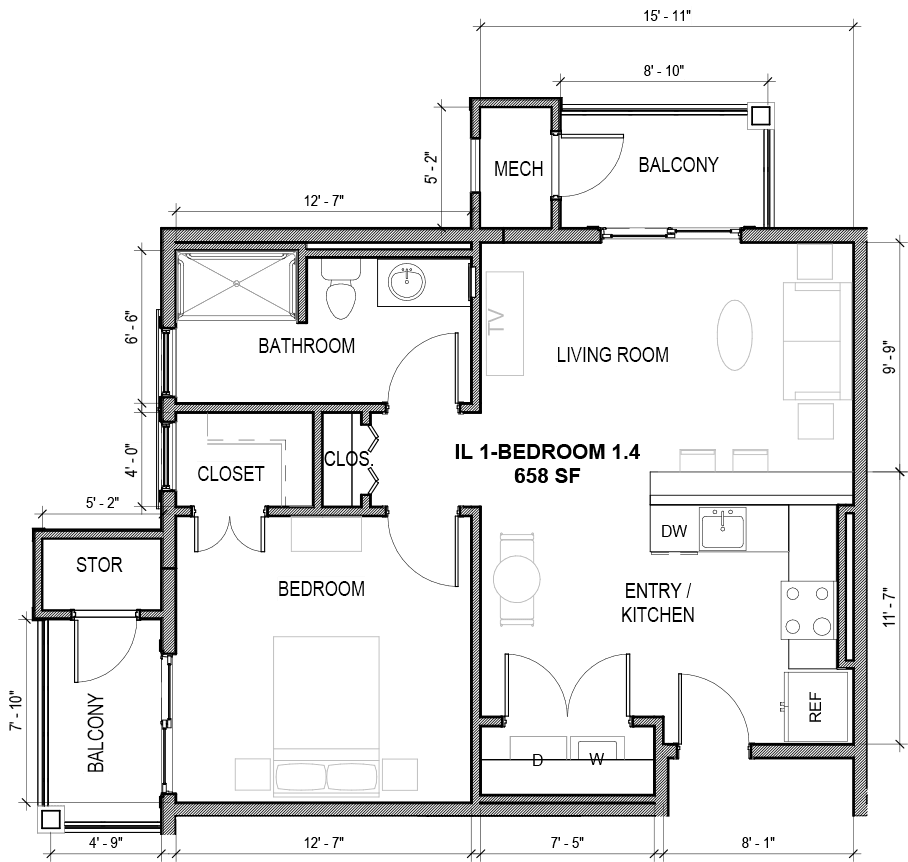
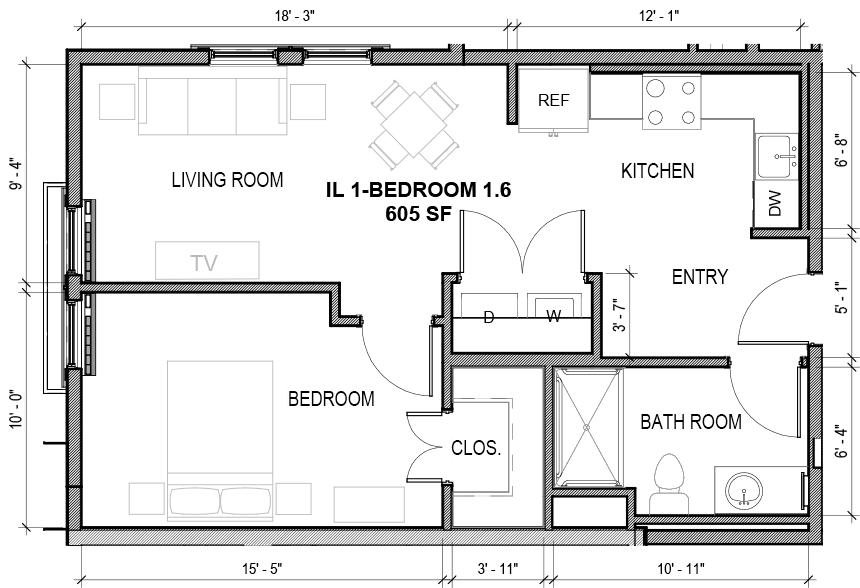
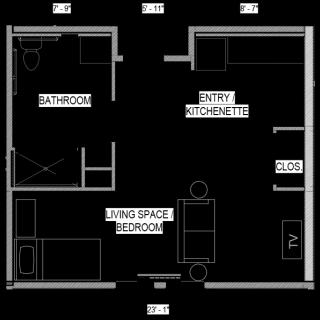
Floor plans
The Bluffs at Greystone
Shelby County
Alabama
Studio
$2,995
$3,700
$3,279
1 Bedroom
$3,995
$3,556
$3,417
2 Bedrooms
$4,995
$4,572
$3,788
Semi-Private
$4,995
$4,144
$3,495
Memory care communities with a similar price nearby
Residents and families consistently describe staff as friendly and responsive to requests.
Many reviews highlight staff members who are kind, helpful, and take requests seriously, including during transitions into assisted living or memory care. Several reviewers also mention that staff know residents well and help families feel supported. A few residents specifically describe feeling encouraged and cared for day to day.
common8 reviews mention this
Food and dining experiences
Dining comes up often, with residents describing consistently good meals and special events.
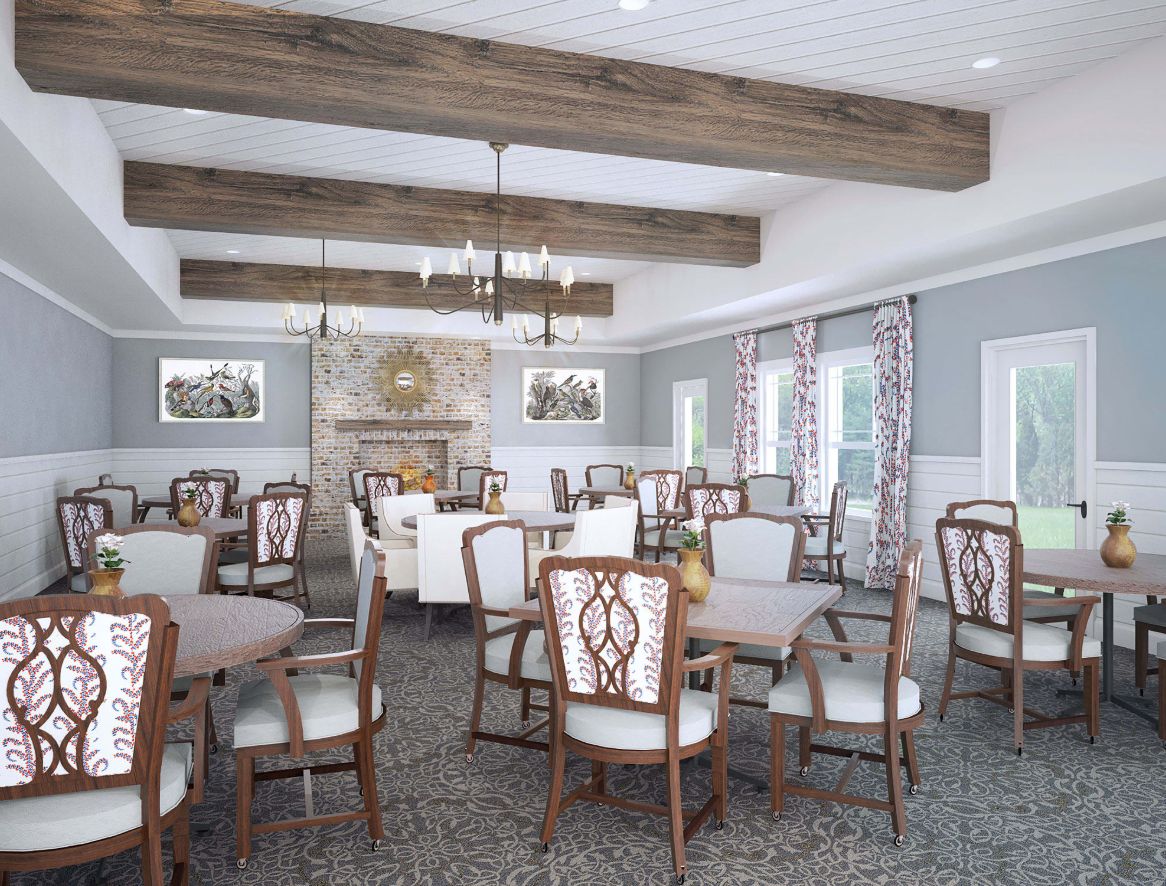
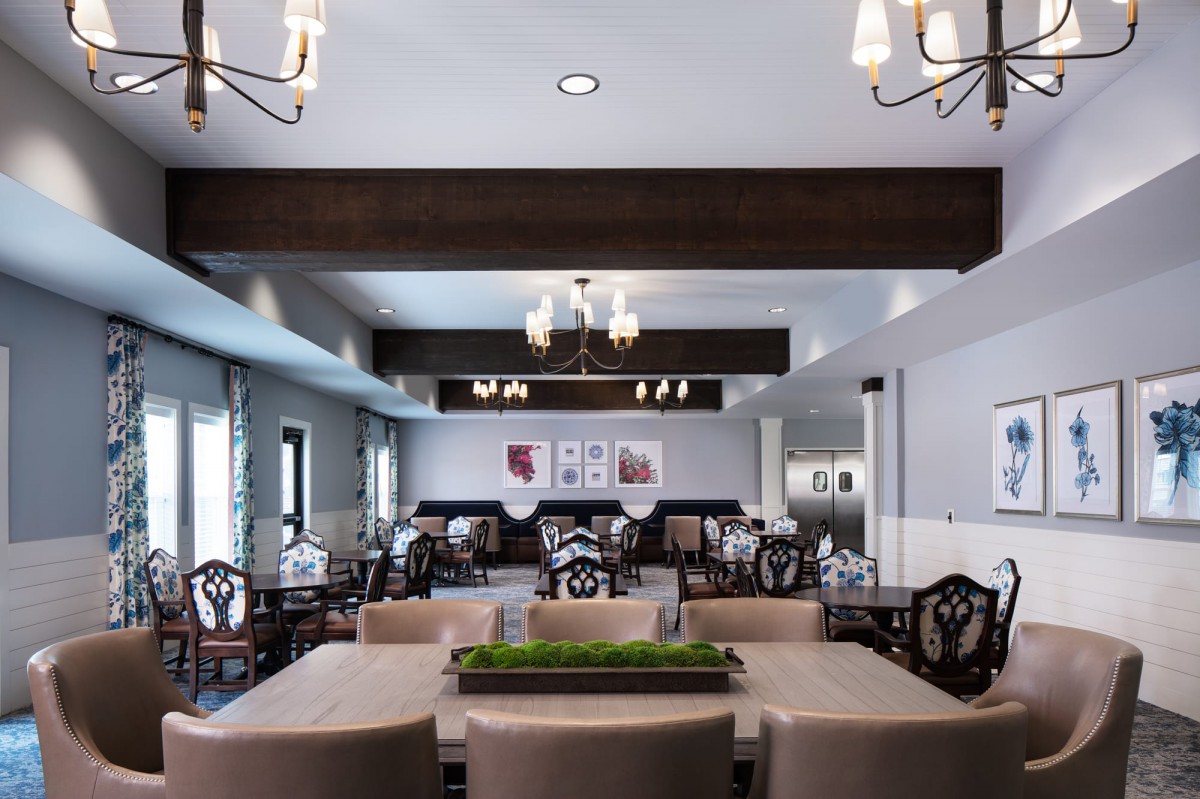
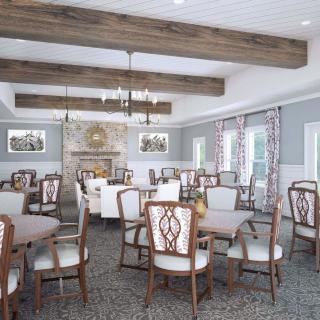
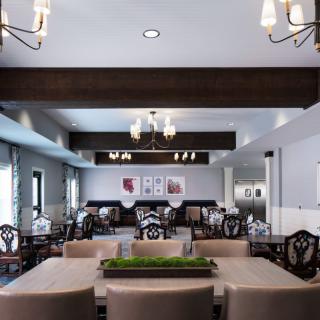
Reviews repeatedly mention positive dining experiences, including meals residents enjoy and occasional themed or special dinners. Some reviewers also describe the dining room as a social part of the day, with food that feels more than basic. The community also offers restaurant-style dining and regular meals provided, which aligns with what residents describe.
common6 reviews mention this
Clean facilities and shared spaces
Multiple reviewers say the community looks and feels clean, well-kept, and welcoming.
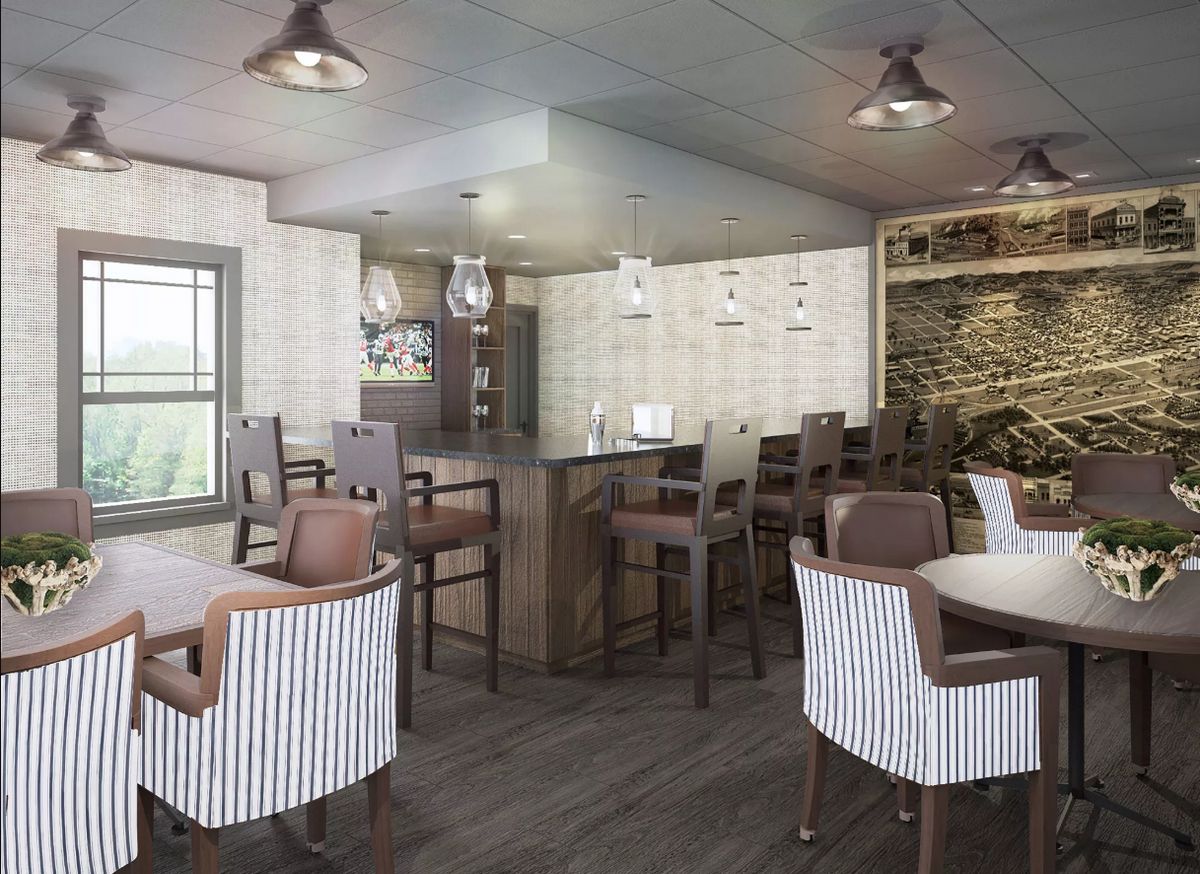
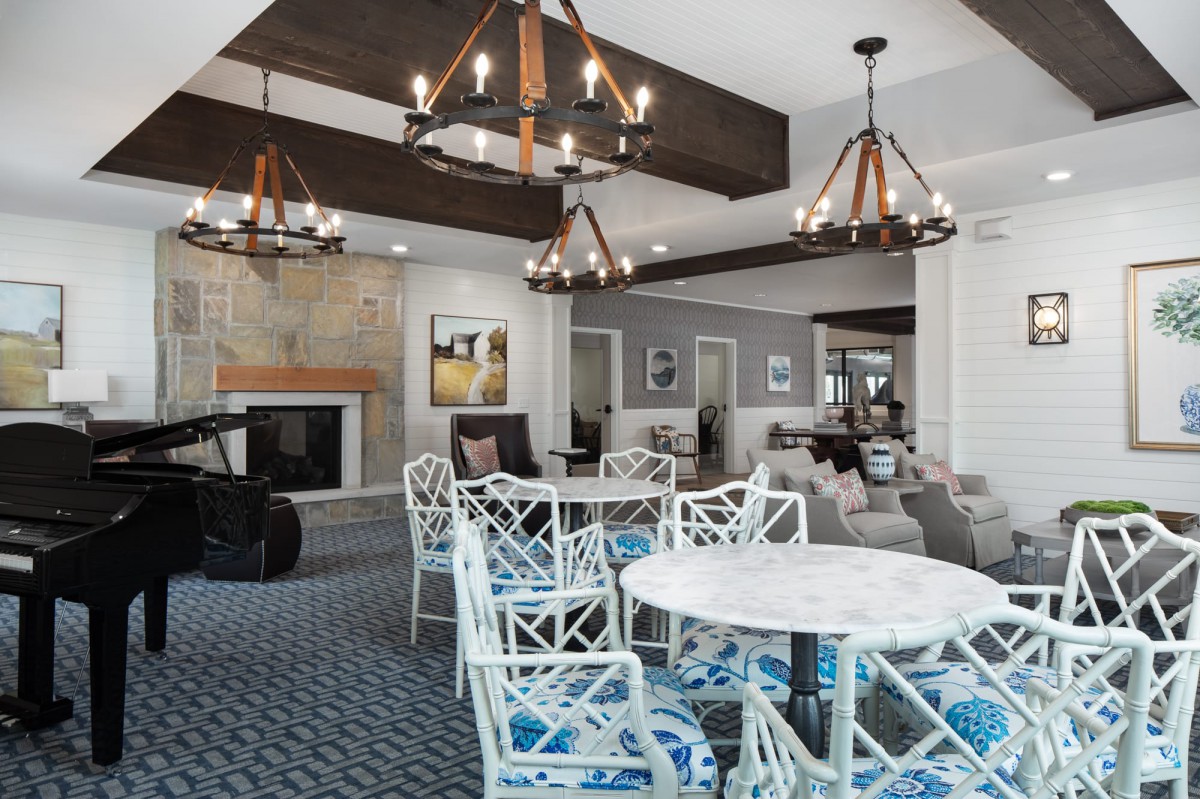
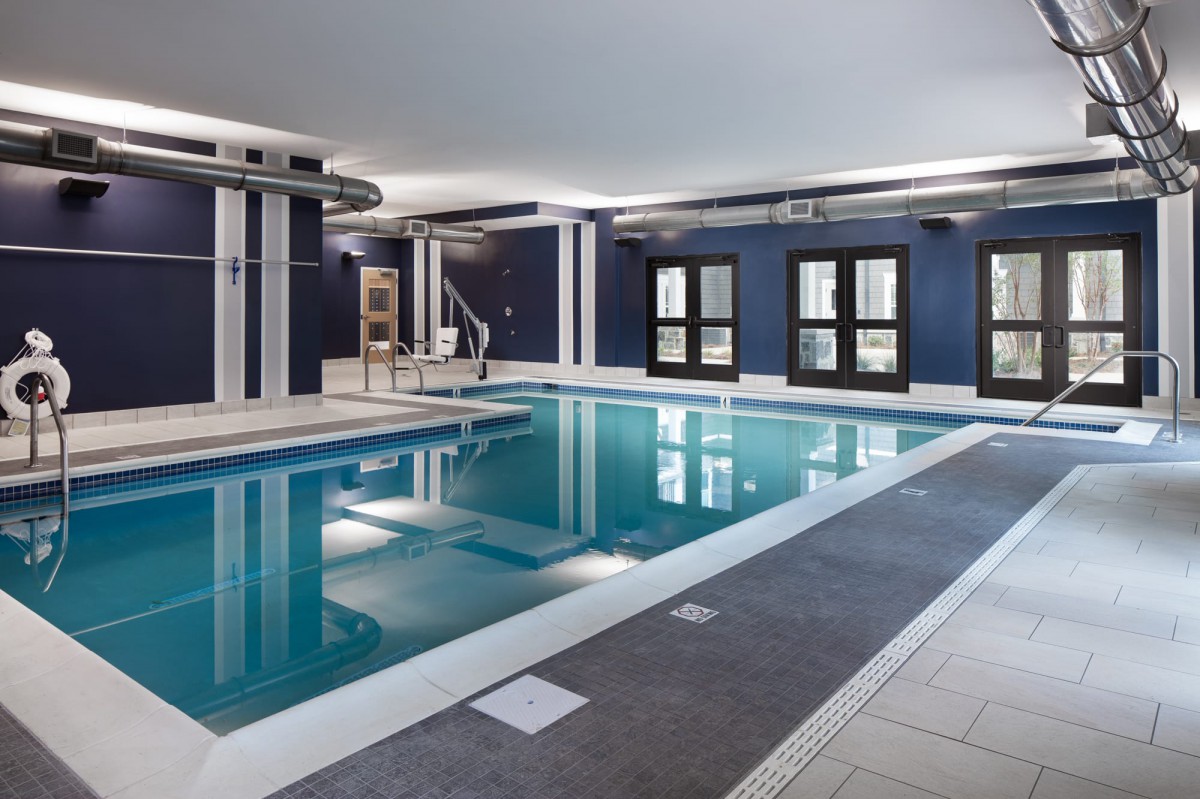
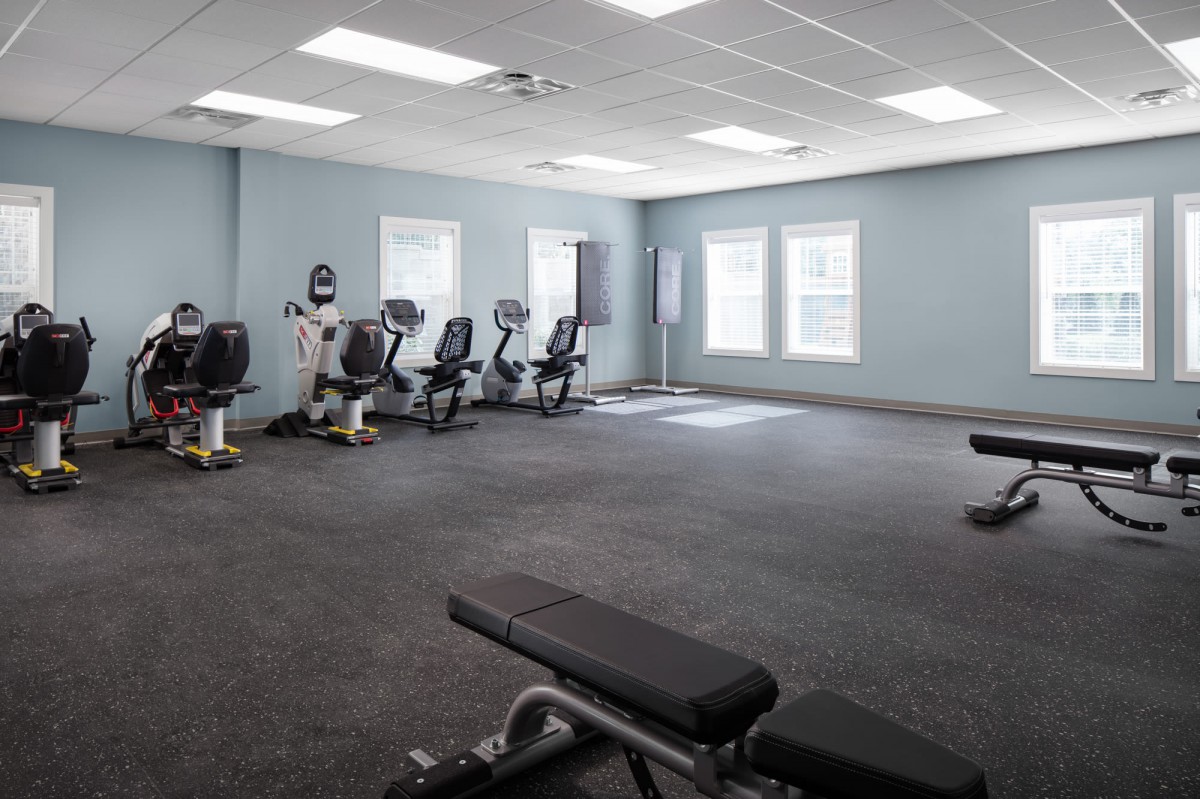
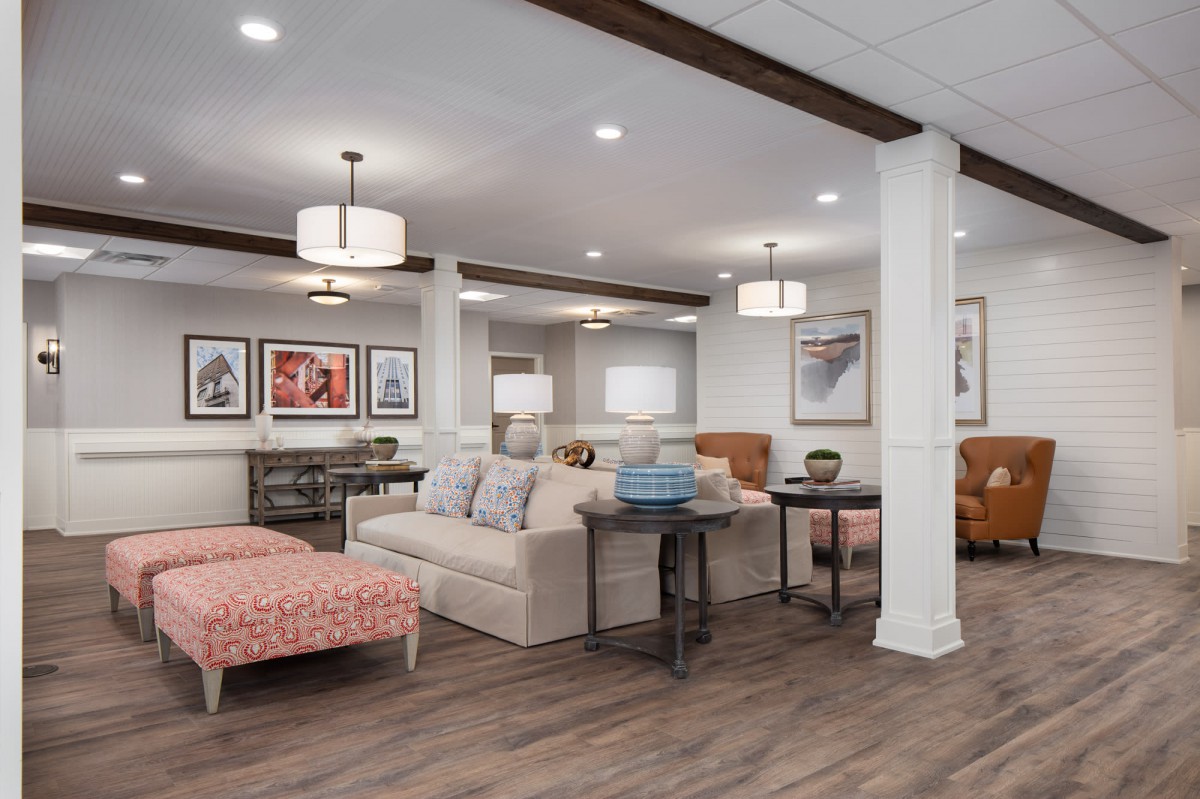
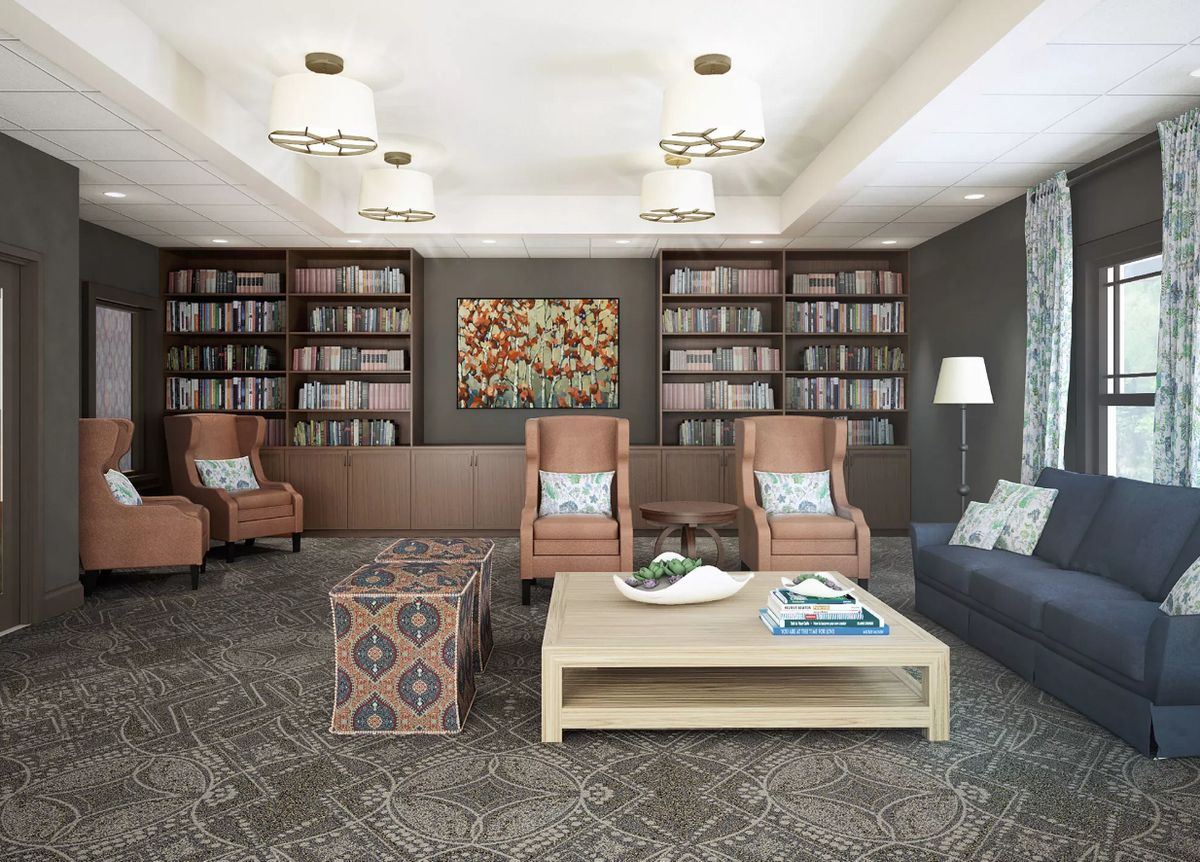
Several reviews describe the facility as immaculate and resort-like, with clean common areas and attractive grounds. Families also mention it as beautiful and easy to enjoy, including access to amenities like the pool and fitness-focused spaces. Residents’ positive comments about the environment match the community’s emphasis on well-furnished indoor and outdoor gathering areas.
common2 reviews mention this
Pricing looks favorable overall
Pricing appears competitive, and at least some tours mention budget fit.
A couple of reviewers bring up cost directly, including comparing rates during the search and asking whether long-term care insurance helps. On the pricing side, the community’s unit range sits below county and state benchmarks across the listed types. That helps explain why some families felt good about affordability after touring.
caveat3 reviews mention this
Memory care handling concerns
Memory care reviews include serious concerns about falls response and care fit.
Some reviews about memory care describe difficult experiences after falls, including long delays getting help and frustration with how dementia-related behaviors were handled. Others report that the community did not meet evolving care needs, leading to outside support or a move elsewhere. Residents note that communication and the plan of care can be important, but these particular reviews raise concerns about reliability when needs intensify.
How we summarize
Counts show how many written reviews mention each theme; a review can touch several themes, and only frequently mentioned themes are displayed.
Features
Housing
22 resident community capacity
Types of Care
Assisted Living
Independent Living
Memory Care
Respite Care
Amenities
Activities on-site
Air-conditioning
Beautician on-site
Beauty salon
Cable or satellite TV
Devotional services off-site
Devotional services on-site
Dining room
Full kitchen
Fully furnished
Garden
Handicap accessible
Housekeeping services
Indoor common areas
Kitchenette
Move-in coordination
Outdoor common areas
Outdoor space
Private bathrooms
Restaurant-style dining
Small library
Swimming pool / hot tub
Telephone
Wheelchair accessible showers
Wi-Fi/high-speed internet available
Transportation
Birmingham International (12 miles away)
Transportation arrangement (non-medical)
Transportation to doctors appointments
Care Services
12-16 hour nursing
24-hour call system
24-hour supervision
Activities of daily living assistance
Ambulatory care
Assistance with bathing
Assistance with dressing
Assistance with transfers
Diabetes diet
Diabetic care
Meal preparation and service
Medication management
Mental wellness program
Special dietary restrictions
Dining
Anytime dining
Diabetes diet
Meals provided
Restaurant style dining
Special dietary restrictions
Special dining programs
Activities
Art classes
Community-sponsored activities
Cooking classes
Day trips and outings
Devotional activities offsite
Devotional activities on-site
Educational speakers / life long learning
Happy hour
Live musical performances
Resident-run activities
Scheduled daily activities
Stretching classes
Water aerobics
Wine tasting
Yoga / chair yoga
Nearby Places of Interest
This part of Birmingham, Alabama offers a variety of amenities for senior living. There are several dining options nearby such as Amore and Hunan Cuisine, as well as healthcare facilities like Greystone Adhd Clinic and Andrews Sports Medicine & Orthopaedic Center. For entertainment, residents can visit theaters like Rave Cinemas Lee Branch or take a stroll in nearby parks like Heardmont Park or Chelsea Park. Additionally, there are pharmacies such as Inverness Apothecary and hospitals like Saint Vincent's Hospital One Nineteen within close proximity for convenient access to healthcare services. Places of worship such as Christian Life Church and Canterbury United Methodist Church are also available for spiritual fulfillment. Overall, this area provides a well-rounded and convenient environment for seniors looking to reside in Birmingham.
The Bluffs at Greystone offers competitive pricing for its accommodations, making it an attractive option within both Shelby County and the broader Alabama market. For instance, a studio apartment is priced at $2,995, significantly lower than the county's average of $3,700 and slightly beneath the state's average of $3,279. Moving to one-bedroom units, The Bluffs remains affordable at $3,995 compared to Shelby County's $3,556 and Alabama's statewide rate of $3,417. When considering two-bedroom options and semi-private rooms, The Bluffs continues to present compelling value; both are available for $4,995 each, which is notably higher than the state average but still more reasonable when juxtaposed against Shelby County's costs of $4,572 and $4,144 respectively. Overall, The Bluffs at Greystone provides a cost-effective alternative while maintaining a high standard of quality care and living amenities.
The Bluffs at Greystone offers essential features designed to enhance the quality of life for residents with dementia or Alzheimer's disease. With 24-hour supervision, staff members are always available to ensure safety and provide immediate assistance when needed, fostering a secure environment. Assistance with activities of daily living, such as bathing and dressing, promotes dignity and independence while addressing personal care needs tailored to each resident's abilities. Support during transfers helps prevent falls and encourages mobility in a safe manner. Meal preparation and service ensure that residents receive nutritious meals tailored to their dietary requirements, promoting physical health. Medication management is crucial for maintaining adherence to treatment plans, minimizing risks associated with missed doses or incorrect medications. Lastly, a mental wellness program stimulates cognitive function and emotional well-being through engaging activities, helping residents retain a sense of purpose and connection within their community.
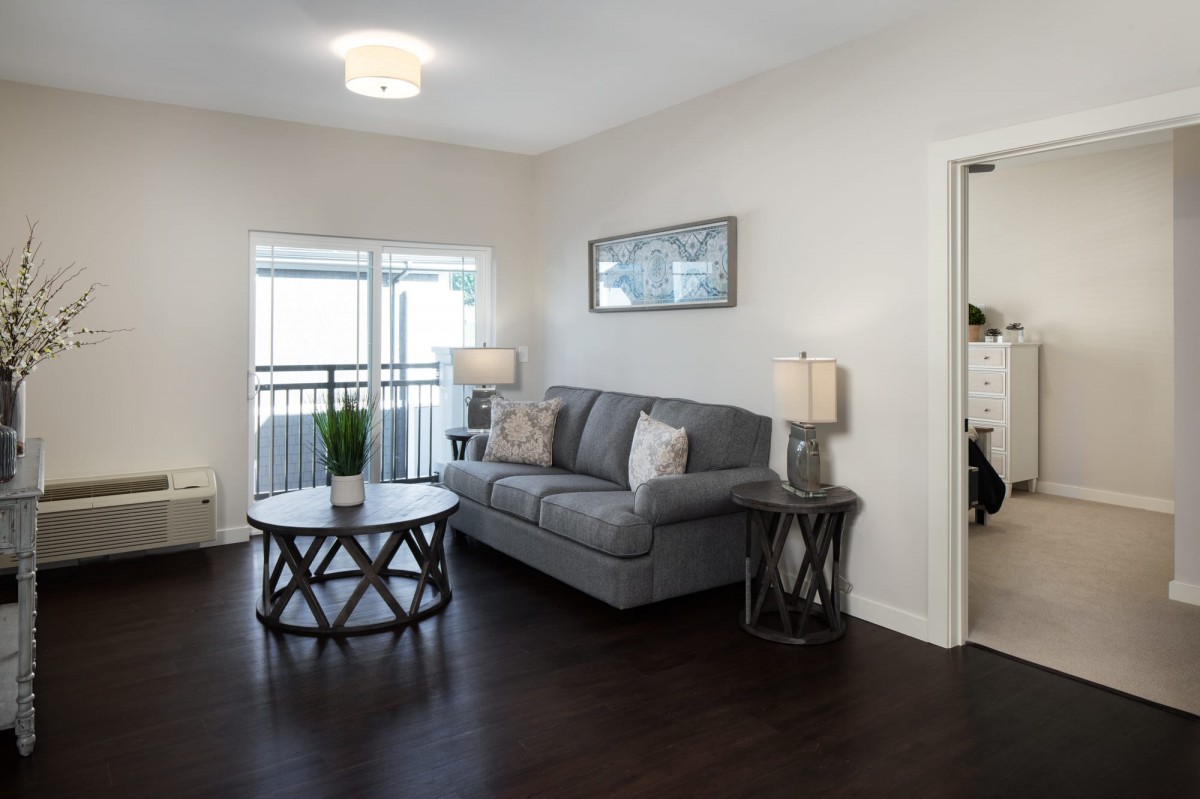
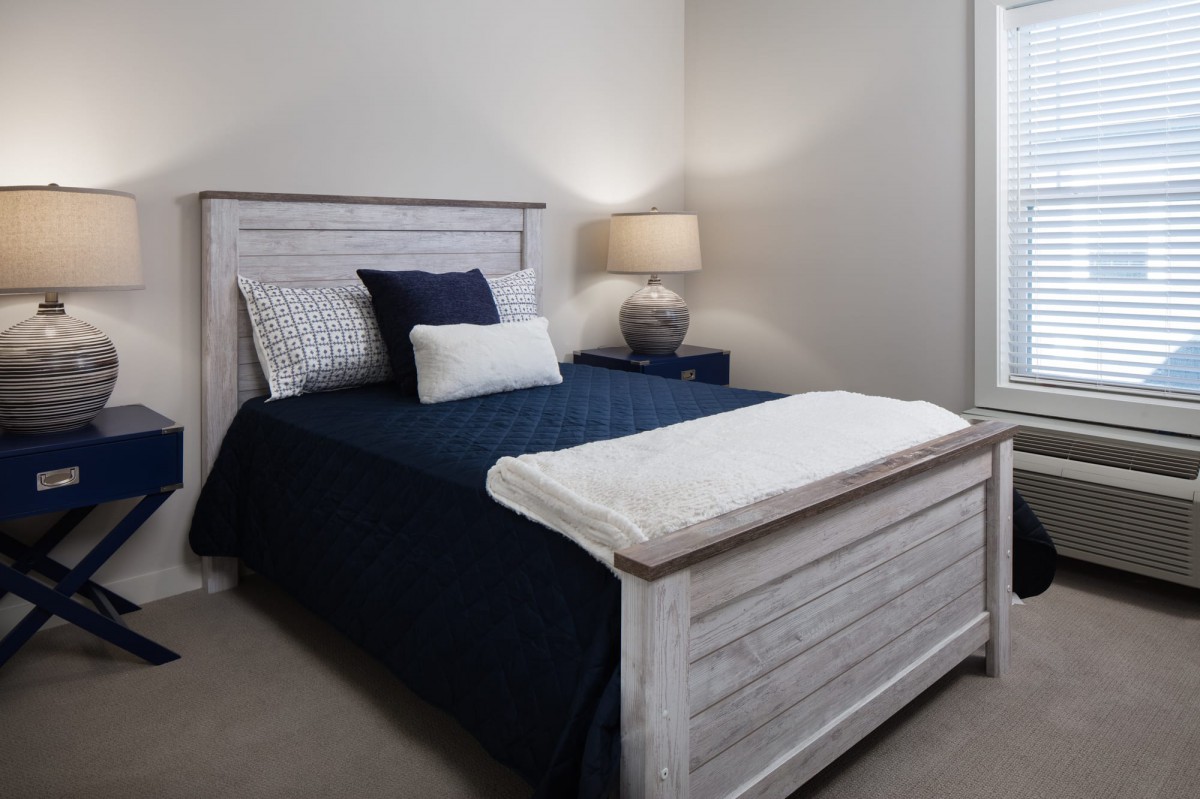
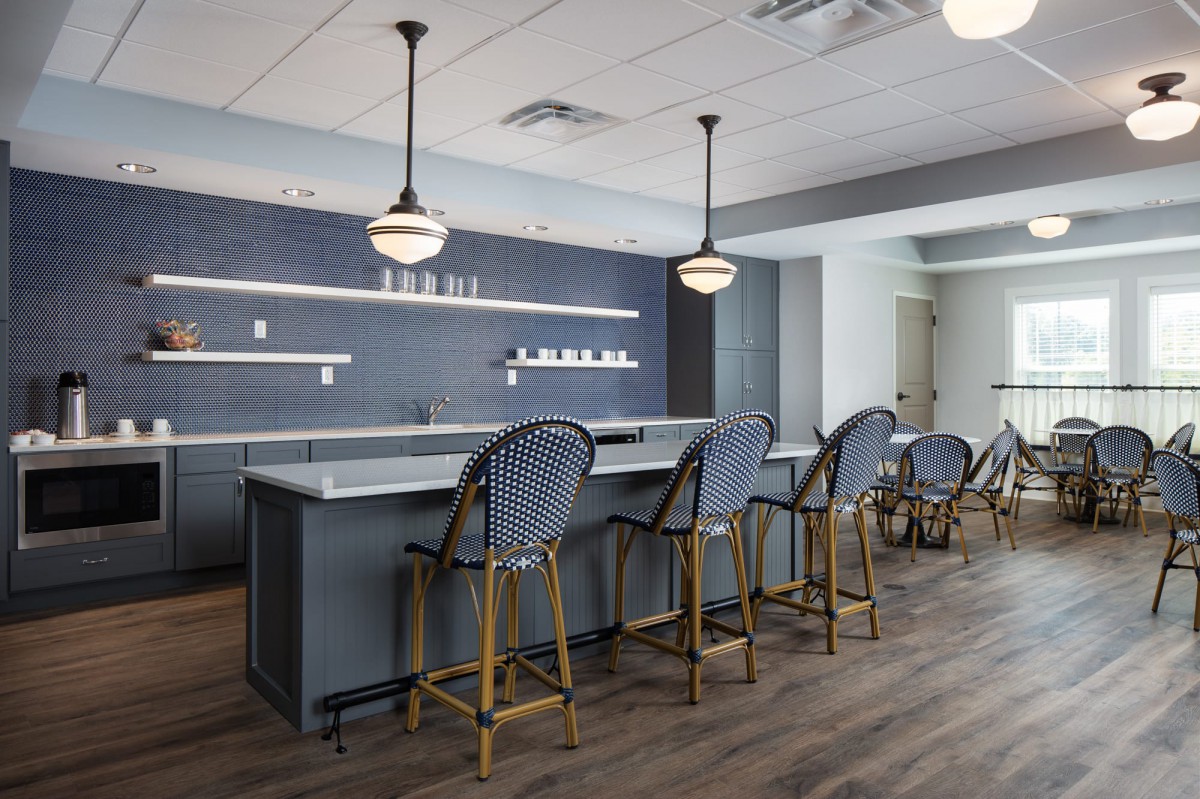
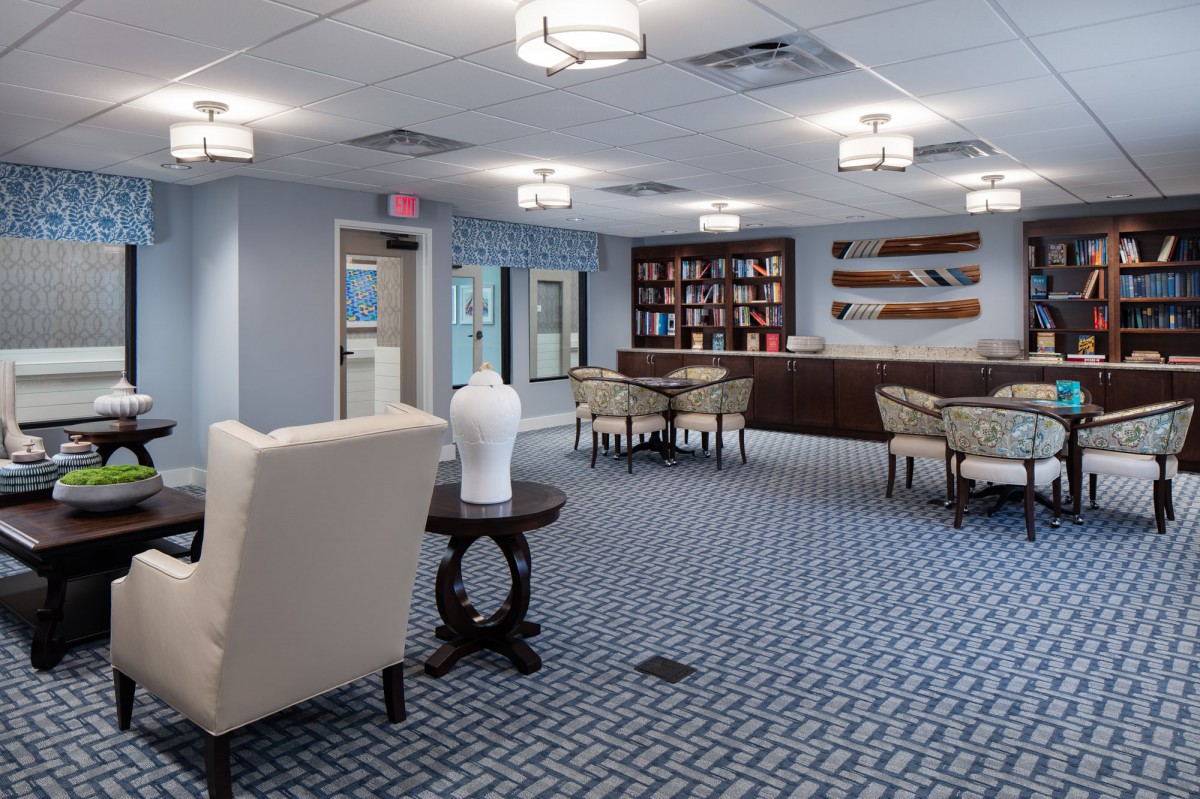
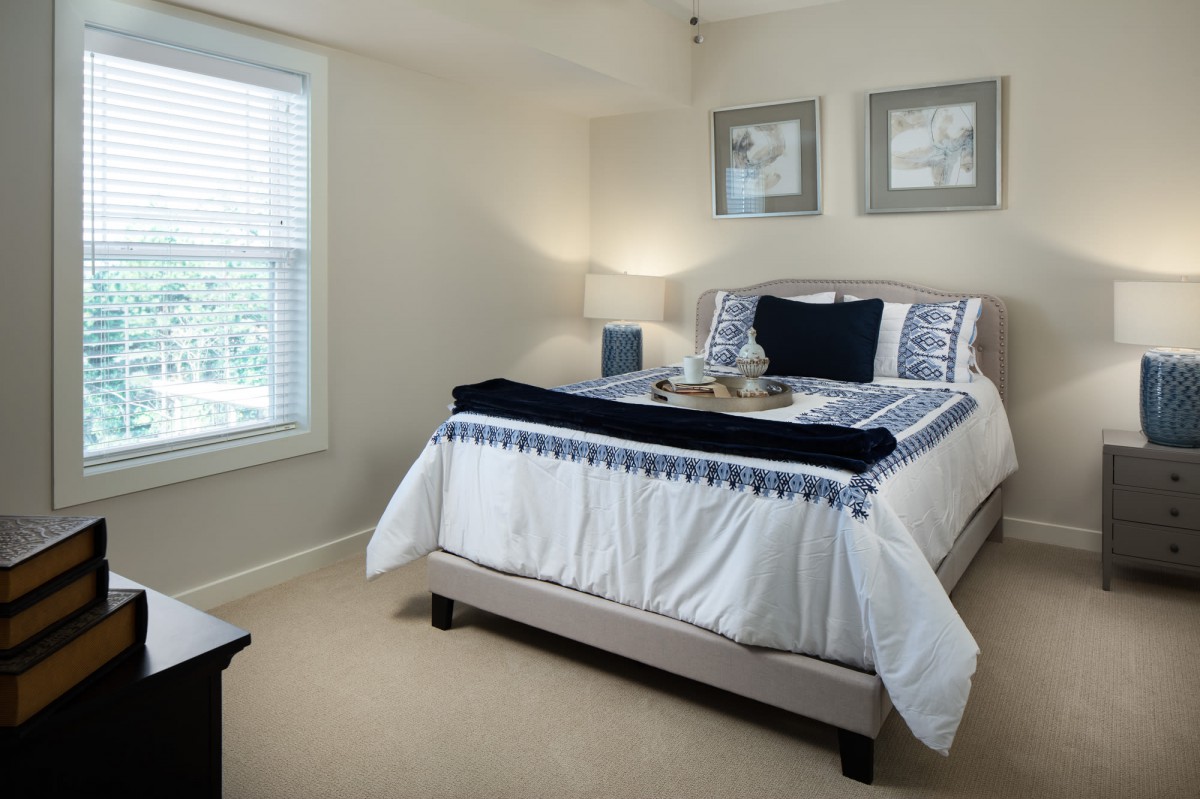
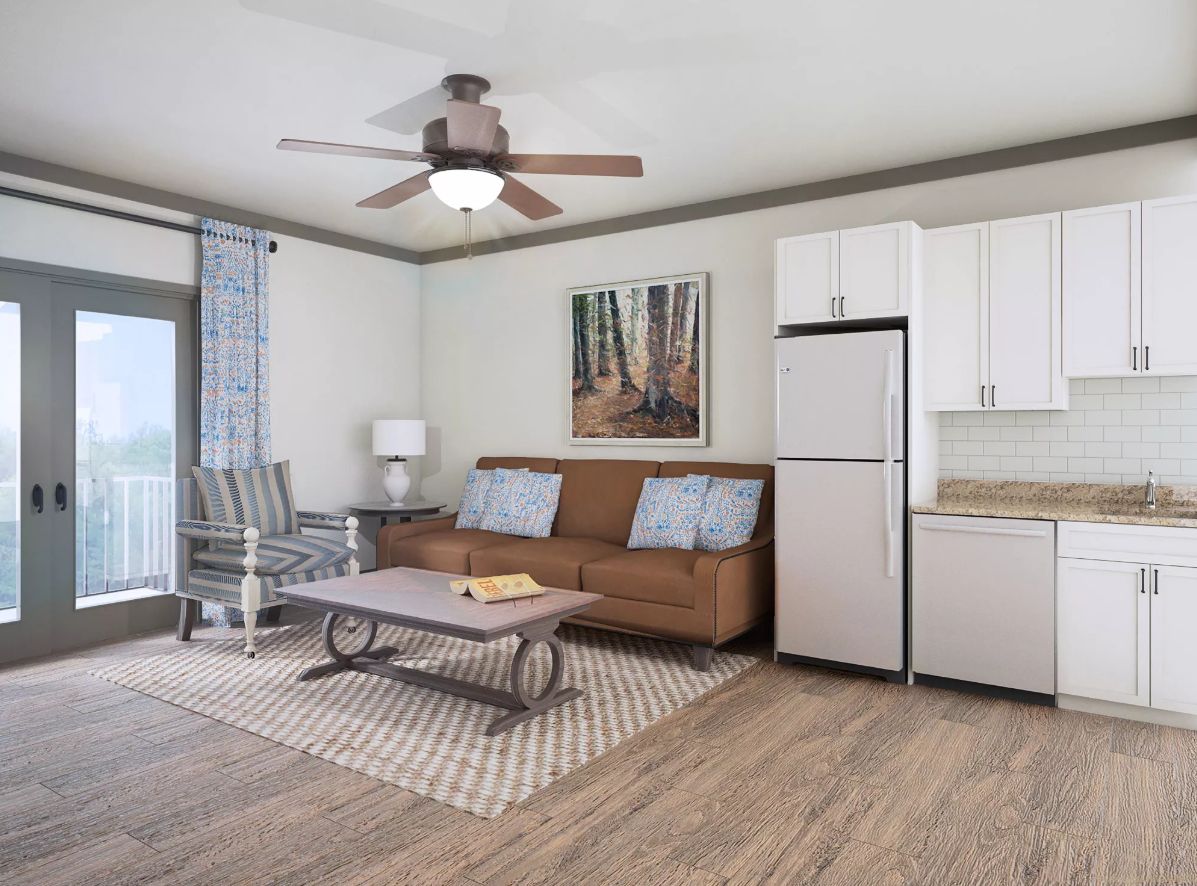
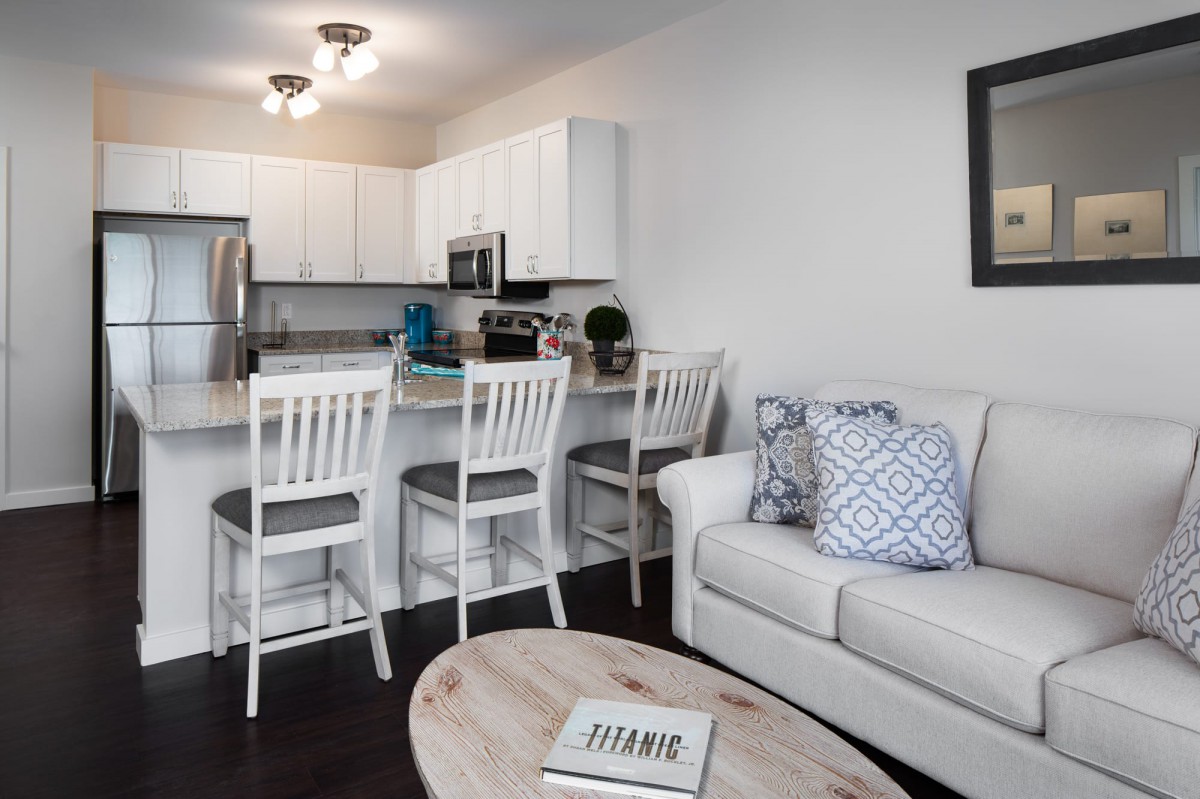
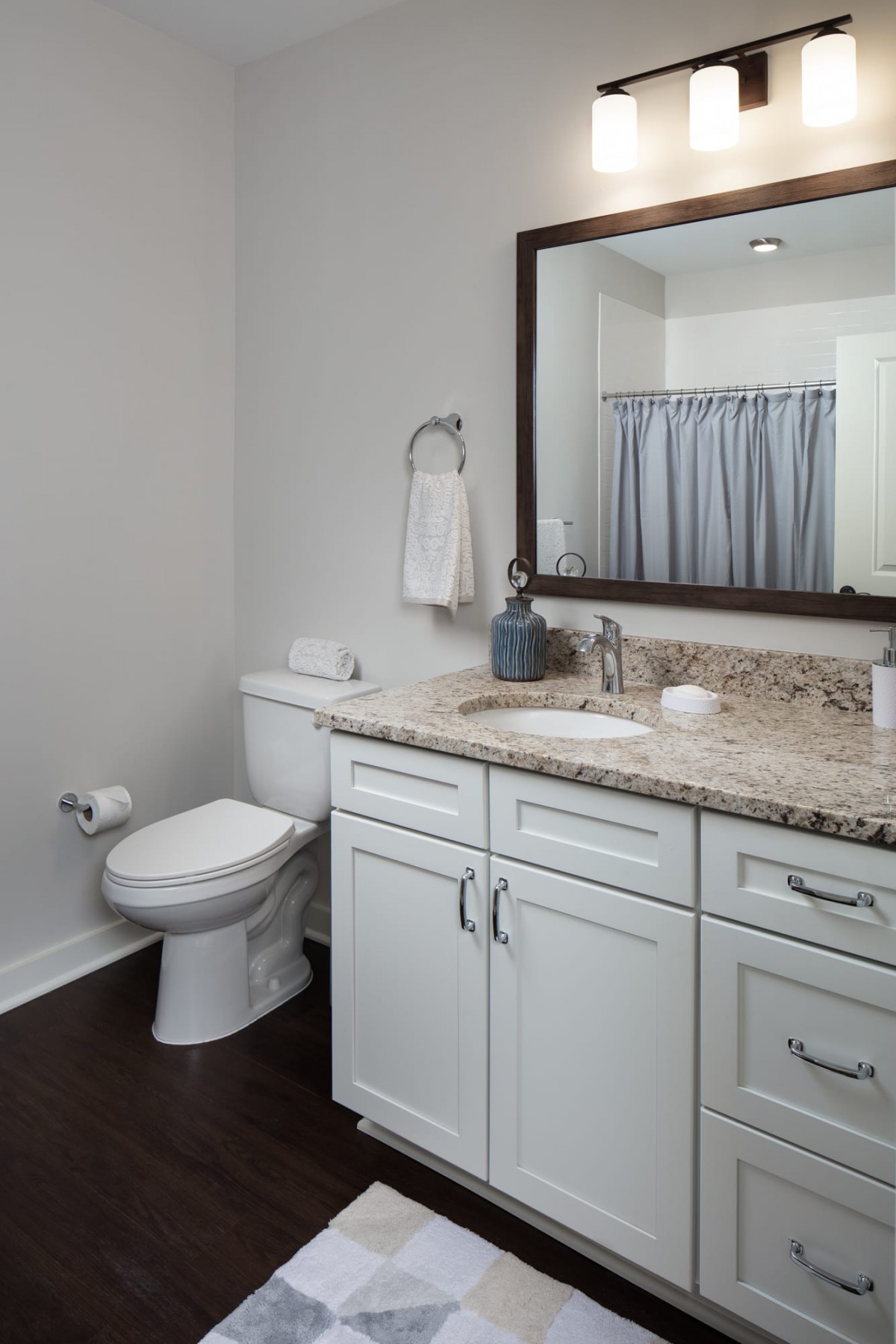
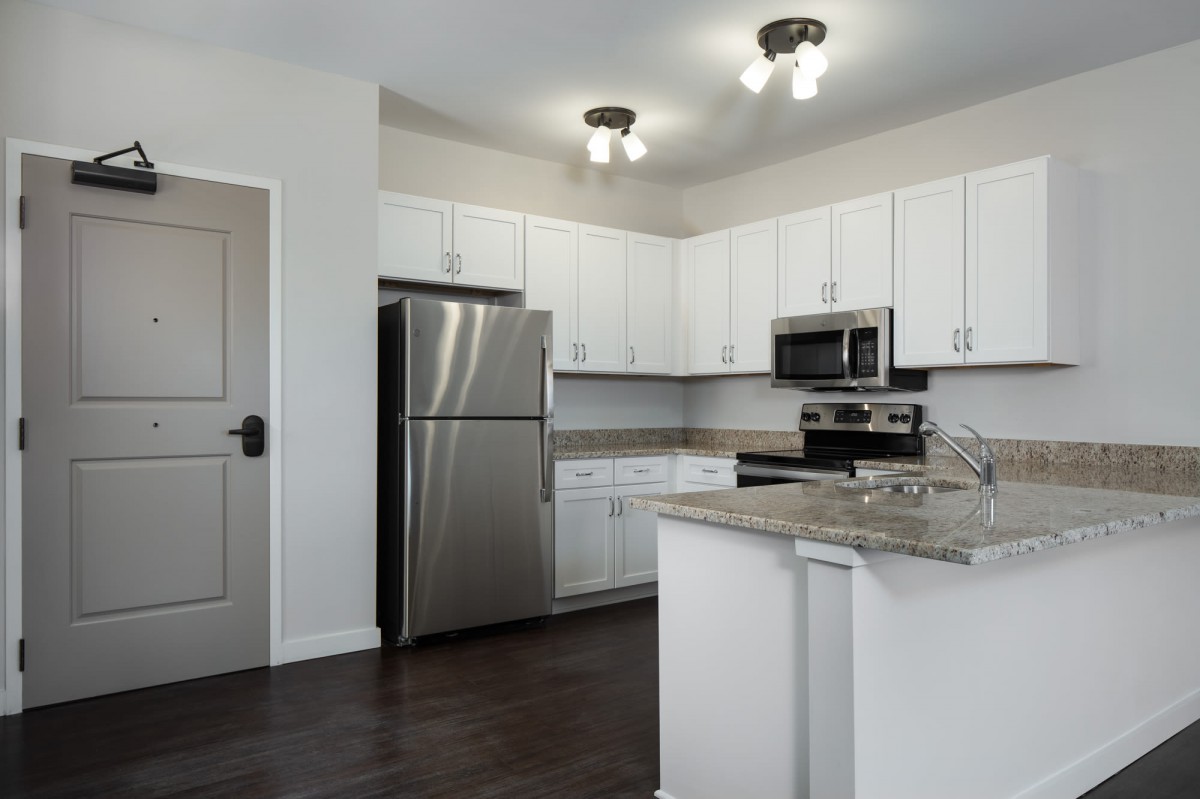
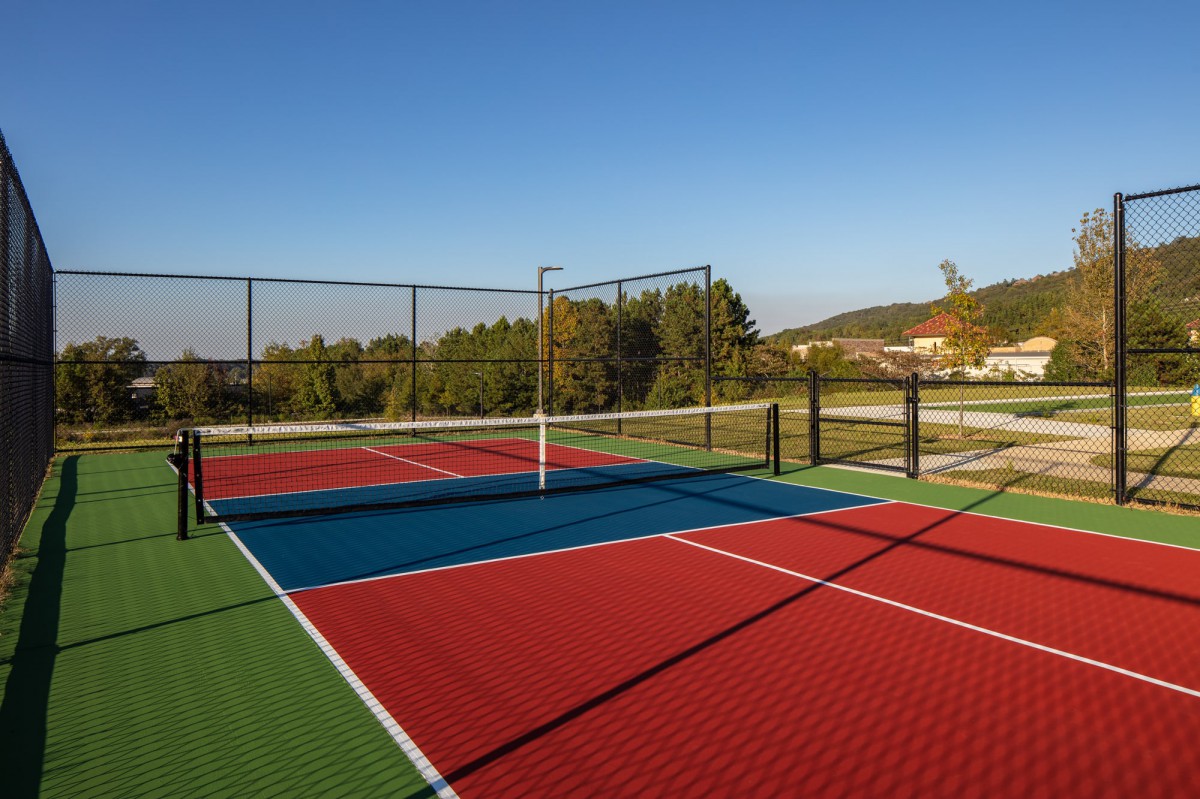
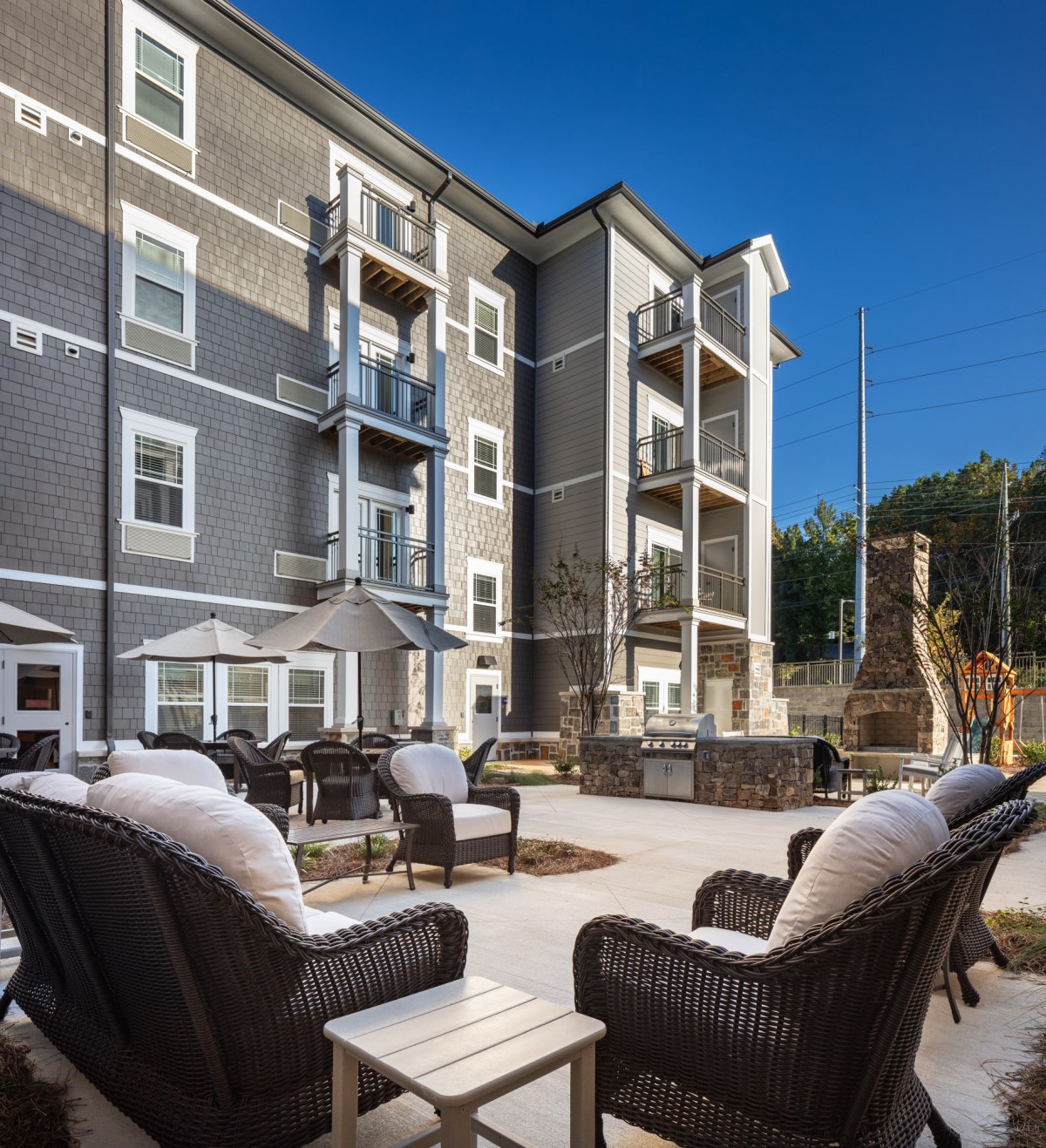
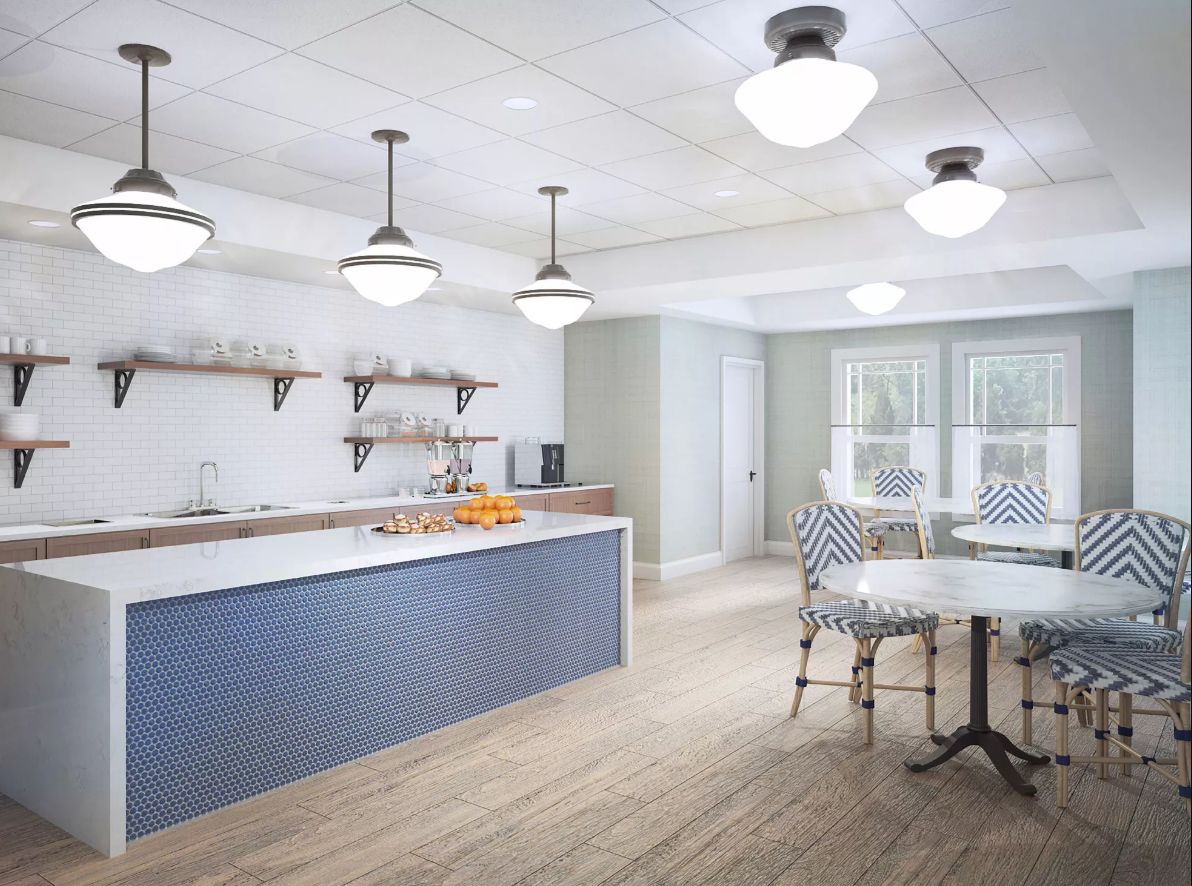
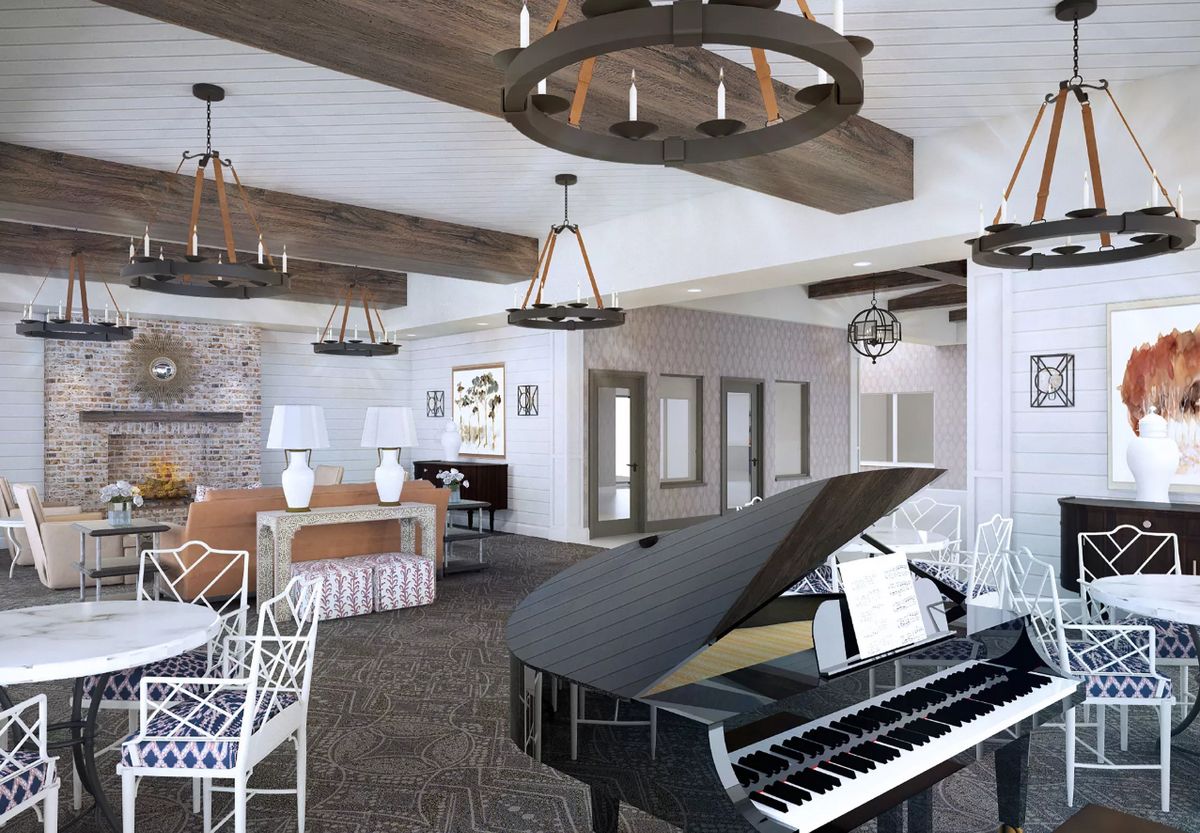
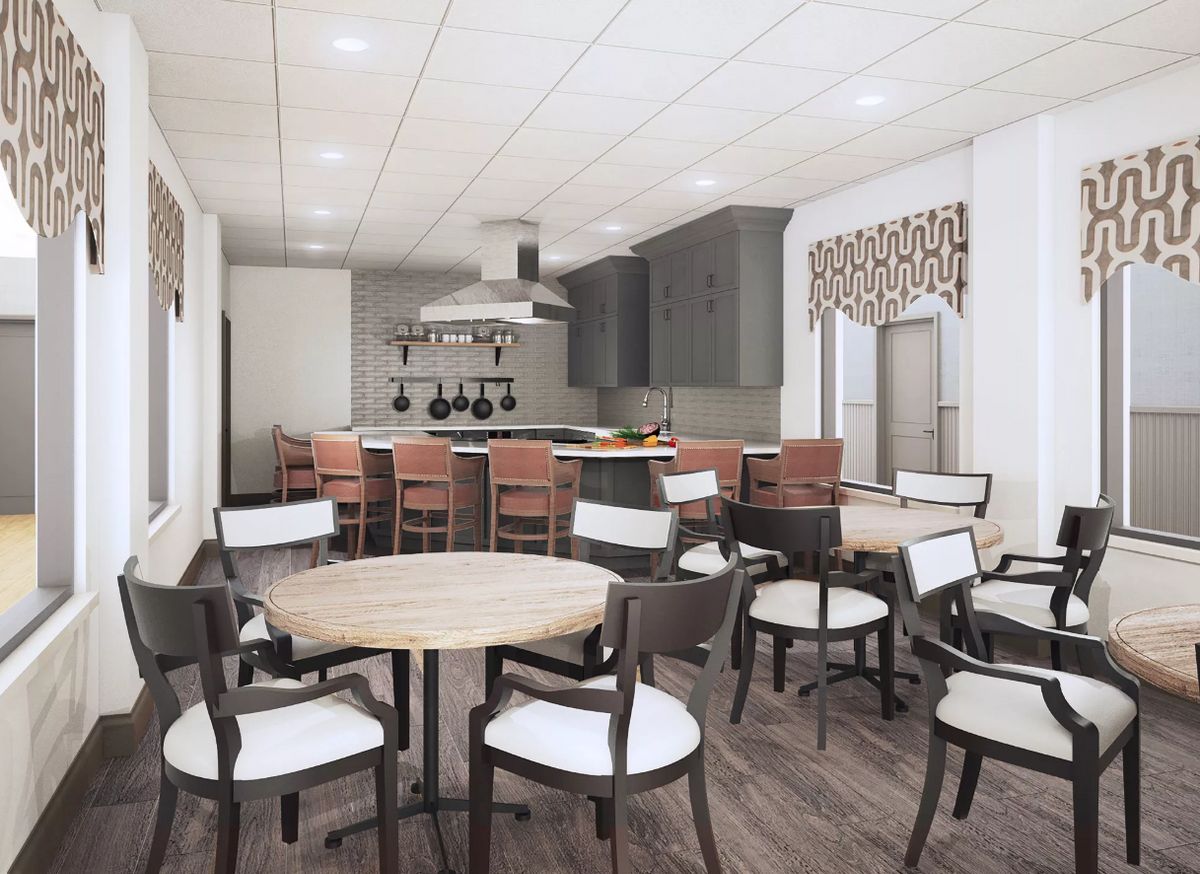
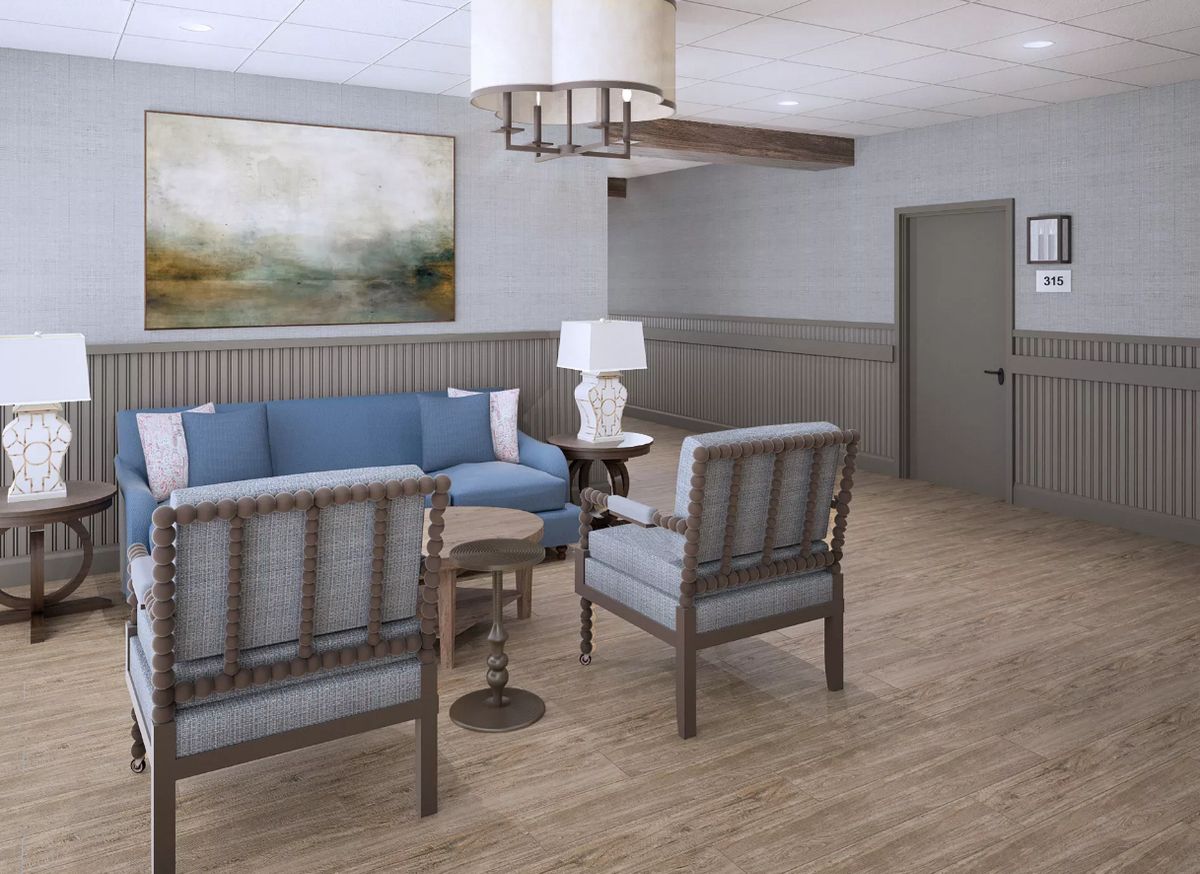
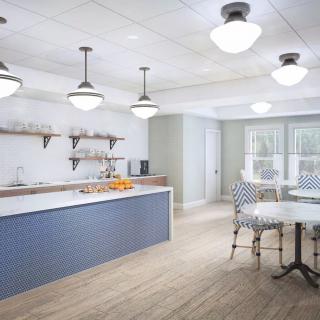
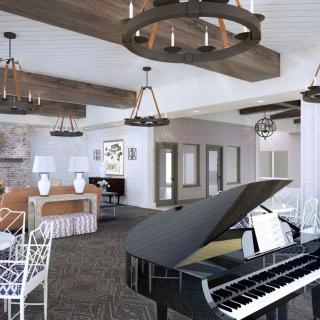
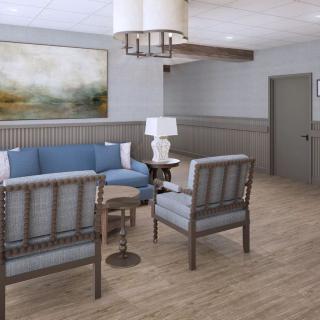
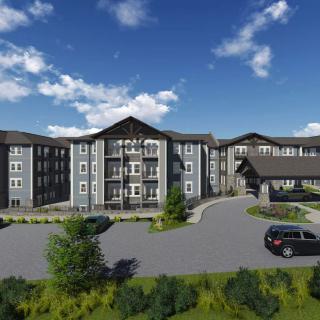
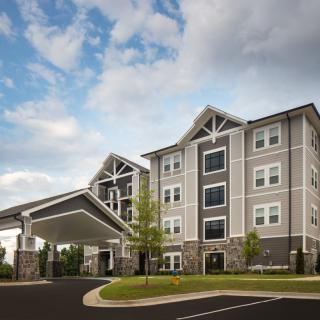
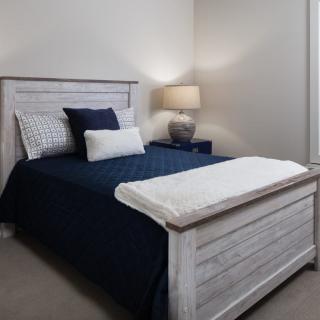
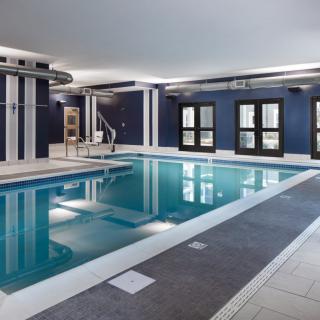
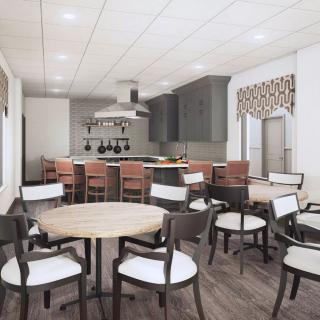
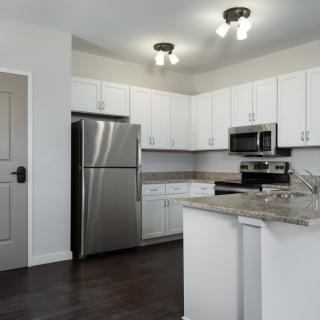
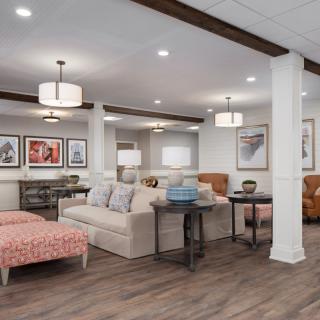
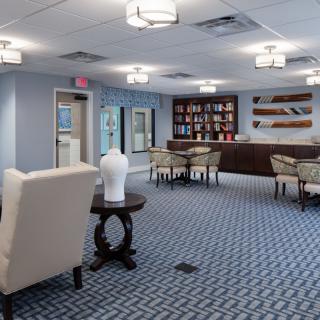
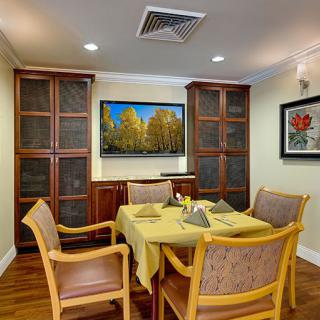
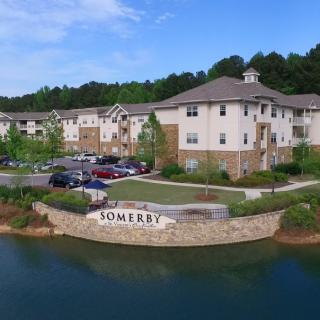
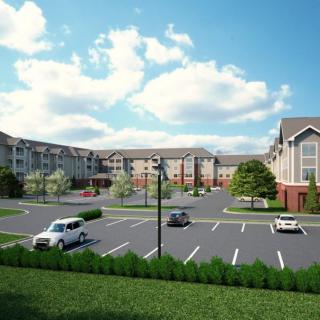
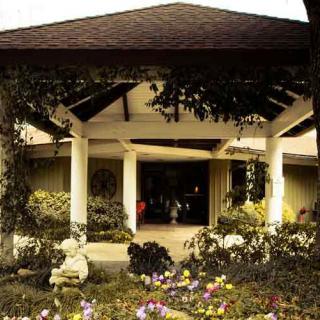
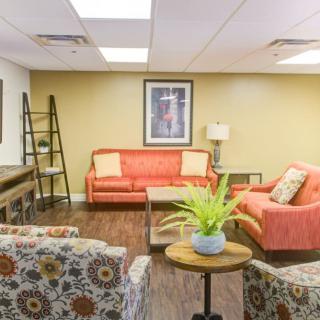
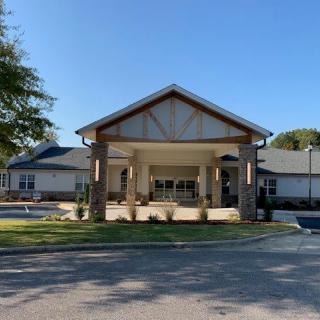
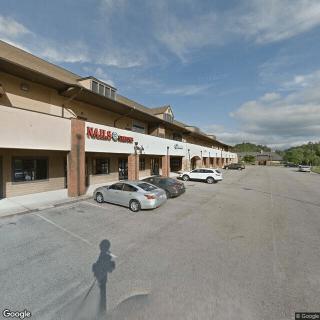
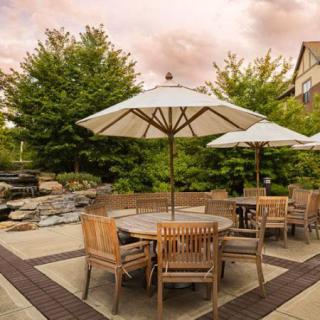
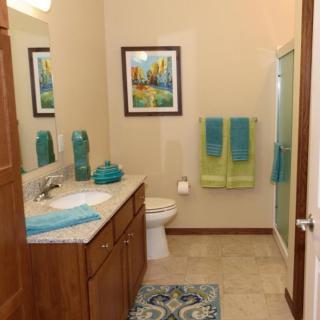
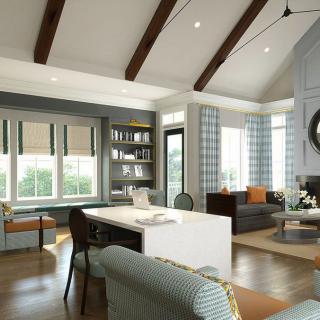
The Bluffs at Greystone on seniors.fyi includes 58 photos including images showing floor plan, interior, architecture, decor, living room, bedroom, bathroom, kitchen, and more.
Nearby Communities
Dominion Partners - corp ofc
Birmingham, AL
4.5 from 2 reviews
Convenient location with access to dining, pharmacies, medical care, parks, and entertainment nearby.
Somerby at St. Vincent's One Nineteen
Hoover, AL
4.6 from 171 reviews
$3,300 to $5,350 / month
Excellent staff and well-maintained, vibrant community with standout dining and activities.
Somerby St. Vincent’s One Nineteen
Birmingham, AL
4.6 from 111 reviews
Comprehensive memory care with 24-hour supervision.
Proveer at Grande View
Birmingham, AL
4.5 from 42 reviews
$3,795 to $4,795 / month
Strong sense of community with attentive staff and engaging activities.
Comfort Keepers of Birmingham
Birmingham, AL
4.7 from 32 reviews
Convenient location with easy access to amenities, healthcare, dining, parks, and entertainment nearby.
Nursing Solutions Inc
Birmingham, AL
Strong nearby healthcare and dining options.
Danberry At Inverness
Hoover, AL
4.9 from 281 reviews
Dedicated staff, active community, and quality dining.
Cahaba Ridge Retirement Community
Vestavia Hills, AL
5 from 45 reviews
$3,778 to $5,371 / month
Independent living with resort-like amenities, attentive staff, and abundant activities.
Longleaf Liberty Park
Vestavia Hills, AL
4.4 from 45 reviews
$5,150 to $8,350 / month
Beautiful, clean, spacious environment with attentive staff and engaging activities.
Dementia, primarily caused by Alzheimer's disease but also linked to other conditions, leads to cognitive decline impacting memory and daily functioning, with individuals experiencing varied awareness of their impairments. Despite memory loss, emotional connections persist, enabling responses to familiar stimuli, highlighting the need for caregivers to provide compassionate support that recognizes both limitations and retained emotional depth.
The article presents five subtle indicators of dementia, such as memory lapses and mood swings, to help families assess cognitive decline in loved ones. It emphasizes early detection, open communication, and seeking professional help while providing practical support steps.
Dementia encompasses progressive neurological disorders that impair cognitive functions and can lead to paranoia due to cognitive decline and emotional changes. The article discusses the triggers of paranoia in dementia, caregiver strategies for managing it, and the importance of distinguishing between dementia-related paranoia and other psychiatric conditions.
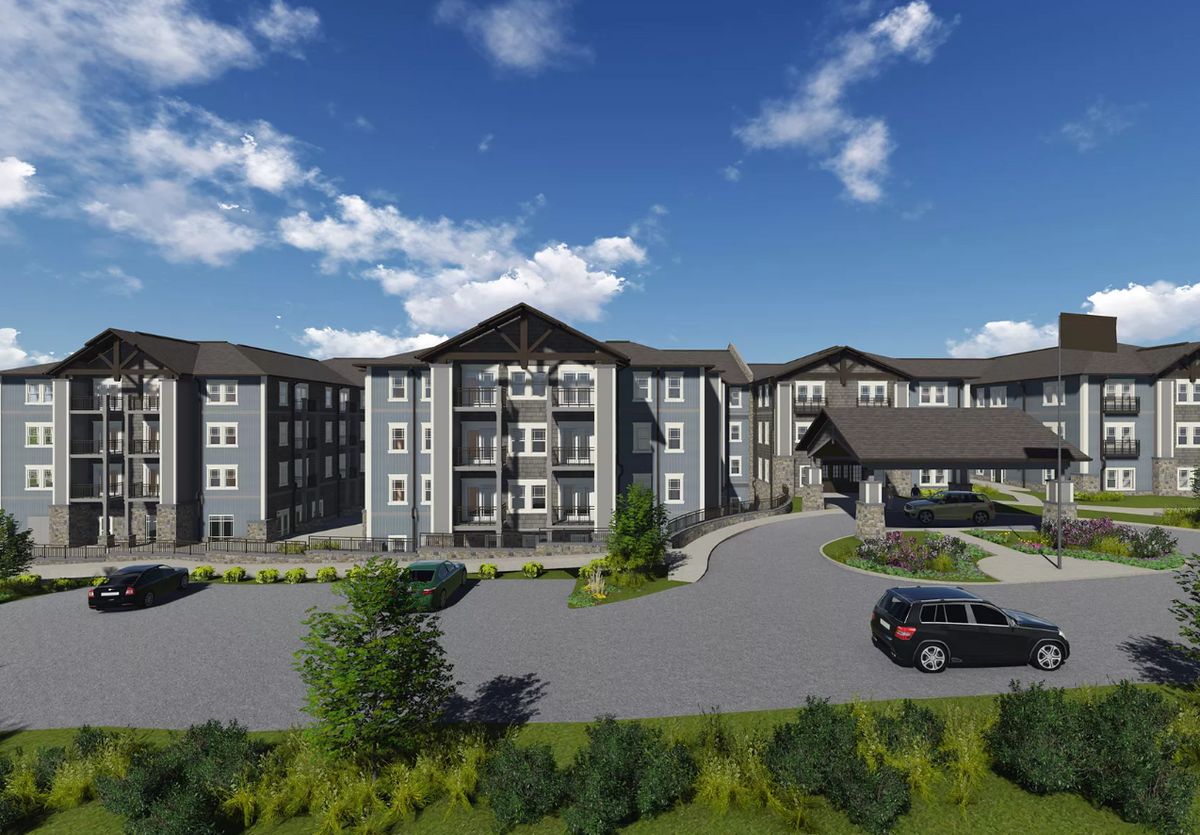
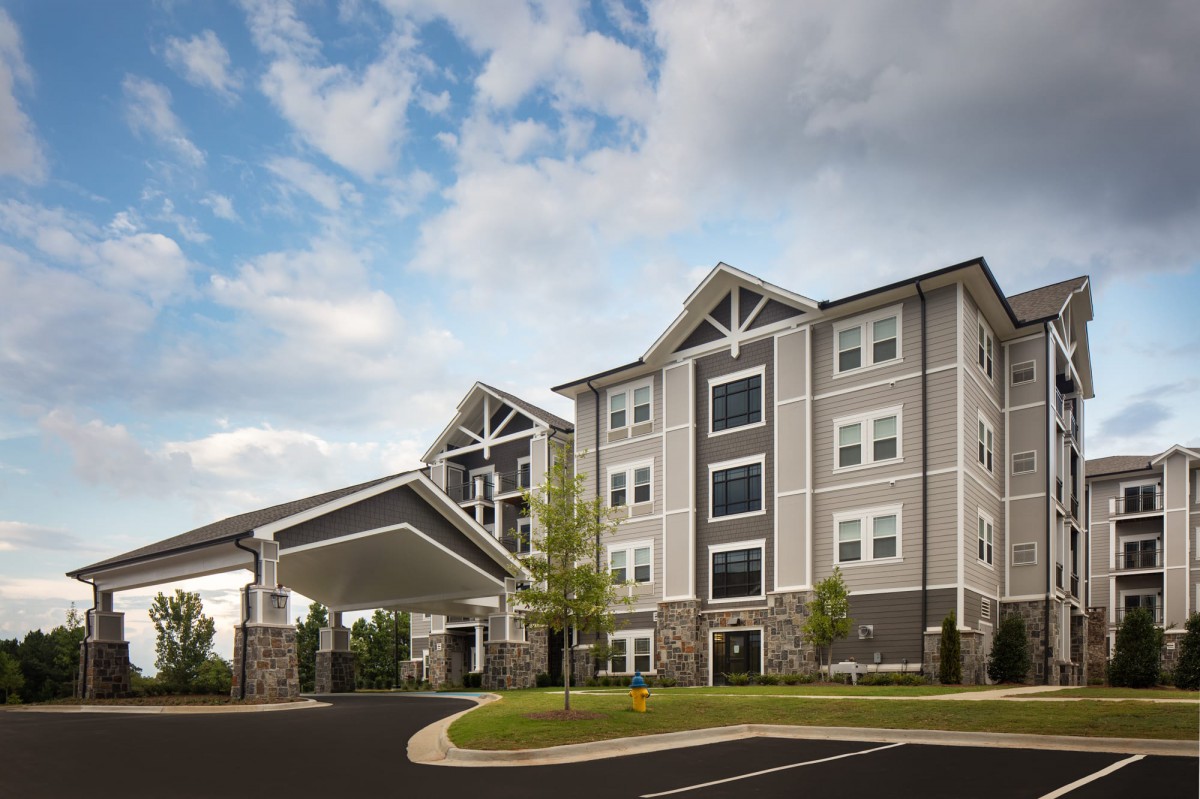
Patio, Outdoor Seating, Modern Architecture, and Apartment Building
Lobby and Lighting Fixtures
Exercise Equipment, Gym, Fitness, Workout Space, and Excercise Equipment
Appliances and Oven
Bookshelves and Library
Seating
Piano
Hardwood Floor
Studio Apartment
Swimming Pool and Indoor Pool
Refrigerator
Kitchenette
Minimalist and Open Space
Dining Table
Closet
Living Space
Home Design
Architectural Drawing
Pendant Lights
Design
Open Concept and Cozy Atmosphere
Room Design
Get PricingAsk A QuestionSchedule A TourContact Senior Advisor
By clicking submit, you agree to our Partner's Terms of Use. You
also consent to receive calls and texts, which may be autodialed, from our Partner. Your consent is not a condition to
using our Partner's service. Please visit our Partner's Privacy Policy for information about their privacy practices.

 22 resident community capacity
 Assisted Living
 Independent Living
 Memory Care
 Respite Care
 Activities on-site
 Air-conditioning
 Beautician on-site
 Cable or satellite TV
 Devotional services off-site
 Dining room
 Full kitchen
 Fully furnished
 Garden
 Handicap accessible
 Housekeeping services
 Indoor common areas
 Move-in coordination
 Outdoor common areas
 Private bathrooms
 Restaurant-style dining
 Small library
 Swimming pool / hot tub
 Telephone
 Wheelchair accessible showers
 Wi-Fi/high-speed internet available
 Birmingham International (12 miles away)
 Transportation arrangement (non-medical)
 12-16 hour nursing
 24-hour call system
 Ambulatory care
 Assistance with bathing
 Assistance with dressing
 Assistance with transfers
 Diabetes diet
 Diabetic care
 Medication management
 Mental wellness program
 Special dietary restrictions
 Art classes
 Cooking classes
 Day trips and outings
 Educational speakers / life long learning
 Happy hour
 Live musical performances
 Stretching classes
 Wine tasting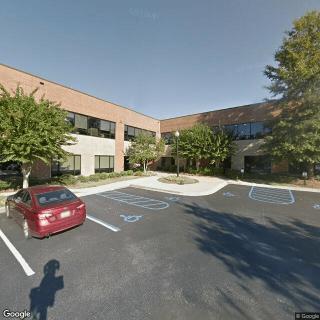
 Convenient location with access to dining, pharmacies, medical care, parks, and entertainment nearby.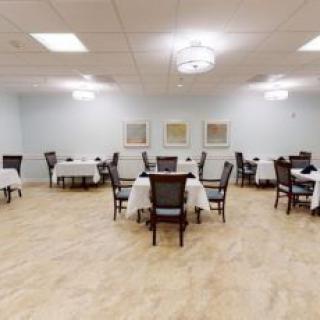

 Delving into the Inner World of Dementia: Insights into Thoughts and Awareness
 Five Subtle Dementia Indicators to Observe: An In-Depth Guide to Understanding “Does My Mom Have Dementia?”
 Dementia, Paranoia, and Caregiver Guidance: Understanding the Connection