
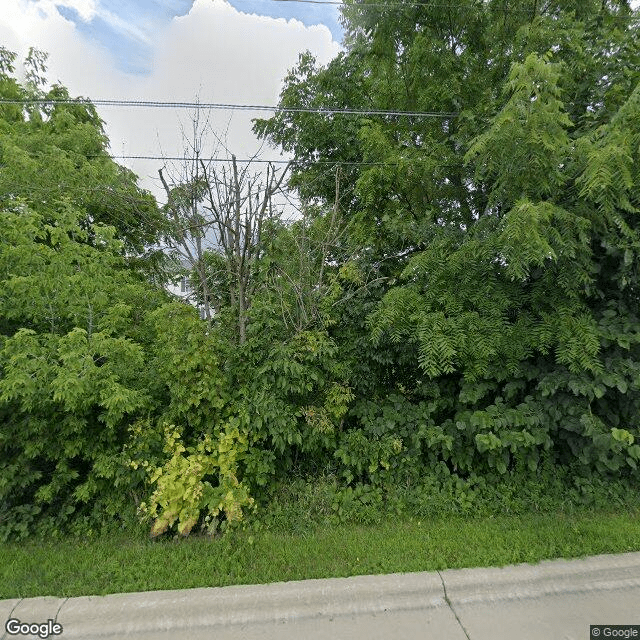
721 S. Curtis Street, Lake Geneva, WI 53147
To contact a resident: (262) 248-4558
For more information about senior living options: (866) 208-4318
The Highlands of Geneva Crossing Costs & Pricing
The Highlands of Geneva Crossing offers competitive monthly costs that stand out favorably against both Walworth County and state averages in Wisconsin. For instance, a one-bedroom unit at The Highlands is priced at just $570, significantly lower than the county average of $2,851 and the state average of $3,412. Similarly, the two-bedroom option is available for $775, compared to $2,252 locally and $3,111 statewide. Even for private accommodations, The Highlands' rate of $4,982 remains compelling when measured against Walworth County's average of $3,886 and Wisconsin's overall average of $4,339. These figures reflect The Highlands' commitment to providing affordable living solutions without compromising quality or service in a desirable location.
| Floor plans | The Highlands of Geneva Crossing | Walworth County | Wisconsin |
|---|---|---|---|
| 1 Bedroom | $570 | $2,851 | $3,412 |
| 2 Bedrooms | $775 | $2,252 | $3,111 |
| Private | $4,982 | $3,886 | $4,339 |
Independent Living communities with a similar price nearby
-
from -$45 / mo

Jackson Creek
$525 to $3,500 / month7.2 miles away -
About the same
The Terraces of Geneva Crossing
$555 to $795 / month0.1 miles away
Overall Review of The Highlands of Geneva Crossing
Pros
 The floorplans and amenities are acceptable.
Cons
 The cost is higher than what they currently pay.
- They would lose 300 square feet of space.
Review
The Highlands of Geneva Crossing in Lake Geneva, Wisconsin, is best suited for seniors who want a straightforward, no-surprise package with reasonably functional floorplans and amenities, and who are comfortable trading extra space for a more inclusive pricing model. Those who value predictability in what is bundled into their monthly cost, and who don’t mind paying a premium for that bundling, will find this community aligns with their budgeting needs. The setting offers standard layouts and a familiar amenity roster, and the process of touring with the Director signals a structured, transparent approach to presenting what is included and what to expect.
People who should seriously consider alternatives are those for whom monthly cost is the primary driver, or who require more living space than what is offered here. If the goal is to maximize square footage or to minimize ongoing expenses, other communities may deliver more favorable space-to-price ratios or lower base rates. Prospective residents who want to preserve flexibility in what services are used, rather than paying for an aggressively inclusive package, may find that the Highlands’ all-inclusive approach feels too constrained or overly priced.
On the upside, the tour experience itself matters: being shown around by the Director suggests a level of attentiveness and reliability in communications that can ease decision-making. The fundamental floorplans and amenities are described as acceptable, which indicates that the physical footprint and the available features meet ordinary expectations for comfort, convenience, and daily routines. This is not a property that bends over backward to woo with flashy design; instead, it delivers a practical, predictable snapshot of daily living that many families find reassuring for long-term planning.
The decisive downside centers on cost and space. When all inclusions are added, the monthly price climbs above what some residents already pay elsewhere, and the trade-off is a loss of roughly 300 square feet. That combination, more money for less physical space, creates a meaningful value gap. For families used to more generous accommodations or who must balance multiple care needs within a tight budget, this is a red flag. The salary-like pressure of paying a premium for an “everything included” model becomes even more acute if the resident does not utilize every service or amenity bundled into the package.
In weighing the pros and cons, the practical question is whether the convenience of bundled services justifies the cost and space trade-off. If the chosen plan eliminates the friction of arranging meals, housekeeping, transportation, and other services separately, and if those bundled offerings align with the resident’s routines, the premium may be rationalized as predictable monthly budgeting. However, the value hinges on rigorous, itemized clarity of what “everything” covers and a transparent comparison against the current arrangements. Without that, the premium risk becomes an overpayment for features that may not be fully utilized.
Ultimately, The Highlands of Geneva Crossing serves a specific segment: households prioritizing dependable service delivery and a standard, no-surprise living environment over space abundance or aggressive discounting. For those who crave maximum square footage and lower costs, alternatives should be pursued. For families that can map out a precise budget, confirm included services, and assess whether the 300-square-foot penalty is acceptable given the convenience of bundled care, the Highlands can be a reasonable, even sensible, choice. The key is to demand a granular breakdown and a side-by-side comparison before committing, ensuring the decision aligns with both current finances and long-range care goals.
 Independent Living
 Cats allowed
 Dogs allowed

 Navigating Medicare Coverage for In-Home Care Services
 In-Home Care Costs in 2025: A Detailed State-by-State Exploration
 Understanding Home Health Care: A Comprehensive Guide