
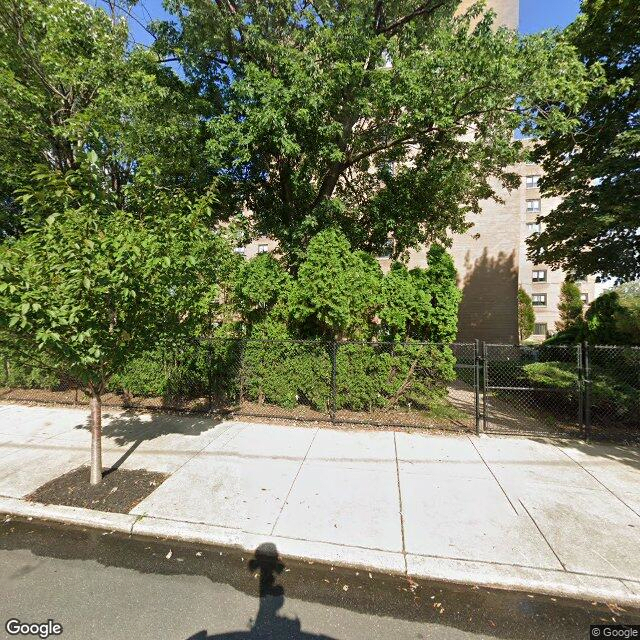
1600 N 8th St, Philadelphia, PA 19122
To contact a resident: (215) 235-0660
For more information about senior living options: (866) 208-4318
Overall Review of Gray Manor Apartments
Pros
 Great place.
- Some people are friendly.
- There are activities there and people are friendly.
Cons
 The property should be investigated by L&I or condemned due to severe safety issues.
- A tenant’s unit has a hole in the bathroom floor with exposed pipes and beams.
- Rats and large cockroaches roam freely throughout the building.
- The hallways are moldy.
- The tenant’s refrigerator frequently fails, causing food to spoil, including Medicaid meals.
- Kitchen cabinets are hanging by a thread and could fall.
- There is no hot water for bathing and no functioning shower.
- The new property manager is overwhelmed and rude; management is accused of bullying tenants.
- The building is dirty and poorly maintained, with cleaning and repairs not being done promptly.
- The carpeting smells strongly of mildew and contributes to residents’ breathing problems.
- A door has been broken for months, indicating neglect.
Review
Gray Manor Apartments in Philadelphia is best suited for financially constrained seniors who can tolerate significant oversight, and who have strong family or caregiver support to actively advocate for safety and daily-care needs. It’s a setting where affordability tops the priority list, but where the resident’s ability to monitor conditions, push for prompt repairs, and manage basic living standards becomes non-negotiable. In short, this property works only for residents who can survive with a high level of external advocacy and are willing to tolerate a environment that requires constant vigilance rather than dependable, on-site reliability.
Those evaluating alternatives should take a hard look at how critical safety, hygiene, and predictable maintenance are to daily life. Anyone who cannot tolerate persistent issues with mold, pests, unreliable utilities, and delayed repairs should pursue options with documented, consistent management and clean, well-maintained surroundings. Residents with asthma or other respiratory sensitivities may find mold and mildew conditions especially troublesome, and families with mobility or safety concerns will want a setting that minimizes exposure to hazards and sudden infrastructure failures. In short, if dependable conditions and respectful treatment are non-negotiable, alternatives are strongly warranted.
The few apparent positives, notably some social activity and a handful of residents who report friendly interactions, do not meaningfully offset the dominant risks documented in multiple concerns. Social engagement matters, but when hallways are damp with mildew odors, carpet cleaning fails to remove pervasive smells, and neighbors describe ongoing noise and drama, those social gains quickly lose their luster. A property that offers occasional community events or neighboring friendliness cannot compensate for structural hazards, failing appliances, and a management posture described by residents as distant or even brusque. In the end, the pros feel superficial next to the lived reality of moisture, grime, and instability in daily routines.
The primary red flags are concrete and urgent. A bathroom floor hole exposing pipes and wooden beams signals serious structural risk; mold and mildew permeate living spaces; pests roam shared areas; refrigerators fail regularly, threatening food security; hot water and showers are unreliable; kitchen cabinetry is compromised to the point of danger; and the overall environment feels dirty and neglected. Reports of a management team that is overwhelmed, and at times confrontational, amplify the risk by delaying repairs and undermining residents’ sense of safety. When a property can’t fix basic utilities or maintain clean, safe corridors, residents with limited mobility or respiratory issues bear a disproportionate burden of hardship.
From a decision-making standpoint, a rigorous pre-commitment checklist is essential. Prospective residents should demand an independent, comprehensive inspection of plumbing, electrical, and structural elements before moving in. Require written timelines for critical repairs and a clear plan for ongoing maintenance, with escalation steps to city housing authorities if repairs stall. Compare Gray Manor against other affordable senior housing options that offer certified safety standards, documented housekeeping schedules, and consistently courteous, responsive management. If staying, insist on a formal service plan that includes regular health and safety checks, pest control schedules, and guaranteed hot-water stability, ideally with a registered property manager who demonstrates steady, respectful oversight.
Ultimately, the verdict is clear: Gray Manor Apartments is unlikely to meet the needs of most seniors who require reliable safety, clean environments, and consistent care. The documented issues, structural hazards, persistent moisture and odors, pest problems, failing appliances, and management inconsistencies, create risks that override any social or activity-related benefits. Only families who can deliver intensive advocacy and are prepared to demand urgent remediation should consider this option, and even then, only as a temporary or stopgap measure. For anyone prioritizing safety, dignity, and predictable daily living, exploring alternatives is the prudent choice.
 Independent Living
 Philadelphia International (9 miles away)


 Comprehensive Guide to Blood Pressure Charts for Older Adults: Understanding Normal and High Readings by Age
 Financing Long-Term Nursing Home Care Through Social Security: A Thorough Exploration
 Essential Knowledge on Pneumonia in Older Adults