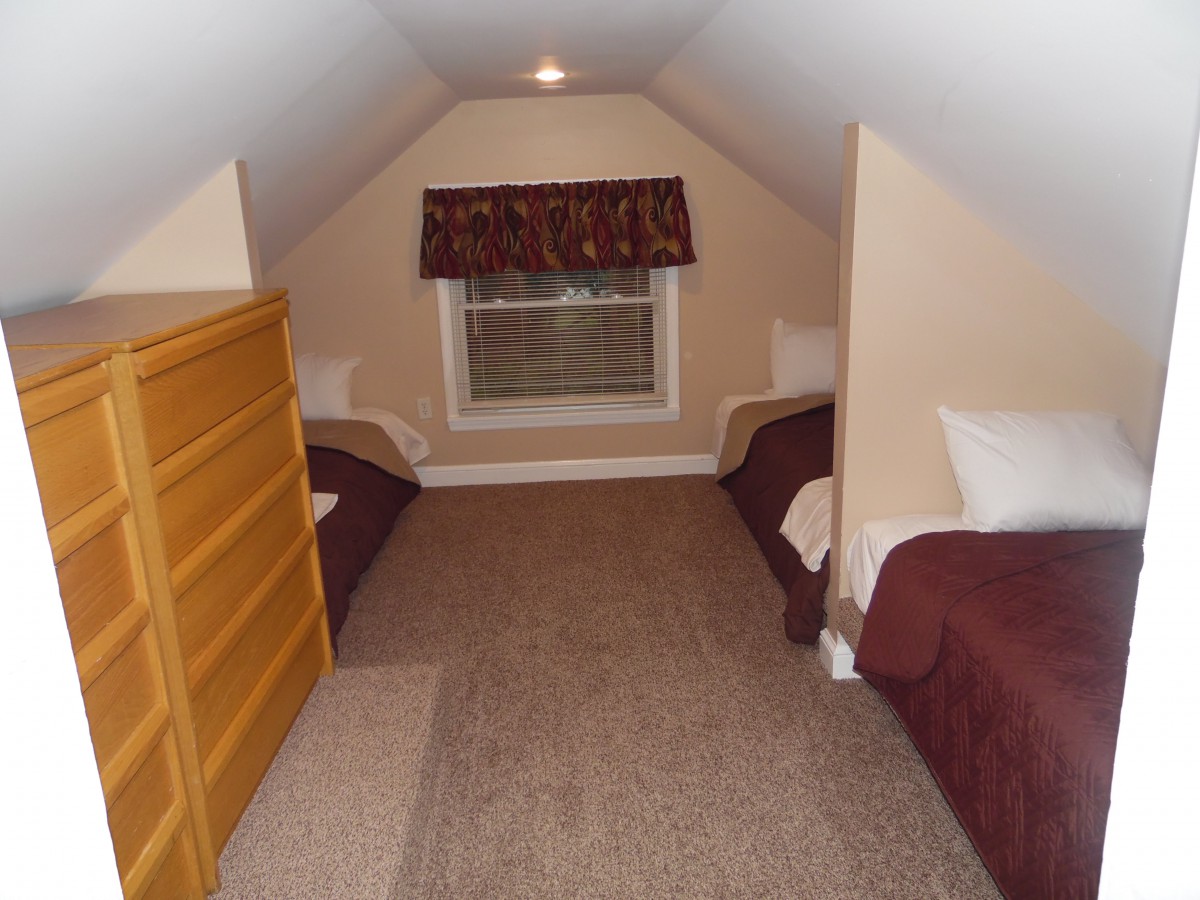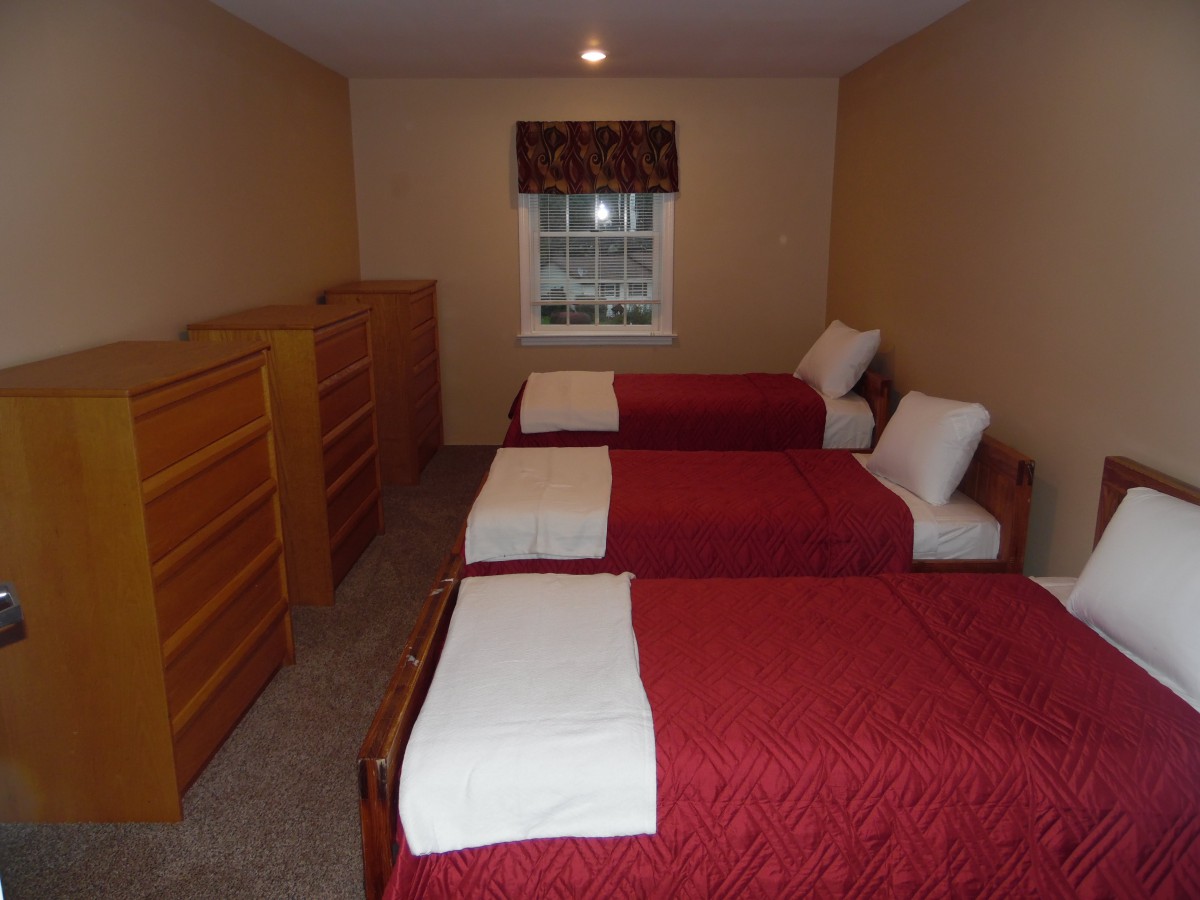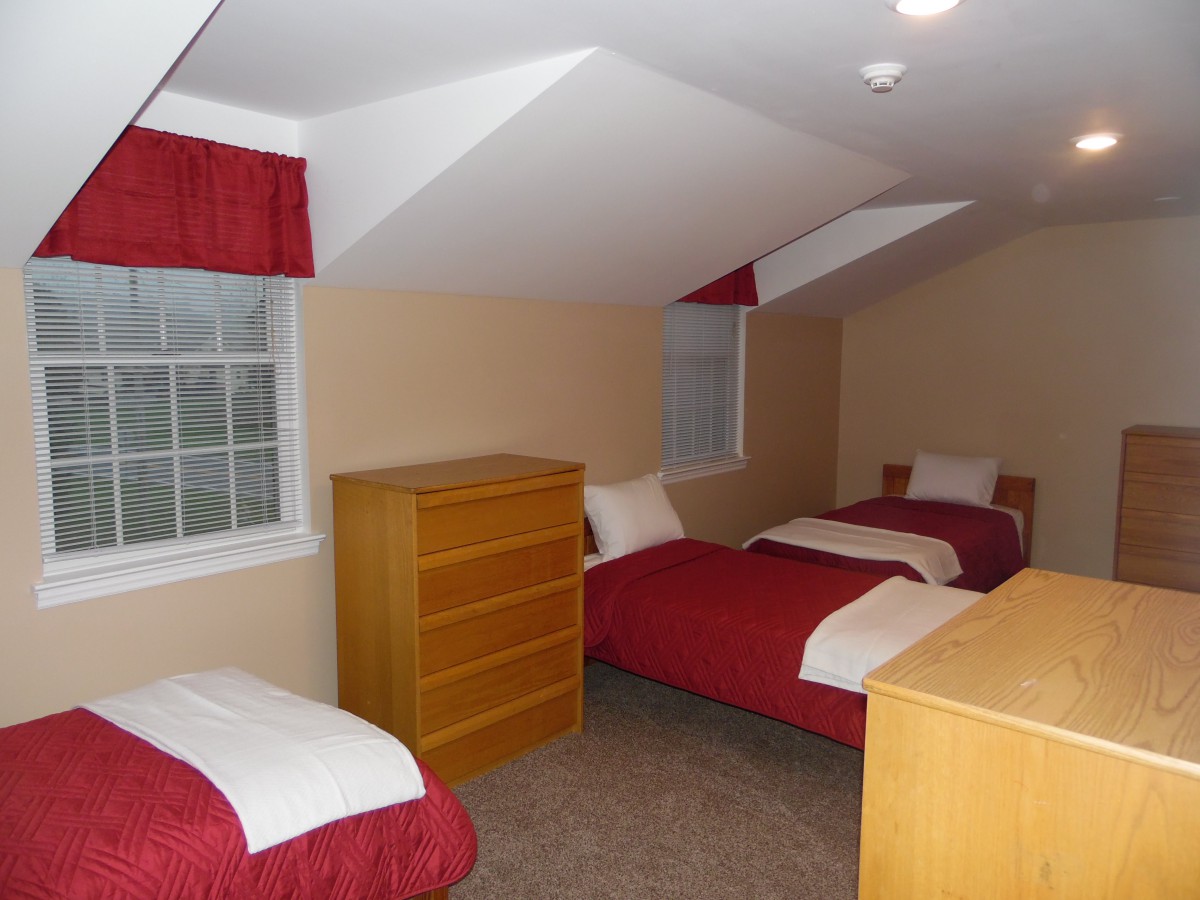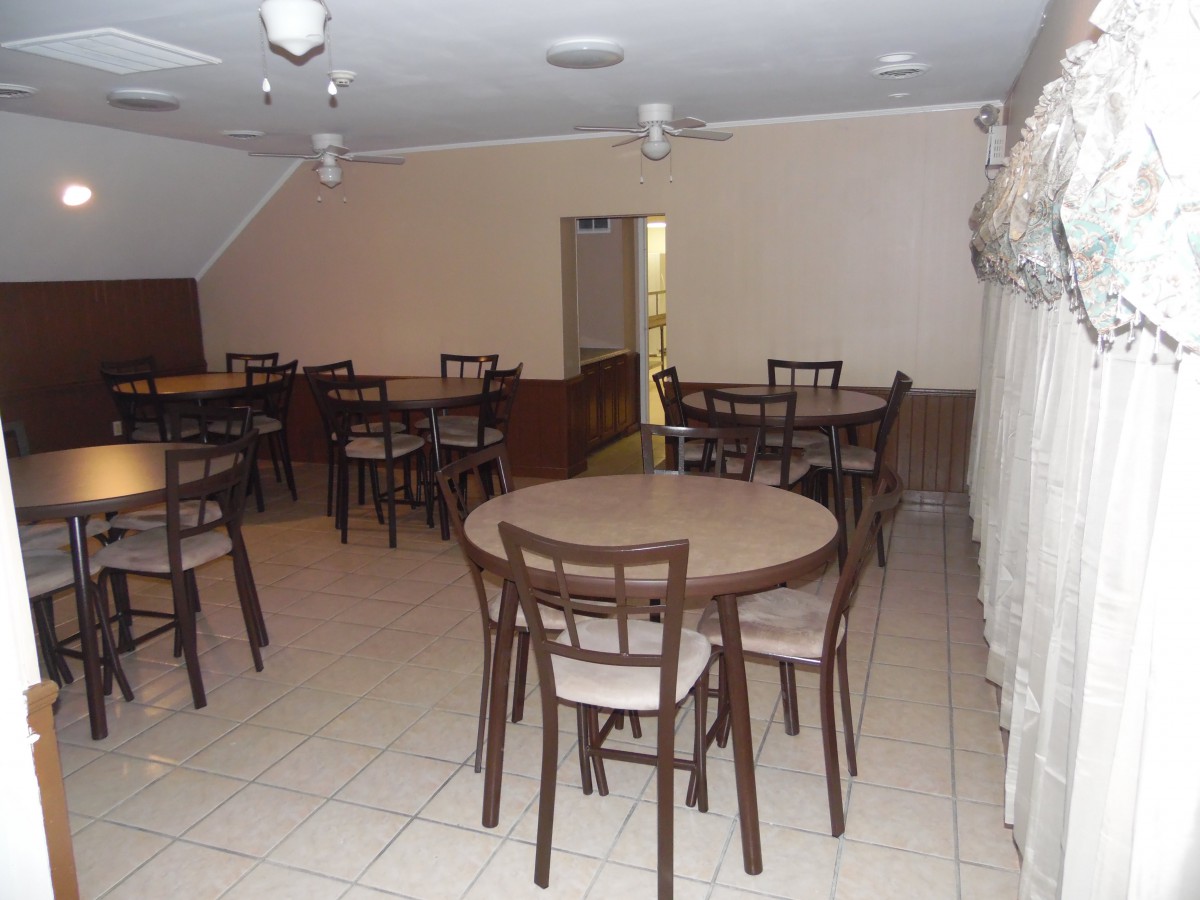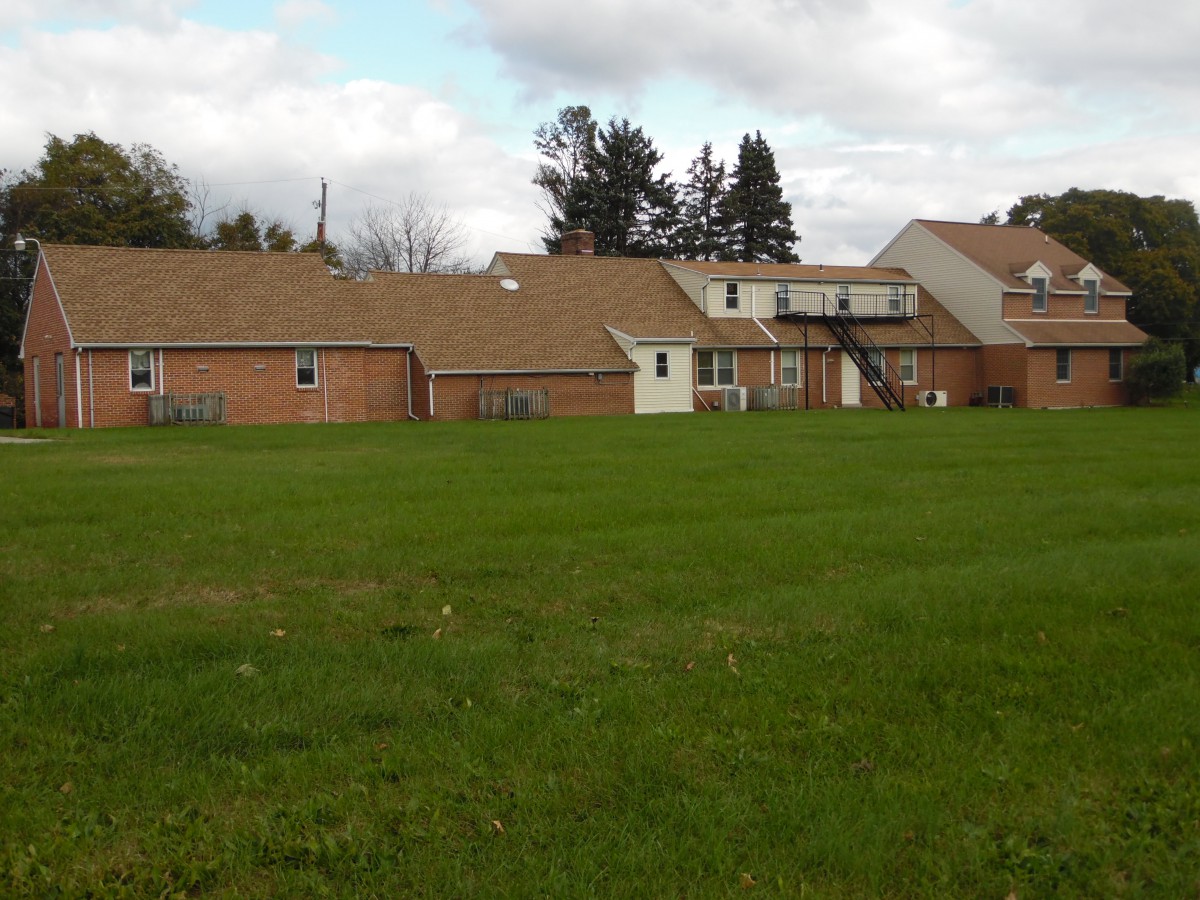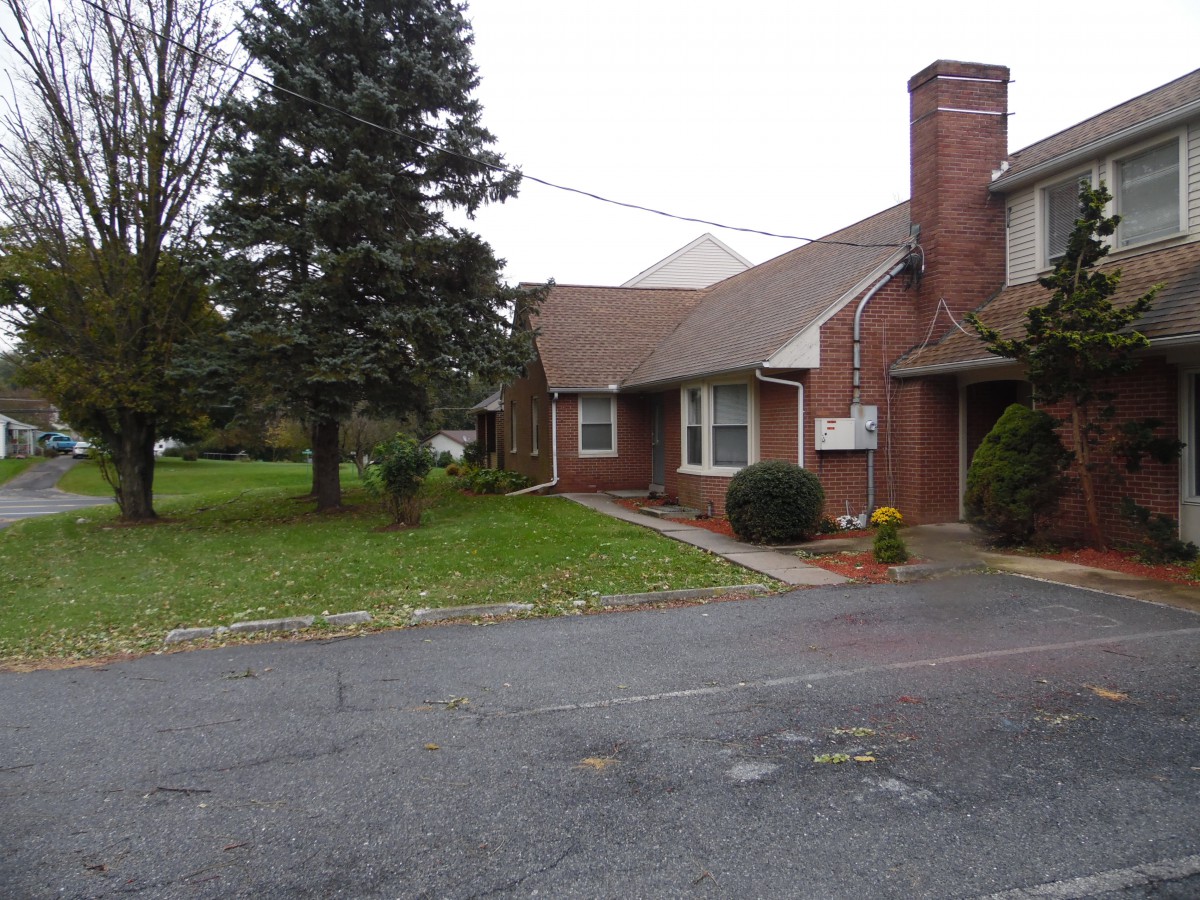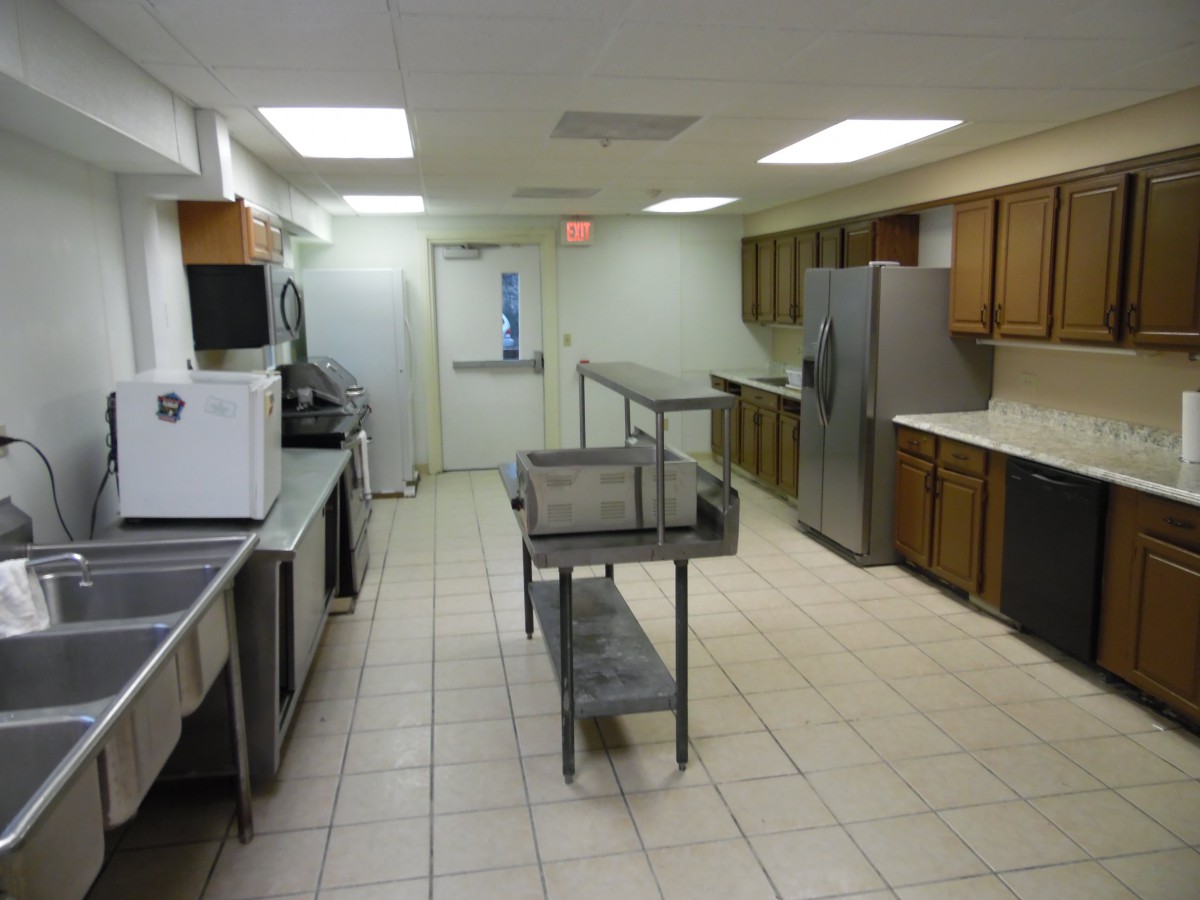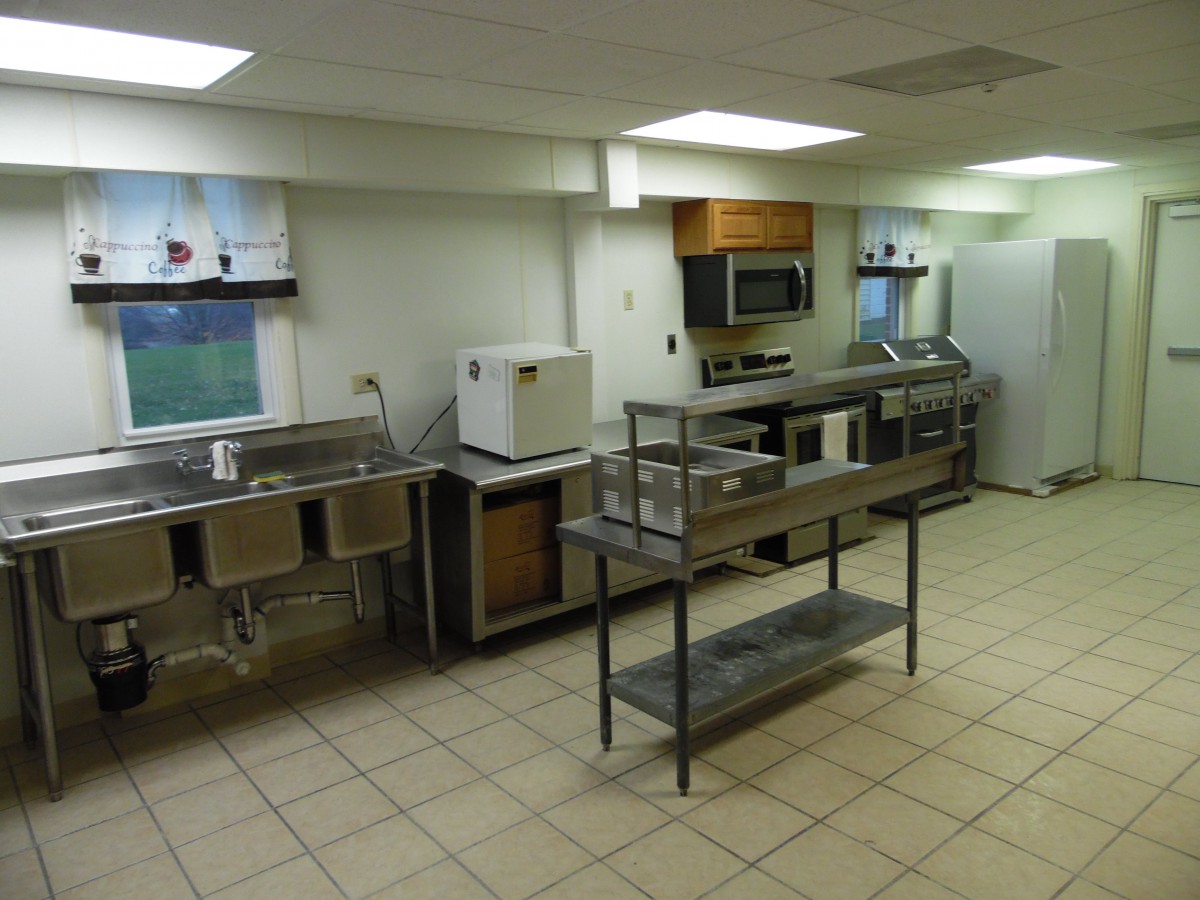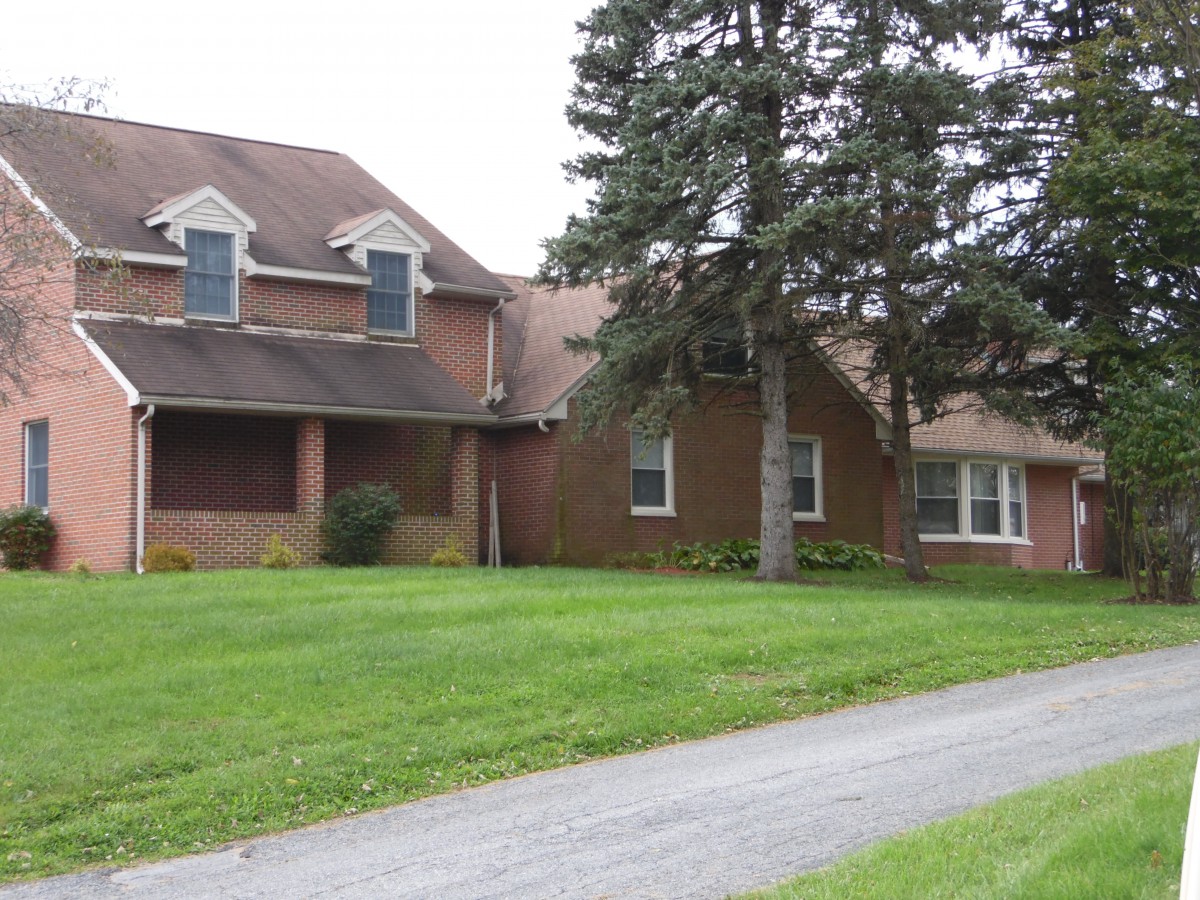
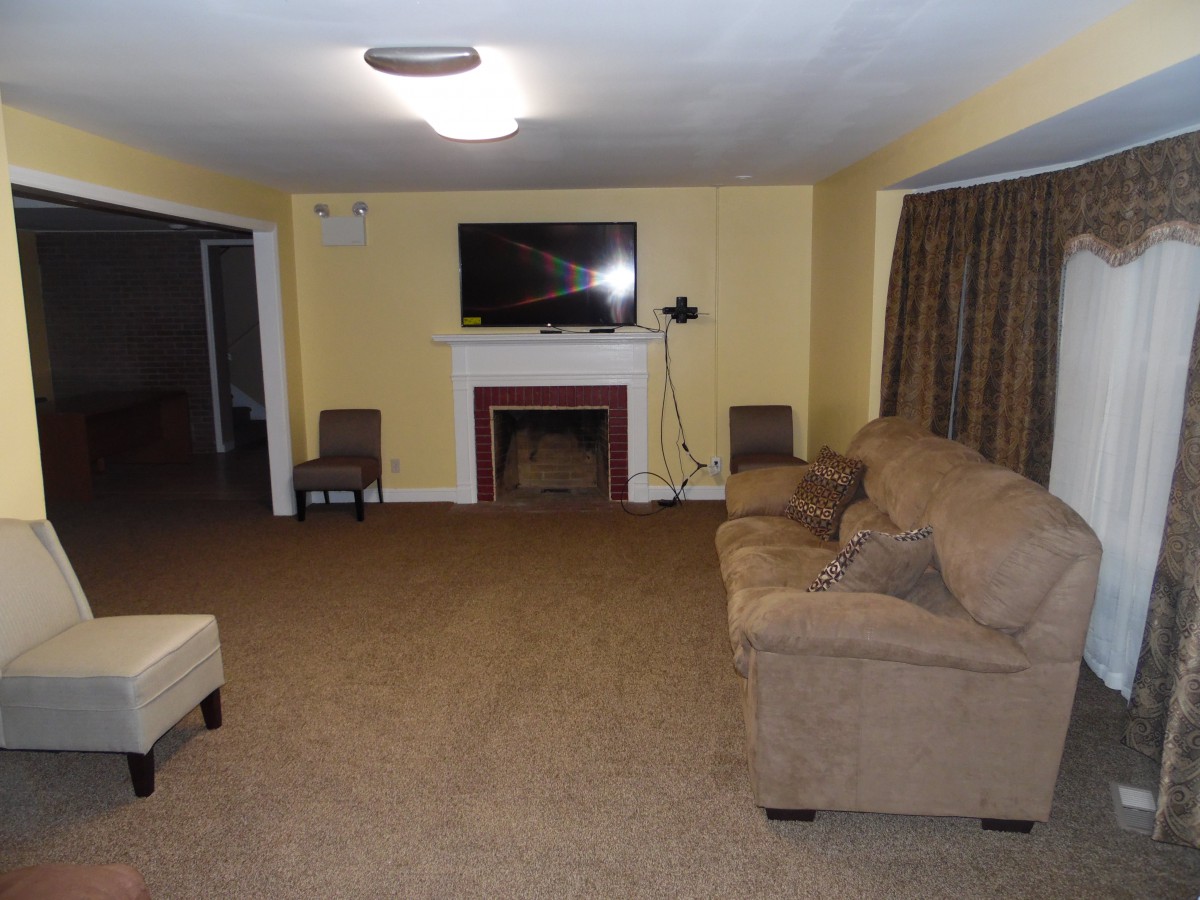
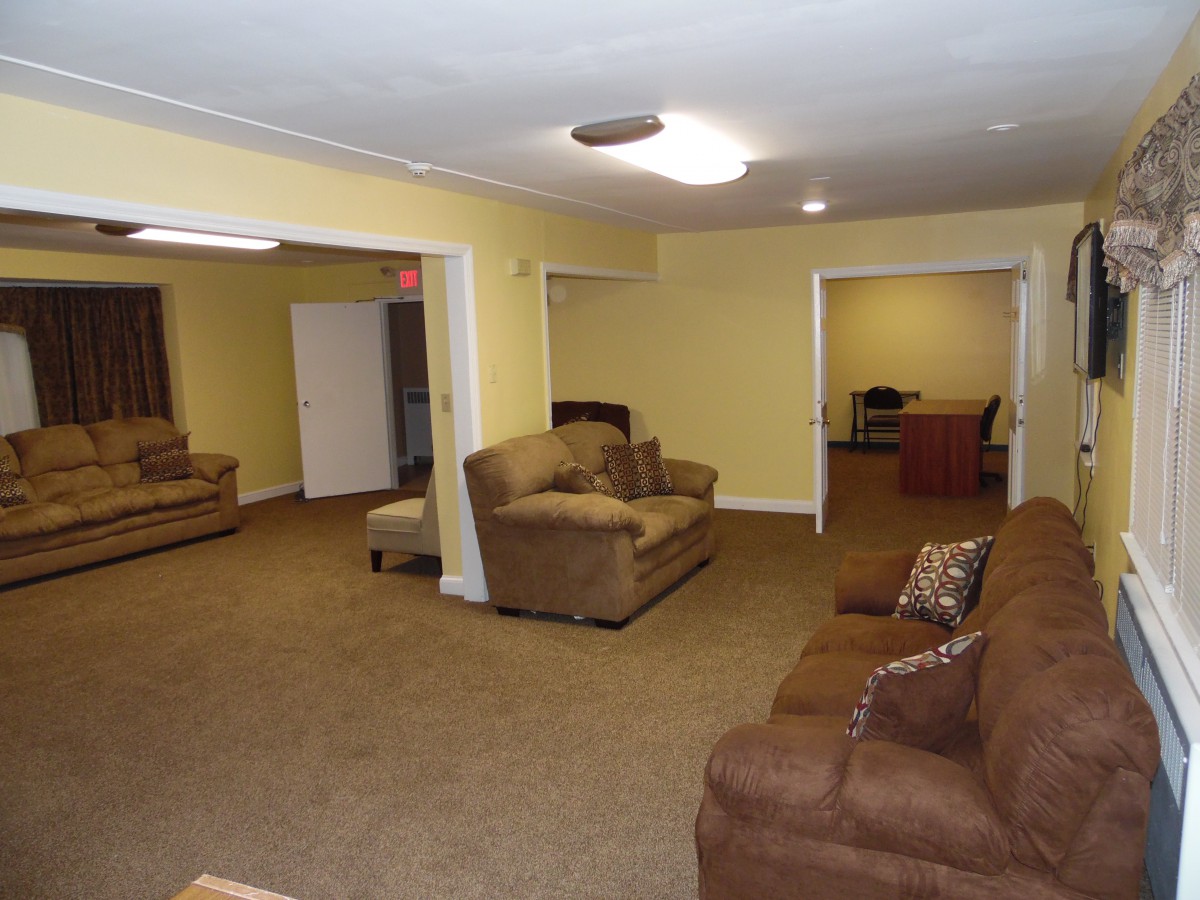
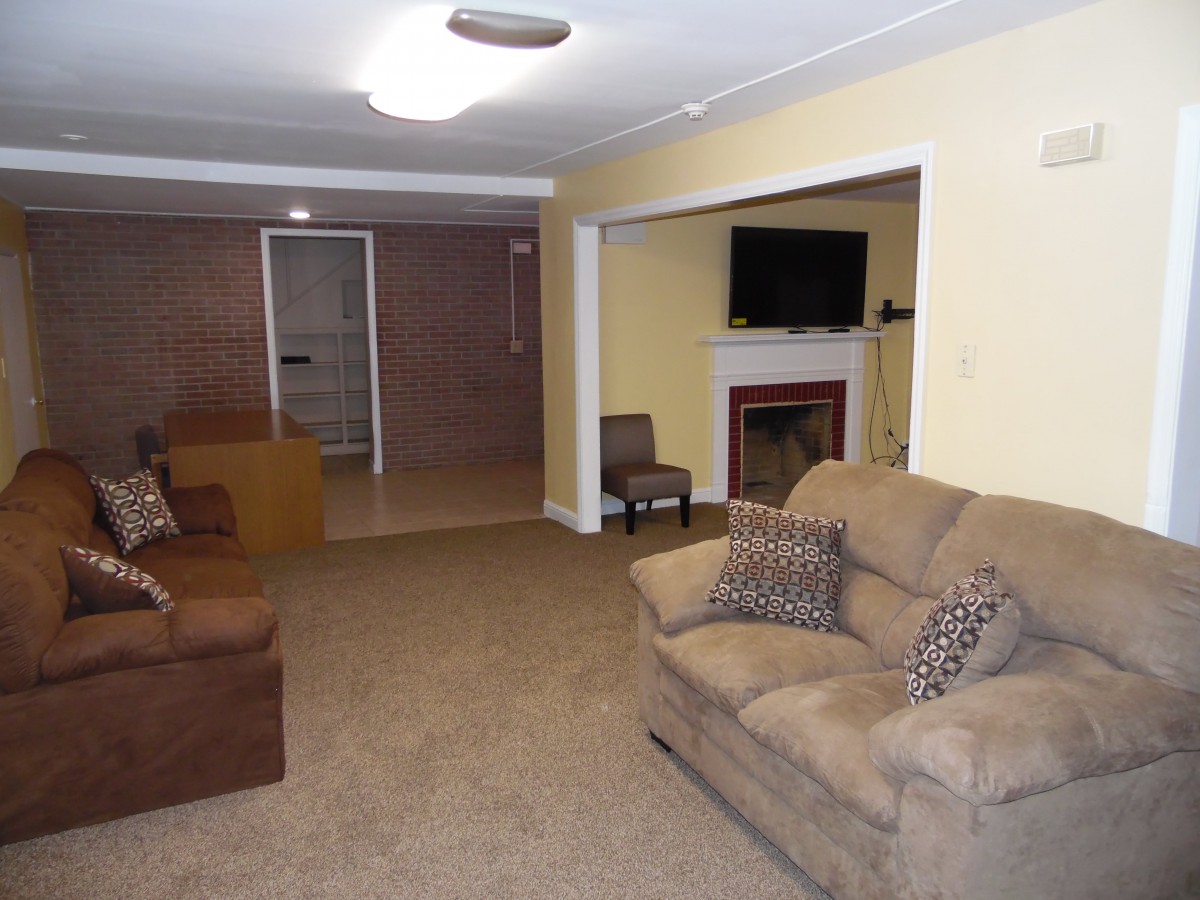

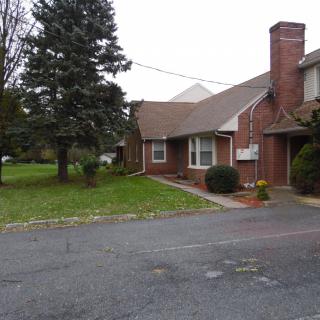
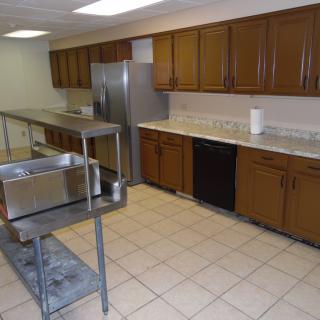
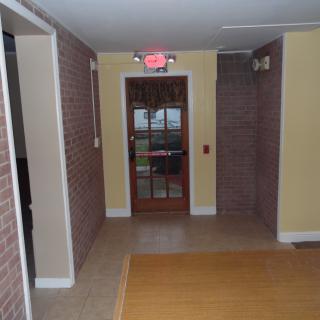
337 N. Lancaster Street, Jonestown, PA 17038
To contact a resident: (717) 329-2524
For more information about senior living options: (866) 208-4318
Veterans Community Home Costs & Pricing
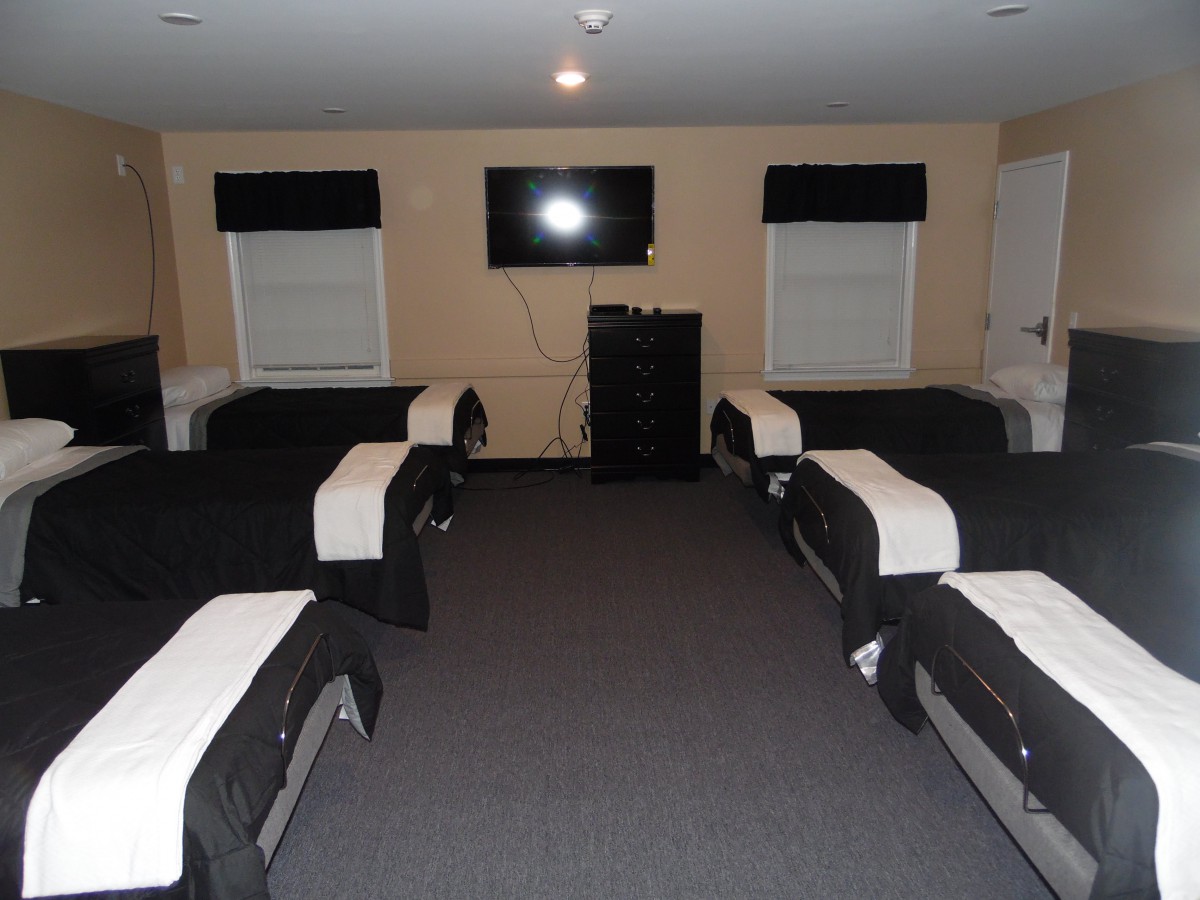
At Veterans Community Home, the monthly cost for a semi-private room is set at $1,100, presenting a significantly more affordable option compared to the averages in Lebanon County and across Pennsylvania. In Lebanon County, similar accommodations typically cost about $2,821 per month, while the state average rises to approximately $3,542. This disparity highlights Veterans Community Home as an attractive choice for veterans seeking quality care without the financial burden often associated with long-term housing solutions. By offering lower rates that remain below both county and state averages, Veterans Community Home ensures that veterans can access essential services in a supportive environment while conserving their financial resources.
| Floor plans | Veterans Community Home | Lebanon County | Pennsylvania |
|---|---|---|---|
| Semi-Private | $1,100 | $2,821 | $3,542 |
Independent Living communities with a similar price nearby
-
from -$57 / mo
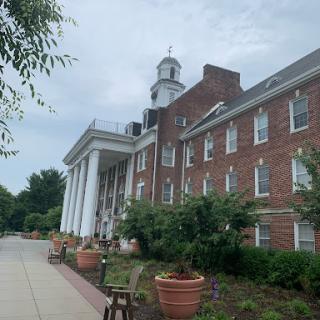
CRESCENT VIEW PERSONAL CARE
$1,043 to $1,593 / month20.7 miles away
Overall Review of Veterans Community Home
Pros
 He is always helping others.
- He is a blessing to veterans who meet him.
- He is a rock for those he serves.
- His hard work is greatly appreciated.
- He brings peace and blessings to those around him.
Review
This community in Jonestown, PA is best suited for veterans who prize a tightly knit, veteran-centric living environment where a dependable staff member serves as a ready advocate. The standout impression from the available feedback centers on a single staff professional, Brian Natalia, whose reliability and willingness to go “above and beyond” for veterans is highlighted as a defining strength. For families seeking an intimate setting where a veteran’s immediate concerns are met with steady, personal attention, this facility presents a compelling match. The tone of appreciation suggests a culture that respects military service and values a caregiver who speaks the language of veterans, translating benefits, daily routines, and needs into clear, approachable support. In short, this is a strong fit for those who want a home that feels led by someone who truly champions veterans’ everyday realities.
Those weighing alternatives should consider options that offer heavier medical oversight, memory care, or broader, campus-scale programming. If a resident requires advanced skilled nursing, dementia-specific care, or a full spectrum of therapeutic services in a larger setting, other communities may deliver more comprehensive clinical coverage. Additionally, if a family prioritizes a more expansive activity calendar, transportation network, or a facility with multiple neighborhoods and a wider menu of amenities, it may be worth exploring options outside this veteran-centered niche. The Jonestown location itself can also factor in relatives’ travel needs, access to VA clinics, and preferred proximity to nearby family support networks.
On the strength side, the central pro is an extraordinary level of staff engagement tied directly to veterans’ lived experience. The reviewer’s tribute to Brian Natalia depicts a staff member who consistently steps up to assist, providing reassurance and a sense of security that can alleviate the stress many families feel when navigating benefits, appointments, and daily routines. This kind of dependable advocacy translates into tangible peace of mind: families know there is a point person who understands military culture, communicates clearly, and acts with a veteran-first mindset. When a facility earns such visible trust in a single staffer, it signals a culture where residents are actively known, remembered, and supported in ways that often trump more impersonal, process-driven care.
However, the review landscape presents notable uncertainties that potential residents must weigh. The single testimonial, while glowing, offers a limited snapshot rather than a comprehensive picture of care quality, daily life, or operational breadth. There is no explicit information about medical acuity management, availability of skilled nursing, memory care options, meal quality, safety protocols, activity programming, or cost structures. The absence of these details means the community’s strengths, chiefly, staff devotion and veteran focus, may or may not align with a resident’s fuller care needs. Prospective families should plan for a rigorous on-site tour and direct conversations about care levels, staff ratios, and how veteran-specific goals are incorporated into individualized plans.
The core dynamic to weigh is whether the pronounced staff-driven, veteran-oriented approach can compensate for the lack of broader service data. When the primary asset is a trusted advocate who can simplify benefits navigation and daily living tasks, many veterans and their families feel a substantial reduction in stress and uncertainty. That advantage can offset some gaps, particularly for residents who thrive in a small, personable setting with clearly identifiable leadership and a known point of contact. Yet for those whose expectations include extensive clinical services, specialized memory care, or a wider range of on-site programming, the single-voice strength may struggle to offset the absence of documented breadth and depth across care dimensions.
In practical terms, families evaluating Veterans Community Home should prioritize concrete, up-close assessments. Schedule a visit with a focus on meeting the staff lead, ideally multiple team members, to gauge consistency and the range of supports offered. Request real-world examples of how care plans are developed and updated, and ask about veteran-specific benefits assistance, care coordination with outside providers, and crisis-response procedures. Inquire about daily schedules, activity options across mobility levels, and the dining experience to understand how meals fit nutritional needs and preferences. If the goal is a community where a veteran’s life is understood and championed by a responsive, single-point advocate, this home is a compelling choice; if the aim is a broad, clinical, or highly varied programming footprint, families should keep exploring. The bottom line is clear: this is a practical, proven fit for veterans who value a dedicated advocate and a veteran-first environment, with the caveat that broader care features require further verification before making a final decision.
 Independent Living
 Activities off-site
 Air-conditioning
 Cable or satellite TV
 Devotional services off-site
 Ground floor units
 Indoor common areas
 Outdoor common areas
 Wi-Fi/high-speed internet available
 Harrisburg International (22 miles away)
 Ambulatory care
 Diabetic care
 Meals provided
 BBQs or picnics
 Birthday parties
 Day trips and outings



 Home Health Care Aides: Understanding Their Role and Supporting Your Family
 Urinary Tract Infections in Older Adults: Comprehensive Insights on Symptoms, Treatment, and Prevention
 California's Form 602A: An In-Depth Examination of Senior Care Assessment