
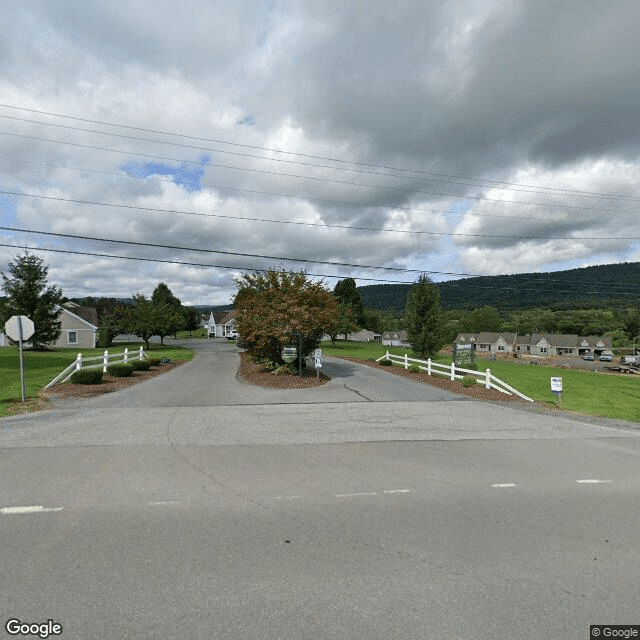
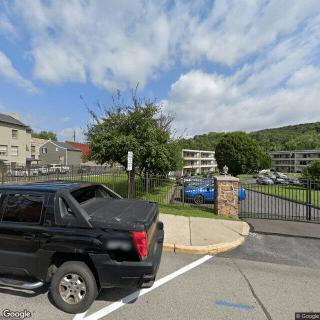
114 Victoria Ave, Everett, PA 15537
To contact a resident: (814) 623-0349
For more information about senior living options: (866) 208-4318

Overall Review of Spring House Estates
Pros
 Bill Mackay and Dana had a great experience and found the staff very helpful with Rascal.
- They love this local café and meet for lunch there often; the staff are great and friendly.
- Chrissy and Julie are always a delight.
- They had breakfast and it was delicious.
- The food is delicious and the staff are great.
- They recently had a baby shower at the café; the facility was nice and the staff were helpful and professional.
- They will surely retire here; it is their dream retirement home.
- Homewood has professional, dedicated, and caring staff who provide excellent care and have a beautiful campus.
- The staff are very friendly and accommodating; the interior and exterior are attractive and clean.
- They are fortunate to have found Homewood at Springhouse; it is excellent and the staff are always helpful and caring.
- They are happy and satisfied with moving to Homewood at Spring House Estates; issues of health, repairs, loneliness are solved.
- They love living there; the administration and staff go above and beyond, it feels like a big family, and they always feel safe and valued.
Cons
 The retirement community is great, but it is very pricey.
Review
Spring House Estates in Everett, PA is best suited for active, social retirees who want a campus-style assisted living experience with consistently strong staffing, reliable care, and a maintenance-free lifestyle. The community clearly serves residents who value a warm, connected environment where daily life revolves around relationships, dining, and purposeful activity. Pets are a noted plus, with staff noted for accommodating animal companions and helping integrate four-legged companions into daily life. For families seeking a place where the day-to-day feels well supported, Spring House Estates provides a compelling, resident-centered home base.
That said, this option is not for everyone. The dominant contra-highlight in the feedback is price. Reviews acknowledge very high value in terms of care and culture, but several families flag the cost as a major consideration, implying that alternatives with lower price points may be more suitable for those with tighter budgets or shorter planning horizons. Those needing substantial, ongoing skilled nursing or rehab services beyond typical assisted living may also want to confirm the full scope of clinical offerings and whether a community with different care levels would better match evolving needs. For anyone prioritizing urban conveniences or a broader range of lower-cost options, nearby markets or different caregiving models may be preferable.
The strongest pros align with a culture of dependable, proactive care. Staff are repeatedly described as professional, dedicated, and genuinely caring, with a willingness to go above and beyond for residents and families. The sense of safety and being valued is a recurring theme, underscored by phrases like “problem solvers” and a big-family feel. When health concerns or loneliness arise, the team is portrayed as responsive and capable of addressing issues promptly, contributing to peace of mind for residents and their loved ones. In practice, this translates to a daily environment where residents are attended to with warmth and competence, and where administrative and frontline teams coordinate to maintain comfort and stability.
Equally impactful are the social and amenity-driven strengths that soften the day-to-day routine. The dining experience is consistently praised, with food described as delicious and staff as friendly, supporting a convivial atmosphere that makes mealtimes affirming community moments rather than routine chores. The campus atmosphere, clean, attractive interiors and exteriors, and a setting conducive to gatherings, helps residents feel engaged and connected. A robust calendar of events and the presence of functional services and venues (catering for gatherings, a café atmosphere, and celebrations) reinforce a vibrant social life that many retirees seek but struggle to replicate on their own. The combination of accessible dining, social opportunities, and organized activities strengthens the case for Spring House Estates as a full-service home rather than a passive residential option.
Maintenance-free living is another clear advantage. The absence of yard work and snow removal, combined with responsive operations and a well-kept campus, reduces daily burdens and helps preserve independence. The feedback includes vivid confirmations: the property feels safe, well maintained, and ready for everyday use, clean lines of sight between resident life, dietary service, and maintenance support. The added perk of pet-friendly policies extends the appeal to residents who do not want to give up animal companionship, and even reflects positively in anecdotes about pets’ comfort and compatibility with the community’s routines. In short, the practical realities of day-to-day living at Spring House Estates align with what many seniors and families want from a modern, service-rich setting.
On balance, the main offset to the high price lies in the comprehensive, high-touch experience: compassionate staff, strong safety nets, an engaging social ecosystem, and maintenance-free independence that frees residents to live more fully without the usual household burdens. Where cost becomes a decisive factor, prospective residents should weigh the tangible value of reduced caregiving stress, predictable care partnerships, and a continued sense of purpose against the annual sticker price. Those who are comfortable with a premium and who place a premium on community, culture, and convenience will likely feel well rewarded by the investment.
For families weighing the decision, the recommended path is clear: prioritize Spring House Estates when the goal is a confident, social, and cared-for lifestyle with dependable staff and a strong sense of belonging, and when the budget aligns with a premium model of senior living. If affordability is the primary constraint, or if the care plan may later require more intensive medical oversight or a broader continuum of care that includes rehab or memory care, explore alternatives that offer similar community feel at a lower cost or with different care configurations. Prospective residents should conduct a firsthand visit, speak with current residents and families, review the latest service contracts, and confirm specifics about pet policies, dining options, activities, and any potential changes to care levels as needs evolve. In the right match, Spring House Estates stands out as a home that blends professionalism, warmth, and practical reassurance into daily life.
 Independent Living
 Activities on-site
 Devotional services off-site
 Indoor common areas
 Ambulatory care
 Diabetic care
 Meals provided



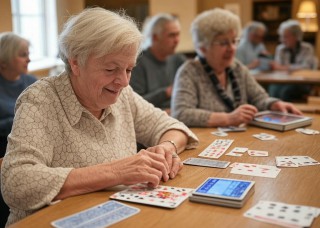 Effective Strategies for Keeping Seniors' Minds Active: A Deep Dive into Brain Games and Apps
 In-Depth Look at the VA Aid and Attendance Program
 Nurturing Our Loved Ones: A Daughter's Journey in Caring for Her Mother