
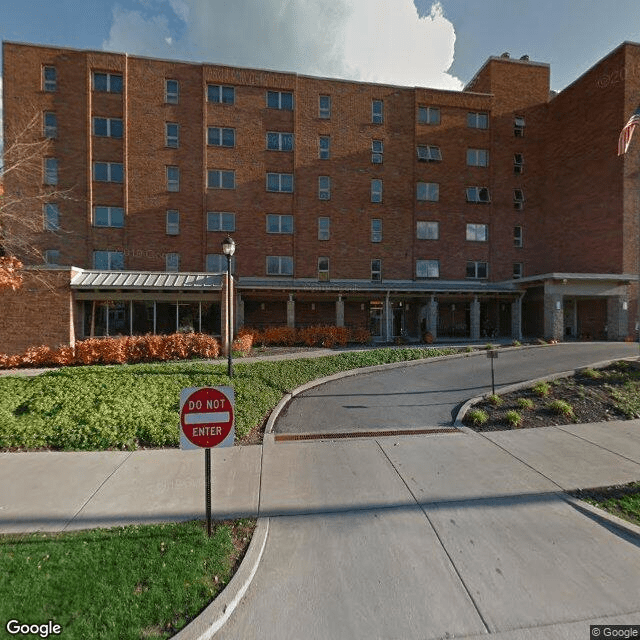
421 Kelly's Way P.O. Box 367, East Brady, PA 16028
To contact a resident: (724) 526-5736
For more information about senior living options: (866) 208-4318
Allegheny Hills Retirement Residence Costs & Pricing
Allegheny Hills Retirement Residence offers an exceptionally competitive pricing structure for its residents, with a monthly cost of just $500 for a one-bedroom accommodation. This stands in stark contrast to the average costs in Clarion County, which hover around $3,700, and Pennsylvania as a whole, where expenses can reach approximately $4,006 per month. The affordability of Allegheny Hills Retirement Residence makes it an attractive option for individuals seeking quality care without the financial strain often associated with retirement living.
| Floor plans | Allegheny Hills Retirement Residence | Clarion County | Pennsylvania |
|---|---|---|---|
| 1 Bedroom | $500 | $3,700 | $4,006 |
Overall Review of Allegheny Hills Retirement Residence
Pros
 The staff could not have been more accommodating and understanding.
- The building was clean, safe, and well maintained.
- The residents went out of their way to share their positive experiences, which made the transition easier.
- They were a great group of people.
Cons
 There are reports that after someone dies, items go missing from apartments and that management has master keys.
- Theft between apartments is not uncommon.
- The head cook is rude and verbally abusive toward the elderly.
- The management company allows family to work together there as "management."
- The reviewer would not recommend living there.
Review
Allegheny Hills Retirement Residence in East Brady is best suited for seniors who want a warm, neighborly atmosphere with responsive staff, clean facilities, and a straightforward daily routine. It works well for residents who value a small-community vibe where staff acumen and a calm environment matter as much as any formal care plan. For families seeking a place with immediate warmth at move-in, a clean and well-maintained building, and residents who welcome newcomers, Allegheny Hills delivers a tangible sense of belonging. The setting rewards those who prioritize social integration and personal attention over upscale amenity packages or highly structured medical programming.
That said, there are clear reasons some families should consider alternatives. The most consequential concerns relate to security and governance. One account notes that items go missing after deaths, with credible claims of management possessing master keys and even corroboration from a former employee. Theft between apartments is described as not uncommon, and that raises real alarms about privacy, safety, and the protection of valuables. Another red flag is a reported rude, verbally abusive temperament from the head cook toward residents. Together, these issues point to a governance and culture dynamic that may feel unstable to families prioritizing airtight accountability and respectful, professional conduct at all times.
The strongest positives at Allegheny Hills center on staff responsiveness, a welcoming resident community, and careful maintenance. Families report that staff are accommodating and understanding, which smooths transitions, especially when a loved one is adjusting to new surroundings. The building's cleanliness and safety are repeatedly noted, reinforcing trust that daily life will run smoothly without constant maintenance surprises. When residents actively help one another and share positive experiences, a sense of belonging forms quickly. For individuals who value reliable day-to-day rhythm and social warmth, these factors can meaningfully offset the stress of relocation.
Yet the gravity of the concerns cannot be dismissed. Security lapses and questions about who has access to apartments directly touch the core responsibilities of a retirement residence. If the risk of missing belongings or unauthorized access feels unacceptable, Allegheny Hills becomes a difficult fit. The reported behavior of the head cook and the sense that management allows family members to participate in governance further complicate the trust calculus. Prospective residents must weigh the comfort of a friendly, well-maintained home against the potential for privacy breaches and perceived mismanagement.
From a decision-making perspective, prospective residents should pursue concrete assurances before committing. Ask for a detailed explanation of security protocols, incident reporting, and how master-key access is controlled and audited. Seek current references from multiple families about how complaints are handled and resolved, plus verification of background checks, staff training, and supervision practices. Request a tour focused on privacy, safety, meal service interactions, and how staff de-escalate conflicts with residents. Without such assurances, the benefits of a welcoming community may be outweighed by ongoing security and governance concerns.
In summary, Allegheny Hills offers a practical, congenial home with clean, safe facilities and genuinely caring staff. It serves well those who prize a stable, social environment and can accept that, at times, governance and security questions may surface. Families with strong concerns about theft, access control, and respectful staff behavior should scrutinize alternatives where oversight appears tighter and accountability more consistently demonstrated. For a careful decision, approach with a structured questions list, a personalized tour, and direct conversations with multiple staff and residents to determine whether the positives can fully offset the cautions.
 Independent Living


 Urinary Tract Infections in Older Adults: Comprehensive Insights on Symptoms, Treatment, and Prevention
 California's Form 602A: An In-Depth Examination of Senior Care Assessment
 Comprehensive Look at Senior Blood Pressure Charts: Normal and Elevated Levels by Age